Your digging level
Description
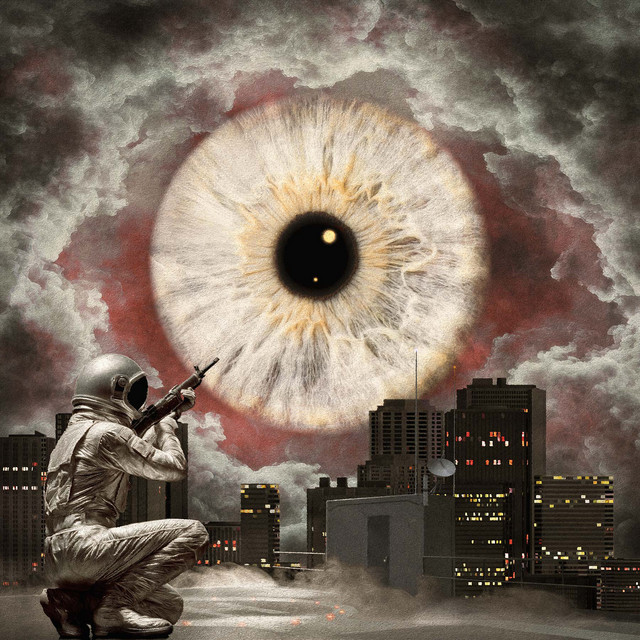
Spacegrunge is a modern hybrid that fuses the serrated, riff‑driven power of 1990s grunge with the expansive ambience of space rock and the hazy textures of shoegaze.
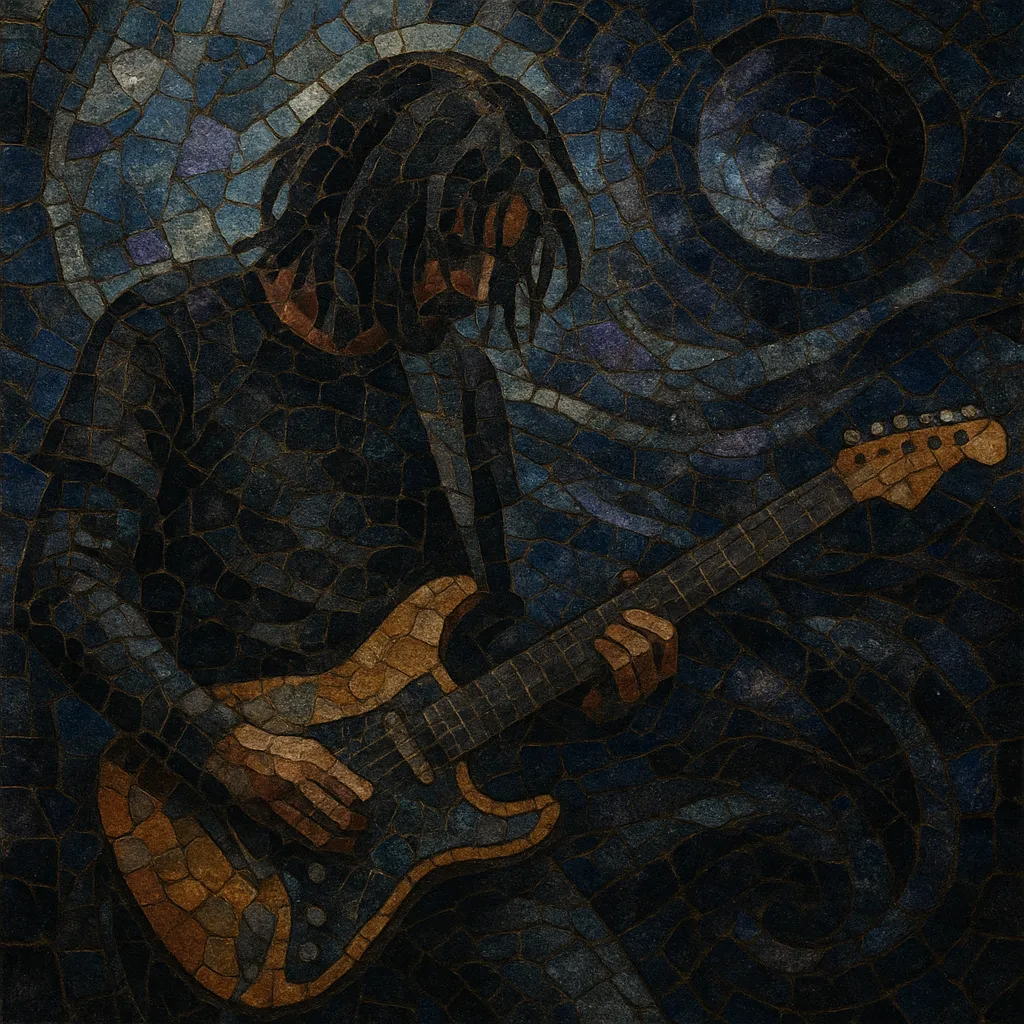
It typically features heavy, detuned guitars wrapped in delay, reverb, and chorus; muscular, driving basslines; and roomy, mid‑tempo drums that swing between soft‑loud dynamics and tidal crescendos. Vocals often sit slightly submerged in the mix, conveying themes of cosmic isolation, nostalgia, and interior reflection.
While rooted in alt‑rock songcraft, spacegrunge widens the sonic field with drones, synth pads, and atmospheric interludes, creating a sense of lift‑off without abandoning the grit and immediacy of guitar music.
History
Spacegrunge draws foundational cues from the 1990s, when bands like Hum and Failure married alternative rock heft to space‑rock atmospherics. In parallel, grunge established a vocabulary of down‑tuned riffs, fuzzy saturation, and cathartic quiet‑loud dynamics, while shoegaze contributed dense guitar layers and blurred, dreamy vocals.
Through the 2000s, post‑rock, stoner rock, and a global shoegaze revival kept spacious guitar textures in circulation. Online forums and early Bandcamp culture began to link these strands, informally seeding the idea of a grunge‑meets‑cosmos aesthetic.
By the 2010s, a new wave of bands blended grunge’s weight with shoegaze/space‑rock atmosphere. DIY releases and Bandcamp tags helped the term “spacegrunge” coalesce, distinguishing it from adjacent tags like "grungegaze" or "spacegaze." The sound emphasized saturated, detuned guitars, big drum rooms, and panoramic mixes, but retained concise alt‑rock hooks.
In the 2020s, streaming playlists and social media scenes normalized spacegrunge aesthetics across North America and Europe. The style influenced younger “zoomergaze” and alternative‑emo acts, while veteran space‑rock and shoegaze artists adopted heavier, grungier tones—further blurring boundaries and cementing spacegrunge as a recognizable modern guitar idiom.