Genres
Artists
Albums
Make Music
Sign in
Sign in
Artists
Gothic Rock
Artists
Gothic Rock
The Cure
1979–2026
·
24 albums
Listen
5
/5
Genres
Chill Pop
Chill pop is a contemporary pop micro‑genre that blends radio‑friendly songwriting with the mellow textures of chillout and lo‑fi aesthetics. It favors soft vocals, smooth synths, clean guitar plucks, understated bass, and relaxed, mid‑tempo grooves. Instead of big, bombastic hooks, chill pop tends toward intimate, conversational melodies and minimal, airy arrangements. Production often borrows from bedroom pop and alternative R&B—subtle trap hi‑hats, warm saturation, roomy reverbs, and gentle side‑chain compression—to create a breezy, pastel sound palette well suited to playlists and late‑night listening. Lyrically, chill pop is introspective and relatable: romance, longing, gentle optimism, and coming‑of‑age themes delivered in a plain‑spoken, whisper‑close tone. The result sits between indie pop’s understated cool and mainstream pop’s catchy structures, optimized for the streaming era’s mood‑driven consumption.
Discover
Listen
Digital Horror
Digital horror is a contemporary horror aesthetic that focuses on dread emerging from networked technologies, software, and always‑on media. Narratives and sound worlds revolve around screens, social platforms, livestreams, malware, deepfakes, and the uncanny presence of algorithmic systems. In music and sound design, the style translates this fear of the digital into glitching textures, corrupted audio artifacts, synthetic drones, and the weaponization of familiar interface sounds (alerts, keyboards, notification pings). It often blends dark ambient, industrial noise, and hauntological sampling to suggest threats that live inside code, clouds, and data centers—consistent with the wider definition that emphasizes anxiety and supernatural menace arising from the Internet and modern media.
Discover
Listen
Doomshop Phonk
Doomshop phonk is a darker, grittier branch of phonk rooted in 1990s Memphis underground hip hop aesthetics and horrorcore imagery. It emphasizes slowed, pitched‑down rap vocals, eerie melodic loops, blown‑out 808 subs, and lo‑fi textures (tape hiss, vinyl crackle) to evoke a sinister, nocturnal atmosphere. The style was popularized online in the mid‑2010s through the Doom Shop/Doomshop collective, YouTube mixtapes, and SoundCloud communities. Compared with mainstream or drift phonk, doomshop phonk keeps tempos slower, mixes dirtier, and samples and programming closer to chopped‑and‑screwed and early Memphis traditions.
Discover
Listen
Emo Revival
Emo revival is a 2010s resurgence of the melodic, introspective strain of 1990s and early-2000s emo, updated with indie-rock and math-rock sensibilities. It emphasizes twinkly, interlocking clean guitars, confessional and diaristic lyrics, dynamic quiet‑loud arrangements, and a DIY ethos rooted in house shows, small labels, and online communities. Compared with 2000s mainstream emo-pop, the revival leans closer to Midwest emo and indie aesthetics—often cleaner in tone, more rhythmically intricate, and less polished, while remaining hooky and emotionally direct.
Discover
Listen
Experimental Indie
Experimental indie is a broad, exploratory wing of independent rock and pop that prioritizes curiosity over convention. It blends DIY recording practices with off‑kilter song forms, unusual timbres, and a willingness to fold in ideas from avant‑pop, noise, electronic music, and psych. Rather than a fixed sound, it is a method and attitude: use the tools at hand (bedroom rigs, pedals, samplers, tape, software) to push past genre borders, while keeping the immediacy and intimacy of indie. Expect jagged rhythms, warped hooks, collage‑like arrangements, and production choices that foreground texture as much as melody.
Discover
Listen
High Vibe
High vibe is a contemporary, wellness-oriented microgenre that blends uplifting pop songwriting with gentle electronic textures and spiritually tinged lyrics. It emphasizes positivity, gratitude, self-empowerment, and connection to nature, often employing soothing vocal timbres, airy pads, acoustic guitars or piano, and light, mid-tempo grooves. The production is spacious and warm, favoring reverb-washed atmospheres, soft percussion, and subtle world-influenced instrumentation to create a sense of calm elevation. While rooted in pop accessibility, high vibe draws on new age and devotional traditions, bringing mantra-like hooks and affirmational refrains into modern indie and electronic frameworks.
Discover
Listen
Indian Indie
Indian indie is the umbrella for independent, non-film music made in India across languages such as Hindi, English, and numerous regional tongues. It is defined more by its DIY production and artist-led release model than by a single sound. Musically, it spans indie pop and rock, folk-fusion, singer‑songwriter ballads, dream‑pop/shoegaze textures, and electronic‑leaning productions. Artists often blend Western harmony and song forms with raga‑tinged melodies, Indian rhythmic feels, and occasional use of traditional instruments like tabla, bansuri, or sitar. The scene grew rapidly with college festivals, small venues, and digital platforms (YouTube, streaming services, Bandcamp), plus boutique labels and festivals such as NH7 Weekender that created national visibility. Lyrically, it tends to be intimate and contemporary—touching on romance, urban life, identity, and nostalgia—while maintaining accessible hooks and warm, organic sonics.
Discover
Listen
Indie Pop Rap
Indie pop rap blends the melodic hooks and DIY aesthetic of indie pop with conversational, often introspective rap delivery. The production favors warm, guitar- or synth-led beats, understated drums, and lo‑fi textures over bombastic trap maximalism. Lyrically, it leans personal and relatable—relationships, coming of age, mental health, and day-to-day vignettes—delivered in a half-sung, half-rapped style. The sound was shaped by bedroom producers and the streaming era, where low-stakes, catchy songs with intimate vocals thrive on playlists and social media.
Discover
Listen
Modern Indie Folk
Modern indie folk is a 2010s-era evolution of indie folk that blends intimate, acoustic songwriting with contemporary production aesthetics. It keeps the core of folk—storytelling, fingerpicked guitars, and close-miked vocals—but expands the palette with ambient textures, chamber-style strings, subtle electronics, cinematic reverb, and spacious, headphone-first mixes. The result is a sound that feels both handcrafted and atmospheric: confessional lyrics carried by hushed deliveries, layered harmonies, and warm analog or tape-like saturation, often moving between 4/4 and swaying 6/8/12/8 meters. At its center are themes of memory, nature, relationships, and quiet self-reckoning, expressed through vivid imagery and minimalist arrangements that bloom into emotive crescendos.
Discover
Listen
Northern Gothic
Northern gothic is a modern recontextualization of gothic sensibility rooted in the post‑industrial landscapes, politics, and culture of 21st‑century Northern England. It blends post‑punk austerity, industrial and dark ambient textures, hauntological memory work, and stark folk storytelling. The sound often evokes mills, moorland, sea ports, terraces, and cooling towers—spaces marked by deindustrialization—through tape patina, reverberant spaces, modular drones, and vernacular narratives. Compared with classic goth, it is less theatrical and more documentary or folkloric in tone, prioritizing regional specificity, minimalism, and social realism.
Discover
Listen
Phonk
Phonk is a dark, sample-heavy microgenre of hip hop and trap that resurrects the gritty aesthetics of 1990s Memphis rap. It blends chopped-and-screwed vocals, ominous minor-key loops, lo‑fi textures, and overdriven 808s to create a woozy, menacing atmosphere. While early phonk leaned on slowed vocal samples and cassette‑era grit, a later offshoot known as drift phonk foregrounded hard‑clipping 808 bass and bright cowbell patterns at faster tempos, becoming synonymous with car/drift videos and social media virality. Across its variants, phonk is united by retro Southern rap DNA, tape‑worn sonics, and an underground, DIY producer culture.
Discover
Listen
Shimmer Psych
Shimmer psych is a contemporary strand of neo‑psychedelia that pairs sparkling, chorus‑washed guitars and gauzy vocal harmonies with dreamy pop songcraft. It emphasizes high‑end "shimmer," tape‑soft saturation, hypnagogic textures, and melodic hooks, sitting between dream pop, jangle pop, and classic psychedelic rock. Typical tracks are mid‑tempo, built on warm bass lines, gentle motorik or laid‑back breakbeats, and drenched in reverb, phaser, and delay. The result is sun‑bleached, nostalgic, and kaleidoscopic rather than heavy or jam‑oriented.
Discover
Listen
Tech-Noir
Tech-noir is a musical subgenre and aesthetic within the synthwave and darksynth scenes, characterized by a dark, cinematic, and dystopian atmosphere. It draws heavy inspiration from 1980s science fiction and neo-noir films, blending retro-futuristic synthesizer melodies with driving basslines and industrial elements. The music often incorporates narrative storytelling, spoken word samples, and soundscapes that evoke a sense of urban decay, high-tech menace, and cynical romance.
Discover
Listen
Post-Rock
Post-rock is a style that uses traditional rock instrumentation—guitars, bass, drums, and often piano or strings—to create expansive textures, evolving soundscapes, and dynamic arcs rather than conventional verse–chorus songs. It emphasizes timbre, atmosphere, and gradual development: clean or lightly overdriven guitars drenched in delay and reverb, cyclical ostinatos, layered crescendos, and pronounced quiet–loud dynamics. Vocals, if present, are often sparse, wordless, or treated as another textural layer. The genre draws heavily from ambient, minimalism, krautrock, progressive and space rock, shoegaze, noise rock, and experimental practices, yielding music that can feel cinematic, contemplative, and emotionally cathartic.
Discover
Listen
Alternative Rock
Alternative rock is a broad umbrella for guitar-based rock that emerged from the independent and college-radio scenes as a counterpoint to mainstream, commercial rock. It blends the energy and ethos of punk with the textural and songwriting experiments of post-punk, new wave, jangle pop, and noise rock, often foregrounding introspective or socially aware lyrics. Across its many strains—from the melodic minimalism of college rock to the loud-quiet-loud dynamics of grunge and the artful experimentation of Radiohead-era modernism—alternative rock prioritizes authenticity, sonic individuality, and a do-it-yourself approach. Its sound ranges from chiming, chorus-laden clean guitars to abrasive distortion and feedback, supported by straightforward rock rhythms or off-kilter grooves, and production that can be either raw and live-sounding or polished yet unconventional.
Discover
Listen
Alternative
Alternative is an umbrella term for non-mainstream popular music that grew out of independent and college-radio scenes. It emphasizes artistic autonomy, eclectic influences, and a willingness to subvert commercial formulas. Sonically, alternative often blends the raw immediacy of punk with the mood and texture of post-punk and new wave, adding elements from folk, noise, garage, and experimental rock. While guitars, bass, and drums are typical, production ranges from lo-fi to stadium-ready, and lyrics tend toward introspection, social critique, or surreal storytelling. Over time, “alternative” became both a cultural stance and a market category, spawning numerous substyles (alternative rock, alternative hip hop, alternative pop, etc.) and moving from underground circuits to mainstream prominence in the 1990s.
Discover
Listen
Dark Wave
Dark wave is a moody, melancholic offshoot of post-punk and new wave that emphasizes minor-key harmonies, somber timbres, and introspective or romantic lyrical themes. It blends the icy textures of early synthesizers and drum machines with reverb-laden guitars and melodic, driving basslines. The style typically features baritone or ethereal vocals, atmospheric production with heavy use of chorus, delay, and reverb, and tempos that range from slow and brooding to mid-tempo and danceable. Dark wave spans both guitar-oriented and synth-forward approaches, and often overlaps with related movements such as coldwave, minimal wave, and ethereal wave.
Discover
Listen
Dream Pop
Dream pop is a subgenre of alternative and indie rock that emphasizes atmosphere, texture, and mood over traditional rock dynamics. It is characterized by shimmering, reverb-laden guitars, soft and often breathy vocals, steady but subdued rhythms, and lush harmonic beds created with chorus, delay, and ambient-style processing. Rather than building around riffs or virtuosity, dream pop prioritizes hypnotic repetition, impressionistic lyrics, and a sense of weightless drift, frequently drawing on neo-psychedelia and ambient aesthetics. Its canonical sound coalesced in the mid-1980s (especially around the 4AD label), and later intersected with and helped seed shoegaze and many subsequent bedroom- and internet-era pop styles.
Discover
Listen
Gothic Rock
Gothic rock is a dark, atmospheric branch of post-punk that emphasizes brooding moods, melodic basslines, baritone or icy vocal deliveries, and guitar textures drenched in chorus, delay, and reverb. Its lyrics often explore themes of romanticism, existential dread, night, mysticism, and decay, drawing on Gothic literature and cinema as much as rock tradition. Sonically, it blends the stark rhythms and minimalism of post-punk with the theatricality of glam and the textural experimentation of art and psychedelic rock. Drum machines or tightly metronomic drumming underpin prominent, melodic bass figures, while guitars shimmer or scrape with chorus/flanger effects. The result is danceable yet somber music that feels both dramatic and introspective.
Discover
Listen
Post-Punk
Post-punk is a broadly experimental strain of rock that emerged in the late 1970s as artists sought to push beyond the speed, simplicity, and orthodoxy of first-wave punk. It typically features angular, bass-forward grooves; jagged or minimal guitar lines; stark, spacious production; and an openness to dub, funk, electronic, and avant-garde ideas. Lyrics often examine alienation, urban decay, politics, and the inner life with artful or abstract delivery. A studio-as-instrument approach, emphasis on rhythm section interplay, and an appetite for non-rock textures (tape effects, drum machines, found sound, synths) distinguish the style. The result can be danceable yet tense, cerebral yet visceral, and emotionally restrained yet intensely expressive.
Discover
Listen
New Wave
New wave is a broad, pop-oriented umbrella for styles that emerged in the mid-to-late 1970s as a sleeker, more melodic outgrowth of punk culture. Initially, the term varied by region: in the United States it was first used by critics and labels (famously Sire Records’ “Don’t Call It Punk” campaign in 1977) to rebrand punk-associated artists with more radio-friendly aesthetics; in the United Kingdom it encompassed a wider constellation of fresh, stylish post-punk-era sounds. Over time, “new wave” became a catch‑all for hooky guitar pop, synth-driven songs, danceable rhythms, and modernist production sensibilities. Sonically, it blends tight, upbeat rhythms (often disco- and reggae-informed), clean chorus/flanger guitars, prominent synthesizers, and concise, hook-led songwriting. Its visual identity—sharp suits, futurist imagery, and fashion-forward presentation—was integral, aligning with the rise of music television and emphasizing art-school wit, irony, and modern urban themes.
Discover
Listen
Pop Rock
Pop rock blends the hook-focused immediacy of pop with the instrumentation and drive of rock. It prioritizes catchy melodies, concise song structures, and polished production while retaining guitars, bass, and drums as core elements. Typical pop rock tracks use verse–pre-chorus–chorus forms, strong vocal harmonies, and memorable riffs. The sound ranges from jangly and bright to mildly overdriven and arena-ready, aiming for radio-friendly appeal without abandoning rock’s rhythmic punch.
Discover
Listen
Sadistic Horror
Sadistic horror is a horror film subgenre whose narratives and imagery center on captivity, cruelty, and the spectacle of bodily threat. In music terms, it favors cues that amplify dread and pain through abrasive textures, infrasonic pressure, and sudden shock stingers. Prominently featuring scenes of torture and degradation, its scoring language leans on extended techniques for strings and winds, metallic percussion and foley, granular and spectral processing, and atonal or microtonal harmonies. The result is a claustrophobic, oppressive sound world designed to make the audience feel trapped alongside the on‑screen victims.
Discover
Listen
Rock
Rock is a broad family of popular music centered on amplified instruments, a strong backbeat, and song forms that foreground riffs, choruses, and anthemic hooks. Emerging from mid‑20th‑century American styles like rhythm & blues, country, and gospel-inflected rock and roll, rock quickly expanded in scope—absorbing folk, blues, and psychedelic ideas—while shaping global youth culture. Core sonic markers include electric guitar (often overdriven), electric bass, drum kit emphasizing beats 2 and 4, and emotive lead vocals. Rock songs commonly use verse–chorus structures, blues-derived harmony, and memorable melodic motifs, ranging from intimate ballads to high‑energy, stadium‑sized performances.
Discover
Listen
Show all 24 genres
Albums
2026
2
/5
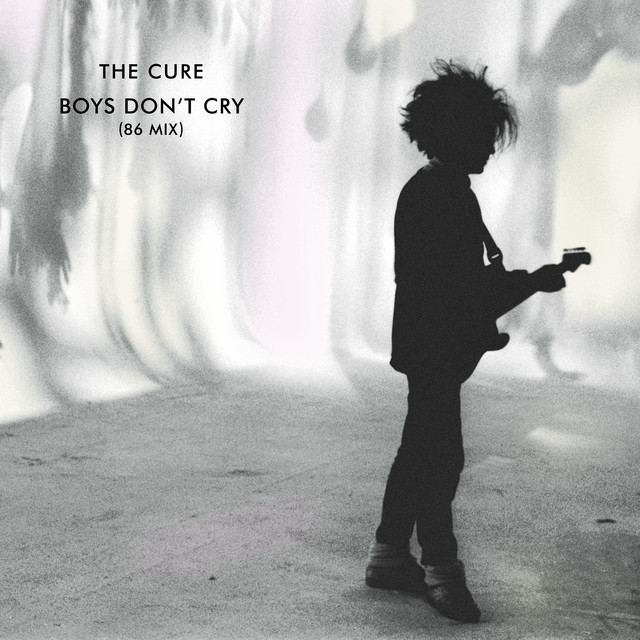
Boys Don’t Cry (86 Mix)
The Cure
Gothic Rock
Post-Punk
2024
3
/5
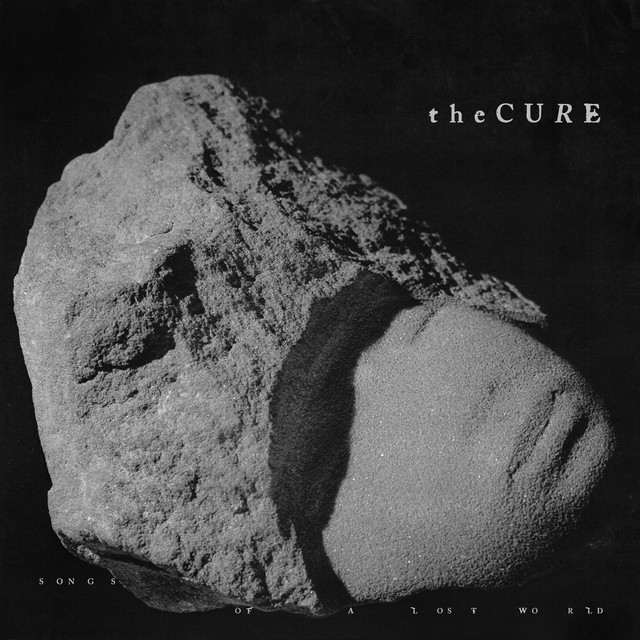
Songs of a Lost World
The Cure
Gothic Rock
Post-Punk
Post-Rock
2024
3
/5
Alone
The Cure
Gothic Rock
Alternative Rock
Dream Pop
2008
4:13 Dream
The Cure
Alternative Rock
Pop Rock
Post-Punk
2008
3
/5
Valentine Disaster (International Version)
The Cure
Gothic Rock
2004
The Cure
The Cure
Alternative Rock
Gothic Rock
Rock
2001
4
/5
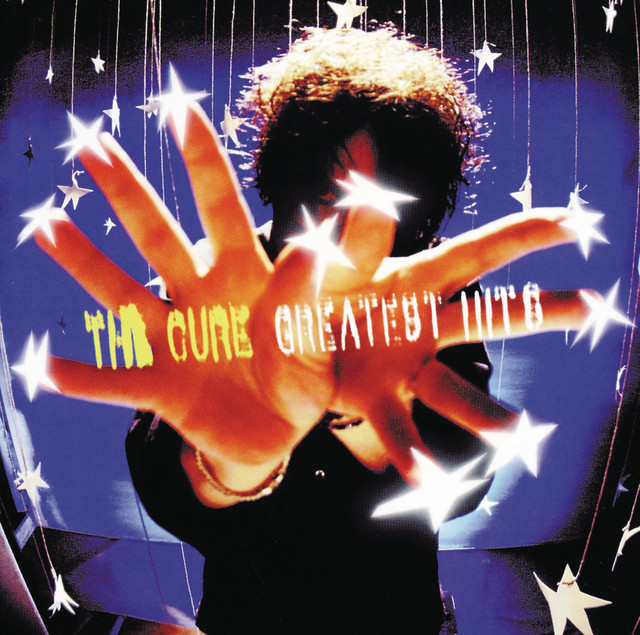
Greatest Hits
The Cure
Gothic Rock
Alternative
Alternative Rock
2000
Bloodflowers
The Cure
Alternative Rock
Gothic Rock
Rock
1996
Wild Mood Swings
The Cure
Alternative
Alternative Rock
Pop Rock
1992
4
/5
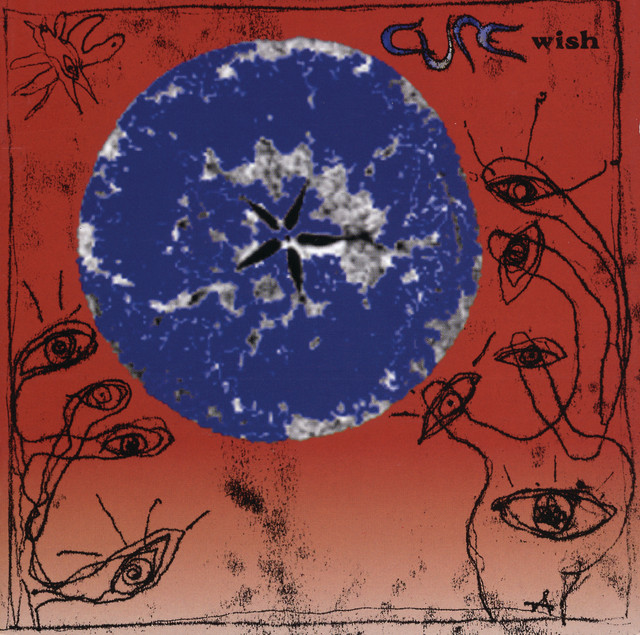
Wish
The Cure
Gothic Rock
Alternative Rock
Rock
1989
3
/5
Disintegration
The Cure
Computer Graphics
Film Gris
Police Procedural
1989
3
/5
Disintegration
The Cure
Animation
Animutation
Brickfilm
1989
3
/5
Disintegration
The Cure
Gothic Rock
Post-Punk
Punk
1987
Kiss Me Kiss Me Kiss Me
The Cure
Alternative Rock
New Wave
Rock
1985
4
/5
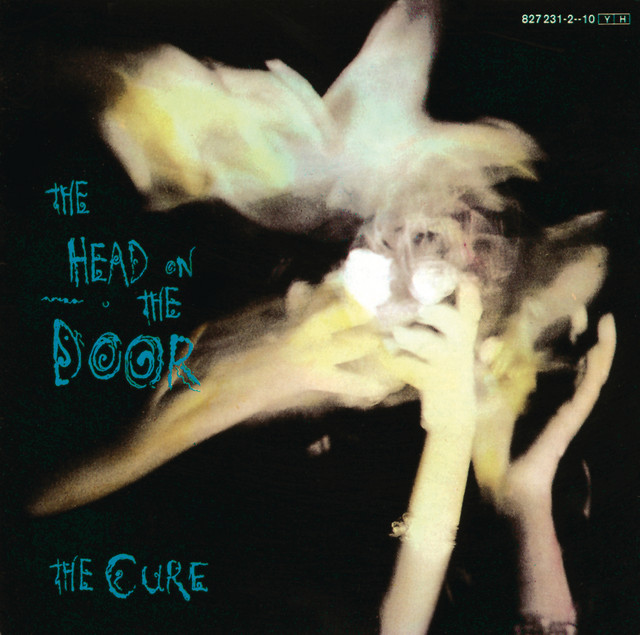
The Head On The Door (Remastered)
The Cure
Gothic Rock
Post-Punk
New Wave
1985
3
/5
The Head on the Door
The Cure
New Wave
Post-Punk
Alternative Rock
1984
The Top
The Cure
New Wave
Post-Punk
Rock
1983
4
/5
Japanese Whispers
The Cure
New Pop
1982
2
/5
Pornography
The Cure
Gothic Rock
Post-Punk
Punk
1981
3
/5
Faith
The Cure
Gothic Rock
Post-Punk
Alternative Rock
1980
3
/5
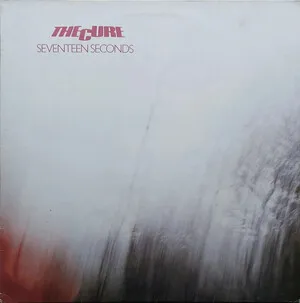
Seventeen Seconds
The Cure
Gothic Rock
New Wave
Post-Punk
1979
Three Imaginary Boys
The Cure
Alternative Rock
New Wave
Post-Punk
Disintegration
The Cure
Claymation
Disintegration
The Cure
Sadistic Horror
Similar artists
1
/5
Various Artists
Afro-Funk
Alternative Rock
Ambient
4
/5
Talking Heads
Art Punk
New Wave
Post-Punk
4
/5
Cocteau Twins
Dream Pop
Ethereal Wave
Rock
3
/5
Bauhaus
Dark Wave
Post-Punk
Gothic Rock
4
/5
Joy Division
Gothic Rock
Post-Punk
Madchester
5
/5
Fontaines D.C.
Post-Punk
Crank Wave
Rock
5
/5
David Bowie
Art Rock
Rock
Glam Rock
3
/5
Killing Joke
Industrial Rock
Industrial
Post-Punk
3
/5
The Fall
Post-Punk
New Wave
Rock
4
/5
Molchat Doma
Coldwave
Post-Punk
Gothic Rock
Download our mobile app
Get the Melodigging app and start digging for new genres on the go
Download on the App Store
Get it on Google Play
© 2026 Melodigging
Give feedback
Legal
Melodding was created as a tribute to
Every Noise at Once
, which inspired us to help curious minds keep digging into music's ever-evolving genres.