Genres
Artists
Albums
Make Music
Sign in
Sign in
Artists
Free Folk
Artists
Free Folk
Six Organs Of Admittance
2002–2024
·
10 albums
Listen
2
/5
Genres
Warm Drone
Warm drone is a microstyle of ambient/drone music that emphasizes soft, consonant, and enveloping sustained tones with a distinctly warm timbral character. Instead of the bleak or industrial textures often associated with classic drone, warm drone favors analog synth pads, bowed or layered guitars, organs and harmoniums, tape saturation, gentle hiss, and low‑noise field recordings. Harmonic movement is sparse and slow; micro-modulations, overtones, and gradual filtering provide the sense of motion rather than rhythm or melody. The result is an intimate, comforting soundfield that feels close, humane, and tactile—ideal for rest, reading, reflection, or late-night listening. It overlaps with modern sleep/meditation ambient but remains compositionally attentive to tone color, acoustic space, and long-form development.
Discover
Listen
New Isolationism
New isolationism is a contemporary strain of isolationist ambient and post-industrial minimalism that emerged in the 2010s, particularly around Scandinavian experimental labels and studios. It foregrounds intimate, close-mic’d sound, negative space, and a quiet-but-present noise floor; its pieces feel both internal and architectural, like rooms built from reverb tails, tape hiss, and soft electronics. Sonically, the style blends glacial drones, fragile chamber timbres (strings, organ, piano), lo‑fi electronics, and field recordings into stark, slow-evolving tableaux. Melodic information is sparse—often only a few tones or gestures—while rhythm is either absent or reduced to distant pulses, heartbeats, or mechanical cycles. Vocals, when they appear, are murmured, diaristic, or abstracted by pitch and time manipulation. Aesthetically, new isolationism is post‑internet and diaristic: it captures solitude, memory, and dislocation with a palette that feels personal yet estranged, drawing as much from contemporary gallery sound practice as from classic dark ambient.
Discover
Listen
Indie Folk
Indie folk blends the DIY ethos and sonic aesthetics of independent rock with the acoustic instrumentation, intimate storytelling, and melodic simplicity of traditional folk. Timbres are typically warm and organic—fingerpicked acoustic guitars, close-mic’d vocals, subtle percussion, and spare ornamentation from banjo, mandolin, harmonium, or strings. Production often favors natural room ambiance, tape hiss, and gentle compression over glossy polish, creating a sense of proximity and emotional candor. Lyrically, the style is reflective and poetic, focusing on personal narratives, place, nature, spirituality, and memory. Harmony tends to be diatonic and modal, with drones, open tunings, and layered vocal harmonies adding depth. While understated, arrangements can scale into lush, choir-like textures and chamber-folk swells, balancing fragility with grandeur.
Discover
Listen
Ambient Folk
Ambient folk blends the acoustic intimacy of folk with the spacious sound design of ambient music. Fingerpicked guitars, soft vocals, and organic instruments are layered with drones, reverb-drenched pads, and field recordings to create a hushed, immersive atmosphere. The style favors slow tempos, minimal percussion, and modal or diatonic harmonies, often allowing chords to ring while textures evolve gradually. The result is music that feels pastoral and introspective, equally suited to close listening and quiet, reflective spaces.
Discover
Listen
Drone Folk
Drone folk is a strand of experimental and acoustic folk in which sustained tones, open tunings, and modal repetition create a continuous sonic bed (a “drone”) around which melodies slowly evolve. Drawing on American Primitive guitar, raga-inspired modality, minimalist process, and psychedelic folk ambience, the style favors long-form pieces, subtle dynamic shifts, and rich overtones over conventional verse–chorus structures. Instruments are often acoustic (steel‑string guitar, lute, banjo, dulcimer), but bowed, prepared, or lightly amplified techniques—along with harmonium, shruti box, tanpura, and field recordings—are common, yielding a meditative, atmospheric character. Instead of harmonic motion through chord changes, drone folk focuses on a stable tonal center, micro-variations in fingerpicking patterns, and timbral detail. The result is a music that feels timeless and immersive: pastoral yet hypnotic, intimate yet expansive.
Discover
Listen
Free Folk
Free folk is an experimental strain of folk music that blends the acoustic timbres and modal melodies of traditional folk with the spontaneity of free improvisation, the textures of drone and noise, and an often lo‑fi, home‑recorded aesthetic. It favors collective, open‑ended forms over verse‑chorus songcraft and treats folk instruments as sources of sound exploration as much as tools for melody. Emerging from DIY and improv circles, free folk sessions often involve extended, slowly evolving pieces where banjo, fiddle, acoustic guitar, harmonium, flutes, hand percussion, and small electronics intertwine. Field recordings, room ambience, and tape hiss are typically embraced, producing an intimate, woodland or ritual atmosphere that feels both archaic and forward‑looking.
Discover
Listen
Drone Metal
Drone metal (often called drone doom) is an extreme, minimalist offshoot of doom metal that centers on sustained tones, monumental volume, and glacial tempos. Rather than relying on riffs or conventional grooves, it foregrounds long, vibrating chords, amplifier feedback, and the physical presence of sound itself. Its textures are typically cavernous and monochromatic, with guitars tuned very low, notes held for extended durations, and percussion either sparse or entirely absent. Vocals—if present—range from ritualistic chants to guttural growls or distant murmurs, often treated as another layer of texture rather than a narrative lead. The result is immersive and meditative, yet crushing: a music of weight, space, and resonance that emphasizes timbre and decay over melody and rhythm.
Discover
Listen
Drone Rock
Drone rock is a strand of experimental/psychedelic rock that foregrounds sustained tones, repetition, and gradual textural change over traditional song structures. It fuses the amplification and band format of rock with the long-form minimalism of drone and the heady atmospherics of psychedelia and space rock. Guitars (often in open tunings) are layered through distortion, feedback, and effects to create dense harmonic beds, while bass and drums may lock into hypnotic ostinatos or recede to leave a hovering, suspended feel. Where noise rock confronts and shoegaze blurs, drone rock stretches time: pieces can drift for many minutes, privileging timbre, overtones, and the psychoacoustic shimmer that emerges when sustained tones interact.
Discover
Listen
Lo-Fi
Lo-fi is a music aesthetic and genre defined by an embrace of audible imperfections—tape hiss, clipping, room noise, distorted transients, and uneven performance—that would be treated as errors in high-fidelity recording. Emerging from the DIY ethos of American indie and punk scenes, lo-fi turns budget constraints and home-recording limitations into a signature sound. Songs are often intimate, direct, and unvarnished, prioritizing immediacy and personality over polish. Typical lo-fi recordings use 4-track cassette or similarly modest setups, simple chord progressions, and understated vocals, spanning rock, folk, pop, and experimental approaches while retaining a homemade warmth and nostalgic patina.
Discover
Listen
Folk Rock
Folk rock is a fusion genre that blends the narrative lyricism, modal melodies, and acoustic timbres of traditional folk with the backbeat, amplification, and song structures of rock. It typically pairs acoustic or traditional instruments (acoustic guitar, mandolin, fiddle) with a rock rhythm section (electric guitar, bass, drums), often featuring chiming 12‑string guitar textures, close vocal harmonies, and socially conscious or storytelling lyrics. The result ranges from intimate, reflective ballads with a steady backbeat to more anthemic, roots‑driven rock. Emerging in the mid‑1960s through artists such as Bob Dylan and The Byrds, folk rock became a gateway for traditional and roots materials to enter mainstream popular music, and it seeded later movements from country rock and Americana to jangle pop and modern indie folk.
Discover
Listen
Psychedelic Rock
Psychedelic rock is a style of rock music that seeks to evoke, simulate, and expand altered states of consciousness through sound. It typically features timbral experimentation (fuzz, wah, tape delay, phasing), drones, modal or raga-influenced harmony, extended improvisation, studio-as-instrument production, and surreal, mystical, or mind-expanding lyrics. Emerging from mid-1960s counterculture, it fused garage-band energy with folk, blues, and non-Western musical ideas—especially Indian classical ragas—while embracing new studio technologies and concert light shows. Both a live and a studio art, psychedelic rock ranges from jangly, kaleidoscopic pop to heavy, hypnotic jams and cosmic soundscapes.
Discover
Listen
Psychedelic Folk
Psychedelic folk (often called acid folk or psych folk) blends the acoustic intimacy and modal harmony of traditional folk with the exploratory textures, surreal lyricism, and studio experimentation of psychedelic music. It typically favors acoustic guitars, hand percussion, flutes, drones (e.g., tambura or harmonium), and small acoustic instruments, while embracing effects such as reverb, delay, tape manipulation, field recordings, and unconventional song structures. Lyrics tend toward the pastoral, mystical, and dreamlike—drawing on folklore, nature, and visionary or inward-looking themes. Musically, it often uses modal melodies (Dorian, Mixolydian), drones, fingerstyle guitar in open tunings, and hypnotic ostinatos, creating a hazy, otherworldly atmosphere that sits between singer‑songwriter intimacy and psychedelic exploration.
Discover
Listen
Psychedelic
Psychedelic is an umbrella term for music that seeks to evoke, emulate, or accompany altered states of consciousness through sound, arrangement, and studio technique. It emphasizes timbral color, drones, modal harmony, surreal or mystical lyrics, and immersive production, often using tape manipulation, extended effects, and non‑Western instruments (notably from Indian classical traditions). The result ranges from delicate, dreamlike textures to dense, kaleidoscopic soundscapes intended to expand perception and dissolve conventional song form.
Discover
Listen
Rock
Rock is a broad family of popular music centered on amplified instruments, a strong backbeat, and song forms that foreground riffs, choruses, and anthemic hooks. Emerging from mid‑20th‑century American styles like rhythm & blues, country, and gospel-inflected rock and roll, rock quickly expanded in scope—absorbing folk, blues, and psychedelic ideas—while shaping global youth culture. Core sonic markers include electric guitar (often overdriven), electric bass, drum kit emphasizing beats 2 and 4, and emotive lead vocals. Rock songs commonly use verse–chorus structures, blues-derived harmony, and memorable melodic motifs, ranging from intimate ballads to high‑energy, stadium‑sized performances.
Discover
Listen
Experimental
Experimental music is an umbrella term for practices that prioritize exploration, process, and discovery over adherence to established genre norms. It embraces new sound sources, nonstandard tuning systems, indeterminacy and chance operations, graphic and open-form scores, extended techniques, and technology-led sound design (tape, electronics, computers, and live processing). Rather than a single style, it is a methodology and ethos: testing hypotheses about sound, structure, and performance, often blurring boundaries between composition, improvisation, sound art, and performance art. Listeners can expect unfamiliar timbres, unusual forms, and an emphasis on how music is made as much as the resulting sound.
Discover
Listen
Folk
Folk is a song-centered acoustic tradition rooted in community storytelling, everyday life, and social history. It emphasizes clear melodies, simple harmonies, and lyrics that foreground narrative, protest, and personal testimony. As a modern recorded genre, folk coalesced in the early-to-mid 20th century in the United States out of older ballad, work song, and rural dance traditions. It typically features acoustic instruments (guitar, banjo, fiddle, mandolin, harmonica), strophic song forms, and participatory singing (choruses, call-and-response).
Discover
Listen
Avant-Garde
Avant-garde music is an umbrella term for boundary-pushing practices that challenge prevailing norms of harmony, rhythm, timbre, form, and performance. It privileges experimentation, conceptual rigor, and a willingness to reframe what counts as music at all. Historically tied to early 20th‑century artistic modernism, avant-garde music introduced atonality, the emancipation of noise, and new forms of notation and process. It embraces indeterminacy, extended techniques, electronics, spatialization, and multimedia performance, treating sound as material to be sculpted, questioned, and reinvented.
Discover
Listen
Instrumental
Instrumental is music created and performed without sung lyrics, placing the expressive weight on melody, rhythm, harmony, and timbre produced by instruments. As an umbrella practice it appears in many cultures, but its modern identity cohered in Baroque-era Europe when purely instrumental forms such as the sonata, concerto, and dance suites began to flourish. Since then, instrumental thinking—developing motives, structuring form without text, and showcasing timbral contrast—has informed everything from orchestral music and solo piano repertoire to post-rock, film scores, and beat-driven electronic styles. Instrumental works can be intimate (solo or chamber) or expansive (full orchestra), narrative (programmatic) or abstract (absolute music). The absence of lyrics invites listeners to project imagery and emotion, making the style a natural fit for cinema, games, and contemplative listening.
Discover
Listen
Show all 18 genres
Albums
2024
1
/5
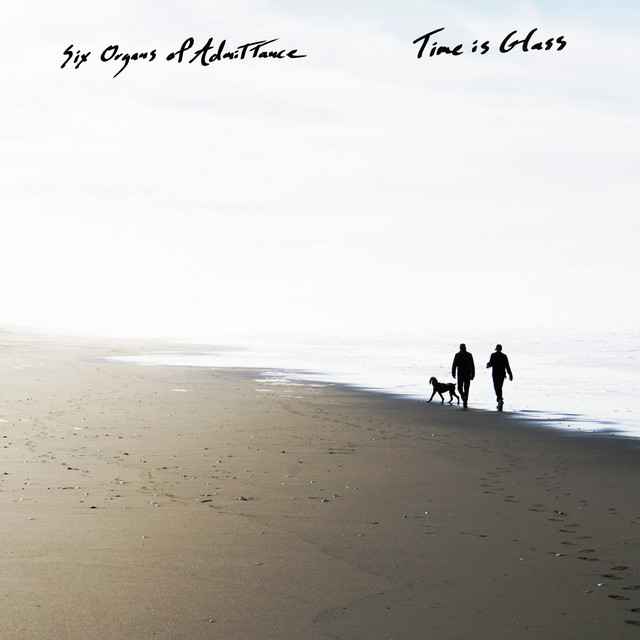
Time is Glass
Six Organs Of Admittance
Free Folk
2020
1
/5
Companion Rises
Six Organs Of Admittance
Free Folk
Experimental
Indie Folk
2017
1
/5
Burning the Threshold
Six Organs Of Admittance
Free Folk
Avant-Garde
Folk
2011
2
/5
Asleep On The Floodplain
Six Organs Of Admittance
Free Folk
Folk Rock
Psychedelic Rock
2006
1
/5
Split
Six Organs Of Admittance
Drone Rock
Free Folk
2006
2
/5
Bedouin’s Vigil / Assyrian Blood
OM
Drone Rock
2006
2
/5
The Sun Awakens
Six Organs Of Admittance
Free Folk
Folk
Folk Rock
2005
2
/5
School of the Flower
Six Organs Of Admittance
Free Folk
Drone Folk
Folk Rock
2005
2
/5
For Octavio Paz
Six Organs Of Admittance
Free Folk
Drone Folk
Folk Rock
2002
1
/5
Dark Noontide
Six Organs of Admittance
Free Folk
Folk Rock
Lo-Fi
Similar artists
4
/5
Mumford & Sons
Folk
Folk Rock
Modern Folk Rock
4
/5
Sufjan Stevens
Singer-Songwriter
Chamber Pop
Indie Rock
1
/5
Various Artists
Afro-Funk
Alternative Rock
Ambient
3
/5
Neutral Milk Hotel
Elephant 6
Indie Rock
Rock
4
/5
Gregory Alan Isakov
Stomp And Flutter
Folk
Stomp And Holler
4
/5
Lord Huron
Indie Folk
Stomp And Holler
Folk Rock
4
/5
The Lumineers
Stomp And Holler
Folk Pop
Indie Folk
4
/5
Big Thief
Small Room
Countrygaze
Indie Rock
4
/5
The Head And The Heart
Stomp And Holler
Folk
Folk Pop
2
/5
Hexvessel
New Weird Finland
Folk Rock
Psychedelic Rock
Download our mobile app
Get the Melodigging app and start digging for new genres on the go
Download on the App Store
Get it on Google Play
© 2026 Melodigging
Give feedback
Legal
Melodding was created as a tribute to
Every Noise at Once
, which inspired us to help curious minds keep digging into music's ever-evolving genres.