Genres
Artists
Albums
Make Music
Sign in
Sign in
Artists
Indie Folk
Artists
Indie Folk
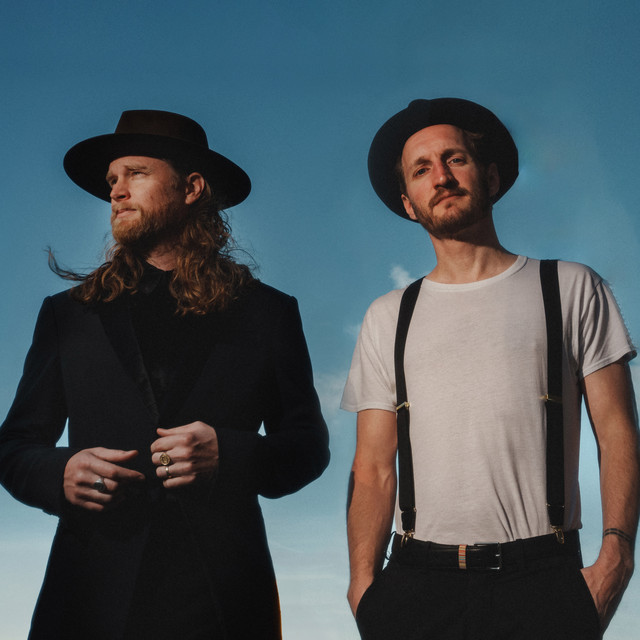
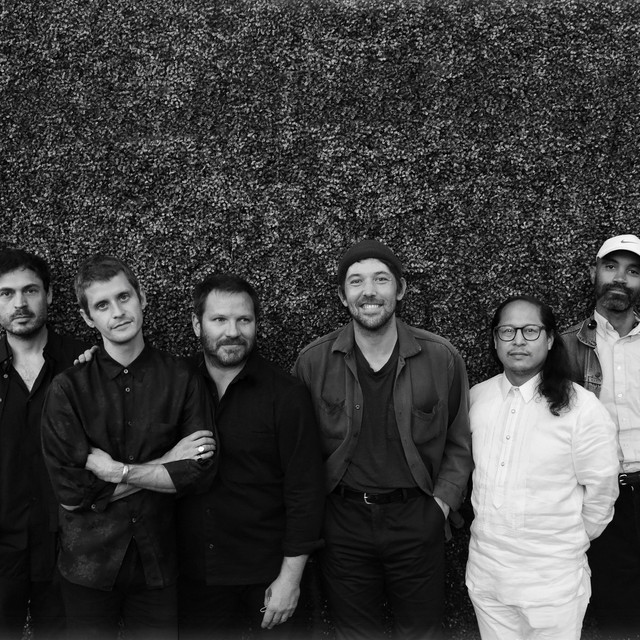
Lord Huron
2012–2025
·
7 albums
Listen
4
/5
Genres
Stomp And Holler
Stomp and holler is a modern folk/roots-leaning style marked by foot-stomping rhythms, handclaps, group vocal shouts, and anthemic, sing-along choruses. It blends the acoustic timbres of Americana and bluegrass with the immediacy of indie rock and pop songcraft. Typical arrangements feature acoustic guitar, banjo or mandolin, upright or floor-tom style percussion (often a kick-driven, four-on-the-floor pulse), and layered gang vocals that surge from hushed verses to cathartic, shoutable hooks. Harmonies are simple and diatonic, while lyrics favor earnest themes of resilience, community, travel, love, and self-discovery. The sound rose to mainstream prominence in the early 2010s through festival-ready bands whose performances emphasized communal energy—clapping, stomping, and call-and-response—bridging campfire intimacy and arena-scale uplift.
Discover
Listen
Acoustic Guitar Cover
Acoustic guitar cover is a contemporary practice of reinterpreting well‑known songs on a solo or prominently featured acoustic guitar, often as fully arranged instrumentals and sometimes with intimate, unplugged vocals. Built on fingerstyle and modern percussive techniques, performers weave a song’s melody, bass, and harmony into a single guitar part. The sound skews warm, spacious, and close‑mic’d—optimized for streaming, playlists, and social video. While rooted in older guitar traditions, its identity solidified in the streaming era as a calm, portable format for pop, rock, and film/TV themes. Today it serves multiple listening contexts—study, focus, weddings, coffeehouse ambience—and acts as a bridge between mainstream hits and guitar artistry.
Discover
Listen
Chill Pop
Chill pop is a contemporary pop micro‑genre that blends radio‑friendly songwriting with the mellow textures of chillout and lo‑fi aesthetics. It favors soft vocals, smooth synths, clean guitar plucks, understated bass, and relaxed, mid‑tempo grooves. Instead of big, bombastic hooks, chill pop tends toward intimate, conversational melodies and minimal, airy arrangements. Production often borrows from bedroom pop and alternative R&B—subtle trap hi‑hats, warm saturation, roomy reverbs, and gentle side‑chain compression—to create a breezy, pastel sound palette well suited to playlists and late‑night listening. Lyrically, chill pop is introspective and relatable: romance, longing, gentle optimism, and coming‑of‑age themes delivered in a plain‑spoken, whisper‑close tone. The result sits between indie pop’s understated cool and mainstream pop’s catchy structures, optimized for the streaming era’s mood‑driven consumption.
Discover
Listen
Indiecoustica
Indiecoustica blends the intimacy of acoustic singer‑songwriter traditions with the melodic sensibilities of indie pop and the organic warmth of indie folk. Typically centered on fingerpicked or lightly strummed acoustic guitar (often paired with piano, soft percussion, and stacked vocal harmonies), the style favors close‑mic'd vocals, gentle dynamics, and evocative, cinematic builds. Its songs are crafted for emotional immediacy and clarity, making the genre a frequent fit for sync placements in film, television, and branded content. Arrangements are spacious and textural rather than dense, using handclaps, stomps, shakers, glockenspiel, and subtle strings to add lift without overpowering the core acoustic performance.
Discover
Listen
Melancholia
Melancholia is an internet-era microgenre centered on soft-focus, sorrow-tinged pop and indie songs that foreground intimacy, space, and emotional candor. Tracks are typically slow to mid‑tempo, sung in a close, almost confessional register, and framed by sparse, reverb‑soaked textures. Sonically it lives between dream pop, bedroom pop, and slowcore: shimmering guitars or wistful synth pads drift over understated beats; piano, acoustic guitar, and low‑key electronic drums carry muted, pulsing grooves. Harmonies often favor minor keys, suspended chords, and gentle extensions (7ths/9ths) that heighten a bittersweet glow. Lyrically, melancholia lingers on solitude, late‑night self‑reflection, breakups, and fragile hope. The genre coalesced through streaming playlists and social media, where its hush, negative space, and diaristic tone translate into a cohesive, instantly recognizable mood.
Discover
Listen
Modern Indie Folk
Modern indie folk is a 2010s-era evolution of indie folk that blends intimate, acoustic songwriting with contemporary production aesthetics. It keeps the core of folk—storytelling, fingerpicked guitars, and close-miked vocals—but expands the palette with ambient textures, chamber-style strings, subtle electronics, cinematic reverb, and spacious, headphone-first mixes. The result is a sound that feels both handcrafted and atmospheric: confessional lyrics carried by hushed deliveries, layered harmonies, and warm analog or tape-like saturation, often moving between 4/4 and swaying 6/8/12/8 meters. At its center are themes of memory, nature, relationships, and quiet self-reckoning, expressed through vivid imagery and minimalist arrangements that bloom into emotive crescendos.
Discover
Listen
Neo R&b
Neo R&B is a modern evolution of contemporary R&B that blends classic soul vocal traditions with current hip-hop sensibilities and forward-looking electronic production. It typically features intimate, close-mic singing (often with melisma and layered harmonies), spacious mixes, and experimental textures drawn from electronic music, alternative pop, and modern hip-hop beat-making. Compared with earlier mainstream R&B, neo R&B often favors subtler hooks, mood-driven songwriting, and a “late-night” sonic palette built on deep bass, soft drums, and minimalist chord movement.
Discover
Listen
Northern Gothic
Northern gothic is a modern recontextualization of gothic sensibility rooted in the post‑industrial landscapes, politics, and culture of 21st‑century Northern England. It blends post‑punk austerity, industrial and dark ambient textures, hauntological memory work, and stark folk storytelling. The sound often evokes mills, moorland, sea ports, terraces, and cooling towers—spaces marked by deindustrialization—through tape patina, reverberant spaces, modular drones, and vernacular narratives. Compared with classic goth, it is less theatrical and more documentary or folkloric in tone, prioritizing regional specificity, minimalism, and social realism.
Discover
Listen
Sleep
Sleep is a functional music category designed to support falling asleep and sustaining restful, uninterrupted sleep. It favors extremely low stimulation: slow or absent pulse, very soft dynamics, long envelopes, and timbres that avoid sharp transients. Stylistically, it borrows from ambient and new-age traditions (drones, gentle pads, soft piano), environmental and field recordings (rain, waves, wind), and unobtrusive tonal fragments. Production emphasizes smooth spectral balance, minimal movement, and gradual change so the listener can disengage without sudden arousal. In the streaming era, “sleep” became a distinct, curated space: long-form tracks and continuous mixes, colored-noise beds, and sparse neoclassical motifs, optimized for bedtime routines, night-long playback, and bedroom acoustics.
Discover
Listen
Thall
Thall is a hyper-percussive, ultra–low-tuned offshoot of djent and progressive metal popularized by Sweden’s Vildhjarta. The style emphasizes tightly gated, staccato down‑picking; dissonant chord voicings; and lurching, polymetric grooves that drop into sudden rests and accents. Characteristic techniques include rapid release bends, stark contrasts between pitch‑shifted highs and subterranean lows, and the use of lush, reverb‑heavy ambient interludes to heighten tension and reset the ear before the next rhythmic assault. The result is a sound that feels both mechanical and cinematic—aggressive yet spacious.
Discover
Listen
Writing
Writing is a functional, streaming-era microgenre designed to support reading and writing by providing an unobtrusive sonic backdrop. It favors gentle dynamics, sparse textures, and a stable emotional temperature that reduces distraction while maintaining a subtle sense of flow. The sound palette commonly blends modern classical elements (felt piano, light strings), ambient pads and drones, soft post-rock guitars with long reverb tails, and understated downtempo or lo-fi rhythms. Tempos are typically slow to moderate (often 60–90 BPM) or pulse-free, with simple, repetitive motifs and gradual evolution rather than dramatic contrasts. Harmonically, it leans on consonant, slowly changing chords, modal centers, and extended triads for warmth, avoiding sharp dissonance or sudden modulations. Vocals, when present at all, are wordless; most tracks are instrumental to preserve focus.
Discover
Listen
Deep Indie Singer-Songwriter
Deep indie singer-songwriter is a micro-genre that spotlights intimate, hushed, and highly personal songwriting crafted outside the mainstream. It blends the confessional lyricism and acoustic focus of the classic singer-songwriter tradition with the understated aesthetics of indie and bedroom production. Arrangements are typically sparse—fingerpicked acoustic guitars, soft pianos, light strings, and subtle electronic atmospheres—so that breathy, close-miked vocals and storytelling take center stage. The overall feel is introspective and reflective, often leaning toward melancholy or tender warmth. Songs prize texture and space over flash, favoring gentle dynamics, slow-to-mid tempos, and an “up-close” emotional delivery that suits late-night listening, film/TV syncs, and reflective playlists.
Discover
Listen
The Wave
The Wave is a loosely defined cluster of American post-hardcore/emo bands that surged in the early 2010s as emo-pop’s mainstream moment faded. The name was a tongue‑in‑cheek scene tag that stuck in press coverage, but it points to a real overlap in sound, ethos, and touring networks. Musically, The Wave fuses the urgency of 1990s post‑hardcore and screamo with confessional, literate lyric writing associated with emo. Expect shouted or half‑sung/half‑spoken vocals, dynamic quiet‑loud builds, intricate but driving drums, and guitar textures that shift between glassy clean arpeggios and overdriven, emotive climaxes. The songs often emphasize catharsis, narrative detail, and community-minded DIY presentation.
Discover
Listen
Indie Triste
Indie triste ("sad indie") is a Spanish‑language micro‑scene of indie pop/folk that foregrounds intimate, melancholic songwriting and understated, bedroom‑made production. Its core sound blends soft acoustic guitars, gently pulsing rhythms, close‑mic’d vocals, and lo‑fi textures, often wrapped in reverb and tape‑like warmth. Thematically, the songs dwell on heartache, small‑town longing, fleeting youth, and late‑night introspection. While rooted in indie folk and singer‑songwriter traditions, the style embraces contemporary bedroom pop aesthetics and dream‑pop atmospheres, prioritizing mood and storytelling over virtuoso display.
Discover
Listen
New Americana
New Americana is a 2010s wave of roots-informed indie that blends the songwriting and instrumentation of classic Americana with the hooks and production polish of contemporary pop and alternative rock. It typically features acoustic guitars, banjo or mandolin accents, warm vocal harmonies, and organic percussion, while also embracing modern elements like atmospheric pads, tasteful compression, and stadium-ready choruses. Lyrically, it favors intimate storytelling about place, identity, love, and resilience, often delivered with an earnest, nostalgic tone that balances hope with a soft melancholy. What distinguishes New Americana from classic Americana and 1990s alt-country is its streaming-era sheen, crossover sensibility, and a tendency to fuse roots textures with indie pop structures and festival-sized dynamics.
Discover
Listen
Queer Country
Queer country is a contemporary movement within country and Americana that centers LGBTQ+ voices, stories, and aesthetics while keeping strong ties to classic country songwriting, instrumentation, and vocal styles. Musically, it often draws from traditional country, outlaw country, honky-tonk, and folk-country, but its defining feature is lyrical perspective: songs about queer love, gender expression, chosen family, rural/working-class life, and the tension between tradition and belonging. Rather than being a single fixed sound, queer country is best understood as a scene and cultural re-framing of country music—one that challenges the genre’s historic heteronormativity while celebrating its narrative power and community roots.
Discover
Listen
Indie Folk
Indie folk blends the DIY ethos and sonic aesthetics of independent rock with the acoustic instrumentation, intimate storytelling, and melodic simplicity of traditional folk. Timbres are typically warm and organic—fingerpicked acoustic guitars, close-mic’d vocals, subtle percussion, and spare ornamentation from banjo, mandolin, harmonium, or strings. Production often favors natural room ambiance, tape hiss, and gentle compression over glossy polish, creating a sense of proximity and emotional candor. Lyrically, the style is reflective and poetic, focusing on personal narratives, place, nature, spirituality, and memory. Harmony tends to be diatonic and modal, with drones, open tunings, and layered vocal harmonies adding depth. While understated, arrangements can scale into lush, choir-like textures and chamber-folk swells, balancing fragility with grandeur.
Discover
Listen
Indie Rock
Indie rock is a subgenre of rock and a branch of alternative rock that coalesced in the early–mid 1980s around independent labels and DIY practices in the United Kingdom, the United States, and New Zealand. Defined less by a single sound than by an ethos, indie rock favors non‑mainstream approaches, self‑recording and small‑label distribution, and an interest in pop‑informed melody and eclectic experimentation. Hallmarks include jangly or fuzzed guitars, intimate or deadpan vocals, off‑kilter song structures, and production that often preserves a raw, “authentic” feel rather than glossy studio polish.
Discover
Listen
Hip Hop
Hip hop is a cultural and musical movement that emerged from Black, Latino, and Caribbean communities, centering around rapping (MCing), DJing/turntablism, sampling-based production, and rhythmic speech over beats. It prioritizes groove, wordplay, and storytelling, often reflecting the social realities of urban life. Musically, hip hop is built on drum-centric rhythms (from breakbeats to 808 patterns), looped samples, and bass-forward mixes. Lyrically, it ranges from party anthems and braggadocio to political commentary and intricate poetic forms, with flow, cadence, and rhyme density as core expressive tools. Beyond music, hip hop encompasses a broader culture, historically intertwined with graffiti, b-boying/b-girling (breakdance), fashion, and street entrepreneurship, making it both an art form and a global social language.
Discover
Listen
Folk Rock
Folk rock is a fusion genre that blends the narrative lyricism, modal melodies, and acoustic timbres of traditional folk with the backbeat, amplification, and song structures of rock. It typically pairs acoustic or traditional instruments (acoustic guitar, mandolin, fiddle) with a rock rhythm section (electric guitar, bass, drums), often featuring chiming 12‑string guitar textures, close vocal harmonies, and socially conscious or storytelling lyrics. The result ranges from intimate, reflective ballads with a steady backbeat to more anthemic, roots‑driven rock. Emerging in the mid‑1960s through artists such as Bob Dylan and The Byrds, folk rock became a gateway for traditional and roots materials to enter mainstream popular music, and it seeded later movements from country rock and Americana to jangle pop and modern indie folk.
Discover
Listen
Singer-Songwriter
Singer-songwriter is a song-focused style in which the same person writes, composes, and performs their own material, often accompanying themselves on acoustic guitar or piano. It emphasizes personal voice, lyrical intimacy, and storytelling over elaborate production. Arrangements are typically sparse, allowing the melody, words, and performance nuance to carry the song’s emotional weight. While rooted in folk and blues traditions, singer-songwriter embraces pop and rock songcraft, producing works that can range from quiet confessional ballads to subtly orchestrated, radio-ready pieces.
Discover
Listen
Rock
Rock is a broad family of popular music centered on amplified instruments, a strong backbeat, and song forms that foreground riffs, choruses, and anthemic hooks. Emerging from mid‑20th‑century American styles like rhythm & blues, country, and gospel-inflected rock and roll, rock quickly expanded in scope—absorbing folk, blues, and psychedelic ideas—while shaping global youth culture. Core sonic markers include electric guitar (often overdriven), electric bass, drum kit emphasizing beats 2 and 4, and emotive lead vocals. Rock songs commonly use verse–chorus structures, blues-derived harmony, and memorable melodic motifs, ranging from intimate ballads to high‑energy, stadium‑sized performances.
Discover
Listen
Pop
Pop is a broad, hook-driven style of popular music designed for wide appeal. It emphasizes memorable melodies, concise song structures, polished vocals, and production intended for radio, charts, and mass media. While pop continually absorbs elements from other styles, its core remains singable choruses, accessible harmonies, and rhythmic clarity. Typical forms include verse–pre-chorus–chorus, frequent use of bridges and middle-eights, and ear-catching intros and outros. Pop is not defined by a single instrumentation. It flexibly incorporates acoustic and electric instruments, drum machines, synthesizers, and increasingly digital production techniques, always in service of the song and the hook.
Discover
Listen
Folk
Folk is a song-centered acoustic tradition rooted in community storytelling, everyday life, and social history. It emphasizes clear melodies, simple harmonies, and lyrics that foreground narrative, protest, and personal testimony. As a modern recorded genre, folk coalesced in the early-to-mid 20th century in the United States out of older ballad, work song, and rural dance traditions. It typically features acoustic instruments (guitar, banjo, fiddle, mandolin, harmonica), strophic song forms, and participatory singing (choruses, call-and-response).
Discover
Listen
Show all 24 genres
Albums
2025
4
/5
The Cosmic Selector Vol. 1
Lord Huron
Stomp And Holler
Folk Rock
2023
Music for The Starling Girl
Lord Huron & Ben Schneider
Deep Indie Singer-Songwriter
Post-Teen Pop
Writing
2021
Long Lost
Lord Huron
Folk
Rock
2018
Vide noir
Lord Huron
Rock
2015
5
/5
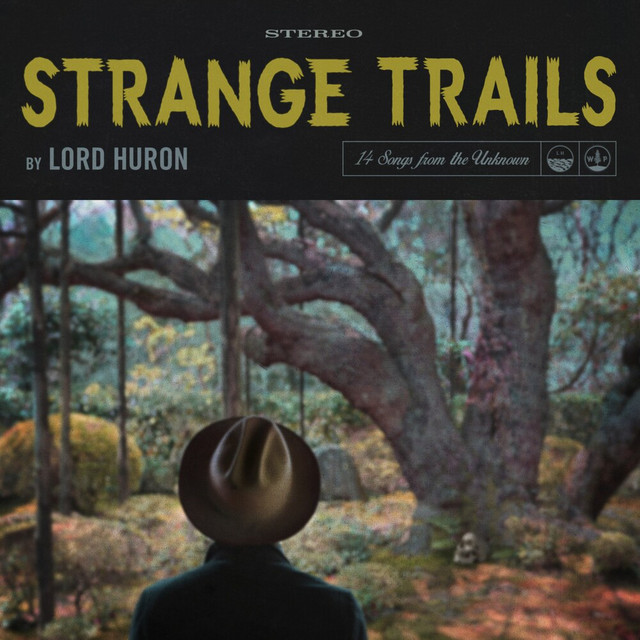
Strange Trails
Lord Huron
Stomp And Holler
Indie Folk
Folk Rock
2015
1
/5
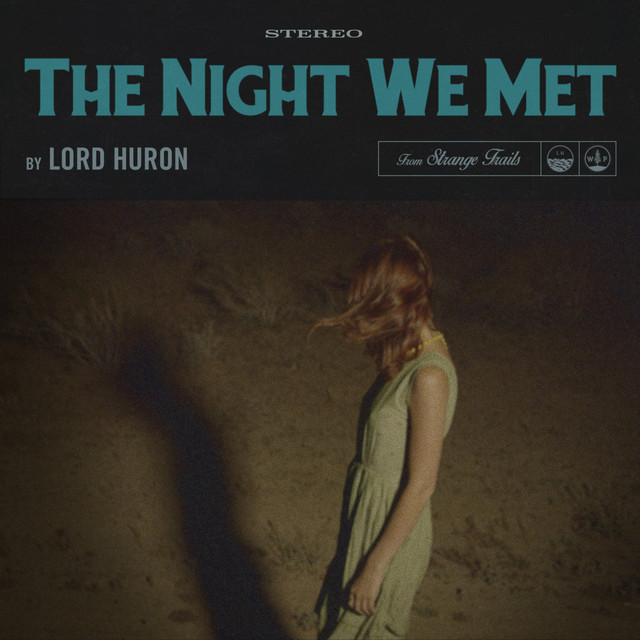
The Night We Met
Lord Huron
Stomp And Holler
Indie Folk
Folk Rock
2012
Lonesome Dreams
Lord Huron
Folk Rock
Indie Folk
Indie Rock
Similar artists
4
/5
Mumford & Sons
Folk
Folk Rock
Modern Folk Rock
4
/5
The Lumineers
Stomp And Holler
Folk Pop
Indie Folk
4
/5
Sufjan Stevens
Singer-Songwriter
Chamber Pop
Indie Rock
4
/5
Fleet Foxes
Folk
Indie Folk
Chamber Folk
4
/5
Father John Misty
Chamber Pop
Stomp And Holler
Folk Rock
4
/5
Of Monsters and Men
Folk Pop
Stomp And Holler
Indie Folk
4
/5
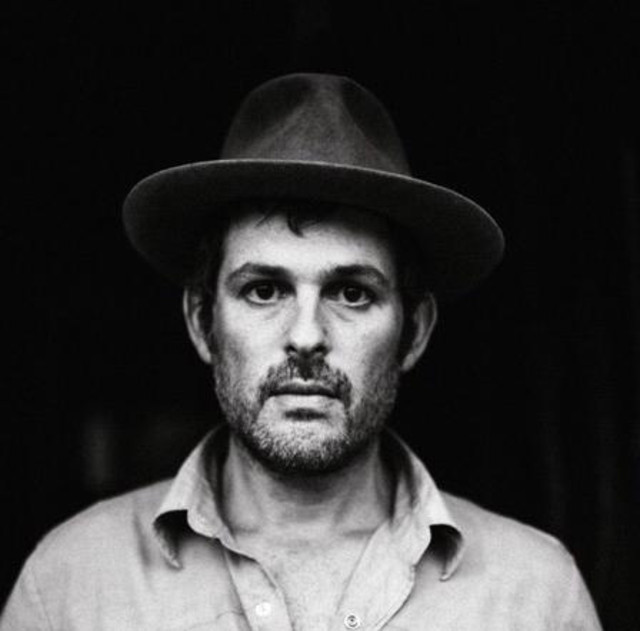
Gregory Alan Isakov
Stomp And Flutter
Folk
Stomp And Holler
4
/5
The Head And The Heart
Stomp And Holler
Folk
Folk Pop
4
/5
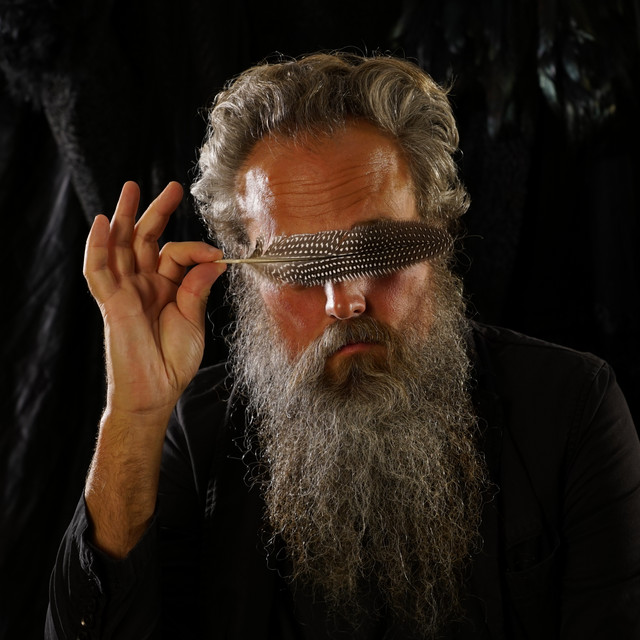
Iron & Wine
Acoustic Pop
Chamber Pop
Indie Folk
3
/5
Neutral Milk Hotel
Elephant 6
Indie Rock
Rock
Download our mobile app
Get the Melodigging app and start digging for new genres on the go
Download on the App Store
Get it on Google Play
© 2026 Melodigging
Give feedback
Legal
Melodding was created as a tribute to
Every Noise at Once
, which inspired us to help curious minds keep digging into music's ever-evolving genres.