Your digging level
Description
Deep indie singer-songwriter is a micro-genre that spotlights intimate, hushed, and highly personal songwriting crafted outside the mainstream.
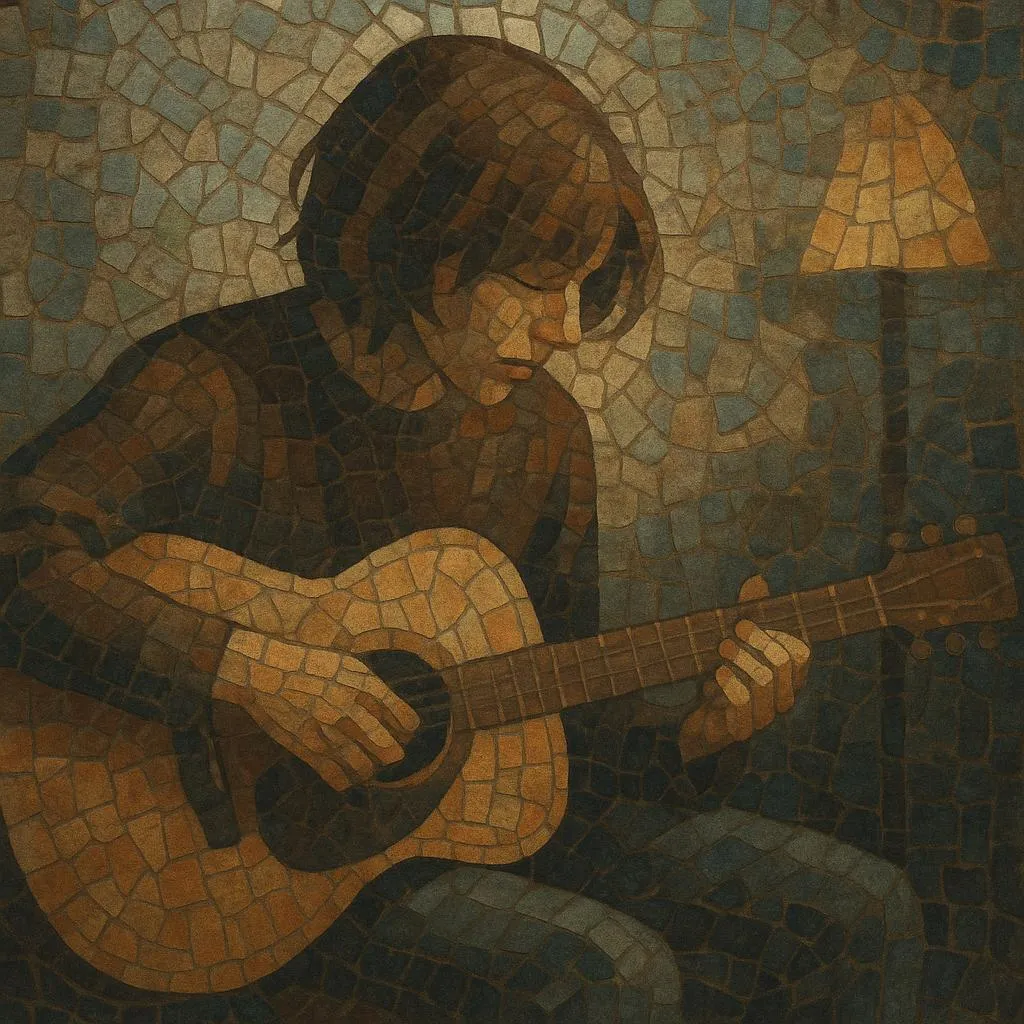
It blends the confessional lyricism and acoustic focus of the classic singer-songwriter tradition with the understated aesthetics of indie and bedroom production. Arrangements are typically sparse—fingerpicked acoustic guitars, soft pianos, light strings, and subtle electronic atmospheres—so that breathy, close-miked vocals and storytelling take center stage.
The overall feel is introspective and reflective, often leaning toward melancholy or tender warmth. Songs prize texture and space over flash, favoring gentle dynamics, slow-to-mid tempos, and an “up-close” emotional delivery that suits late-night listening, film/TV syncs, and reflective playlists.
History
The singer-songwriter lineage begins with the acoustic folk and confessional pop movements of the 1960s and 1970s, where solo voices and storytelling were foregrounded. Through the 1980s and 1990s, indie and college-rock cultures fostered a DIY approach, keeping intimate songwriting alive while loosening stylistic boundaries and production rules.
With the rise of indie folk and chamber-leaning pop in the 2000s, artists increasingly paired confessional writing with minimal, organic arrangements. Affordable home recording tools allowed more solo writers to track at home, emphasizing proximity and nuance in the vocal and acoustic instruments.
During the 2010s streaming era, algorithmic curation and editorial playlists began sorting granular moods and aesthetics. “Deep indie singer-songwriter” coalesced as a tag for the more introspective, softer, and less commercial side of indie songcraft—music suited to late-night, reflective listening and sync contexts. Production aesthetics emphasized close-miked vocals, gentle dynamics, and space.
The style remains a mainstay of reflective and cinematic playlists, with many artists working from bedrooms and small studios. Cross-pollination with ambient folk, lo-fi indie, and modern chamber textures continues, while the lyrical focus stays personal and evocative. The sound’s portability—light arrangements that travel well from laptop to stage—keeps the micro-genre vibrant for emerging voices.