Genres
Artists
Albums
Make Music
Sign in
Sign in
Artists
Chamber Music
Artists
Chamber Music
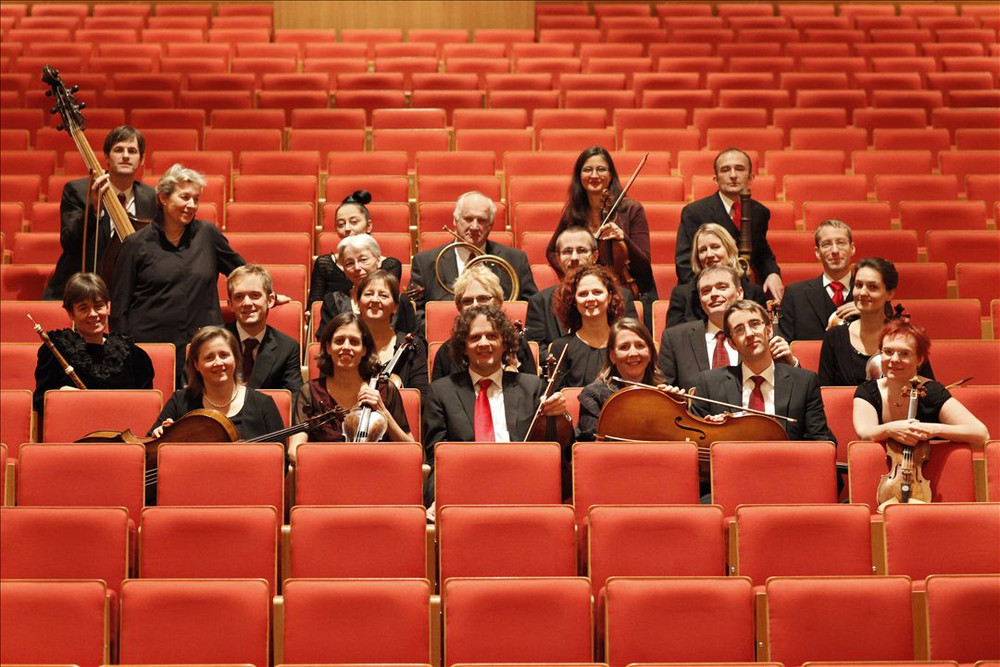
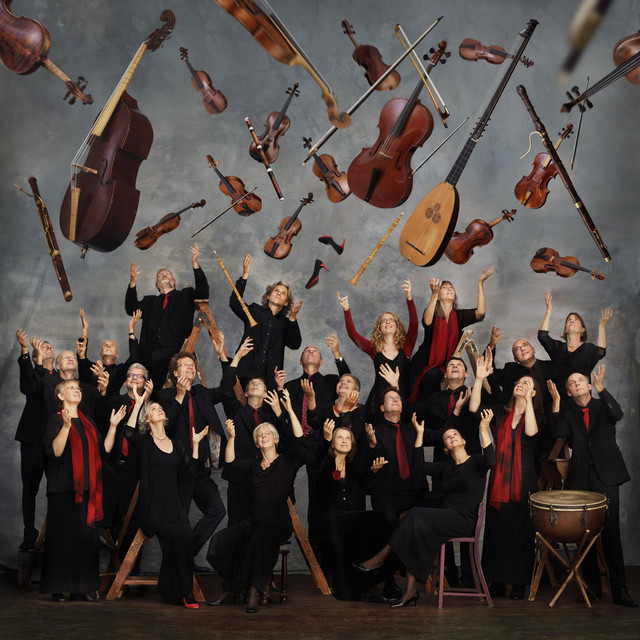
L'Orfeo Barockorchester
2002–2017
·
3 albums
Listen
2
/5
Genres
Barockinterpreten
Barockinterpreten (German for “Baroque interpreters”) is a performer-focused category within Western classical that centers on historically informed performances (HIP) of 17th–18th century Baroque repertoire. It emphasizes period instruments, historical tunings, and style-sensitive articulation and ornamentation. Typical recordings feature smaller, agile ensembles, vivid rhythmic profiles (often derived from courtly dances), and continuo-led textures. Tempi, articulation, and dynamics aim for rhetorical clarity, with vibrato treated as an expressive ornament rather than a constant. The result is an energetic, transparent, and dance-inflected sound that contrasts with the heavier, Romantic-influenced Baroque of the mid-20th century mainstream.
Discover
Listen
Classical Percussion
Classical percussion is the branch of Western art music centered on percussion instruments—both pitched (marimba, vibraphone, glockenspiel, timpani) and unpitched (snare drum, bass drum, cymbals, gongs, tom-toms, accessories, and found objects). It encompasses solo, chamber, and orchestral writing in which rhythm, timbre, and color are treated with the same structural importance traditionally given to melody and harmony. The genre ranges from austere, modernist soundscapes and stochastic textures to tightly interlocked minimalist grooves and lyrical marimba writing. Typical features include complex polyrhythms, timbral layering across wood/skin/metal families, extended techniques (bowed vibraphone or crotales, friction mallets, water gongs), spatialized setups, and virtuosic multi-mallet marimba technique.
Discover
Listen
Galante Era
The galante era (or galant style) describes a fashion in early‑ to mid‑18th‑century music that prized elegance, clarity, and immediately appealing melody. It arose as a reaction against the learned counterpoint and dense textures of late Baroque music, favoring tuneful, balanced phrases over intricate polyphony. Typical features include homophonic textures with a clear melody supported by simple chordal accompaniment (often Alberti‑bass figures), short antecedent–consequent phrases, regular cadences, diatonic harmony, and light, graceful ornamentation. The galant taste spread quickly through opera, instrumental chamber music, and the nascent symphony, forming a crucial bridge between the late Baroque and the Classical style of Haydn and Mozart.
Discover
Listen
Chamber Music
Chamber music is a tradition of composed music for small ensembles—typically one player per part—intended for intimate spaces such as courts, salons, and private rooms rather than large public halls. Its aesthetic emphasizes clarity of texture, conversational interplay among parts, and balance without a conductor. Hallmark formations include the string quartet, piano trio, wind quintet, string quintet, and various mixed ensembles. Multi‑movement cycles (often in sonata form) and finely wrought counterpoint are common, ranging from Baroque trio sonatas to Classical string quartets and modern works with expanded timbres and techniques. Because of its scale and transparency, chamber music has long been a proving ground for compositional craft and ensemble musicianship, shaping the core of Western art music from the Baroque through the present.
Discover
Listen
Orchestral
Orchestral music refers to compositions written for an orchestra—a large ensemble typically built around a string section (violins, violas, cellos, double basses), complemented by woodwinds, brass, percussion, and often harp, keyboard, or other auxiliary instruments. A conductor coordinates the ensemble, shaping balance, phrasing, and expression. The style emphasizes coloristic timbre combinations, dynamic range from the softest pianissimo to explosive tuttis, and textures that can shift seamlessly between transparent chamber-like writing and monumental masses of sound. Orchestral writing underpins concert genres such as symphonies, overtures, and tone poems, as well as opera, ballet, and modern film and game scores. While orchestral writing evolved across centuries, its core craft centers on melody, counterpoint, harmony, register, and orchestration—the art of assigning musical ideas to instruments to achieve clarity, contrast, and narrative impact.
Discover
Listen
Baroque Ensemble
Baroque ensemble refers to groups performing instrumental and vocal music from the Baroque era using the ensemble formats of the time—string bands with continuo, mixed winds and brass, and, at larger scale, early orchestras. It foregrounds basso continuo (harpsichord, organ, theorbo, cello/violone) supporting melody instruments (violins, violas, oboes, recorders, trumpets, flutes) in forms such as trio sonatas, dance suites, concerti grossi, overtures, and early symphonies. In contemporary usage, the term often implies historically informed approaches: period or replica instruments with gut strings, natural trumpets and horns, Baroque bows, and performance practices like ornamentation, notes inégales, overdotting, and rhetorical phrasing. The sound is clear, articulate, and texturally transparent, with terraced dynamics and continuo-driven harmony that emphasizes affect and musical rhetoric.
Discover
Listen
Albums
2017
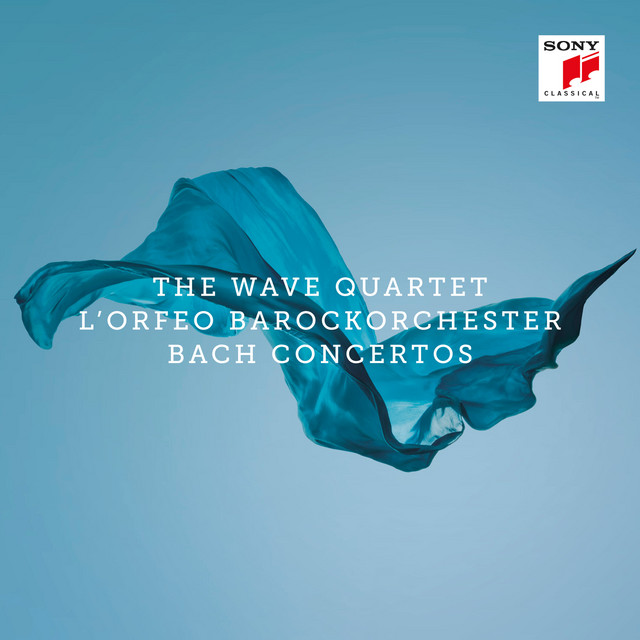
Bach Concertos
Johann Sebastian Bach, The Wave Quartet, L'Orfeo Barockorchester, Michi Gaigg
Classical Percussion
2007
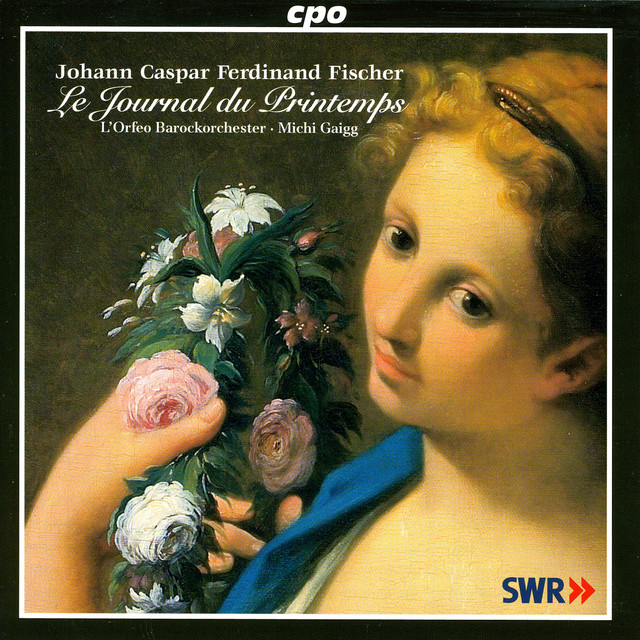
Fischer: Journal Du Printemps (Le)
Johann Caspar Ferdinand Fischer, L'Orfeo Barockorchester
Barockinterpreten
Baroque Ensemble
2002
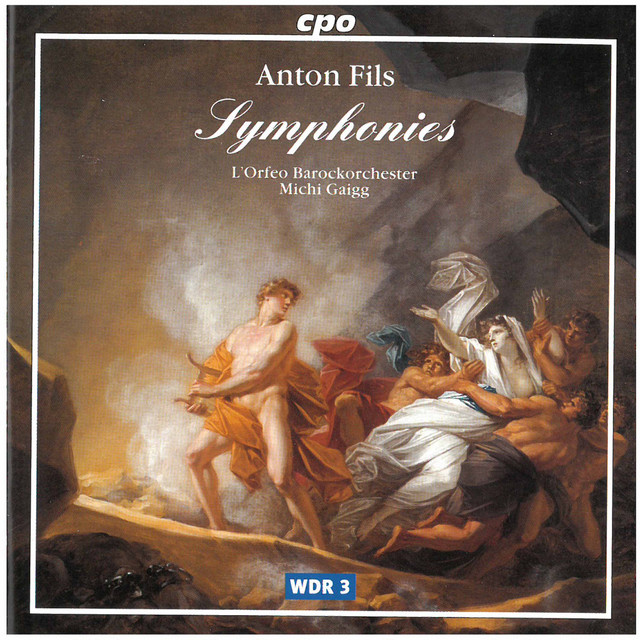
Fils: Symphonies
Anton Fils, Michi Gaigg, L'Orfeo Barockorchester
Galante Era
Similar artists
4
/5
Johann Sebastian Bach
Baroque
Classical
Baroque Suite
4
/5
Wolfgang Amadeus Mozart
Classical
Requiem
Classical Period
4
/5
Academy of St. Martin in the Fields
Baroque
Classical
Classical Performance
3
/5
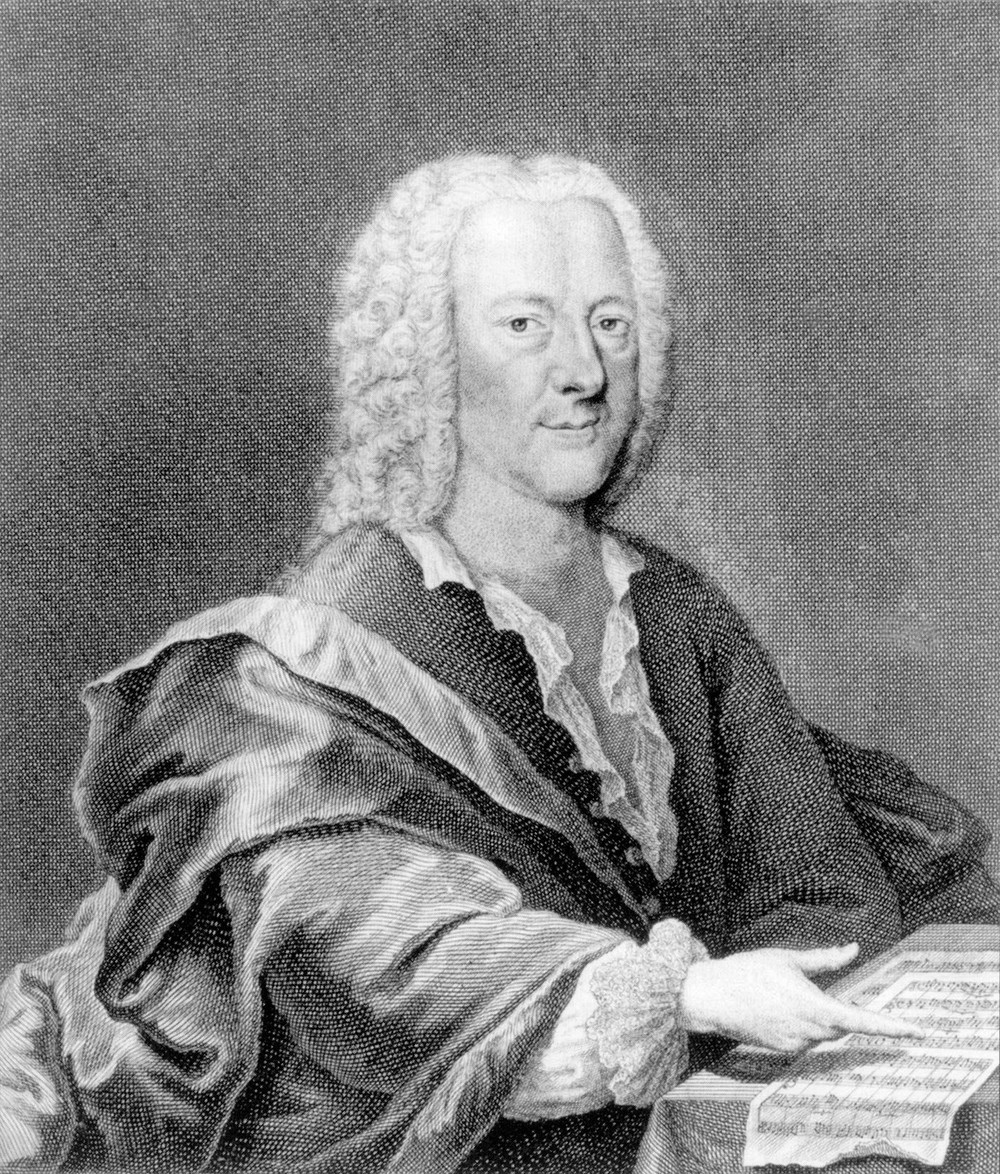
Georg Philipp Telemann
Baroque Woodwind
Fantasia
Recorder
2
/5
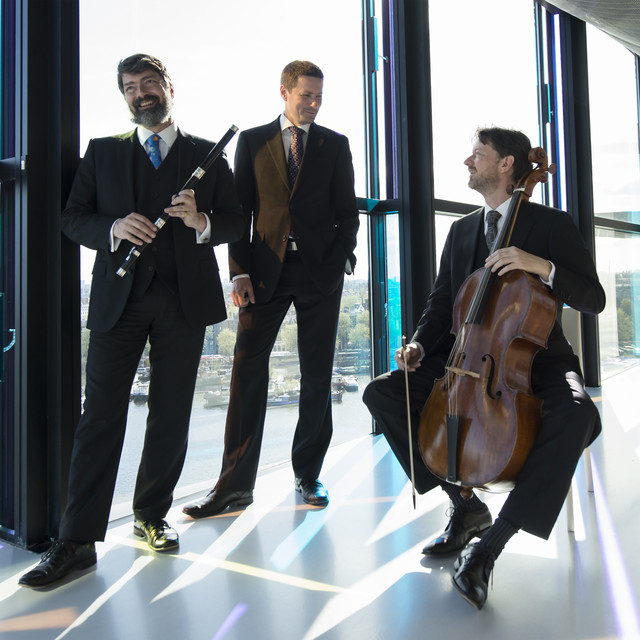
Michi Gaigg
Chamber Music
Barockinterpreten
Classical Percussion
2
/5
Musica ad Rhenum
Baroque
Chamber Music
Concerto
1
/5
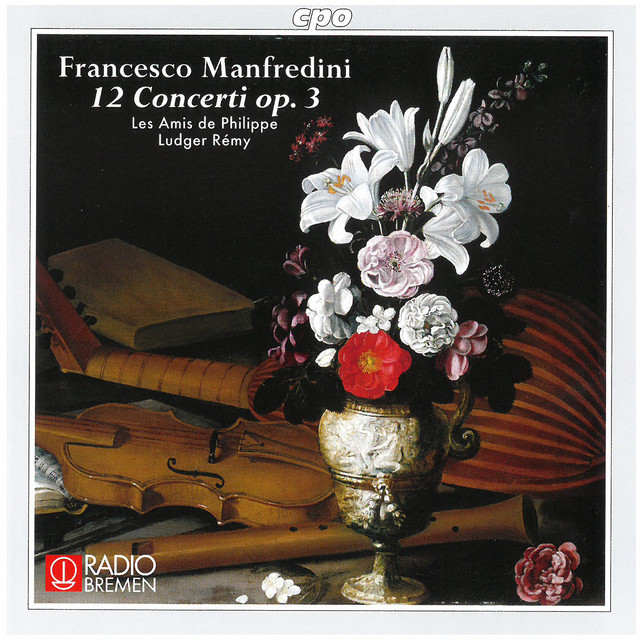
Les Amis de Philippe
Chamber Music
Barockinterpreten
Baroque Ensemble
3
/5
Akademie für Alte Musik Berlin
Baroque
Classical
Opera
2
/5
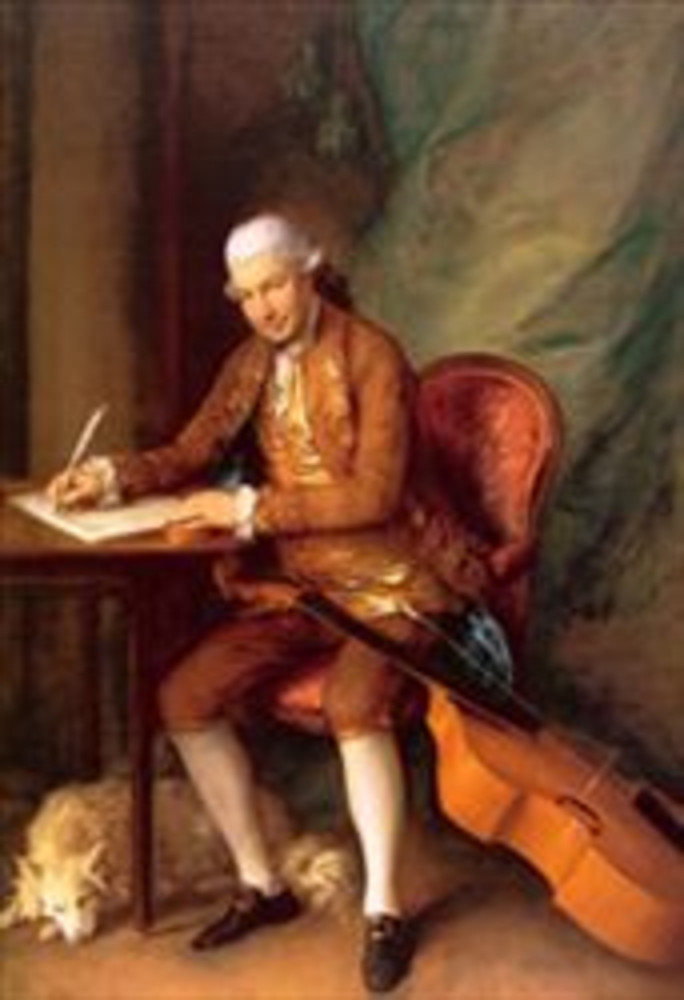
Carl Friedrich Abel
Classical
Viola Da Gamba
Barockinterpreten
4
/5
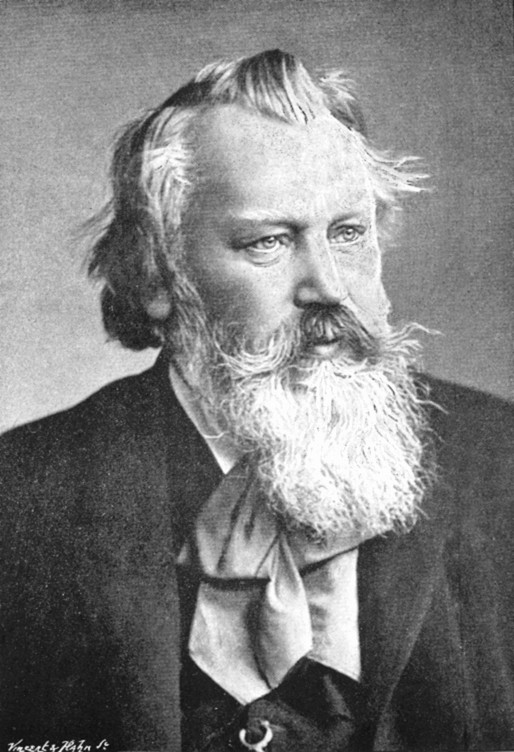
Johannes Brahms
Classical Clarinet
Classical Piano Quartet
Concerto
Download our mobile app
Get the Melodigging app and start digging for new genres on the go
Download on the App Store
Get it on Google Play
© 2026 Melodigging
Give feedback
Legal
Melodding was created as a tribute to
Every Noise at Once
, which inspired us to help curious minds keep digging into music's ever-evolving genres.