Your digging level
Description
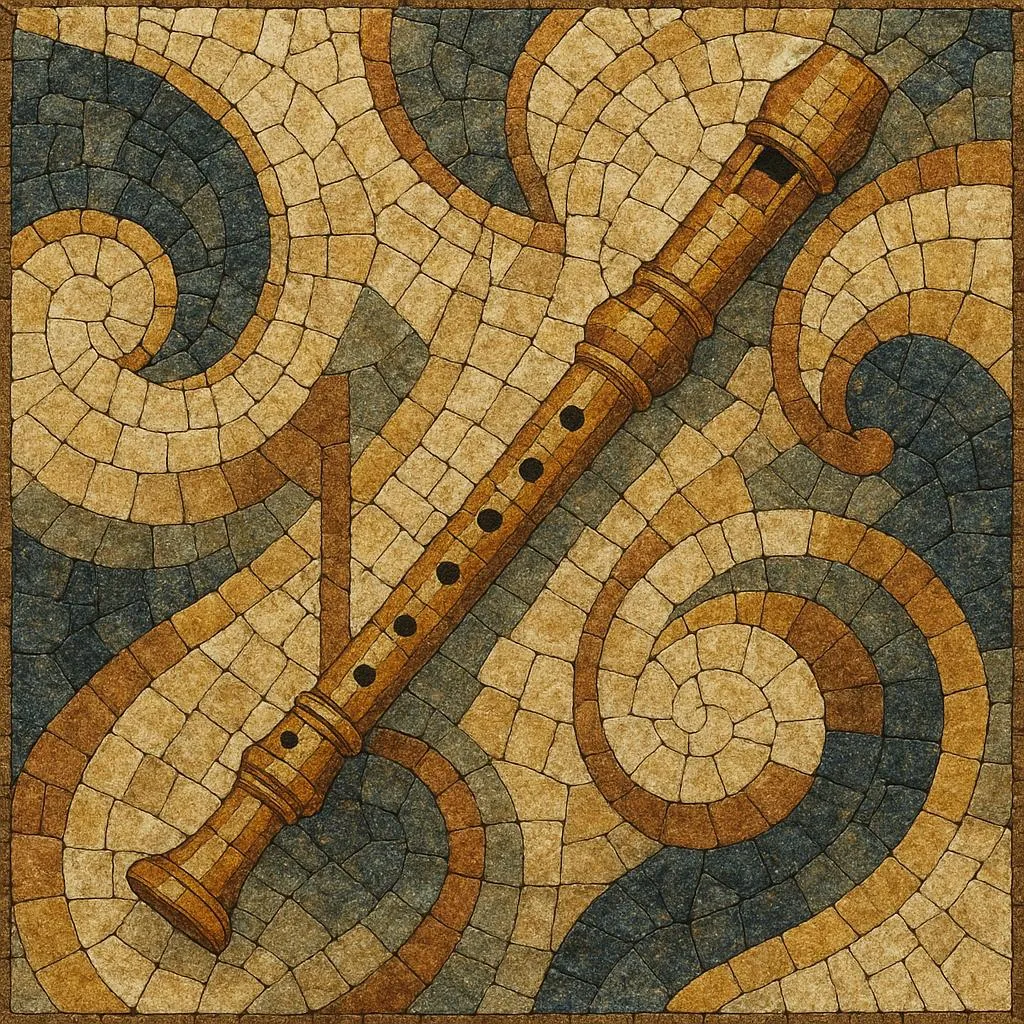
Recorder is a family of end-blown fipple flutes (sopranino, soprano, alto/treble, tenor, bass and beyond) prized for their pure, flexible tone and agile articulation. Readily identifiable by a whistle-like mouthpiece and finger holes (with forked fingerings for chromatic notes), the instrument can sound intimate and speech-like or bright and penetrating, depending on size and technique.
As a repertory tag, “recorder” centers on music written for or featuring the recorder across Renaissance and Baroque traditions, as well as 20th–21st century revivals. It spans solo fantasias and sonatas, concerti with basso continuo or orchestra, chamber consort music, and contemporary works using extended techniques. Historically informed performance practice is common, but modern composers also exploit the instrument’s unique colors in new idioms.
History
Recorders appear in Europe by the 14th century and become widely cultivated in the Renaissance. The instrument’s clear, voice-like tone made it ideal for consorts (families of different sizes playing together), dance music, and idiomatic solo pieces. Renaissance composers exploited modal harmony and imitative counterpoint, with recorder consorts mirroring vocal polyphony and courtly dance suites.
In the 17th and early 18th centuries, the recorder reached a virtuosic zenith. Composers across German, Italian, English, and French spheres wrote sonatas, suites, and concerti that highlighted fast passagework, expressive ornamentation, and flexible articulation. The alto (treble) recorder in F became the principal solo voice, partnered with basso continuo (harpsichord/organ, theorbo, cello/violone). Dance forms (allemande, courante, sarabande, gigue), French overtures, and Italian sonatas framed much of the repertoire.
As the Classical era favored the transverse flute and evolving orchestral tastes, the recorder receded from mainstream art music. It survived in folk traditions and pedagogy until a scholarly and performance-based revival in the 20th century. Pioneers of historical performance rebuilt technique, instruments, and style, inspiring new composers to write for the recorder again. Contemporary works now range from neo-Baroque idioms to avant-garde explorations with multiphonics, microtones, electronics, and theatrical performance.
The recorder thrives in early-music ensembles and as a modern concert instrument. Conservatories train specialists; luthiers craft historically modeled and contemporary instruments; and the instrument’s presence in education continues to seed new audiences and practitioners worldwide.