Genres
Artists
Albums
Make Music
Sign in
Sign in
Artists
Fantasia
Artists
Fantasia
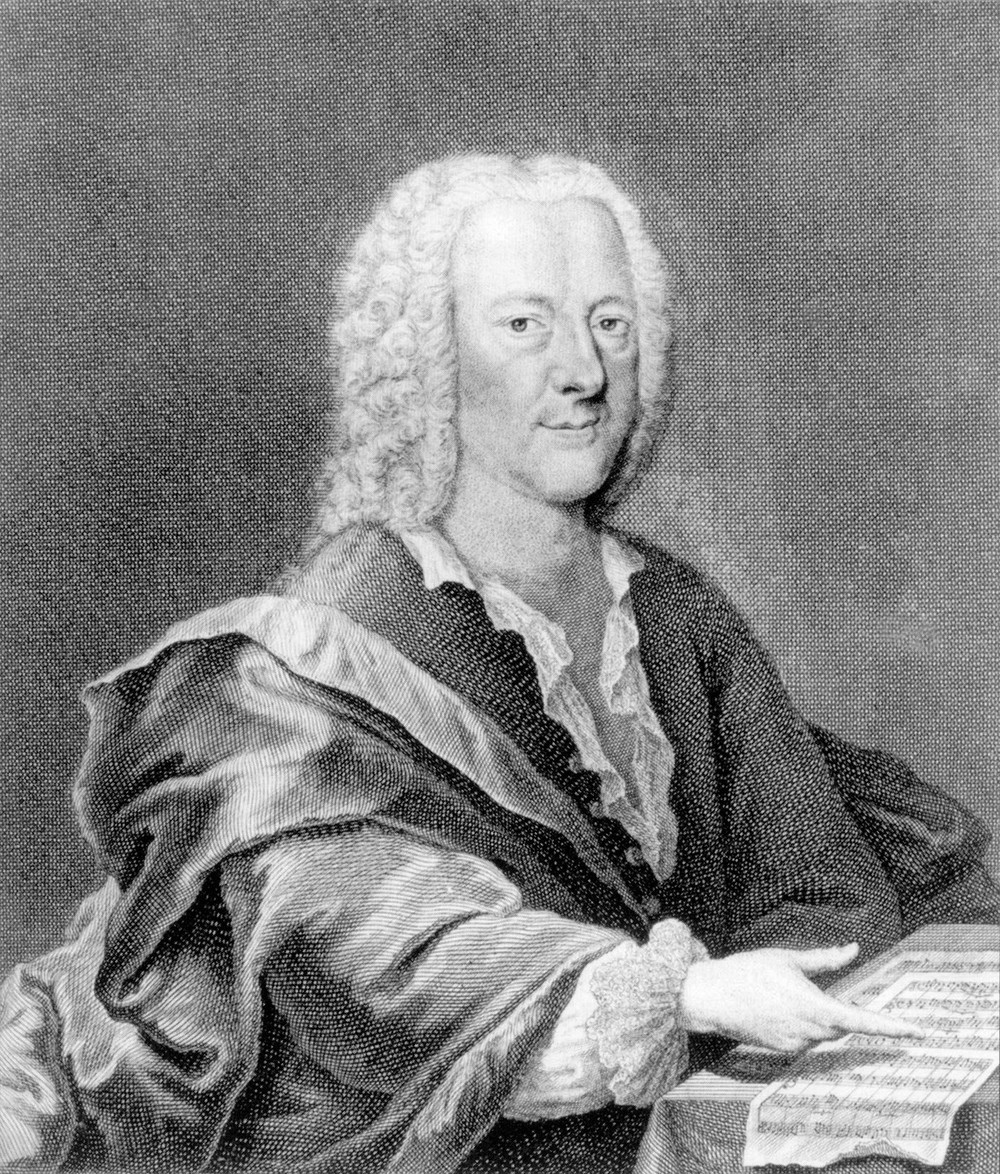
Georg Philipp Telemann
1978–2021
·
7 albums
Listen
3
/5
Genres
Opera Semiseria
Opera semiseria is an Italian operatic subgenre that blends the elevated, noble tone of opera seria with the lively wit and stock comic figures of opera buffa. Its stories often revolve around pastoral or small-town settings, endangered innocence, sudden reversals of fortune, and a rescue or reconciliation that leads to a happy ending (lieto fine). Musically, it sits within the late Classical and early Romantic bel canto idiom: graceful cantabile melodies, virtuosic cabalettas, buoyant ensembles, and theatrically charged finales are typical. A hallmark is the coexistence of a noble soprano or tenor with a basso buffo (comic bass), allowing serious pathos and comic relief to interweave within the same drama.
Discover
Listen
Polonaise
The polonaise is a stately Polish processional dance and musical form in triple meter whose name (from the French “polonaise,” meaning “Polish”) reflects its courtly origins. It is characterized by a noble, walking gait; strong emphasis on the first beat; and a hallmark rhythmic cell often rendered as an upbeat followed by a dotted or two‑sixteenth pattern within 3/4 time. Emerging from earlier Polish walking dances (chodzony), the polonaise became a prominent court and ballroom dance across Europe in the 18th century and, in the 19th century, a stylized pianistic and orchestral genre. In Poland, it carries strong cultural associations with national identity, ceremony, and patriotic expression, famously elevated by Chopin.
Discover
Listen
Baroque
Baroque is a period and style of Western art music spanning roughly 1600–1750. It is characterized by the birth of functional tonality, the widespread use of basso continuo (figured bass), and a love of contrast—between soloist and ensemble, loud and soft, and different timbres. Hallmark genres and forms of the era include opera, cantata, oratorio, concerto (especially the concerto grosso), dance suite, sonata, and fugue. Textures range from expressive monody to intricate counterpoint, and melodies are richly ornamented with trills, mordents, and appoggiaturas. Baroque music flourished in churches, courts, and theaters across Europe, with regional styles (Italian, French, German, English) shaping distinctive approaches to rhythm, dance, harmony, and ornamentation.
Discover
Listen
Opera
Opera is a large-scale theatrical genre that combines music, drama, and visual spectacle, in which the story is primarily conveyed through singing accompanied by an orchestra. It unites solo voices, ensembles, and chorus with staging, costumes, and often dance to create a total artwork. Emerging in late Renaissance Italy and flourishing in the Baroque era, opera developed signature forms such as recitative (speech-like singing that advances the plot) and aria (lyrical numbers that explore character and emotion). Over the centuries it evolved diverse national styles—Italian bel canto, French grand opéra, German music drama—while continually experimenting with orchestration, harmony, narrative structure, and stagecraft.
Discover
Listen
Fantasia
Fantasia (or fantasy/fantasie) is a classical composition type defined by an improvisatory character, flexible form, and the free development of one or more motives. Unlike strict dance forms or fugues, a fantasia typically privileges invention, dramatic contrast, and rhapsodic flow over predetermined structures. Emerging in the Renaissance with vihuela, lute, viol consort, and keyboard repertories, the fantasia evolved through the Baroque (notably on harpsichord and organ) and was later adopted by Classical and Romantic composers for piano and orchestra. Across eras, common threads include sectional design, sudden textural changes, imitative counterpoint, and exploration of harmony from modal to chromatic languages.
Discover
Listen
Classical
Classical music is the notated art-music tradition of Europe and its global descendants, characterized by durable forms, carefully codified harmony and counterpoint, and a literate score-based practice. The term “classical” can refer broadly to the entire Western art-music lineage from the Medieval era to today, not just the Classical period (c. 1750s–1820s). It privileges long-form structures (such as symphonies, sonatas, concertos, masses, and operas), functional or modal harmony, thematic development, and timbral nuance across ensembles ranging from solo instruments to full orchestras and choirs. Across centuries, the style evolved from chant and modal polyphony to tonal harmony, and later to post-tonal idioms, while maintaining a shared emphasis on written notation, performance practice, and craft.
Discover
Listen
Albums
2021
1
/5
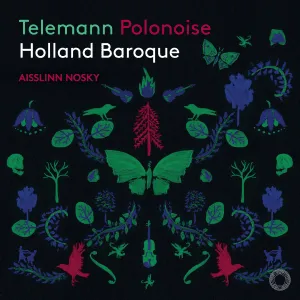
Telemann Polonoise
Georg Philipp Telemann / Holland Baroque / Aisslinn Nosky
Polonaise
2016
1
/5
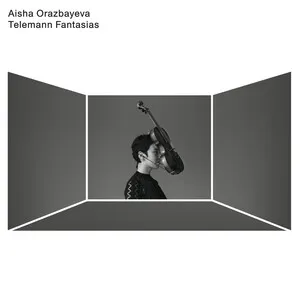
Telemann Fantasias
Georg Philipp Telemann / Aisha Orazbayeva
Fantasia
2016
1
/5
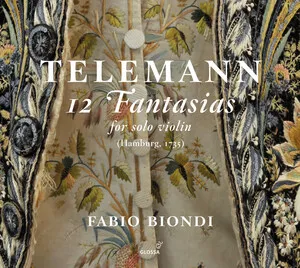
12 Fantasias for Solo Violin
Georg Philipp Telemann / Fabio Biondi
Fantasia
1995
1
/5
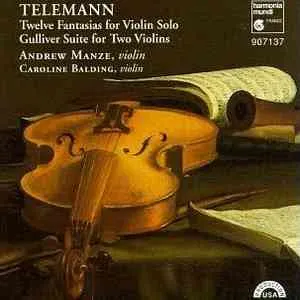
Twelve Fantasias for Violin Solo; Gulliver Suite for Two Violins
Georg Philipp Telemann / Andrew Manze / Caroline Balding
Fantasia
1992
1
/5
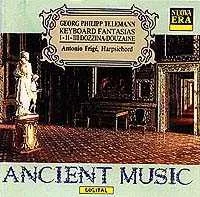
Keyboard Fantasias
Antonio Frigé
Fantasia
1978
1
/5
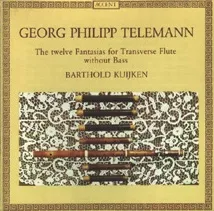
The Twelve Fantasias for Transverse Flute Without Bass
Georg Philipp Telemann / Barthold Kuijken
Fantasia
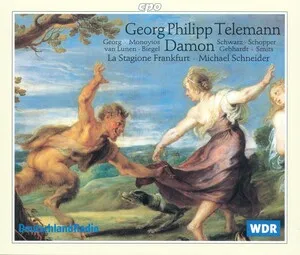
Damon
Georg Philipp Telemann
Opera Semiseria
Similar artists
3
/5
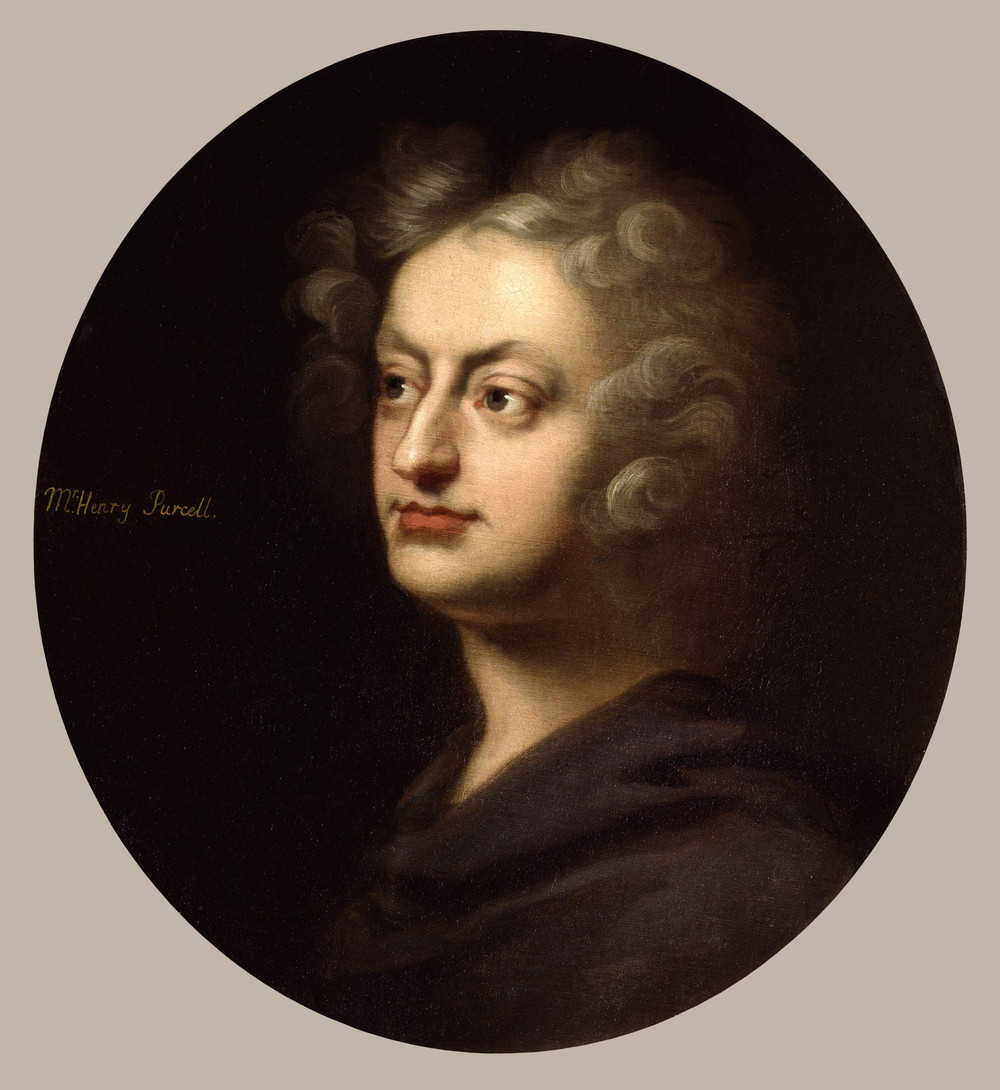
Henry Purcell
Classical
Fantasia
Baroque
3
/5
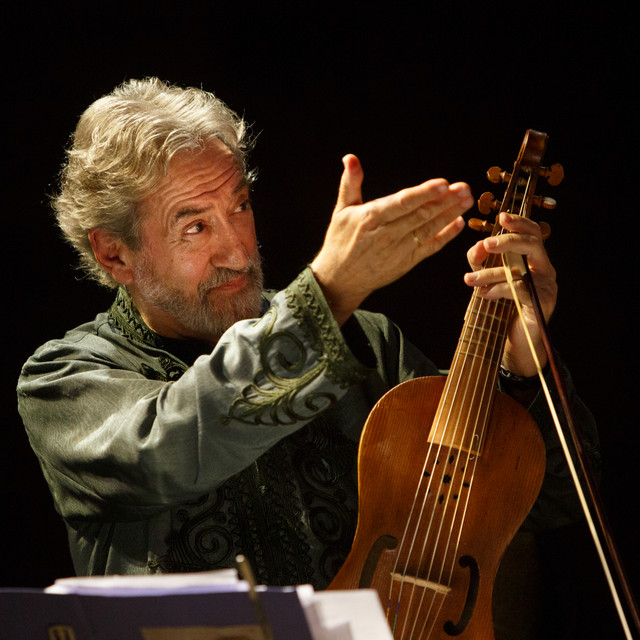
Jordi Savall
Renaissance
Baroque
Classical
4
/5
English Chamber Orchestra
Classical
Baroque
Chamber Music
3
/5
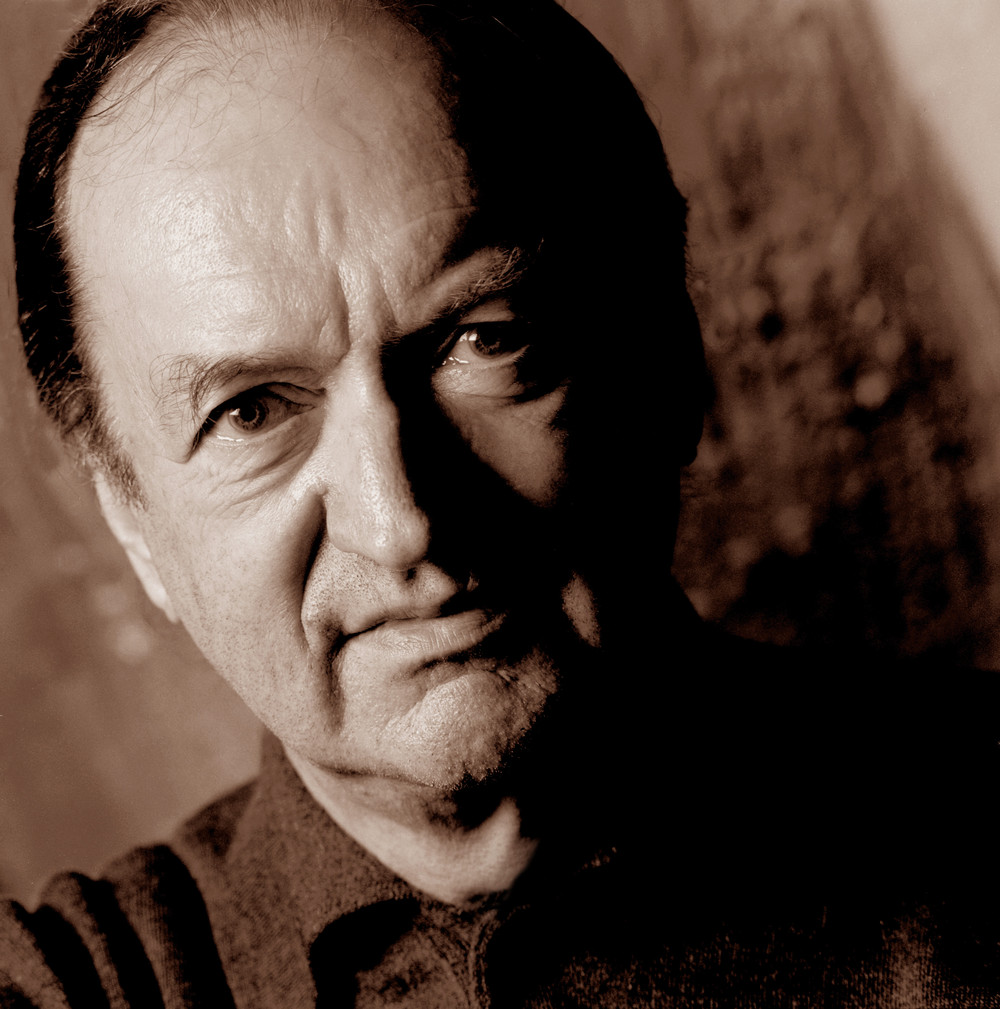
Nikolaus Harnoncourt
Classical
Requiem
Baroque
3
/5
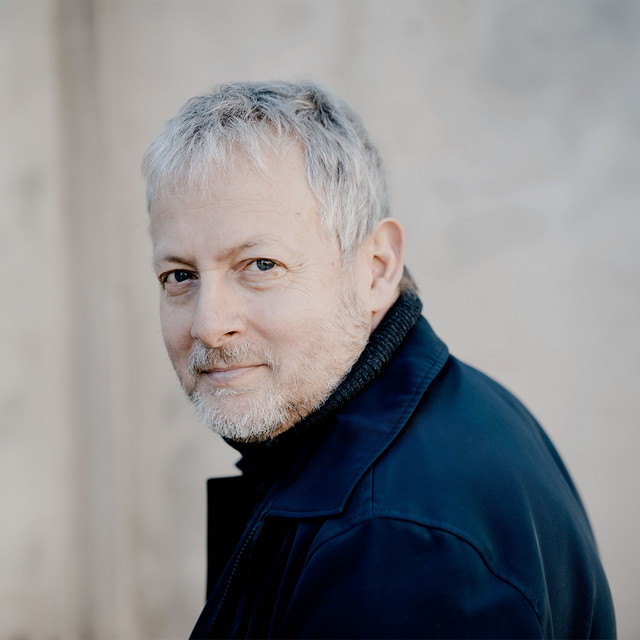
Fabio Biondi
Classical
Baroque
Concerto
3
/5
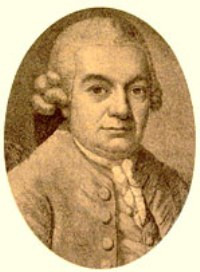
Carl Philipp Emanuel Bach
Baroque
Classical
Classical Piano
4
/5
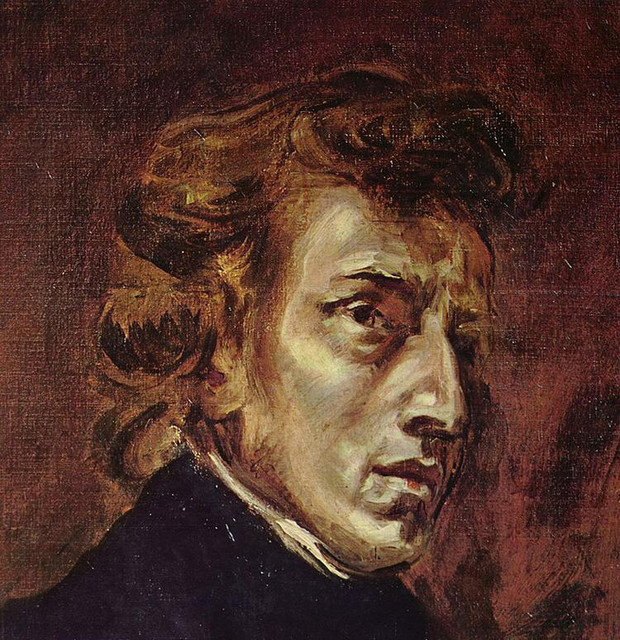
Frédéric Chopin
Classical
Character Piece
Nocturne
4
/5
Philharmonia Orchestra
Classical
Opera
Choral
4
/5
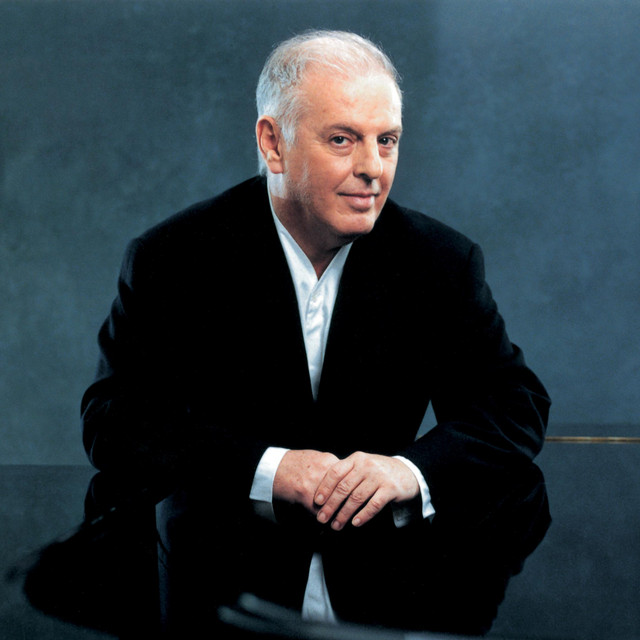
Daniel Barenboim
Impressionism
Classical
Chamber Music
3
/5
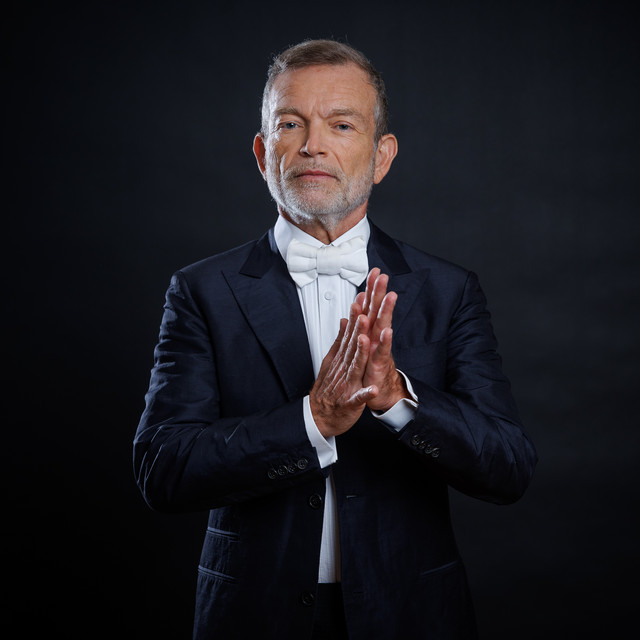
Christophe Rousset
Classical
Opera
Tragédie En Musique
Download our mobile app
Get the Melodigging app and start digging for new genres on the go
Download on the App Store
Get it on Google Play
© 2026 Melodigging
Give feedback
Legal
Melodding was created as a tribute to
Every Noise at Once
, which inspired us to help curious minds keep digging into music's ever-evolving genres.