Genres
Artists
Albums
Make Music
Sign in
Sign in
Artists
Classical
Artists
Classical
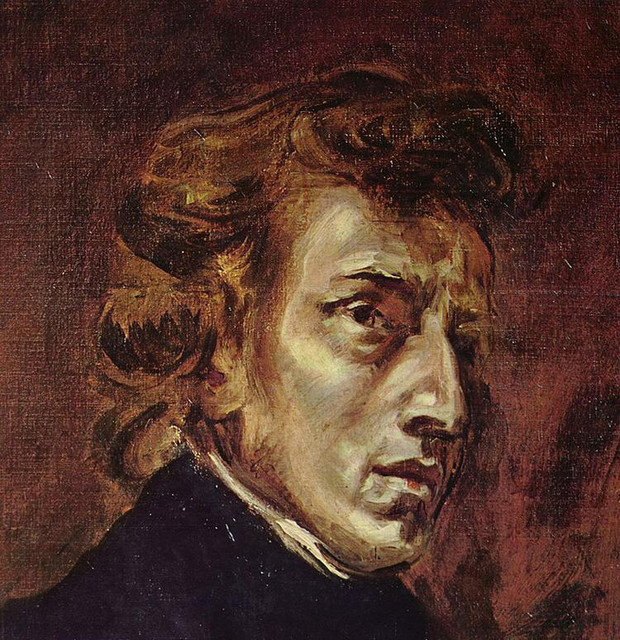
Frédéric Chopin
1957–2025
·
34 albums
Listen
4
/5
Genres
Analog Horror
Analog horror is an internet-born horror style that foregrounds the texture and limits of obsolete media. It is characterized by lo‑fi, band‑limited sound, tape hiss, wow and flutter, and the sonic vocabulary of public‑access TV, VHS cassettes, emergency broadcast signals, and numbers stations. In narrative terms, it tends toward cryptic, surreal plots presented as faux archival broadcasts, training films, or interrupted transmissions. Musically, the idiom leans on drones, minimal motifs, degraded samples, and detuned analog synths, using period‑authentic processing to evoke dread, nostalgia, and the uncanny.
Discover
Listen
Deep Soundtrack
Deep soundtrack is a modern, cinematic substyle that emphasizes low, immersive textures, slow-moving harmony, and spacious ambience over bombast. It sits at the intersection of ambient music, post-classical scoring, and contemporary film/TV/game underscore, favoring drones, soft pulses, and intimate instruments (piano, strings, analog synths) treated with generous space and subtle sound design. Rather than foregrounding memorable themes or trailer-scale crescendos, deep soundtrack cultivates mood: tense, melancholic, or quietly hopeful. It is designed to sit under narrative, visuals, or concentration—music that breathes, evolves slowly, and suggests emotion without overwhelming it.
Discover
Listen
Pet Calming
Pet calming is a functional micro‑genre designed to reduce stress and arousal in companion animals—primarily dogs and cats—during triggering situations such as owner absence, fireworks, vet visits, thunderstorms, or travel. Musically it favors very slow tempos, sparse arrangements, soft timbres (piano, pads, gentle strings, warm guitars), long sustains, smooth envelopes, and stable, consonant harmonies. Dynamics are kept narrow and transients are tamed to avoid startle responses. Many releases add gentle environmental ambiences (rain, ocean, rustling leaves) or unobtrusive pink/white‑noise beds to mask external sounds. Structures are highly repetitive with gradual variation so the soundscape feels predictable and safe. While aimed at non‑human listeners, the genre is informed by animal‑behavior findings (e.g., predictable low‑arousal sound reduces stress) and by human relaxation idioms (ambient, new age, lullaby). It is commonly delivered as long‑form, streaming‑friendly content that owners can loop for hours.
Discover
Listen
432hz
432hz is a wellness-oriented ambient/New Age micro-genre built around tuning music to the alternative concert pitch A=432 Hz instead of the modern standard A=440 Hz. In practice, 432hz releases are largely instrumental, slow-tempo, and reverb-rich, combining soft pads, drones, gentle piano, bowls/chimes, and nature sounds. Tracks are marketed for relaxation, meditation, yoga, sleep, and "energy" or "chakra" work, and are frequently tagged with wellness keywords. While advocates claim psychoacoustic or physiological benefits from 432 Hz tuning, these claims remain unproven; the sound signature audiences respond to is the calm production, consonant harmony, and spacious mixing typical of ambient and New Age music. As a streaming-native style, 432hz thrives on platforms like YouTube and Spotify where long-form background listening, SEO-friendly titling, and looping visuals support use-cases such as study, mindfulness, and sleep.
Discover
Listen
Beats
Beats is a loose, producer-driven category for rhythm-forward instrumentals built around hip‑hop drum patterns without necessarily being rap songs or featuring vocals. It functions as an umbrella for stock, "type," and backing tracks used by rappers, singers, streamers, and content creators, spanning boom‑bap swing to trap hi‑hat grids and R&B‑leaning grooves. On streaming platforms it often appears as standalone instrumentals packaged by tempo, mood, or artist style (e.g., “trap type beat,” “R&B instrumental,” “club beat”), prioritizing portability and utility over artist identity. While rooted in hip‑hop production aesthetics—kicks, snares, 808s, chopped samples—Beats blends downtempo, electronic, and contemporary R&B sensibilities, aiming for clarity, loopability, and immediate vibe.
Discover
Listen
No Beat
No beat is a Brazilian, producer‑driven tag and scene that grew around baile funk and adjacent regional party styles, where the beatmaker’s identity (often voiced as the tag “X no beat!”) is foregrounded. Musically it pulls from funk carioca’s Miami‑bass lineage, paredão/car‑sound‑system aesthetics, and newer dark, minimalist strands (e.g., bruxaria), yielding hard sub‑bass, sparse percussion at 130–150+ BPM, abrupt mutes, chopped/ported vocals, and crowd‑command call‑outs. In some regional pockets the groove leans into arrochadeira/brega influences and trap textures (“trapfunk”). Rather than meaning “without drums,” the label signals a producer‑centric baile funk approach that thrives in street parties and sound‑system culture and has fed into today’s global club and trap‑funk cross‑pollination.
Discover
Listen
Organic Ambient
Organic ambient is a strain of ambient music that emphasizes natural, acoustic, and tactile timbres over purely synthetic ones. Its sound world is built from softly mic’d pianos and guitars, mallet percussion, strings, voice layers, and environmental field recordings (wind, water, birds, room tone), then gently processed with spacious reverbs, tape warmth, and subtle granular or delay treatments. Compared with classic electronic ambient, the adjective “organic” points to breath, touch, and the audible presence of rooms and spaces: creaking pedals, bow noise, finger sounds on strings, and a bed of environmental sound. Harmony tends toward consonant, slowly evolving chords; rhythm is minimal or absent; and dynamics are restrained, inviting calm, contemplation, and connection with place.
Discover
Listen
Gufeng
Gufeng (古风, literally “ancient style”) is a modern Chinese pop-adjacent style that evokes the sound-world, imagery, and poetics of premodern China. It blends traditional instruments, pentatonic melodies, and classical literary diction with contemporary songwriting, recording, and distribution practices. Emerging largely from online communities and ACG (anime–comics–games/donghua) fandoms, Gufeng favors lyrical themes such as mountains-and-rivers landscapes, courtly romance, martial-arts chivalry, and historical fantasy. The production commonly combines guzheng, pipa, dizi, xiao, and erhu with soft pop arrangements, cinematic pads, and subtle electronic beats, resulting in a nostalgic yet fresh sound that is distinct from mainstream Mandopop.
Discover
Listen
Old School Nederhop
Old school nederhop is the first wave of Dutch-language hip hop that took shape in the Netherlands in the late 1980s and early–mid 1990s. It is defined by rapping in Dutch (often Amsterdam or Rotterdam street slang), boom‑bap drum programming, heavy use of sampling (funk, soul, jazz, electro), and classic DJ techniques such as cutting and scratching. Lyrically, it blends braggadocio, humor, wordplay, and local storytelling with early social commentary, translating the aesthetics of golden‑age hip hop to a distinctly Dutch cultural context. The sound feels gritty and analog—drum machines and 12‑bit samplers, swung snares, chopped breaks, and hooky, sung or chanted refrains—while the flow prioritizes clear diction and multisyllabic rhyme schemes that showcase Dutch as a rhythmic rap language.
Discover
Listen
Character Piece
A character piece (German: Charakterstück) is a short, single-movement work—most often for solo piano—designed to evoke a specific mood, scene, or persona. Typically lasting one to five minutes, it prioritizes vivid expression and atmosphere over large-scale form. Titles are often descriptive (e.g., Nocturne, Impromptu, Romance, Intermezzo, Barcarolle), guiding the listener’s imagination. Musically, character pieces favor singable melodies, rich but economical harmony, clear textures, and flexible tempo (rubato). Common plans include ternary (ABA) or through-composed designs, with coloristic pedaling and nuanced dynamic shaping to paint the intended character. While the piano repertory dominates, the aesthetic extends to other instruments and small ensembles, and it remains central in pedagogy and concert encores.
Discover
Listen
Nocturne
A nocturne is a short, lyrical character piece that evokes the atmosphere of night, most commonly written for solo piano. It features a cantabile, song-like melody that floats over a gentle, arpeggiated or broken-chord accompaniment, inviting rubato and nuanced pedaling. Originating with the Irish composer John Field and canonized by Frédéric Chopin, nocturnes typically explore intimate emotions—tenderness, melancholy, and reverie—through expressive harmony, chromatic inflections, and spacious pacing. While the piano nocturne is the norm, later composers also wrote orchestral and vocal "nocturnes" that broaden the palette while retaining the essential nocturnal mood.
Discover
Listen
Romantic Classical
Romantic classical (Romantic-era) music is the 19th‑century phase of Western art music in which expression, individuality, and imagination came to the fore. Composers expanded the orchestra, embraced chromatic harmony and bold modulations, and favored long‑breathed, emotive melodies. Aligned with the wider Romantic movement in literature and the arts, it prized the subjective—love, nature, the supernatural, nationalism, and the sublime—often through programmatic narratives. New and transformed genres (the symphonic poem, grand opera, the art song/Lied, concert overtures) coexisted with reimagined Classical forms (symphony, sonata, concerto) that grew in scale and harmonic daring. From ca. 1800 through the early 20th century, Romantic music stretched from Beethoven’s heroic style and Schubert’s lyricism to Wagner’s leitmotivic dramas and Tchaikovsky’s symphonic ballet-infused language, culminating in late-Romantic gigantism and post-Romantic continuations.
Discover
Listen
Romanticism
Romanticism in music is a 19th‑century movement that prioritizes individual expression, emotional intensity, and evocative storytelling over the balanced clarity of the Classical era. It expands harmony with richer chromaticism and distant modulations, stretches forms (longer developments, cyclic structures), and favors flexible tempo (rubato) and extreme dynamics. Orchestras grow in size and color (tuba, piccolo, contrabassoon, harp, expanded brass and percussion), while the piano becomes a primary vehicle for intimate expression and virtuoso display. Key genres include the art song (Lied), character piece, symphony and symphonic poem, and grand opera with leitmotifs. Program music—works that narrate scenes, poems, or ideas—stands alongside absolute music, both suffused with heightened subjectivity, nature imagery, nationalism, and the sublime.
Discover
Listen
Étude
An étude is a short solo instrumental piece, most commonly for piano, designed to develop a specific technical skill while also standing as a musically satisfying work. Emerging in the early 19th century from pedagogical "studies," the concert étude transformed drill-like patterns (arpeggios, octaves, double notes, leaps, rapid scales, polyrhythms) into expressive miniatures suitable for the stage. Typical études are through-composed or ternary in shape, last a few minutes, and center on a single technical focus that is woven into the musical fabric. Although most associated with the piano, the étude tradition extends to violin, winds, brass, and other instruments, where sets of studies target instrument-specific techniques. Over time the genre has ranged from classical tonality (Czerny, Chopin) to late-Romantic and modern harmonic languages (Rachmaninoff, Scriabin, Debussy) and into avant-garde textures and extended techniques (Ligeti).
Discover
Listen
Waltz
Waltz is a dance-music genre in triple meter, most commonly in 3/4 time, marked by a strong accent on the first beat and the characteristic “oom–pah–pah” accompaniment (bass note followed by two chords). Emerging from Central European folk dances and adopted by urban salons, the waltz spans both functional dance repertoire and concert pieces for piano or orchestra. Tempos vary by style: the Viennese waltz is fast and flowing, while the slow/English waltz is measured and lyrical. Melodies are typically long-breathed and cantabile, with 8- or 16-bar phrases and frequent modulations to closely related keys. The genre is culturally tied to Vienna and the Habsburg lands, where composers such as the Strausses and Lanner helped codify its form, but it has since permeated ballroom traditions, art music, folk repertoires, film, and popular music worldwide.
Discover
Listen
Mazurka
The mazurka is a Polish folk dance and musical genre in triple meter, characterized by strong accents on the second or third beat and by distinctive dotted and syncopated rhythms. It originated in the Mazovia region of Poland and became both a social dance and an instrumental idiom. In the 19th century the mazurka moved from village floors to European salons and concert halls, where composers—most famously Frédéric Chopin—transformed it into a refined art-music genre while preserving its rustic rhythmic markers and modal colorings. Today, the mazurka exists as a living folk dance tradition and as a classical piano form, emblematic of Polish musical identity.
Discover
Listen
Polonaise
The polonaise is a stately Polish processional dance and musical form in triple meter whose name (from the French “polonaise,” meaning “Polish”) reflects its courtly origins. It is characterized by a noble, walking gait; strong emphasis on the first beat; and a hallmark rhythmic cell often rendered as an upbeat followed by a dotted or two‑sixteenth pattern within 3/4 time. Emerging from earlier Polish walking dances (chodzony), the polonaise became a prominent court and ballroom dance across Europe in the 18th century and, in the 19th century, a stylized pianistic and orchestral genre. In Poland, it carries strong cultural associations with national identity, ceremony, and patriotic expression, famously elevated by Chopin.
Discover
Listen
Classical Piano
Classical piano is the tradition of composing and performing music for the acoustic piano within the Western classical lineage. It emphasizes formal clarity, tonal harmony, contrapuntal writing, and expressive nuance across the full compass of the instrument. Its core repertoire ranges from Classical-era sonatas and variations to Romantic character pieces, études, dances, and 20th-century impressionistic and modernist works. Pianists exploit dynamics, articulation, pedaling, and touch to shape phrases, imitate orchestral textures, and project both intimate lyricism and large-scale drama.
Discover
Listen
Concerto
A concerto is a large-scale composition that sets one or more solo instruments in dynamic dialogue with an orchestra. Its core idea is contrast—between soloist and tutti—and the dramatic negotiation of power, color, and thematic responsibility. While Baroque concertos often relied on ritornello form, the Classical era standardized a three-movement plan (fast–slow–fast) with sonata principles in the opening movement. The Romantic period emphasized virtuosity and expressive foregrounding of the soloist, and the 20th–21st centuries broadened the palette with new instruments, harmonies, and formats. Across eras, the concerto remains a showcase for instrumental character, technical brilliance, and the art of orchestral conversation.
Discover
Listen
Prelude
A prelude is a short, often improvisatory-sounding instrumental piece that traditionally precedes another work or sets a tonal and expressive atmosphere on its own. Emerging in the early Baroque era from the practice of freely extemporizing before a liturgical or secular performance, the prelude evolved from unmeasured lute and keyboard introductions into highly crafted pieces for organ, harpsichord, and later piano. In the 19th century it became an autonomous character piece (e.g., Chopin’s Op. 28), while in the 20th century composers explored cyclic sets across all keys and a wide range of styles (Debussy, Rachmaninoff, Shostakovich). Despite its brevity and flexibility, the prelude typically establishes a key or mode, a figuration pattern, and a distinct mood, favoring clear tonal focus, continuous flow, and a compelling gesture over strict formal constraints.
Discover
Listen
Fantasia
Fantasia (or fantasy/fantasie) is a classical composition type defined by an improvisatory character, flexible form, and the free development of one or more motives. Unlike strict dance forms or fugues, a fantasia typically privileges invention, dramatic contrast, and rhapsodic flow over predetermined structures. Emerging in the Renaissance with vihuela, lute, viol consort, and keyboard repertories, the fantasia evolved through the Baroque (notably on harpsichord and organ) and was later adopted by Classical and Romantic composers for piano and orchestra. Across eras, common threads include sectional design, sudden textural changes, imitative counterpoint, and exploration of harmony from modal to chromatic languages.
Discover
Listen
Classical
Classical music is the notated art-music tradition of Europe and its global descendants, characterized by durable forms, carefully codified harmony and counterpoint, and a literate score-based practice. The term “classical” can refer broadly to the entire Western art-music lineage from the Medieval era to today, not just the Classical period (c. 1750s–1820s). It privileges long-form structures (such as symphonies, sonatas, concertos, masses, and operas), functional or modal harmony, thematic development, and timbral nuance across ensembles ranging from solo instruments to full orchestras and choirs. Across centuries, the style evolved from chant and modal polyphony to tonal harmony, and later to post-tonal idioms, while maintaining a shared emphasis on written notation, performance practice, and craft.
Discover
Listen
Polish Music
Polish music is the umbrella term for the musical traditions and industries of Poland, spanning sacred chant, folk idioms, art (classical) music, jazz, rock, and contemporary pop and hip hop. Across centuries, it is characterized by the fusion of European art-music forms with distinctively Polish folk rhythms and melodies, most famously the triple‑meter national dances such as the mazurka, polonaise, oberek, kujawiak, and krakowiak. Lyrical, songful melodies and modal inflections from Slavic folk practice coexist with the harmonic language of Western classical music. In the 20th century, Polish music became a global reference point for avant‑garde orchestral color (sonorism) and choral writing, while also nurturing one of Europe’s most vibrant jazz scenes and a resilient rock culture. Today, it includes a prolific mainstream of pop, rap, and electronic music that still resonates with folk and classical heritage.
Discover
Listen
Western Classical
Western classical is the notated art-music tradition that developed in Europe from medieval Christian chant into the large-scale secular and sacred forms of the Baroque, Classical, Romantic, and modern eras. It is characterized by staff notation, evolving systems of modality and tonality, and forms such as symphony, sonata, concerto, mass, opera, and chamber music. Across its history, Western classical established an extensive theory of harmony and counterpoint, refined orchestration across strings, winds, brass, and percussion, and cultivated performance practices from a cappella chant to full symphonic and operatic forces. Its repertoire, pedagogy, and institutions (conservatories, orchestras, opera houses) made it a global reference point for compositional craft and instrumental technique.
Discover
Listen
Show all 24 genres
Albums
2025
2
/5
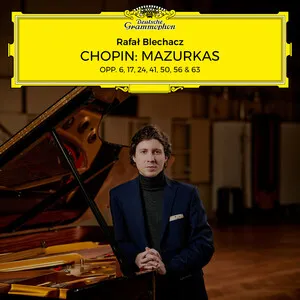
Mazurkas, Opp. 6, 17, 24, 41, 50, 56 & 63
Frédéric Chopin / Rafał Blechacz
Mazurka
2025
1
/5
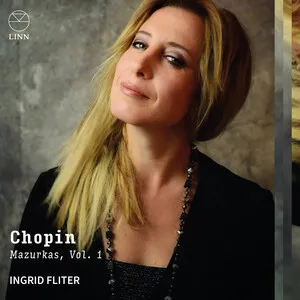
Mazurkas, Vol. 1
Frédéric Chopin / Ingrid Fliter
Mazurka
2024
3
/5
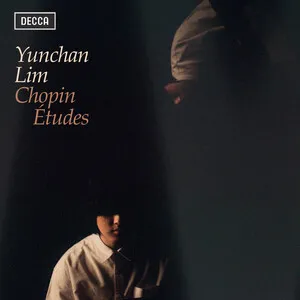
Études
Frédéric Chopin / Yunchan Lim 임윤찬
Étude
Classical
2021
3
/5
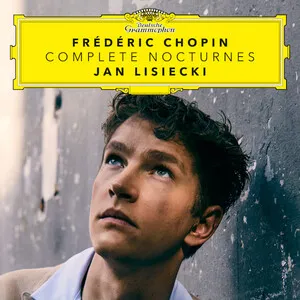
Complete Nocturnes
Frédéric Chopin / Jan Lisiecki
Nocturne
Classical
2013
2
/5
Polonezy
Frédéric Chopin / Rafał Blechacz
Polonaise
Classical
2010
4
/5
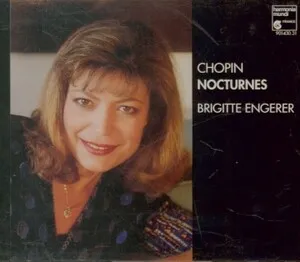
Nocturnes
Frédéric Chopin / Brigitte Engerer
Nocturne
Character Piece
2010
3
/5
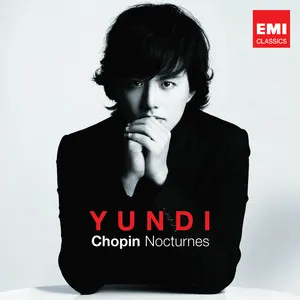
Nocturnes
Frédéric Chopin / Yundi
Nocturne
Character Piece
2010
3
/5
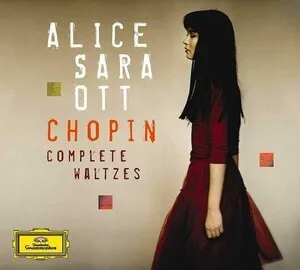
Complete Waltzes
Frédéric Chopin / Alice Sara Ott
Waltz
Classical
2009
1
/5
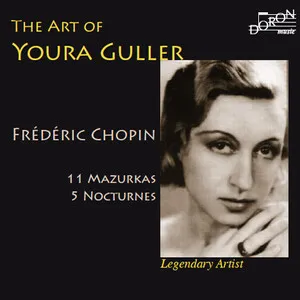
The Art of Youra Guller: Chopin - 11 Mazurkas; 5 Nocturnes
Youra Guller
Mazurka
2009
2
/5
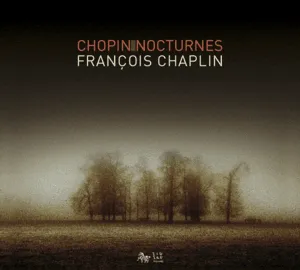
Nocturnes
Frédéric Chopin / François Chaplin
Nocturne
Character Piece
2008
1
/5
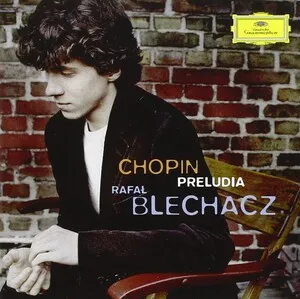
Preludia
Frédéric Chopin / Rafał Blechacz
Prelude
Classical
2005
4
/5
Nocturnes
Frédéric Chopin / Maurizio Pollini
Character Piece
Nocturne
Romantic Classical
2002
3
/5
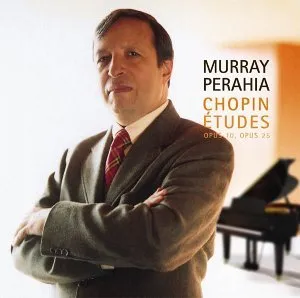
Études: Opus 10, Opus 25
Frédéric Chopin / Murray Perahia
Étude
2002
2
/5
24 Préludes, Op. 28; Préludes Nr. 25, Op. 45; Nr. 26, Op. Posth.
Frédéric Chopin / Martha Argerich
Prelude
Romanticism
Romantic Classical
1999
1
/5
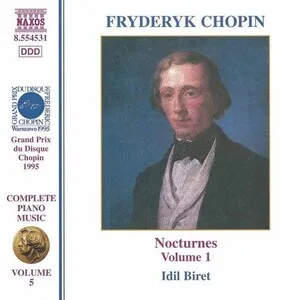
Nocturnes, Volume 1
Frédéric Chopin / İdil Biret
Nocturne
1999
3
/5
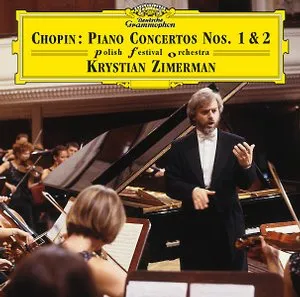
Piano Concertos Nos. 1 & 2
Frédéric Chopin / Polish Festival Orchestra / Krystian Zimerman
Concerto
1998
1
/5
Polonaises
Frédéric Chopin / Maurizio Pollini
Polish Music
1998
1
/5
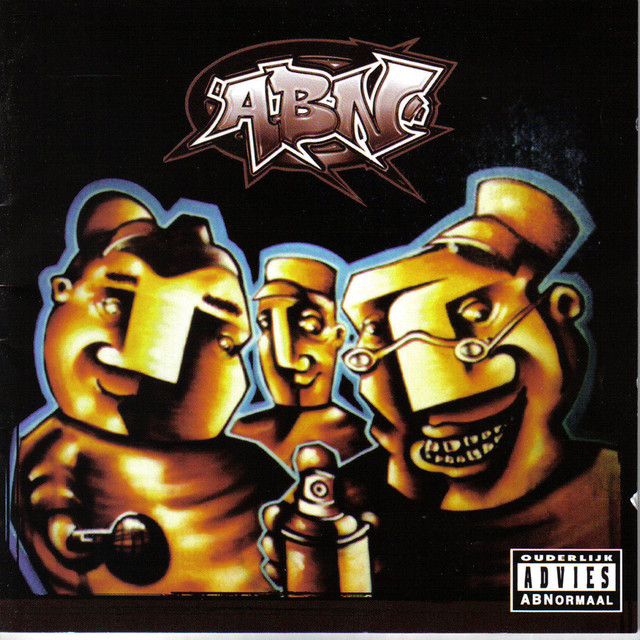
ABNormaal
ABN
Old School Nederhop
1997
1
/5
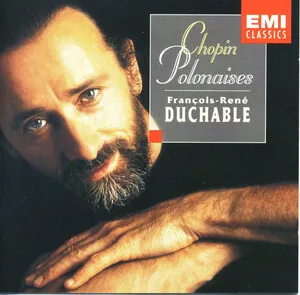
Polonaises
Frédéric Chopin / François-René Duchâble
Polonaise
1996
3
/5
The Nocturnes
Frédéric Chopin / Maria João Pires
Character Piece
Nocturne
Romanticism
1992
3
/5
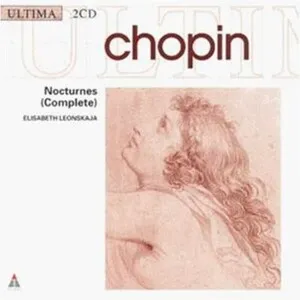
Nocturnes (Complete)
Frédéric Chopin / Elisabeth Leonskaja
Nocturne
Character Piece
1990
2
/5
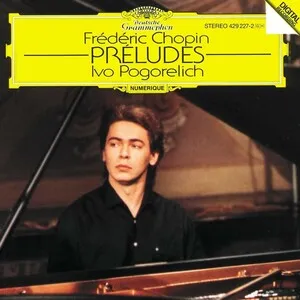
Préludes
Frédéric Chopin / Ivo Pogorelić
Prelude
1989
1
/5
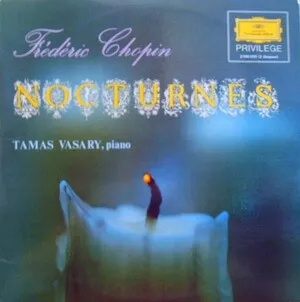
20 Nocturnes
Frédéric Chopin / Tamás Vásáry
Nocturne
Character Piece
1988
3
/5
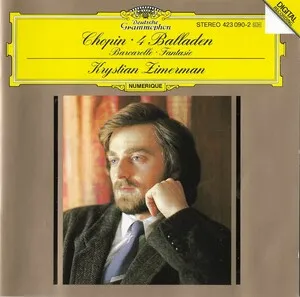
4 Balladen; Barcarolle; Fantasie
Frédéric Chopin / Krystian Zimerman
Romanticism
Romantic Classical
Classical
1982
2
/5
Nocturnes
Frédéric Chopin / Daniel Barenboim
Character Piece
Nocturne
1980
2
/5
Waltzes
Frédéric Chopin / Claudio Arrau
Waltz
1980
3
/5
24 Préludes, Op. 28
Frédéric Chopin / Maurizio Pollini
Prelude
1978
3
/5
Sämtliche Nocturnes
Frédéric Chopin / Claudio Arrau
Character Piece
Nocturne
Romantic Classical
1968
2
/5
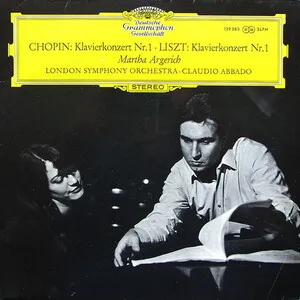
Klavierkonzert Nr.1 / Klavierkonzert Nr.1
Frédéric Chopin / Franz Liszt
Concerto
Classical
Romantic Classical
1967
2
/5
The Mazurkas
Frédéric Chopin / Artur Rubinstein
Mazurka
Classical
1965
3
/5
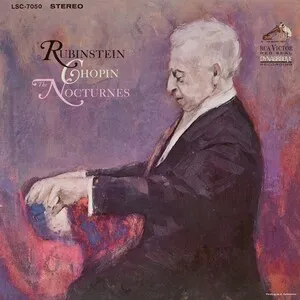
The Nocturnes
Frédéric Chopin / Artur Rubinstein
Character Piece
Romanticism
Romantic Classical
1965
3
/5
The Chopin Collection: 7 Polonaises
Frédéric Chopin / Artur Rubinstein
Polonaise
Polish Music
1964
3
/5
The Chopin Collection: The Waltzes
Frédéric Chopin / Artur Rubinstein
Waltz
1957
1
/5
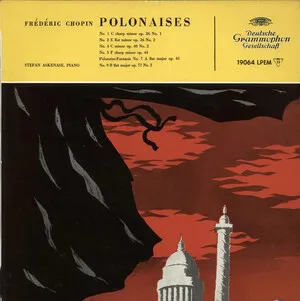
Polonaisen
Frédéric Chopin / Stefan Askenase
Polonaise
Similar artists
4
/5
Daniel Barenboim
Impressionism
Classical
Chamber Music
3
/5
Arthur Rubinstein
Classical
Character Piece
Classical Piano
3
/5
Claudio Arrau
Character Piece
Classical
Classical Piano
4
/5
Maurizio Pollini
Classical
Classical Performance
Classical Piano
3
/5
Maria João Pires
Chamber Music
Classical Performance
Classical
4
/5
Franz Liszt
New German School
Classical
Classical Piano
3
/5
Martha Argerich
Classical
Classical Performance
Chamber Music
4
/5
Claudio Abbado
Classical
Concerto
Impressionism
2
/5
Emil Gilels
Chamber Music
Classical
Classical Piano
4
/5
Berliner Philharmoniker
Classical
Romantic Classical
Romanticism
Download our mobile app
Get the Melodigging app and start digging for new genres on the go
Download on the App Store
Get it on Google Play
© 2026 Melodigging
Give feedback
Legal
Melodding was created as a tribute to
Every Noise at Once
, which inspired us to help curious minds keep digging into music's ever-evolving genres.