Genres
Artists
Albums
Make Music
Sign in
Sign in
Artists
Character Piece
Artists
Character Piece
Claudio Arrau
1977–2001
·
5 albums
Listen
3
/5
Genres
New German School
The New German School (Neu deutsche Schule) was a mid‑19th‑century movement in German‑speaking music that championed program music, dramatic narrative, and progressive harmony. Centered around Franz Liszt in Weimar and Richard Wagner’s concept of music drama, it stood in contrast to the Brahms‑aligned current that favored "absolute" music. Its aesthetics privileged extra‑musical ideas (literature, myth, history) as structuring forces for composition. Techniques such as thematic transformation, extensive chromaticism, and motivic networks (leitmotifs) gave coherence to single‑movement orchestral forms and continuous operatic fabrics. The orchestra itself became an active narrator, expanded in size, color, and brass/woodwind innovations.
Discover
Listen
Character Piece
A character piece (German: Charakterstück) is a short, single-movement work—most often for solo piano—designed to evoke a specific mood, scene, or persona. Typically lasting one to five minutes, it prioritizes vivid expression and atmosphere over large-scale form. Titles are often descriptive (e.g., Nocturne, Impromptu, Romance, Intermezzo, Barcarolle), guiding the listener’s imagination. Musically, character pieces favor singable melodies, rich but economical harmony, clear textures, and flexible tempo (rubato). Common plans include ternary (ABA) or through-composed designs, with coloristic pedaling and nuanced dynamic shaping to paint the intended character. While the piano repertory dominates, the aesthetic extends to other instruments and small ensembles, and it remains central in pedagogy and concert encores.
Discover
Listen
Nocturne
A nocturne is a short, lyrical character piece that evokes the atmosphere of night, most commonly written for solo piano. It features a cantabile, song-like melody that floats over a gentle, arpeggiated or broken-chord accompaniment, inviting rubato and nuanced pedaling. Originating with the Irish composer John Field and canonized by Frédéric Chopin, nocturnes typically explore intimate emotions—tenderness, melancholy, and reverie—through expressive harmony, chromatic inflections, and spacious pacing. While the piano nocturne is the norm, later composers also wrote orchestral and vocal "nocturnes" that broaden the palette while retaining the essential nocturnal mood.
Discover
Listen
Étude
An étude is a short solo instrumental piece, most commonly for piano, designed to develop a specific technical skill while also standing as a musically satisfying work. Emerging in the early 19th century from pedagogical "studies," the concert étude transformed drill-like patterns (arpeggios, octaves, double notes, leaps, rapid scales, polyrhythms) into expressive miniatures suitable for the stage. Typical études are through-composed or ternary in shape, last a few minutes, and center on a single technical focus that is woven into the musical fabric. Although most associated with the piano, the étude tradition extends to violin, winds, brass, and other instruments, where sets of studies target instrument-specific techniques. Over time the genre has ranged from classical tonality (Czerny, Chopin) to late-Romantic and modern harmonic languages (Rachmaninoff, Scriabin, Debussy) and into avant-garde textures and extended techniques (Ligeti).
Discover
Listen
Romantic Classical
Romantic classical (Romantic-era) music is the 19th‑century phase of Western art music in which expression, individuality, and imagination came to the fore. Composers expanded the orchestra, embraced chromatic harmony and bold modulations, and favored long‑breathed, emotive melodies. Aligned with the wider Romantic movement in literature and the arts, it prized the subjective—love, nature, the supernatural, nationalism, and the sublime—often through programmatic narratives. New and transformed genres (the symphonic poem, grand opera, the art song/Lied, concert overtures) coexisted with reimagined Classical forms (symphony, sonata, concerto) that grew in scale and harmonic daring. From ca. 1800 through the early 20th century, Romantic music stretched from Beethoven’s heroic style and Schubert’s lyricism to Wagner’s leitmotivic dramas and Tchaikovsky’s symphonic ballet-infused language, culminating in late-Romantic gigantism and post-Romantic continuations.
Discover
Listen
Romanticism
Romanticism in music is a 19th‑century movement that prioritizes individual expression, emotional intensity, and evocative storytelling over the balanced clarity of the Classical era. It expands harmony with richer chromaticism and distant modulations, stretches forms (longer developments, cyclic structures), and favors flexible tempo (rubato) and extreme dynamics. Orchestras grow in size and color (tuba, piccolo, contrabassoon, harp, expanded brass and percussion), while the piano becomes a primary vehicle for intimate expression and virtuoso display. Key genres include the art song (Lied), character piece, symphony and symphonic poem, and grand opera with leitmotifs. Program music—works that narrate scenes, poems, or ideas—stands alongside absolute music, both suffused with heightened subjectivity, nature imagery, nationalism, and the sublime.
Discover
Listen
Waltz
Waltz is a dance-music genre in triple meter, most commonly in 3/4 time, marked by a strong accent on the first beat and the characteristic “oom–pah–pah” accompaniment (bass note followed by two chords). Emerging from Central European folk dances and adopted by urban salons, the waltz spans both functional dance repertoire and concert pieces for piano or orchestra. Tempos vary by style: the Viennese waltz is fast and flowing, while the slow/English waltz is measured and lyrical. Melodies are typically long-breathed and cantabile, with 8- or 16-bar phrases and frequent modulations to closely related keys. The genre is culturally tied to Vienna and the Habsburg lands, where composers such as the Strausses and Lanner helped codify its form, but it has since permeated ballroom traditions, art music, folk repertoires, film, and popular music worldwide.
Discover
Listen
Classical Piano
Classical piano is the tradition of composing and performing music for the acoustic piano within the Western classical lineage. It emphasizes formal clarity, tonal harmony, contrapuntal writing, and expressive nuance across the full compass of the instrument. Its core repertoire ranges from Classical-era sonatas and variations to Romantic character pieces, études, dances, and 20th-century impressionistic and modernist works. Pianists exploit dynamics, articulation, pedaling, and touch to shape phrases, imitate orchestral textures, and project both intimate lyricism and large-scale drama.
Discover
Listen
Instrumental
Instrumental is music created and performed without sung lyrics, placing the expressive weight on melody, rhythm, harmony, and timbre produced by instruments. As an umbrella practice it appears in many cultures, but its modern identity cohered in Baroque-era Europe when purely instrumental forms such as the sonata, concerto, and dance suites began to flourish. Since then, instrumental thinking—developing motives, structuring form without text, and showcasing timbral contrast—has informed everything from orchestral music and solo piano repertoire to post-rock, film scores, and beat-driven electronic styles. Instrumental works can be intimate (solo or chamber) or expansive (full orchestra), narrative (programmatic) or abstract (absolute music). The absence of lyrics invites listeners to project imagery and emotion, making the style a natural fit for cinema, games, and contemplative listening.
Discover
Listen
Orchestral
Orchestral music refers to compositions written for an orchestra—a large ensemble typically built around a string section (violins, violas, cellos, double basses), complemented by woodwinds, brass, percussion, and often harp, keyboard, or other auxiliary instruments. A conductor coordinates the ensemble, shaping balance, phrasing, and expression. The style emphasizes coloristic timbre combinations, dynamic range from the softest pianissimo to explosive tuttis, and textures that can shift seamlessly between transparent chamber-like writing and monumental masses of sound. Orchestral writing underpins concert genres such as symphonies, overtures, and tone poems, as well as opera, ballet, and modern film and game scores. While orchestral writing evolved across centuries, its core craft centers on melody, counterpoint, harmony, register, and orchestration—the art of assigning musical ideas to instruments to achieve clarity, contrast, and narrative impact.
Discover
Listen
Classical
Classical music is the notated art-music tradition of Europe and its global descendants, characterized by durable forms, carefully codified harmony and counterpoint, and a literate score-based practice. The term “classical” can refer broadly to the entire Western art-music lineage from the Medieval era to today, not just the Classical period (c. 1750s–1820s). It privileges long-form structures (such as symphonies, sonatas, concertos, masses, and operas), functional or modal harmony, thematic development, and timbral nuance across ensembles ranging from solo instruments to full orchestras and choirs. Across centuries, the style evolved from chant and modal polyphony to tonal harmony, and later to post-tonal idioms, while maintaining a shared emphasis on written notation, performance practice, and craft.
Discover
Listen
Show all 11 genres
Albums
2001
1
/5
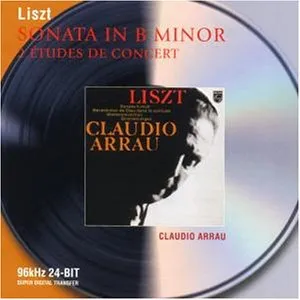
Sonata in B minor; 2 études de concert
Franz Liszt / Claudio Arrau
New German School
1987
2
/5
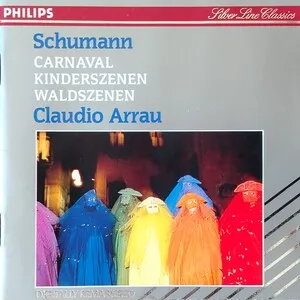
Carnaval; Kinderszenen; Waldszenen
Robert Schumann / Claudio Arrau
Character Piece
1980
2
/5
Waltzes
Frédéric Chopin / Claudio Arrau
Waltz
1978
3
/5
Sämtliche Nocturnes
Frédéric Chopin / Claudio Arrau
Character Piece
Nocturne
Romantic Classical
1977
1
/5
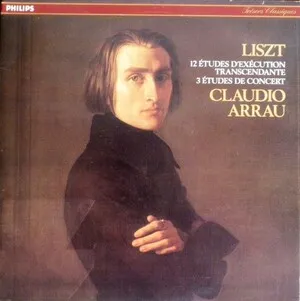
12 études d'exécution transcendante; 3 études de concert
Franz Liszt / Claudio Arrau
Étude
New German School
Similar artists
4
/5
Franz Liszt
New German School
Classical
Classical Piano
2
/5
Lazar Berman
Classical
Classical Piano
Character Piece
4
/5
Frédéric Chopin
Classical
Character Piece
Nocturne
4
/5
Claude Debussy
Impressionism
Classical
Classical Piano
4
/5
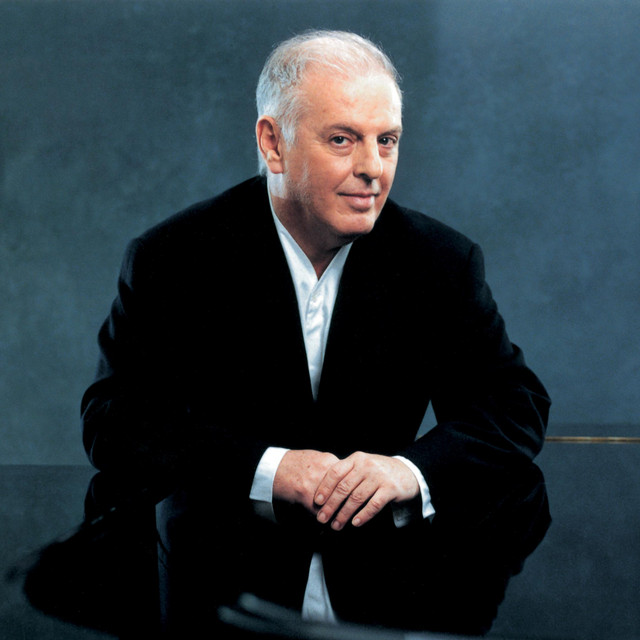
Daniel Barenboim
Impressionism
Classical
Chamber Music
3
/5
Daniil Trifonov
Classical
Classical Piano
Étude
3
/5
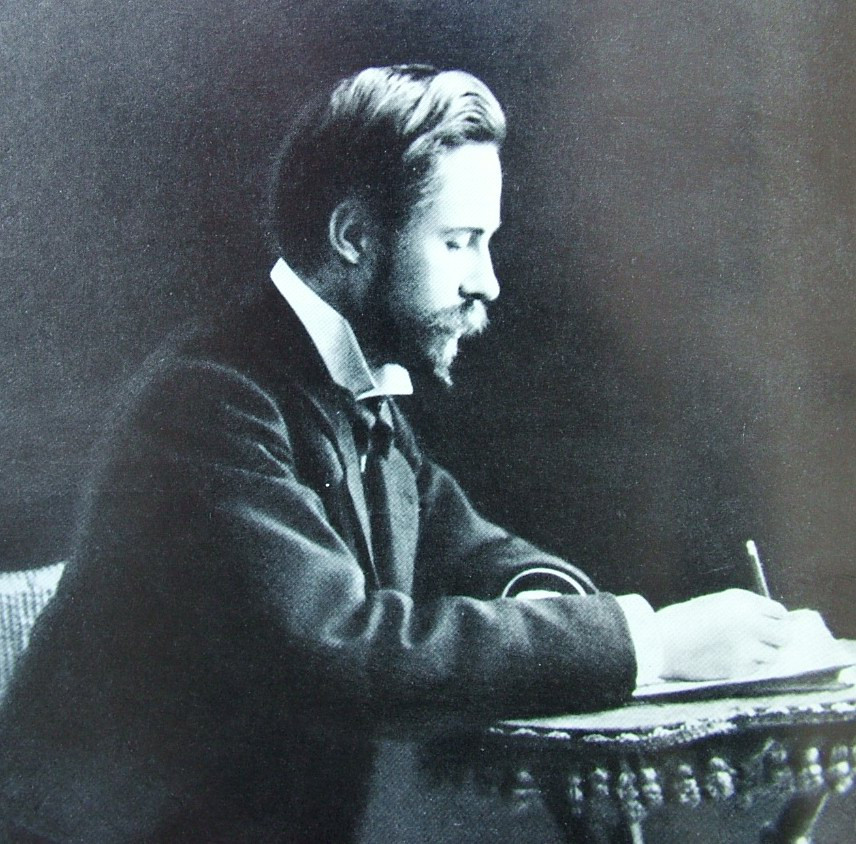
Alexander Scriabin
Classical
Mazurka
Classical Piano
2
/5
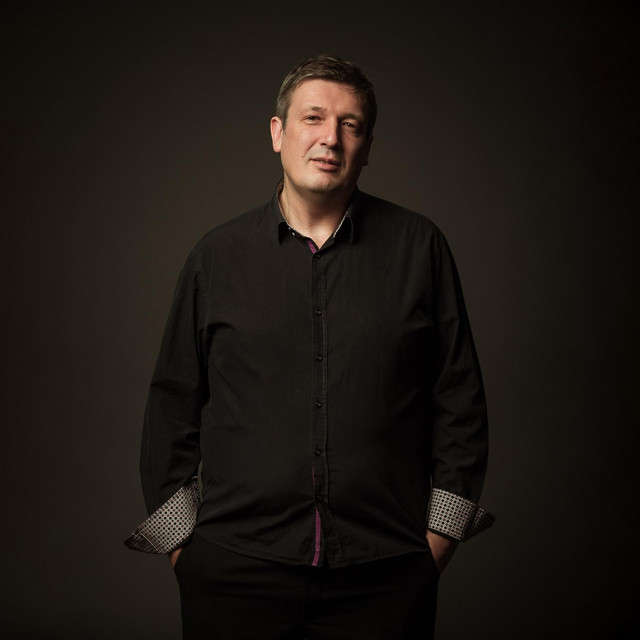
Boris Berezovsky
Chamber Music
Classical
Classical Piano
4
/5
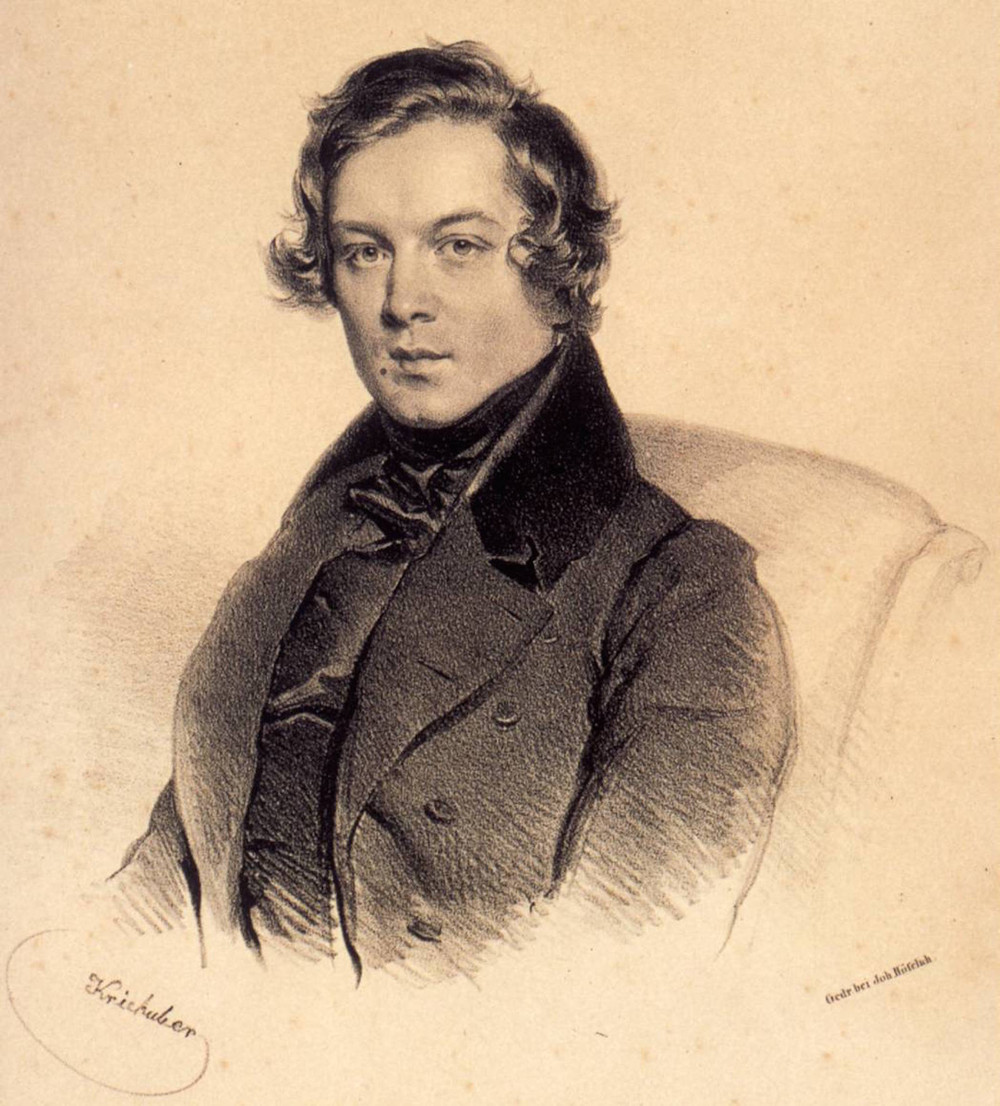
Robert Schumann
Classical
Character Piece
Chamber Music
4
/5
Edvard Grieg
Character Piece
Classical
Classical Piano
Download our mobile app
Get the Melodigging app and start digging for new genres on the go
Download on the App Store
Get it on Google Play
© 2026 Melodigging
Give feedback
Legal
Melodding was created as a tribute to
Every Noise at Once
, which inspired us to help curious minds keep digging into music's ever-evolving genres.