Genres
Artists
Albums
Make Music
Sign in
Sign in
Artists
Chamber Music
Artists
Chamber Music
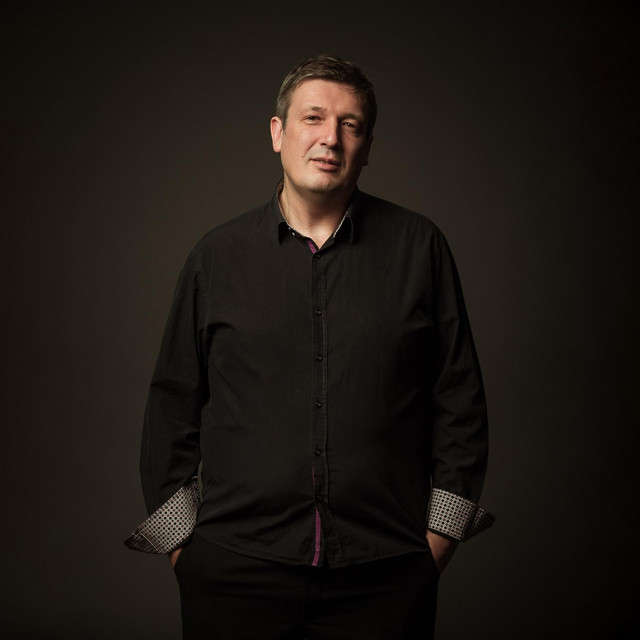
Boris Berezovsky
1996
·
1 album
Listen
2
/5
Genres
New German School
The New German School (Neu deutsche Schule) was a mid‑19th‑century movement in German‑speaking music that championed program music, dramatic narrative, and progressive harmony. Centered around Franz Liszt in Weimar and Richard Wagner’s concept of music drama, it stood in contrast to the Brahms‑aligned current that favored "absolute" music. Its aesthetics privileged extra‑musical ideas (literature, myth, history) as structuring forces for composition. Techniques such as thematic transformation, extensive chromaticism, and motivic networks (leitmotifs) gave coherence to single‑movement orchestral forms and continuous operatic fabrics. The orchestra itself became an active narrator, expanded in size, color, and brass/woodwind innovations.
Discover
Listen
Étude
An étude is a short solo instrumental piece, most commonly for piano, designed to develop a specific technical skill while also standing as a musically satisfying work. Emerging in the early 19th century from pedagogical "studies," the concert étude transformed drill-like patterns (arpeggios, octaves, double notes, leaps, rapid scales, polyrhythms) into expressive miniatures suitable for the stage. Typical études are through-composed or ternary in shape, last a few minutes, and center on a single technical focus that is woven into the musical fabric. Although most associated with the piano, the étude tradition extends to violin, winds, brass, and other instruments, where sets of studies target instrument-specific techniques. Over time the genre has ranged from classical tonality (Czerny, Chopin) to late-Romantic and modern harmonic languages (Rachmaninoff, Scriabin, Debussy) and into avant-garde textures and extended techniques (Ligeti).
Discover
Listen
Classical Piano
Classical piano is the tradition of composing and performing music for the acoustic piano within the Western classical lineage. It emphasizes formal clarity, tonal harmony, contrapuntal writing, and expressive nuance across the full compass of the instrument. Its core repertoire ranges from Classical-era sonatas and variations to Romantic character pieces, études, dances, and 20th-century impressionistic and modernist works. Pianists exploit dynamics, articulation, pedaling, and touch to shape phrases, imitate orchestral textures, and project both intimate lyricism and large-scale drama.
Discover
Listen
Chamber Music
Chamber music is a tradition of composed music for small ensembles—typically one player per part—intended for intimate spaces such as courts, salons, and private rooms rather than large public halls. Its aesthetic emphasizes clarity of texture, conversational interplay among parts, and balance without a conductor. Hallmark formations include the string quartet, piano trio, wind quintet, string quintet, and various mixed ensembles. Multi‑movement cycles (often in sonata form) and finely wrought counterpoint are common, ranging from Baroque trio sonatas to Classical string quartets and modern works with expanded timbres and techniques. Because of its scale and transparency, chamber music has long been a proving ground for compositional craft and ensemble musicianship, shaping the core of Western art music from the Baroque through the present.
Discover
Listen
Classical
Classical music is the notated art-music tradition of Europe and its global descendants, characterized by durable forms, carefully codified harmony and counterpoint, and a literate score-based practice. The term “classical” can refer broadly to the entire Western art-music lineage from the Medieval era to today, not just the Classical period (c. 1750s–1820s). It privileges long-form structures (such as symphonies, sonatas, concertos, masses, and operas), functional or modal harmony, thematic development, and timbral nuance across ensembles ranging from solo instruments to full orchestras and choirs. Across centuries, the style evolved from chant and modal polyphony to tonal harmony, and later to post-tonal idioms, while maintaining a shared emphasis on written notation, performance practice, and craft.
Discover
Listen
Albums
1996
1
/5
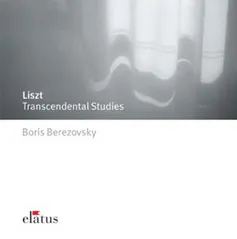
Transcendental Studies
Franz Liszt / Boris Berezovsky
Étude
New German School
Similar artists
4
/5
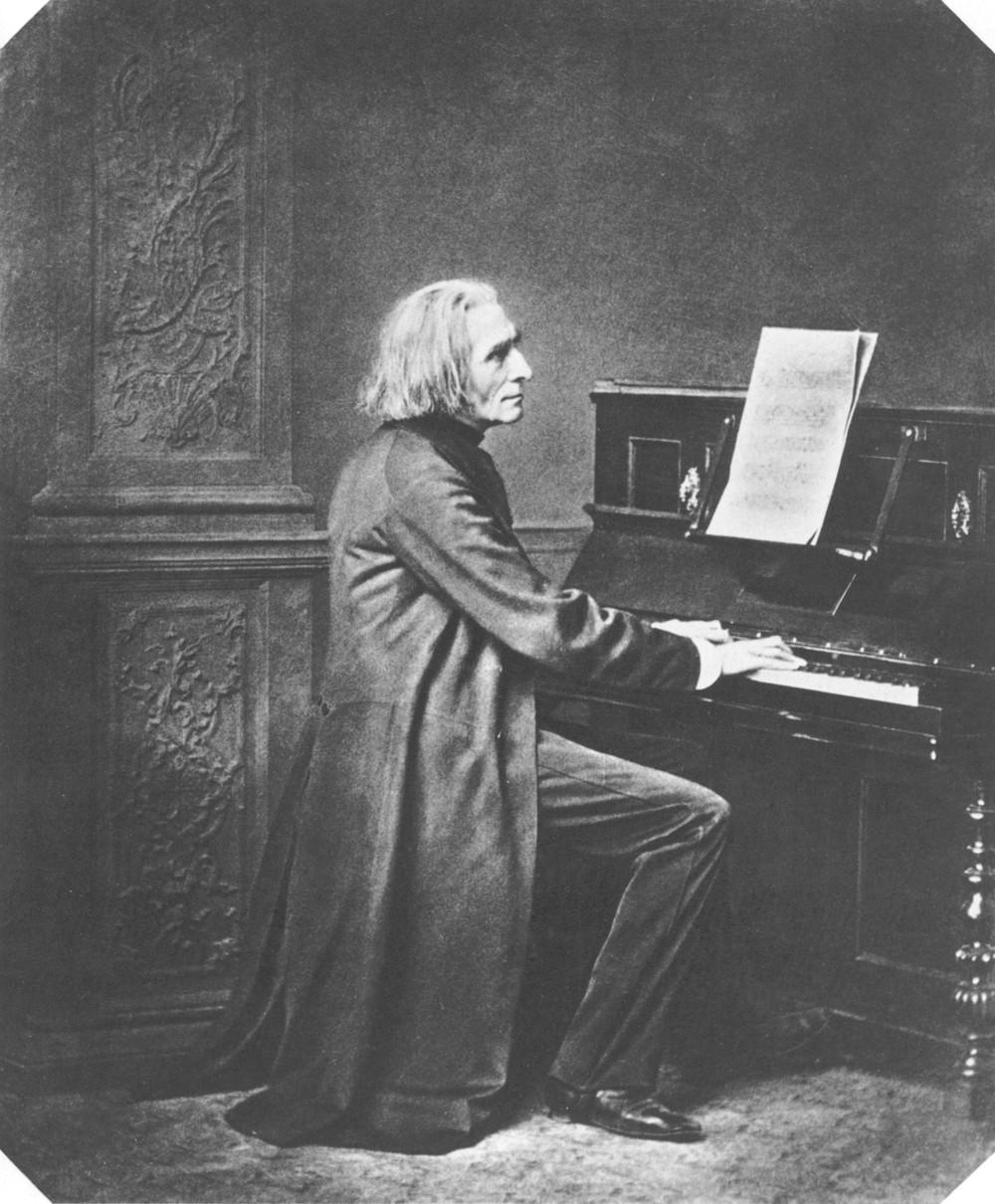
Franz Liszt
New German School
Classical
Classical Piano
4
/5
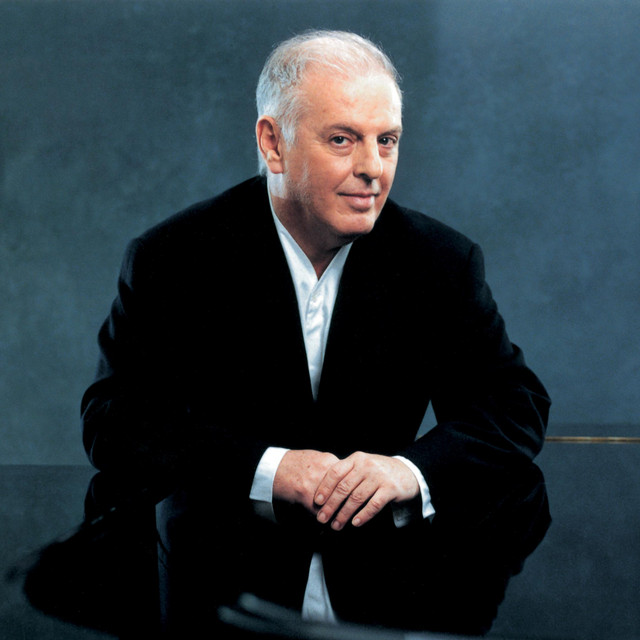
Daniel Barenboim
Impressionism
Classical
Chamber Music
3
/5
Daniil Trifonov
Classical
Classical Piano
Étude
3
/5
Claudio Arrau
Character Piece
Classical
Classical Piano
2
/5
Lazar Berman
Classical
Classical Piano
Character Piece
4
/5
Johann Sebastian Bach
Baroque
Classical
Baroque Suite
4
/5
Wolfgang Amadeus Mozart
Classical
Requiem
Classical Period
4
/5
Ludwig van Beethoven
Classical
Classical Period
Romantic Classical
4
/5
Johannes Brahms
Chamber Music
Classical
Classical Piano
4
/5
Franz Schubert
Impromptu
Lied
Art Song
Download our mobile app
Get the Melodigging app and start digging for new genres on the go
Download on the App Store
Get it on Google Play
© 2026 Melodigging
Give feedback
Legal
Melodding was created as a tribute to
Every Noise at Once
, which inspired us to help curious minds keep digging into music's ever-evolving genres.