Genres
Artists
Albums
Make Music
Sign in
Sign in
Artists
Classical
Artists
Classical
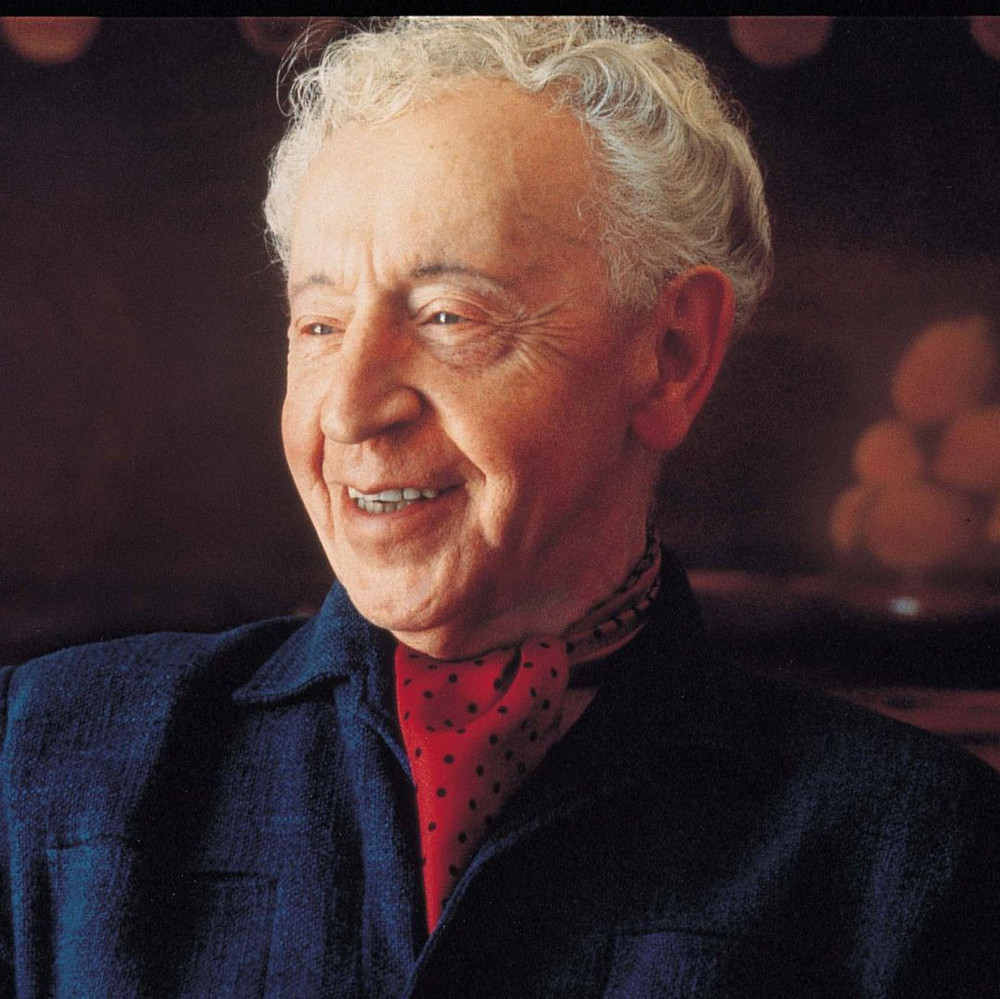
Arthur Rubinstein
1964–2010
·
5 albums
Listen
3
/5
Genres
Organic Ambient
Organic ambient is a strain of ambient music that emphasizes natural, acoustic, and tactile timbres over purely synthetic ones. Its sound world is built from softly mic’d pianos and guitars, mallet percussion, strings, voice layers, and environmental field recordings (wind, water, birds, room tone), then gently processed with spacious reverbs, tape warmth, and subtle granular or delay treatments. Compared with classic electronic ambient, the adjective “organic” points to breath, touch, and the audible presence of rooms and spaces: creaking pedals, bow noise, finger sounds on strings, and a bed of environmental sound. Harmony tends toward consonant, slowly evolving chords; rhythm is minimal or absent; and dynamics are restrained, inviting calm, contemplation, and connection with place.
Discover
Listen
Pianissimo
Pianissimo is a contemporary micro‑genre centered on very soft, intimate piano music designed for calm focus, rest, and reflection. It borrows the classical dynamic marking “pp” (very soft) as an aesthetic principle: close‑miked, felt‑damped pianos, sparse harmonies, slow tempos, and generous ambience. Emerging alongside the streaming era’s focus/sleep/reading playlists, the style sits between post‑classical minimalism and ambient music. Pieces are typically short miniatures, diatonic and melodic, with unobtrusive movement—music that can live comfortably in the background yet rewards attentive listening. Occasional cello or soft strings, subtle tape hiss, and long reverbs are common textural companions. Historically it traces a line from Satie’s quiet piano idiom and the American minimalist school to the 2000s–2010s “neo‑classical” wave (Einaudi, Frahm, Arnalds), but with an explicitly hushed, domestic sound that foregrounds tenderness, space, and restraint.
Discover
Listen
Character Piece
A character piece (German: Charakterstück) is a short, single-movement work—most often for solo piano—designed to evoke a specific mood, scene, or persona. Typically lasting one to five minutes, it prioritizes vivid expression and atmosphere over large-scale form. Titles are often descriptive (e.g., Nocturne, Impromptu, Romance, Intermezzo, Barcarolle), guiding the listener’s imagination. Musically, character pieces favor singable melodies, rich but economical harmony, clear textures, and flexible tempo (rubato). Common plans include ternary (ABA) or through-composed designs, with coloristic pedaling and nuanced dynamic shaping to paint the intended character. While the piano repertory dominates, the aesthetic extends to other instruments and small ensembles, and it remains central in pedagogy and concert encores.
Discover
Listen
Nocturne
A nocturne is a short, lyrical character piece that evokes the atmosphere of night, most commonly written for solo piano. It features a cantabile, song-like melody that floats over a gentle, arpeggiated or broken-chord accompaniment, inviting rubato and nuanced pedaling. Originating with the Irish composer John Field and canonized by Frédéric Chopin, nocturnes typically explore intimate emotions—tenderness, melancholy, and reverie—through expressive harmony, chromatic inflections, and spacious pacing. While the piano nocturne is the norm, later composers also wrote orchestral and vocal "nocturnes" that broaden the palette while retaining the essential nocturnal mood.
Discover
Listen
Romantic Classical
Romantic classical (Romantic-era) music is the 19th‑century phase of Western art music in which expression, individuality, and imagination came to the fore. Composers expanded the orchestra, embraced chromatic harmony and bold modulations, and favored long‑breathed, emotive melodies. Aligned with the wider Romantic movement in literature and the arts, it prized the subjective—love, nature, the supernatural, nationalism, and the sublime—often through programmatic narratives. New and transformed genres (the symphonic poem, grand opera, the art song/Lied, concert overtures) coexisted with reimagined Classical forms (symphony, sonata, concerto) that grew in scale and harmonic daring. From ca. 1800 through the early 20th century, Romantic music stretched from Beethoven’s heroic style and Schubert’s lyricism to Wagner’s leitmotivic dramas and Tchaikovsky’s symphonic ballet-infused language, culminating in late-Romantic gigantism and post-Romantic continuations.
Discover
Listen
Romanticism
Romanticism in music is a 19th‑century movement that prioritizes individual expression, emotional intensity, and evocative storytelling over the balanced clarity of the Classical era. It expands harmony with richer chromaticism and distant modulations, stretches forms (longer developments, cyclic structures), and favors flexible tempo (rubato) and extreme dynamics. Orchestras grow in size and color (tuba, piccolo, contrabassoon, harp, expanded brass and percussion), while the piano becomes a primary vehicle for intimate expression and virtuoso display. Key genres include the art song (Lied), character piece, symphony and symphonic poem, and grand opera with leitmotifs. Program music—works that narrate scenes, poems, or ideas—stands alongside absolute music, both suffused with heightened subjectivity, nature imagery, nationalism, and the sublime.
Discover
Listen
Waltz
Waltz is a dance-music genre in triple meter, most commonly in 3/4 time, marked by a strong accent on the first beat and the characteristic “oom–pah–pah” accompaniment (bass note followed by two chords). Emerging from Central European folk dances and adopted by urban salons, the waltz spans both functional dance repertoire and concert pieces for piano or orchestra. Tempos vary by style: the Viennese waltz is fast and flowing, while the slow/English waltz is measured and lyrical. Melodies are typically long-breathed and cantabile, with 8- or 16-bar phrases and frequent modulations to closely related keys. The genre is culturally tied to Vienna and the Habsburg lands, where composers such as the Strausses and Lanner helped codify its form, but it has since permeated ballroom traditions, art music, folk repertoires, film, and popular music worldwide.
Discover
Listen
Classical Piano
Classical piano is the tradition of composing and performing music for the acoustic piano within the Western classical lineage. It emphasizes formal clarity, tonal harmony, contrapuntal writing, and expressive nuance across the full compass of the instrument. Its core repertoire ranges from Classical-era sonatas and variations to Romantic character pieces, études, dances, and 20th-century impressionistic and modernist works. Pianists exploit dynamics, articulation, pedaling, and touch to shape phrases, imitate orchestral textures, and project both intimate lyricism and large-scale drama.
Discover
Listen
Mazurka
The mazurka is a Polish folk dance and musical genre in triple meter, characterized by strong accents on the second or third beat and by distinctive dotted and syncopated rhythms. It originated in the Mazovia region of Poland and became both a social dance and an instrumental idiom. In the 19th century the mazurka moved from village floors to European salons and concert halls, where composers—most famously Frédéric Chopin—transformed it into a refined art-music genre while preserving its rustic rhythmic markers and modal colorings. Today, the mazurka exists as a living folk dance tradition and as a classical piano form, emblematic of Polish musical identity.
Discover
Listen
Polonaise
The polonaise is a stately Polish processional dance and musical form in triple meter whose name (from the French “polonaise,” meaning “Polish”) reflects its courtly origins. It is characterized by a noble, walking gait; strong emphasis on the first beat; and a hallmark rhythmic cell often rendered as an upbeat followed by a dotted or two‑sixteenth pattern within 3/4 time. Emerging from earlier Polish walking dances (chodzony), the polonaise became a prominent court and ballroom dance across Europe in the 18th century and, in the 19th century, a stylized pianistic and orchestral genre. In Poland, it carries strong cultural associations with national identity, ceremony, and patriotic expression, famously elevated by Chopin.
Discover
Listen
Classical
Classical music is the notated art-music tradition of Europe and its global descendants, characterized by durable forms, carefully codified harmony and counterpoint, and a literate score-based practice. The term “classical” can refer broadly to the entire Western art-music lineage from the Medieval era to today, not just the Classical period (c. 1750s–1820s). It privileges long-form structures (such as symphonies, sonatas, concertos, masses, and operas), functional or modal harmony, thematic development, and timbral nuance across ensembles ranging from solo instruments to full orchestras and choirs. Across centuries, the style evolved from chant and modal polyphony to tonal harmony, and later to post-tonal idioms, while maintaining a shared emphasis on written notation, performance practice, and craft.
Discover
Listen
Polish Music
Polish music is the umbrella term for the musical traditions and industries of Poland, spanning sacred chant, folk idioms, art (classical) music, jazz, rock, and contemporary pop and hip hop. Across centuries, it is characterized by the fusion of European art-music forms with distinctively Polish folk rhythms and melodies, most famously the triple‑meter national dances such as the mazurka, polonaise, oberek, kujawiak, and krakowiak. Lyrical, songful melodies and modal inflections from Slavic folk practice coexist with the harmonic language of Western classical music. In the 20th century, Polish music became a global reference point for avant‑garde orchestral color (sonorism) and choral writing, while also nurturing one of Europe’s most vibrant jazz scenes and a resilient rock culture. Today, it includes a prolific mainstream of pop, rap, and electronic music that still resonates with folk and classical heritage.
Discover
Listen
Western Classical
Western classical is the notated art-music tradition that developed in Europe from medieval Christian chant into the large-scale secular and sacred forms of the Baroque, Classical, Romantic, and modern eras. It is characterized by staff notation, evolving systems of modality and tonality, and forms such as symphony, sonata, concerto, mass, opera, and chamber music. Across its history, Western classical established an extensive theory of harmony and counterpoint, refined orchestration across strings, winds, brass, and percussion, and cultivated performance practices from a cappella chant to full symphonic and operatic forces. Its repertoire, pedagogy, and institutions (conservatories, orchestras, opera houses) made it a global reference point for compositional craft and instrumental technique.
Discover
Listen
Show all 13 genres
Albums
2010
1
/5
Nocturnes (Complete)
Frédéric Chopin / Artur Rubinstein
Nocturne
Character Piece
1967
2
/5
The Mazurkas
Frédéric Chopin / Artur Rubinstein
Mazurka
Classical
1965
3
/5
The Nocturnes
Frédéric Chopin / Artur Rubinstein
Character Piece
Romanticism
Romantic Classical
1965
3
/5
The Chopin Collection: 7 Polonaises
Frédéric Chopin / Artur Rubinstein
Polonaise
Polish Music
1964
3
/5
The Chopin Collection: The Waltzes
Frédéric Chopin / Artur Rubinstein
Waltz
Similar artists
4
/5
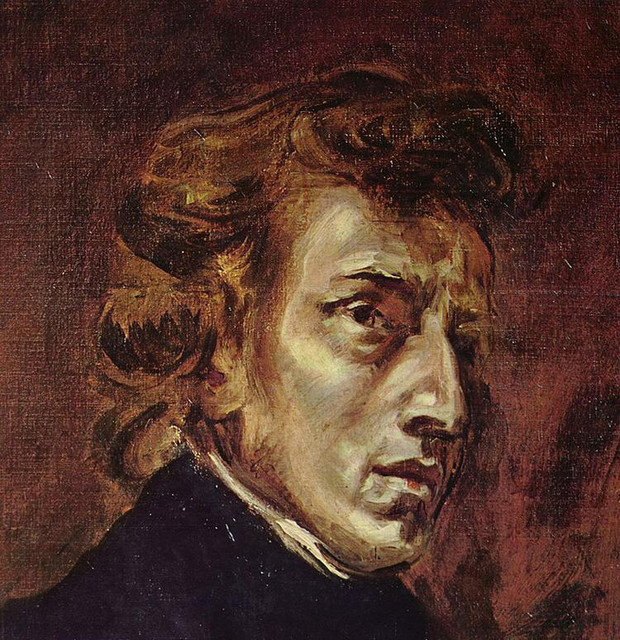
Frédéric Chopin
Classical
Character Piece
Nocturne
3
/5
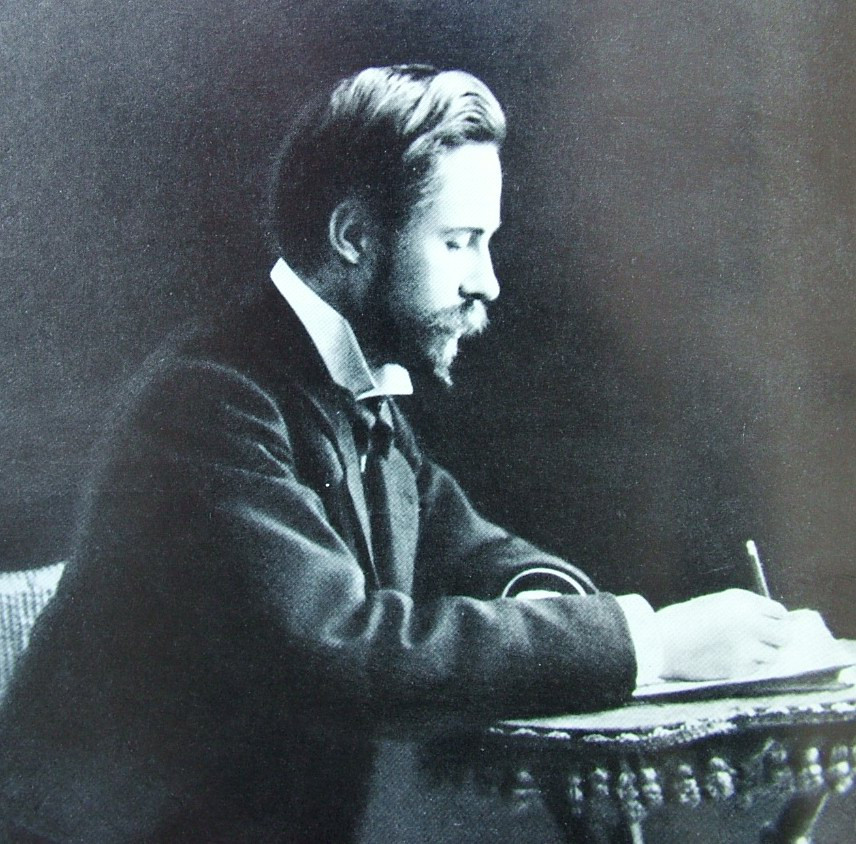
Alexander Scriabin
Classical
Mazurka
Classical Piano
4
/5
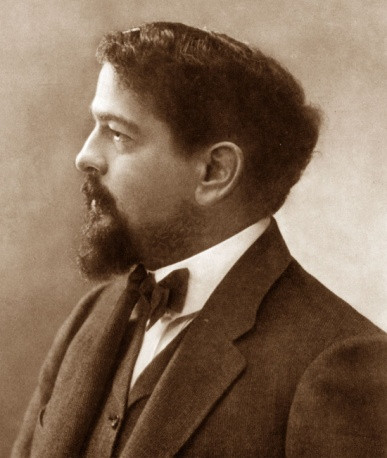
Claude Debussy
Impressionism
Classical
Classical Piano
4
/5
Daniel Barenboim
Impressionism
Classical
Chamber Music
4
/5
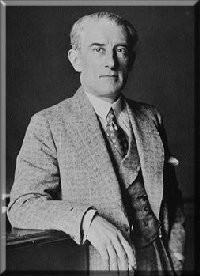
Maurice Ravel
Impressionism
Classical
Neoclassicism
3
/5
Alice Sara Ott
Classical
Classical Piano
Character Piece
3
/5
John Field
Nocturne
Character Piece
Classical
3
/5
Claudio Arrau
Character Piece
Classical
Classical Piano
4
/5
Maurizio Pollini
Classical
Classical Performance
Classical Piano
3
/5
Maria João Pires
Chamber Music
Classical Performance
Classical
Download our mobile app
Get the Melodigging app and start digging for new genres on the go
Download on the App Store
Get it on Google Play
© 2026 Melodigging
Give feedback
Legal
Melodding was created as a tribute to
Every Noise at Once
, which inspired us to help curious minds keep digging into music's ever-evolving genres.