Genres
Artists
Albums
Make Music
Sign in
Sign in
Artists
Classical
Artists
Classical
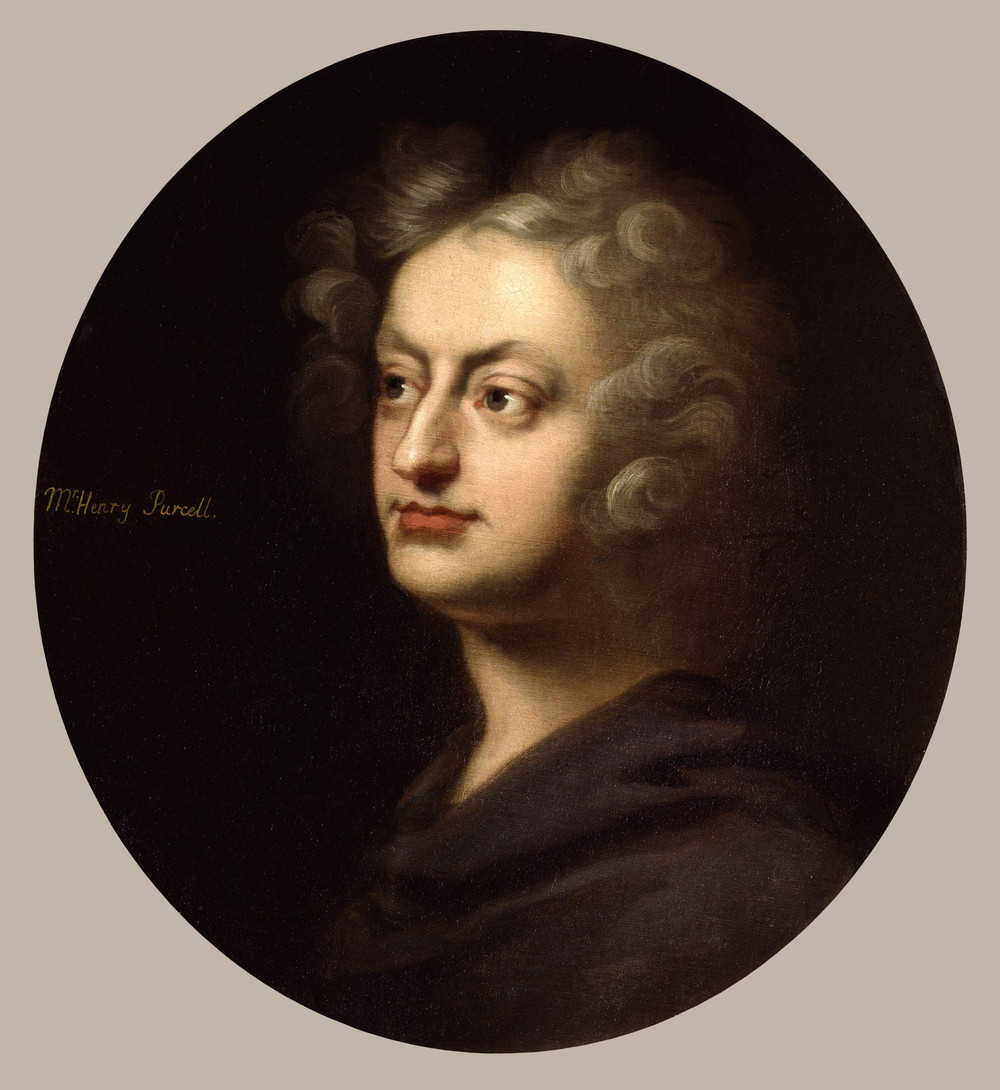
Henry Purcell
1977–2021
·
6 albums
Listen
3
/5
Genres
Channel Pop
Channel pop is a digital-era strain of mainstream pop shaped by video and creator platforms—especially YouTube and later TikTok and Instagram—where artists build audiences through frequent uploads on their own “channels.” Musically it favors intimate, highly polished but close-mic’d vocals, acoustic guitar or piano-led arrangements, restrained beats, and succinct, playlist-friendly structures. Many releases are cover-first (reimagining recent chart hits) with a steady flow of glossy singles, session-style performances, and creator collaborations that gradually blend into original material. Titles, artwork, and release cadence are optimized for search and recommendation algorithms, yielding a sound that is simultaneously personal and platform-aware.
Discover
Listen
Funeral March
A funeral march is a slow, processional march composed to accompany or evoke rites of mourning, commemoration, and state or military funerals. It typically features a measured, steady pulse that mimics the cadence of a procession, sombre minor keys, and dark orchestral colors. While the form appears in diverse contexts—from stand‑alone band pieces to movements within symphonies and operas—its musical fingerprint is consistent: heavy dotted rhythms, low-register emphasis (brass, bassoons, cellos/basses), restrained dynamics, and melodic lines that unfold with dignified gravity. A contrasting lyrical middle section (often in a relative or parallel major) before a return of the opening strain is common. Over time, the funeral march became a powerful expressive archetype, shaping the musical language of public mourning and becoming a recurring topos in concert music and beyond.
Discover
Listen
March
A march is a musical genre and form designed to accompany orderly movement, most commonly military processions, parades, and ceremonial events. It is typically in duple meter (2/4 or 4/4) or compound duple (6/8), with a steady tempo that supports synchronized stepping. Classical and concert marches evolved a characteristic multi-strain structure: an introduction, two strains, a key-changing trio, a break strain ("dogfight"), and a final strain, often with a strong cadential "stinger." Instrumentation centers on winds and percussion—brass, woodwinds, snare and bass drums, and cymbals—producing a bright, projecting sonority suitable for outdoor performance. While the style is pan-European in origin, the late-19th- and early-20th-century "golden age" of the American march, led by John Philip Sousa, codified the concert march’s form, orchestration, and performance practice, influencing wind band music worldwide.
Discover
Listen
Baroque
Baroque is a period and style of Western art music spanning roughly 1600–1750. It is characterized by the birth of functional tonality, the widespread use of basso continuo (figured bass), and a love of contrast—between soloist and ensemble, loud and soft, and different timbres. Hallmark genres and forms of the era include opera, cantata, oratorio, concerto (especially the concerto grosso), dance suite, sonata, and fugue. Textures range from expressive monody to intricate counterpoint, and melodies are richly ornamented with trills, mordents, and appoggiaturas. Baroque music flourished in churches, courts, and theaters across Europe, with regional styles (Italian, French, German, English) shaping distinctive approaches to rhythm, dance, harmony, and ornamentation.
Discover
Listen
Opera
Opera is a large-scale theatrical genre that combines music, drama, and visual spectacle, in which the story is primarily conveyed through singing accompanied by an orchestra. It unites solo voices, ensembles, and chorus with staging, costumes, and often dance to create a total artwork. Emerging in late Renaissance Italy and flourishing in the Baroque era, opera developed signature forms such as recitative (speech-like singing that advances the plot) and aria (lyrical numbers that explore character and emotion). Over the centuries it evolved diverse national styles—Italian bel canto, French grand opéra, German music drama—while continually experimenting with orchestration, harmony, narrative structure, and stagecraft.
Discover
Listen
Fantasia
Fantasia (or fantasy/fantasie) is a classical composition type defined by an improvisatory character, flexible form, and the free development of one or more motives. Unlike strict dance forms or fugues, a fantasia typically privileges invention, dramatic contrast, and rhapsodic flow over predetermined structures. Emerging in the Renaissance with vihuela, lute, viol consort, and keyboard repertories, the fantasia evolved through the Baroque (notably on harpsichord and organ) and was later adopted by Classical and Romantic composers for piano and orchestra. Across eras, common threads include sectional design, sudden textural changes, imitative counterpoint, and exploration of harmony from modal to chromatic languages.
Discover
Listen
Classical
Classical music is the notated art-music tradition of Europe and its global descendants, characterized by durable forms, carefully codified harmony and counterpoint, and a literate score-based practice. The term “classical” can refer broadly to the entire Western art-music lineage from the Medieval era to today, not just the Classical period (c. 1750s–1820s). It privileges long-form structures (such as symphonies, sonatas, concertos, masses, and operas), functional or modal harmony, thematic development, and timbral nuance across ensembles ranging from solo instruments to full orchestras and choirs. Across centuries, the style evolved from chant and modal polyphony to tonal harmony, and later to post-tonal idioms, while maintaining a shared emphasis on written notation, performance practice, and craft.
Discover
Listen
Choral
Choral refers to music written for and performed by a choir—an ensemble of voices organized into sections such as soprano, alto, tenor, and bass (SATB), or same-voice groupings (SSA, TTBB). It encompasses both sacred and secular repertoire and may be sung a cappella or with accompaniment by organ, piano, or full orchestra. Stylistically, choral music ranges from chant-like monophony to intricate polyphony and rich homophonic textures. Texts are drawn from liturgy, scripture, poetry, and vernacular sources, and are set in many languages. Performance contexts include church services, concert halls, and community events, making choral one of the most socially embedded and widely practiced forms of ensemble music. Across history, choral music has served as a laboratory for vocal counterpoint, word painting, and text-driven form, while functioning as a cultural bridge among religious rites, national traditions, and contemporary concert practice.
Discover
Listen
Show all 8 genres
Albums
2021
1
/5
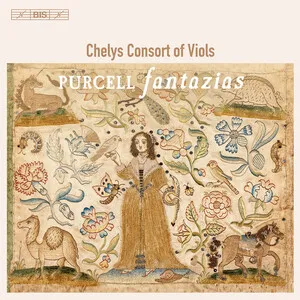
Fantazias
Henry Purcell / Chelys Consort of Viols
Fantasia
Classical
2009
1
/5
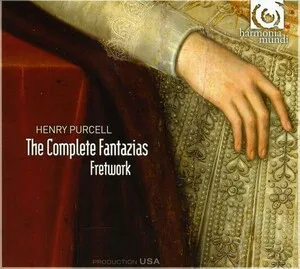
The Complete Fantazias
Henry Purcell / Fretwork
Fantasia
1997
1
/5
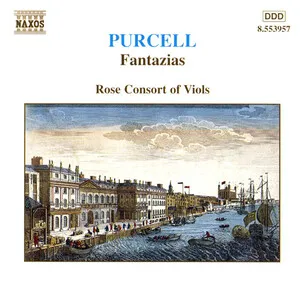
Fantazias
Henry Purcell / Rose Consort of Viols
Fantasia
1995
1
/5
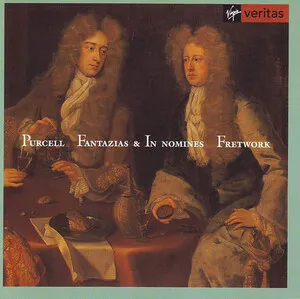
Fantazias & In nomines
Henry Purcell / Fretwork
Fantasia
1990
2
/5
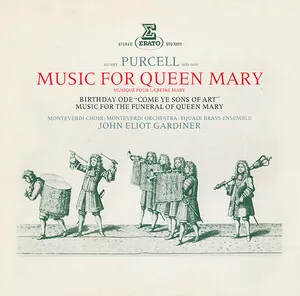
Music for Queen Mary
Henry Purcell
Funeral March
March
1977
2
/5
Funeral Music for Queen Mary; Five Anthems
Henry Purcell
Funeral March
March
Similar artists
4
/5
Academy of St. Martin in the Fields
Classical
Classical Performance
Baroque
3
/5
John Eliot Gardiner
Classical
Choral
Requiem
3
/5
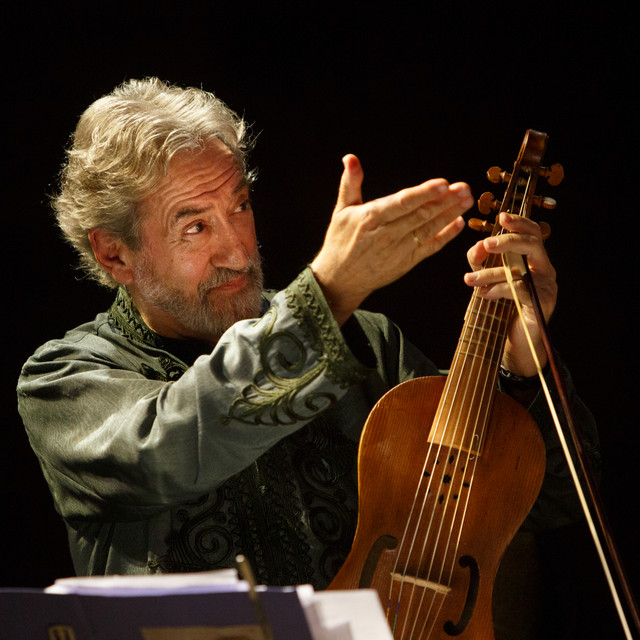
Jordi Savall
Renaissance
Baroque
Classical
3
/5
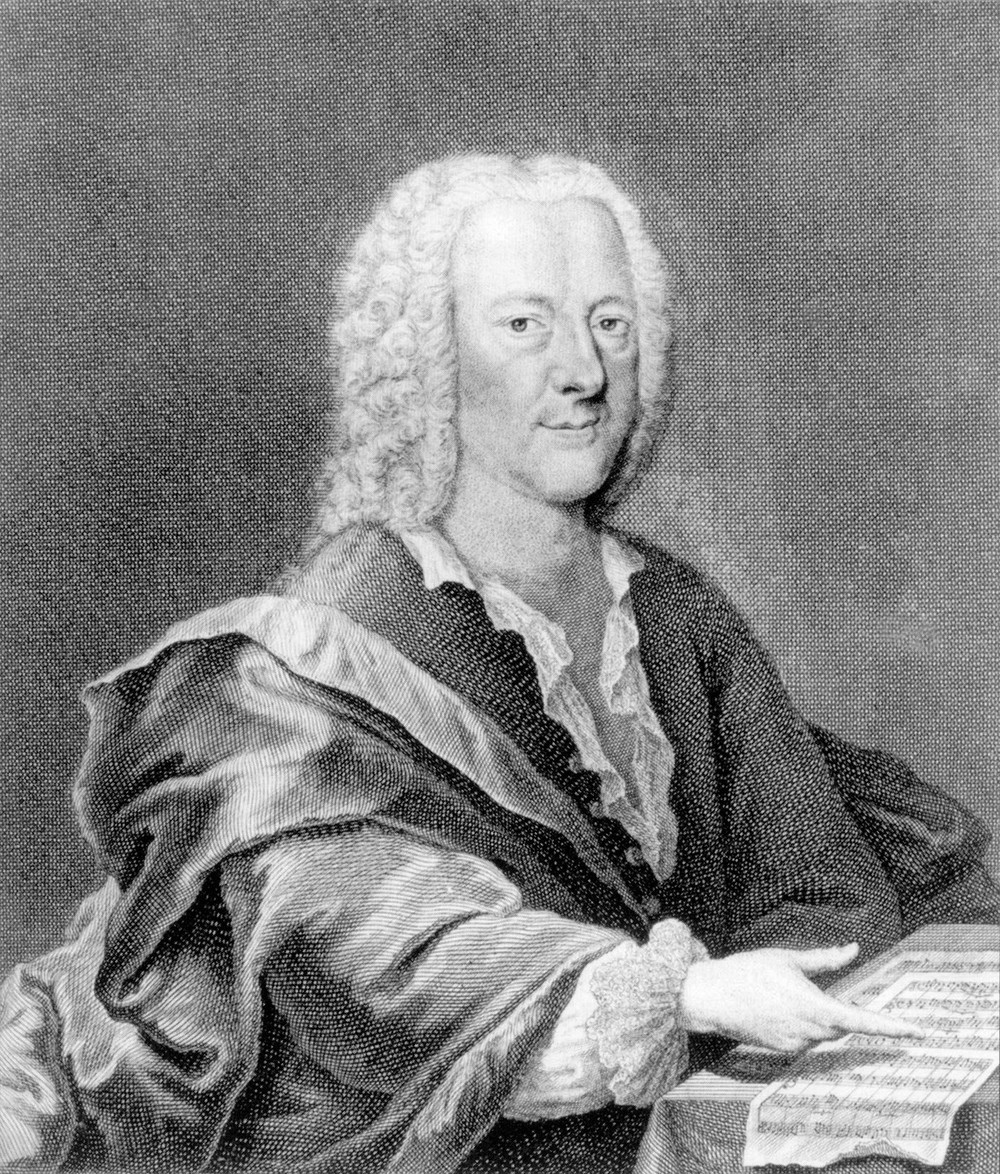
Georg Philipp Telemann
Fantasia
Baroque
Classical
3
/5
Fabio Biondi
Classical
Baroque
Concerto
3
/5
Carl Philipp Emanuel Bach
Baroque
Classical
Classical Piano
3
/5
Choir of King's College, Cambridge
Requiem
Choral
Christmas Music
4
/5
Johann Sebastian Bach
Baroque
Classical
Baroque Suite
4
/5
Antonio Vivaldi
Baroque
Classical
Opera Seria
4
/5
George Frideric Handel
Classical
Opera Seria
Baroque
Download our mobile app
Get the Melodigging app and start digging for new genres on the go
Download on the App Store
Get it on Google Play
© 2026 Melodigging
Give feedback
Legal
Melodding was created as a tribute to
Every Noise at Once
, which inspired us to help curious minds keep digging into music's ever-evolving genres.