Genres
Artists
Albums
Make Music
Sign in
Sign in
Artists
Requiem
Artists
Requiem
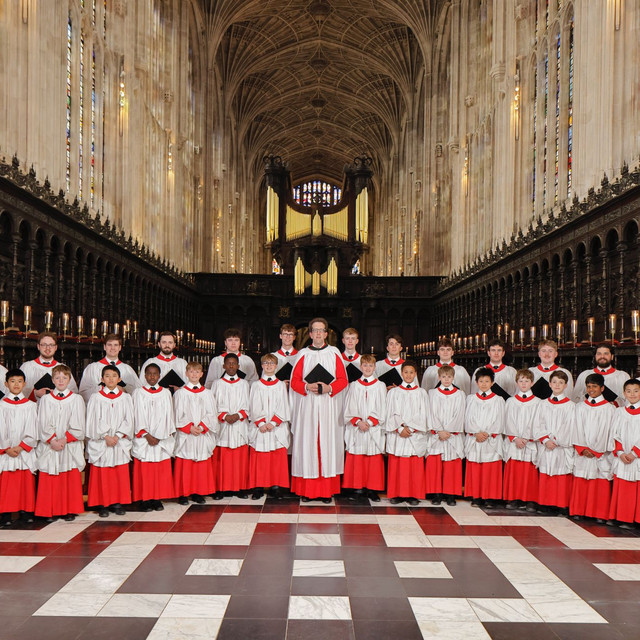
Choir of King's College, Cambridge
1977–2012
·
3 albums
Listen
3
/5
Genres
Meme
Meme is an internet-native umbrella genre for songs and audio clips that are created for, shaped by, or propelled through online meme culture. It blends humor, parody, and fast-turnaround production with infectious hooks designed to spread rapidly across platforms. Stylistically, meme music is eclectic. It can be rap, pop, EDM, rock, or mashup-driven collage; the common thread is comedic framing, referential lyrics, exaggerated vocal processing, and recognizable samples that cue shared online in-jokes. Tracks often favor short runtimes, bold punchlines, and instantly loopable sections optimized for social media. Because it thrives on virality rather than a fixed instrumentation set, meme functions as a meta-genre. It borrows techniques from mashup culture, YTPMV, soundclown, nightcore, and novelty/comedy traditions, while using platform-specific aesthetics from YouTube, SoundCloud, Vine, and TikTok.
Discover
Listen
Funeral March
A funeral march is a slow, processional march composed to accompany or evoke rites of mourning, commemoration, and state or military funerals. It typically features a measured, steady pulse that mimics the cadence of a procession, sombre minor keys, and dark orchestral colors. While the form appears in diverse contexts—from stand‑alone band pieces to movements within symphonies and operas—its musical fingerprint is consistent: heavy dotted rhythms, low-register emphasis (brass, bassoons, cellos/basses), restrained dynamics, and melodic lines that unfold with dignified gravity. A contrasting lyrical middle section (often in a relative or parallel major) before a return of the opening strain is common. Over time, the funeral march became a powerful expressive archetype, shaping the musical language of public mourning and becoming a recurring topos in concert music and beyond.
Discover
Listen
March
A march is a musical genre and form designed to accompany orderly movement, most commonly military processions, parades, and ceremonial events. It is typically in duple meter (2/4 or 4/4) or compound duple (6/8), with a steady tempo that supports synchronized stepping. Classical and concert marches evolved a characteristic multi-strain structure: an introduction, two strains, a key-changing trio, a break strain ("dogfight"), and a final strain, often with a strong cadential "stinger." Instrumentation centers on winds and percussion—brass, woodwinds, snare and bass drums, and cymbals—producing a bright, projecting sonority suitable for outdoor performance. While the style is pan-European in origin, the late-19th- and early-20th-century "golden age" of the American march, led by John Philip Sousa, codified the concert march’s form, orchestration, and performance practice, influencing wind band music worldwide.
Discover
Listen
Requiem
A requiem is a musical setting of the Roman Catholic Mass for the Dead (Missa pro defunctis). Historically rooted in Latin liturgy, it sets movements such as the Introit, Kyrie, (historically) the Sequence Dies irae, Offertory, Sanctus, Agnus Dei, and Communion, and often includes additional responsories like Libera me and In paradisum. While the earliest requiems were monophonic chants, the genre became a showcase for polyphonic and later symphonic choral writing. Renaissance composers wrote austere, modal settings; Classical and Romantic composers expanded the forces and dramatic scope; and 20th–21st century composers reimagined the form with new languages, from neo-modal and impressionistic harmonies to avant‑garde sonorities. Today, requiems appear both in liturgy and as concert works, symbolizing collective mourning, remembrance, and spiritual reflection.
Discover
Listen
Christmas Music
Christmas music is a body of sacred and secular repertoire associated with the celebration of Christmas and the winter season. It spans medieval carols, liturgical hymns, and oratorios through to 20th‑century Tin Pan Alley standards, crooner ballads, jazz‑swing arrangements, pop hits, gospel renditions, and contemporary acoustic or R&B interpretations. Stylistically it is diverse but often shares warm, nostalgic melodies, memorable choruses, and lyrics that reference the Nativity story, peace and goodwill, family gatherings, winter imagery, and figures like Santa Claus. Sleigh bells, choirs, strings, brass, and glockenspiel/celesta are common coloristic touches, while harmony ranges from simple I–IV–V progressions to richer jazz voicings. Its seasonal recurrence has made it a cultural tradition that reappears annually across radio, streaming, film, advertising, and public spaces.
Discover
Listen
Classical
Classical music is the notated art-music tradition of Europe and its global descendants, characterized by durable forms, carefully codified harmony and counterpoint, and a literate score-based practice. The term “classical” can refer broadly to the entire Western art-music lineage from the Medieval era to today, not just the Classical period (c. 1750s–1820s). It privileges long-form structures (such as symphonies, sonatas, concertos, masses, and operas), functional or modal harmony, thematic development, and timbral nuance across ensembles ranging from solo instruments to full orchestras and choirs. Across centuries, the style evolved from chant and modal polyphony to tonal harmony, and later to post-tonal idioms, while maintaining a shared emphasis on written notation, performance practice, and craft.
Discover
Listen
Sarum Chant
Sarum chant (the plainchant of the Use of Salisbury) is the medieval English variant of Western plainchant used across much of England, Wales, and parts of Ireland and Scotland before the Reformation. It belongs to the broader Gregorian tradition, but preserves local melodic, textual, and ceremonial peculiarities tied to the Sarum Rite. It is monophonic, modal, and unaccompanied, designed for Latin liturgical texts in the Mass and Divine Office. Its melodies range from simple recitation formulas to elaborate melismas, and its rhythm follows the natural accent and syntax of the text rather than strict meter. Distinct processional customs and a rich Proper (seasonal and festal chants) give the repertory its characteristic color.
Discover
Listen
Choral
Choral refers to music written for and performed by a choir—an ensemble of voices organized into sections such as soprano, alto, tenor, and bass (SATB), or same-voice groupings (SSA, TTBB). It encompasses both sacred and secular repertoire and may be sung a cappella or with accompaniment by organ, piano, or full orchestra. Stylistically, choral music ranges from chant-like monophony to intricate polyphony and rich homophonic textures. Texts are drawn from liturgy, scripture, poetry, and vernacular sources, and are set in many languages. Performance contexts include church services, concert halls, and community events, making choral one of the most socially embedded and widely practiced forms of ensemble music. Across history, choral music has served as a laboratory for vocal counterpoint, word painting, and text-driven form, while functioning as a cultural bridge among religious rites, national traditions, and contemporary concert practice.
Discover
Listen
Show all 8 genres
Albums
2012
2
/5
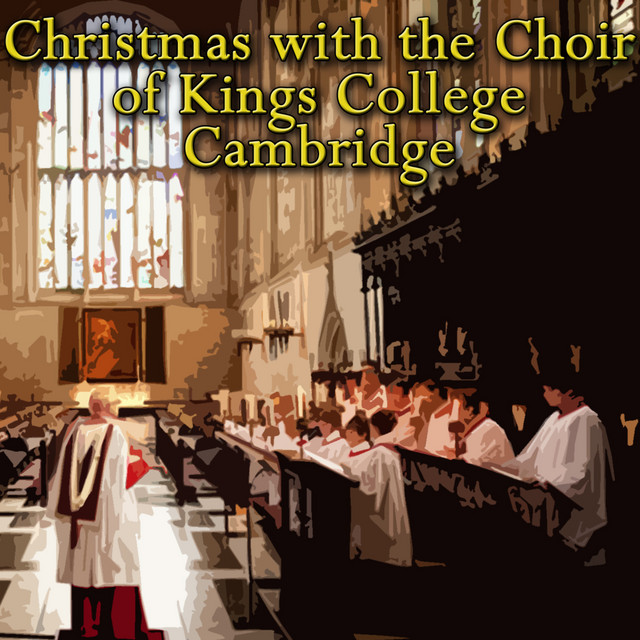
Christmas With The Choir Of Kings College, Cambridge
Choir of King's College, Cambridge
Requiem
2005
1
/5
Gregorian Chant
The Choir of King's College, Cambridge / Stephen Cleobury
Sarum Chant
1977
2
/5
Funeral Music for Queen Mary; Five Anthems
Henry Purcell
Funeral March
March
Similar artists
3
/5
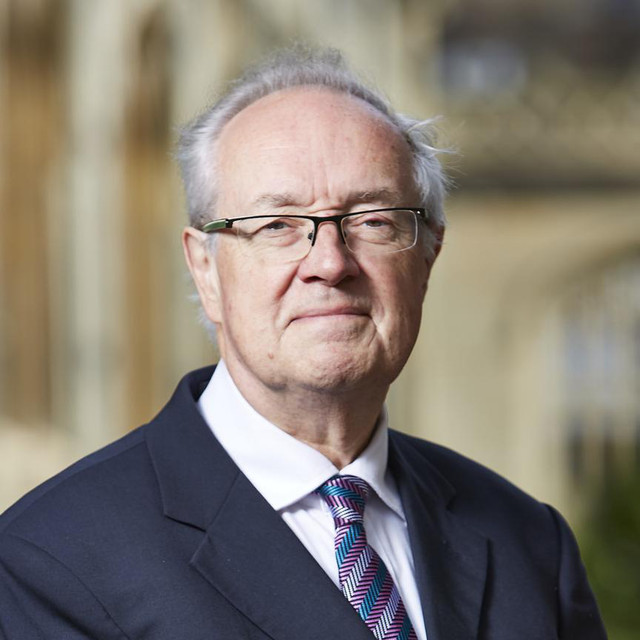
Stephen Cleobury
Requiem
Choral
Christmas Music
4
/5
Berliner Philharmoniker
Classical
Romantic Classical
Romanticism
3
/5
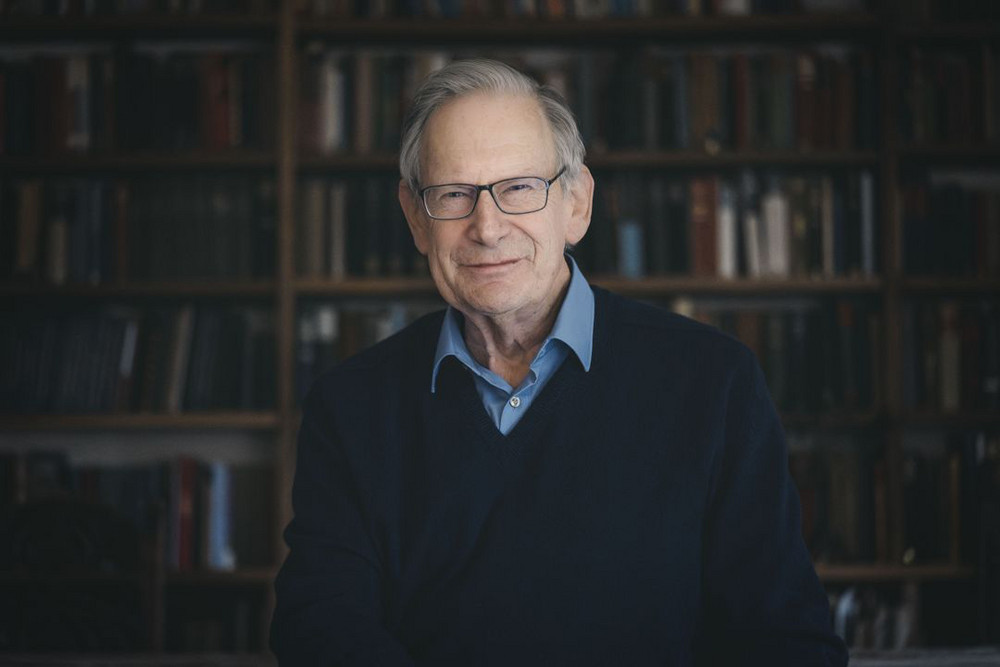
John Eliot Gardiner
Classical
Choral
Requiem
1
/5
Various Artists
Afro-Funk
Alternative Rock
Ambient
4
/5
Academy of St. Martin in the Fields
Classical
Classical Performance
Baroque
4
/5
Wolfgang Amadeus Mozart
Classical
Requiem
Classical Period
4
/5
Herbert von Karajan
Classical
Symphonic Poem
Symphony
4
/5
Wiener Philharmoniker
Classical
Romantic Classical
Romanticism
3
/5
Academy of Ancient Music
Classical
Choral
Requiem
3
/5
Collegium Vocale Gent
Classical
Baroque
Cantata
Download our mobile app
Get the Melodigging app and start digging for new genres on the go
Download on the App Store
Get it on Google Play
© 2026 Melodigging
Give feedback
Legal
Melodding was created as a tribute to
Every Noise at Once
, which inspired us to help curious minds keep digging into music's ever-evolving genres.