Genres
Artists
Albums
Make Music
Sign in
Sign in
Artists
Classical
Artists
Classical
English Chamber Orchestra
1967–1995
·
10 albums
Listen
4
/5
Genres
Deep Soundtrack
Deep soundtrack is a modern, cinematic substyle that emphasizes low, immersive textures, slow-moving harmony, and spacious ambience over bombast. It sits at the intersection of ambient music, post-classical scoring, and contemporary film/TV/game underscore, favoring drones, soft pulses, and intimate instruments (piano, strings, analog synths) treated with generous space and subtle sound design. Rather than foregrounding memorable themes or trailer-scale crescendos, deep soundtrack cultivates mood: tense, melancholic, or quietly hopeful. It is designed to sit under narrative, visuals, or concentration—music that breathes, evolves slowly, and suggests emotion without overwhelming it.
Discover
Listen
Pet Calming
Pet calming is a functional micro‑genre designed to reduce stress and arousal in companion animals—primarily dogs and cats—during triggering situations such as owner absence, fireworks, vet visits, thunderstorms, or travel. Musically it favors very slow tempos, sparse arrangements, soft timbres (piano, pads, gentle strings, warm guitars), long sustains, smooth envelopes, and stable, consonant harmonies. Dynamics are kept narrow and transients are tamed to avoid startle responses. Many releases add gentle environmental ambiences (rain, ocean, rustling leaves) or unobtrusive pink/white‑noise beds to mask external sounds. Structures are highly repetitive with gradual variation so the soundscape feels predictable and safe. While aimed at non‑human listeners, the genre is informed by animal‑behavior findings (e.g., predictable low‑arousal sound reduces stress) and by human relaxation idioms (ambient, new age, lullaby). It is commonly delivered as long‑form, streaming‑friendly content that owners can loop for hours.
Discover
Listen
Modern Uplift
Modern uplift is a streaming‑era microgenre label for contemporary, radio‑friendly pop/rock that emphasizes optimistic, motivational songwriting and anthemic, sing‑along choruses. It sits at the intersection of post‑grunge sheen and arena‑rock scale, updated with modern pop production touches. Compared with darker alternative strains, modern uplift favors major‑key progressions, mid‑tempo grooves, layered guitars and keys, and polished mixes designed to translate from headphones to large venues. Its lineage runs through 1990s–2000s post‑grunge’s radio‑ready polish and 1970s–1980s arena rock’s big, melodic hooks, reframed in the 2010s by streaming and playlist culture that grouped kindred artists under fine‑grained microgenre tags.
Discover
Listen
432hz
432hz is a wellness-oriented ambient/New Age micro-genre built around tuning music to the alternative concert pitch A=432 Hz instead of the modern standard A=440 Hz. In practice, 432hz releases are largely instrumental, slow-tempo, and reverb-rich, combining soft pads, drones, gentle piano, bowls/chimes, and nature sounds. Tracks are marketed for relaxation, meditation, yoga, sleep, and "energy" or "chakra" work, and are frequently tagged with wellness keywords. While advocates claim psychoacoustic or physiological benefits from 432 Hz tuning, these claims remain unproven; the sound signature audiences respond to is the calm production, consonant harmony, and spacious mixing typical of ambient and New Age music. As a streaming-native style, 432hz thrives on platforms like YouTube and Spotify where long-form background listening, SEO-friendly titling, and looping visuals support use-cases such as study, mindfulness, and sleep.
Discover
Listen
Neoclassicism
Neoclassicism in music is a 20th‑century movement that revived forms, genres, and aesthetics from the Baroque and Classical eras, but reframed them with modern harmony, rhythm, and orchestration. It emphasizes clarity, balance, objectivity, and contrapuntal craft, often rejecting late‑Romantic excess while retaining a tonal or modal center enriched by dissonance, bitonality, and crisp rhythmic drive. Typical hallmarks include neobaroque dance suites, neoclassical sonatas and concerti, chamber‑oriented scoring, clean textures, and a dry, anti‑rhetorical performance style.
Discover
Listen
Chamber Orchestra
A chamber orchestra is a small, flexible orchestra typically ranging from about 15 to 45 musicians. It preserves the clarity and intimacy of chamber music while retaining orchestral color and range. Compared with a full symphony orchestra, it uses reduced forces—often single or paired winds and brass, a compact string body, and limited percussion—producing a transparent, agile sound. Chamber orchestras perform repertoire from the Baroque and Classical eras through to contemporary works, and they frequently revive older pieces with historically informed approaches. The format lends itself to conductor-led or conductorless performance, encouraging close ensemble listening, elegant phrasing, and finely detailed articulation.
Discover
Listen
Género Chico
Género chico is a Spanish one-act musical theatre style that flourished in Madrid in the late 19th century. It is essentially the short, popular, and affordable counterpart to the larger-scale zarzuela (often called género grande). Typically lasting under an hour, género chico combines spoken dialogue with catchy songs, dances, and choruses rooted in urban life. Its stories portray everyday characters, local slang, and street settings (costumbrismo), often with topical satire and humor. Musically, it draws on fashionable dances and song-types of the period—such as chotis, habanera, and pasodoble—woven into tuneful, diatonic numbers that are easy to remember and sing. Because of its brevity, immediacy, and low ticket prices under the “teatro por horas” system, género chico became a mass urban entertainment, producing enduring classics and shaping Spanish popular stage music well into the 20th century.
Discover
Listen
Opera Semiseria
Opera semiseria is an Italian operatic subgenre that blends the elevated, noble tone of opera seria with the lively wit and stock comic figures of opera buffa. Its stories often revolve around pastoral or small-town settings, endangered innocence, sudden reversals of fortune, and a rescue or reconciliation that leads to a happy ending (lieto fine). Musically, it sits within the late Classical and early Romantic bel canto idiom: graceful cantabile melodies, virtuosic cabalettas, buoyant ensembles, and theatrically charged finales are typical. A hallmark is the coexistence of a noble soprano or tenor with a basso buffo (comic bass), allowing serious pathos and comic relief to interweave within the same drama.
Discover
Listen
Opera Buffa
Opera buffa is an Italian comic opera tradition that crystallized in the early 18th century as a lively, vernacular counterpart to opera seria. It features everyday characters, social satire, rapid-fire patter singing (especially for the basso buffo), and bustling ensemble finales that drive the drama forward. Musically it favors clear, galant-era melody, diatonic harmony, recitativo secco with continuo in earlier works, and increasingly sophisticated multi-voice ensembles. Plotlines draw on commedia dell’arte archetypes and revolve around mistaken identities, class tensions, and witty intrigues, presented in the Italian language with crisp, syllabic text setting.
Discover
Listen
Concerto
A concerto is a large-scale composition that sets one or more solo instruments in dynamic dialogue with an orchestra. Its core idea is contrast—between soloist and tutti—and the dramatic negotiation of power, color, and thematic responsibility. While Baroque concertos often relied on ritornello form, the Classical era standardized a three-movement plan (fast–slow–fast) with sonata principles in the opening movement. The Romantic period emphasized virtuosity and expressive foregrounding of the soloist, and the 20th–21st centuries broadened the palette with new instruments, harmonies, and formats. Across eras, the concerto remains a showcase for instrumental character, technical brilliance, and the art of orchestral conversation.
Discover
Listen
Concerto Grosso
A concerto grosso is a Baroque-era orchestral form built on contrasts between a small group of soloists (the concertino) and the full ensemble (the ripieno or tutti). It typically features strings with basso continuo, terraced dynamics, antiphonal dialogue, and clear tonal harmony. Two principal subtypes emerged: the church-oriented sonata da chiesa (often in a four-movement slow–fast–slow–fast plan) and the dance-inflected sonata da camera (suite-like movements). The genre highlights thematic exchange, sequences, and imitation, with the concertino—often two violins and cello—embroidered against broader tutti refrains. Corelli’s models codified its syntax, and Handel’s sets represent its late-Baroque culmination.
Discover
Listen
Zarzuela
Zarzuela is a Spanish lyric‑dramatic genre that alternates spoken dialogue with sung numbers such as romanzas (arias), ensembles, and choruses. It blends courtly and popular musical idioms, weaving in Spanish dance rhythms (seguidillas, fandangos, jotas, chotis) and vivid costumbrista (everyday-life) scenes. Two principal formats emerged: the expansive zarzuela grande (multi‑act, operatic in scope) and the género chico (one‑act, agile, and often comedic). Across all forms, zarzuela prizes clear storytelling, tuneful melodies, rhythmic vitality, and a strong sense of place, often portraying Madrid’s barrios or regional Spain with humor, sentiment, and social observation.
Discover
Listen
Baroque
Baroque is a period and style of Western art music spanning roughly 1600–1750. It is characterized by the birth of functional tonality, the widespread use of basso continuo (figured bass), and a love of contrast—between soloist and ensemble, loud and soft, and different timbres. Hallmark genres and forms of the era include opera, cantata, oratorio, concerto (especially the concerto grosso), dance suite, sonata, and fugue. Textures range from expressive monody to intricate counterpoint, and melodies are richly ornamented with trills, mordents, and appoggiaturas. Baroque music flourished in churches, courts, and theaters across Europe, with regional styles (Italian, French, German, English) shaping distinctive approaches to rhythm, dance, harmony, and ornamentation.
Discover
Listen
Chamber Music
Chamber music is a tradition of composed music for small ensembles—typically one player per part—intended for intimate spaces such as courts, salons, and private rooms rather than large public halls. Its aesthetic emphasizes clarity of texture, conversational interplay among parts, and balance without a conductor. Hallmark formations include the string quartet, piano trio, wind quintet, string quintet, and various mixed ensembles. Multi‑movement cycles (often in sonata form) and finely wrought counterpoint are common, ranging from Baroque trio sonatas to Classical string quartets and modern works with expanded timbres and techniques. Because of its scale and transparency, chamber music has long been a proving ground for compositional craft and ensemble musicianship, shaping the core of Western art music from the Baroque through the present.
Discover
Listen
Opera
Opera is a large-scale theatrical genre that combines music, drama, and visual spectacle, in which the story is primarily conveyed through singing accompanied by an orchestra. It unites solo voices, ensembles, and chorus with staging, costumes, and often dance to create a total artwork. Emerging in late Renaissance Italy and flourishing in the Baroque era, opera developed signature forms such as recitative (speech-like singing that advances the plot) and aria (lyrical numbers that explore character and emotion). Over the centuries it evolved diverse national styles—Italian bel canto, French grand opéra, German music drama—while continually experimenting with orchestration, harmony, narrative structure, and stagecraft.
Discover
Listen
Spanish Classical Music
Spanish classical music refers to the art-music tradition created by composers active in Spain from the Renaissance to the present, encompassing sacred polyphony, court and theatrical genres, instrumental idioms for guitar and keyboard, and nationalist currents that elevate regional dance and song types. It is characterized by the coexistence of European common-practice techniques with distinctively Iberian colors: modal inflections (especially the Phrygian flavor), the Andalusian cadence, dance-derived rhythms (fandango, seguidilla, jota, bolero), and an idiomatic centrality of the guitar alongside choirs, keyboard, chamber, and orchestral forces. Across centuries, Spanish composers have contributed both to pan-European classical forms (mass, motet, sonata, concerto, symphony, opera) and to uniquely Spanish hybrids (zarzuela, tonadilla), while absorbing deep historical layers that include medieval chant, Renaissance polyphony, and interactions with Sephardic, Moorish/Andalusian, and folk–flamenco traditions.
Discover
Listen
Classical
Classical music is the notated art-music tradition of Europe and its global descendants, characterized by durable forms, carefully codified harmony and counterpoint, and a literate score-based practice. The term “classical” can refer broadly to the entire Western art-music lineage from the Medieval era to today, not just the Classical period (c. 1750s–1820s). It privileges long-form structures (such as symphonies, sonatas, concertos, masses, and operas), functional or modal harmony, thematic development, and timbral nuance across ensembles ranging from solo instruments to full orchestras and choirs. Across centuries, the style evolved from chant and modal polyphony to tonal harmony, and later to post-tonal idioms, while maintaining a shared emphasis on written notation, performance practice, and craft.
Discover
Listen
Show all 17 genres
Albums
1995
3
/5
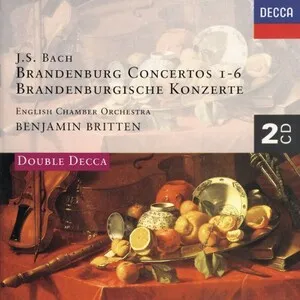
Brandenburg Concertos 1-6
Johann Sebastian Bach / English Chamber Orchestra / Benjamin Britten
Concerto Grosso
1989
3
/5
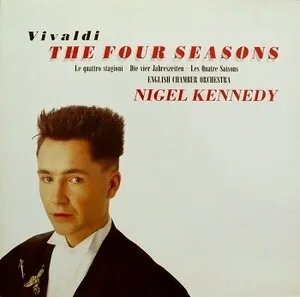
The Four Seasons
Antonio Vivaldi / English Chamber Orchestra / Nigel Kennedy
Concerto
Baroque
1989
1
/5
Orquestas de Oro, Vol. 5
English Chamber Orchestra
Baroque
1989
2
/5
Orquestas de Oro, Vol. 5
English Chamber Orchestra
Baroque
1988
1
/5
Un concierto de "género chico"
Federico Chueca
Género Chico
Zarzuela
1985
1
/5
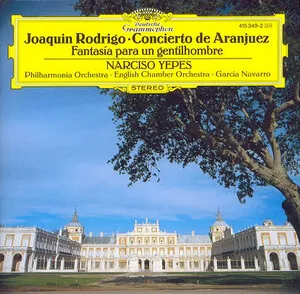
Concierto de Aranjuez; Fantasía para un gentilhombre
Joaquín Rodrigo
Spanish Classical Music
1977
1
/5
Il matrimonio segreto
Domenico Cimarosa
Opera Semiseria
Opera Buffa
1971
1
/5
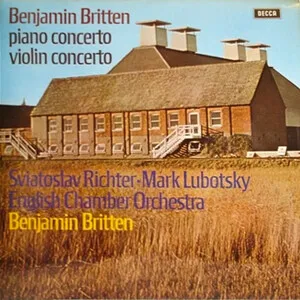
Piano Concerto; Violin Concerto
Benjamin Britten
Neoclassicism
1971
3
/5
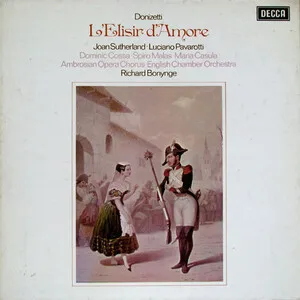
L'elisir d'amore
Gaetano Donizetti
Opera Buffa
1967
2
/5
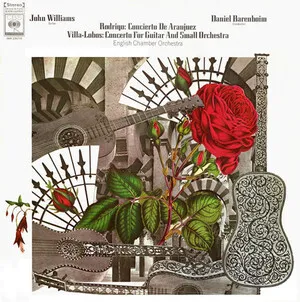
Concierto de Aranjuez / Concerto for Guitar and Small Orchestra
Joaquín Rodrigo / Heitor Villa-Lobos
Spanish Classical Music
Classical
Similar artists
4
/5
Daniel Barenboim
Impressionism
Classical
Chamber Music
3
/5
René Jacobs
Classical
Opera
Orchestral Performance
4
/5
Wolfgang Amadeus Mozart
Classical
Requiem
Classical Period
4
/5
Academy of St. Martin in the Fields
Classical
Classical Performance
Baroque
1
/5
Various Artists
Afro-Funk
Alternative Rock
Ambient
4
/5
Philharmonia Orchestra
Classical
Opera
Choral
3
/5
Il Giardino Armonico
Classical
Opera
Chamber Music
3
/5
Cecilia Bartoli
Opera Seria
Baroque
Classical
2
/5
Vienna Chamber Orchestra
Chamber Music
Classical
Opera
2
/5
Jean-Joseph Cassanéa De Mondonville
Chamber Music
Opera-Ballet
Baroque
Download our mobile app
Get the Melodigging app and start digging for new genres on the go
Download on the App Store
Get it on Google Play
© 2026 Melodigging
Give feedback
Legal
Melodding was created as a tribute to
Every Noise at Once
, which inspired us to help curious minds keep digging into music's ever-evolving genres.