Genres
Artists
Albums
Make Music
Sign in
Sign in
Artists
Chamber Music
Artists
Chamber Music
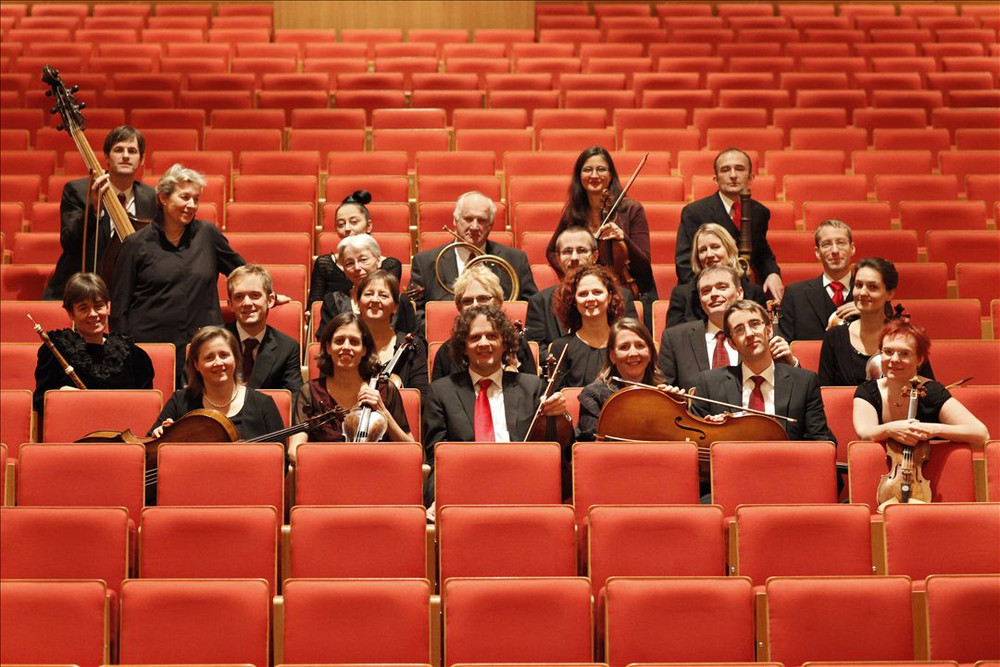
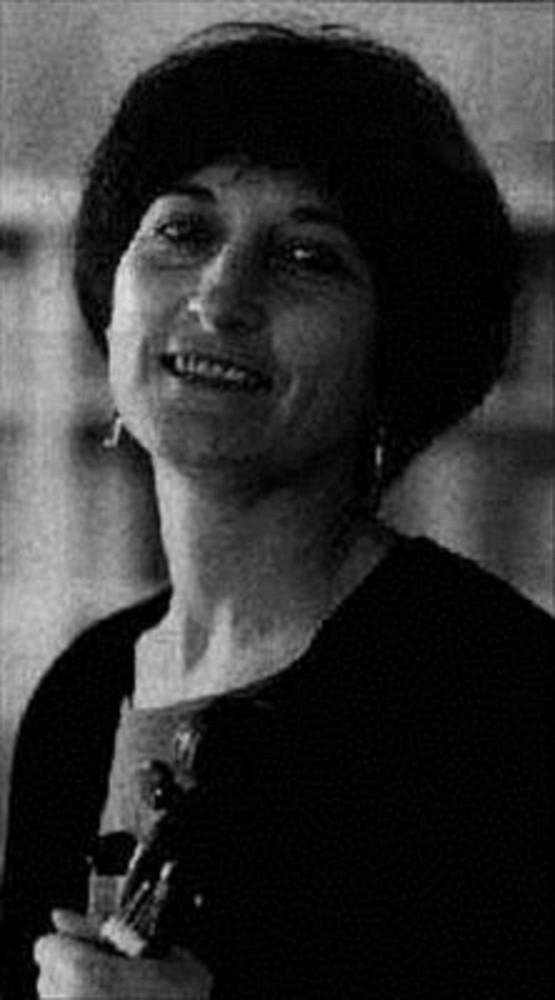
Michi Gaigg
1998–2017
·
3 albums
Listen
2
/5
Genres
Barockinterpreten
Barockinterpreten (German for “Baroque interpreters”) is a performer-focused category within Western classical that centers on historically informed performances (HIP) of 17th–18th century Baroque repertoire. It emphasizes period instruments, historical tunings, and style-sensitive articulation and ornamentation. Typical recordings feature smaller, agile ensembles, vivid rhythmic profiles (often derived from courtly dances), and continuo-led textures. Tempi, articulation, and dynamics aim for rhetorical clarity, with vibrato treated as an expressive ornament rather than a constant. The result is an energetic, transparent, and dance-inflected sound that contrasts with the heavier, Romantic-influenced Baroque of the mid-20th century mainstream.
Discover
Listen
Classical Percussion
Classical percussion is the branch of Western art music centered on percussion instruments—both pitched (marimba, vibraphone, glockenspiel, timpani) and unpitched (snare drum, bass drum, cymbals, gongs, tom-toms, accessories, and found objects). It encompasses solo, chamber, and orchestral writing in which rhythm, timbre, and color are treated with the same structural importance traditionally given to melody and harmony. The genre ranges from austere, modernist soundscapes and stochastic textures to tightly interlocked minimalist grooves and lyrical marimba writing. Typical features include complex polyrhythms, timbral layering across wood/skin/metal families, extended techniques (bowed vibraphone or crotales, friction mallets, water gongs), spatialized setups, and virtuosic multi-mallet marimba technique.
Discover
Listen
Classical Period
The Classical period in Western art music (c. 1750–1820) is defined by clarity of form, balance of phrase, and transparent textures. Composers favored singable melodies, symmetrical four- and eight-bar phrases, and functional harmony that modulates to closely related keys. Hallmark forms such as the symphony, string quartet, sonata, and classical concerto were standardized, often using sonata form, theme-and-variations, minuet and trio, and rondo designs. Orchestras expanded beyond strings to include standardized pairs of woodwinds and horns, with trumpets and timpani for ceremonial weight, while the fortepiano gradually replaced the harpsichord. The style pivoted away from the dense counterpoint of the late Baroque toward a more galant, conversational musical rhetoric. It culminated in the Viennese masters—Haydn, Mozart, and the early Beethoven—whose works crystallized the era’s ideals and prepared the way for Romanticism.
Discover
Listen
Galante Era
The galante era (or galant style) describes a fashion in early‑ to mid‑18th‑century music that prized elegance, clarity, and immediately appealing melody. It arose as a reaction against the learned counterpoint and dense textures of late Baroque music, favoring tuneful, balanced phrases over intricate polyphony. Typical features include homophonic textures with a clear melody supported by simple chordal accompaniment (often Alberti‑bass figures), short antecedent–consequent phrases, regular cadences, diatonic harmony, and light, graceful ornamentation. The galant taste spread quickly through opera, instrumental chamber music, and the nascent symphony, forming a crucial bridge between the late Baroque and the Classical style of Haydn and Mozart.
Discover
Listen
Chamber Music
Chamber music is a tradition of composed music for small ensembles—typically one player per part—intended for intimate spaces such as courts, salons, and private rooms rather than large public halls. Its aesthetic emphasizes clarity of texture, conversational interplay among parts, and balance without a conductor. Hallmark formations include the string quartet, piano trio, wind quintet, string quintet, and various mixed ensembles. Multi‑movement cycles (often in sonata form) and finely wrought counterpoint are common, ranging from Baroque trio sonatas to Classical string quartets and modern works with expanded timbres and techniques. Because of its scale and transparency, chamber music has long been a proving ground for compositional craft and ensemble musicianship, shaping the core of Western art music from the Baroque through the present.
Discover
Listen
Baroque
Baroque is a period and style of Western art music spanning roughly 1600–1750. It is characterized by the birth of functional tonality, the widespread use of basso continuo (figured bass), and a love of contrast—between soloist and ensemble, loud and soft, and different timbres. Hallmark genres and forms of the era include opera, cantata, oratorio, concerto (especially the concerto grosso), dance suite, sonata, and fugue. Textures range from expressive monody to intricate counterpoint, and melodies are richly ornamented with trills, mordents, and appoggiaturas. Baroque music flourished in churches, courts, and theaters across Europe, with regional styles (Italian, French, German, English) shaping distinctive approaches to rhythm, dance, harmony, and ornamentation.
Discover
Listen
Albums
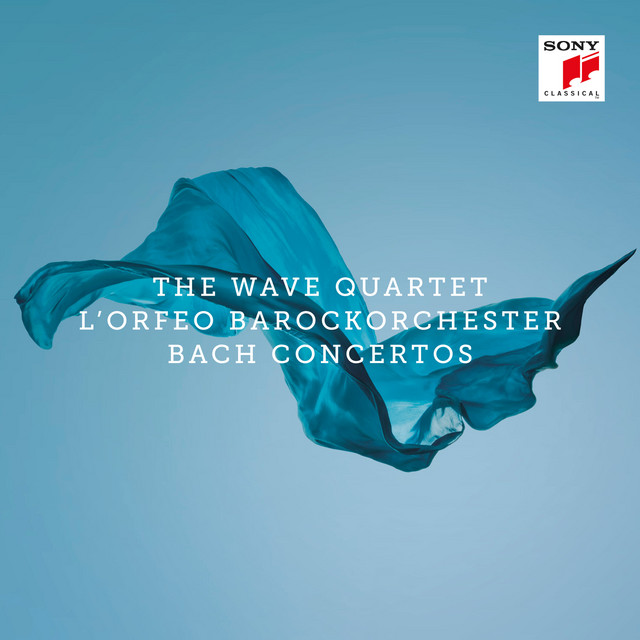
2017
Bach Concertos
Johann Sebastian Bach, The Wave Quartet, L'Orfeo Barockorchester, Michi Gaigg
Classical Percussion
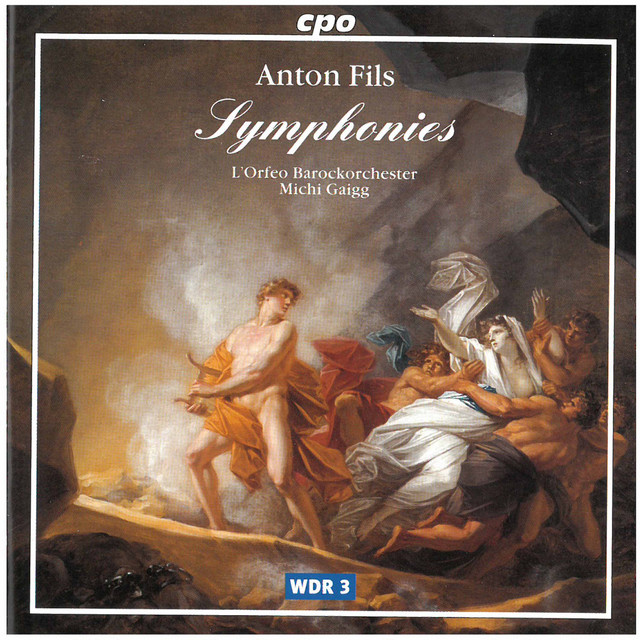
2002
Fils: Symphonies
Anton Fils, Michi Gaigg, L'Orfeo Barockorchester
Galante Era
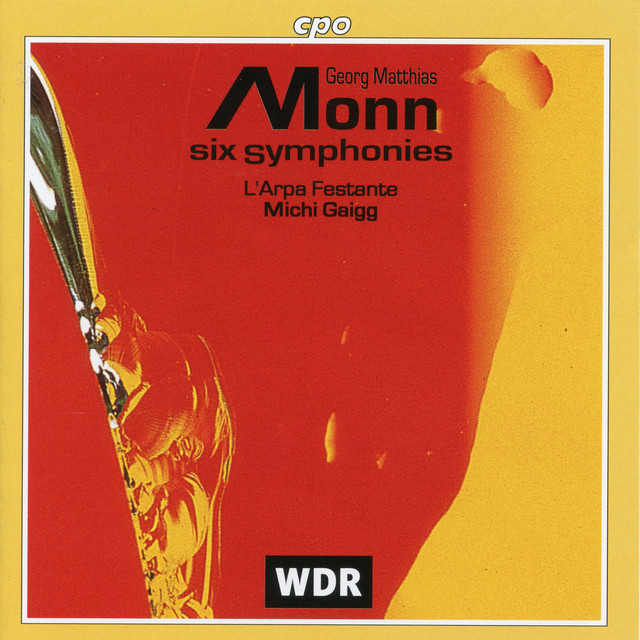
1998
Monn: 6 Symphonies
Georg Matthias Monn, L'arpa Festante, Michi Gaigg
Barockinterpreten
Similar artists
4
/5
Johann Sebastian Bach
Baroque
Classical
Baroque Suite
2
/5
L'Orfeo Barockorchester
Chamber Music
Orchestral
Barockinterpreten
2
/5
Carl Friedrich Abel
Classical
Viola Da Gamba
Barockinterpreten
4
/5
Academy of St. Martin in the Fields
Baroque
Classical
Classical Performance
3
/5
Georg Philipp Telemann
Baroque Woodwind
Fantasia
Recorder
3
/5
Andrew Manze
Classical
Concerto
Baroque
2
/5
Il Gardellino
Baroque
Chamber Music
Concerto
2
/5
Paolo Pandolfo
Baroque
Chamber Music
Renaissance
2
/5
Claudio Ferrarini
Chamber Music
Baroque
Galante Era
2
/5
Chiara Banchini
Classical
Baroque
Chamber Music
Download our mobile app
Get the Melodigging app and start digging for new genres on the go
Download on the App Store
Get it on Google Play
© 2026 Melodigging
Give feedback
Legal
Melodding was created as a tribute to
Every Noise at Once
, which inspired us to help curious minds keep digging into music's ever-evolving genres.