Genres
Artists
Albums
Make Music
Sign in
Sign in
Artists
Baroque
Artists
Baroque
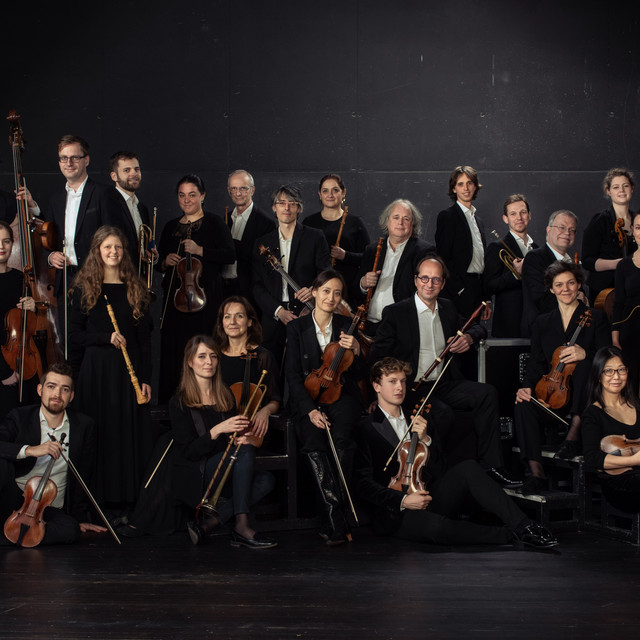
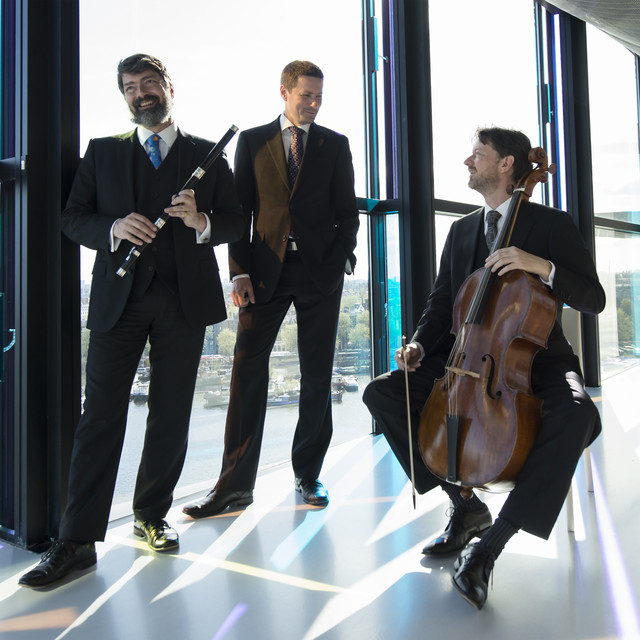
Il Gardellino
2013–2020
·
4 albums
Listen
2
/5
Genres
Galante Era
The galante era (or galant style) describes a fashion in early‑ to mid‑18th‑century music that prized elegance, clarity, and immediately appealing melody. It arose as a reaction against the learned counterpoint and dense textures of late Baroque music, favoring tuneful, balanced phrases over intricate polyphony. Typical features include homophonic textures with a clear melody supported by simple chordal accompaniment (often Alberti‑bass figures), short antecedent–consequent phrases, regular cadences, diatonic harmony, and light, graceful ornamentation. The galant taste spread quickly through opera, instrumental chamber music, and the nascent symphony, forming a crucial bridge between the late Baroque and the Classical style of Haydn and Mozart.
Discover
Listen
Concerto
A concerto is a large-scale composition that sets one or more solo instruments in dynamic dialogue with an orchestra. Its core idea is contrast—between soloist and tutti—and the dramatic negotiation of power, color, and thematic responsibility. While Baroque concertos often relied on ritornello form, the Classical era standardized a three-movement plan (fast–slow–fast) with sonata principles in the opening movement. The Romantic period emphasized virtuosity and expressive foregrounding of the soloist, and the 20th–21st centuries broadened the palette with new instruments, harmonies, and formats. Across eras, the concerto remains a showcase for instrumental character, technical brilliance, and the art of orchestral conversation.
Discover
Listen
Baroque Cello
Baroque cello refers both to a historical instrument setup (gut strings, shorter fingerboard, lower string tension, a convex Baroque bow, and typically no endpin) and to the style and repertoire written for the violoncello during the Baroque era. The genre centers on solo suites, sonatas, ricercars, and concertos composed roughly between 1680 and 1750, alongside continuo playing in chamber, orchestral, and vocal works. Hallmarks include rhetorical phrasing, dance-derived rhythms and forms (allemande, courante, sarabande, gigue), vivid sequences, suspensions, and improvised ornamentation. The sound world is warm, speech-like, and agile, with clear articulation and a speaking tone that exploits gut strings and lower pitch standards (often around A=415).
Discover
Listen
Baroque
Baroque is a period and style of Western art music spanning roughly 1600–1750. It is characterized by the birth of functional tonality, the widespread use of basso continuo (figured bass), and a love of contrast—between soloist and ensemble, loud and soft, and different timbres. Hallmark genres and forms of the era include opera, cantata, oratorio, concerto (especially the concerto grosso), dance suite, sonata, and fugue. Textures range from expressive monody to intricate counterpoint, and melodies are richly ornamented with trills, mordents, and appoggiaturas. Baroque music flourished in churches, courts, and theaters across Europe, with regional styles (Italian, French, German, English) shaping distinctive approaches to rhythm, dance, harmony, and ornamentation.
Discover
Listen
Chamber Music
Chamber music is a tradition of composed music for small ensembles—typically one player per part—intended for intimate spaces such as courts, salons, and private rooms rather than large public halls. Its aesthetic emphasizes clarity of texture, conversational interplay among parts, and balance without a conductor. Hallmark formations include the string quartet, piano trio, wind quintet, string quintet, and various mixed ensembles. Multi‑movement cycles (often in sonata form) and finely wrought counterpoint are common, ranging from Baroque trio sonatas to Classical string quartets and modern works with expanded timbres and techniques. Because of its scale and transparency, chamber music has long been a proving ground for compositional craft and ensemble musicianship, shaping the core of Western art music from the Baroque through the present.
Discover
Listen
Baroque Violin
Baroque violin refers both to the instrument in its Baroque setup and to the repertory and performance practice for violin from roughly 1600–1750. Typical instruments use gut strings, a lighter bass bar, a shorter/shallower neck angle, and no chin- or shoulder-rest. They are paired with a Baroque bow, whose camber and weight distribution encourage speech‑like articulation, sprung strokes, and a clear attack/decay. Pitch is commonly at A≈415 Hz (varying by region), and temperaments may be circulating or meantone rather than modern equal temperament. Stylistically, Baroque violin playing emphasizes rhetorical phrasing (the "Doctrine of Affections"), ornamental vibrato (used as a coloristic embellishment rather than a constant), extempore ornamentation, and expressive bowing. The music lives in sonatas (da chiesa/da camera), dance suites, concerti (including the concerto grosso), and theatrical or sacred contexts, nearly always underpinned by basso continuo.
Discover
Listen
Requiem
A requiem is a musical setting of the Roman Catholic Mass for the Dead (Missa pro defunctis). Historically rooted in Latin liturgy, it sets movements such as the Introit, Kyrie, (historically) the Sequence Dies irae, Offertory, Sanctus, Agnus Dei, and Communion, and often includes additional responsories like Libera me and In paradisum. While the earliest requiems were monophonic chants, the genre became a showcase for polyphonic and later symphonic choral writing. Renaissance composers wrote austere, modal settings; Classical and Romantic composers expanded the forces and dramatic scope; and 20th–21st century composers reimagined the form with new languages, from neo-modal and impressionistic harmonies to avant‑garde sonorities. Today, requiems appear both in liturgy and as concert works, symbolizing collective mourning, remembrance, and spiritual reflection.
Discover
Listen
Classical
Classical music is the notated art-music tradition of Europe and its global descendants, characterized by durable forms, carefully codified harmony and counterpoint, and a literate score-based practice. The term “classical” can refer broadly to the entire Western art-music lineage from the Medieval era to today, not just the Classical period (c. 1750s–1820s). It privileges long-form structures (such as symphonies, sonatas, concertos, masses, and operas), functional or modal harmony, thematic development, and timbral nuance across ensembles ranging from solo instruments to full orchestras and choirs. Across centuries, the style evolved from chant and modal polyphony to tonal harmony, and later to post-tonal idioms, while maintaining a shared emphasis on written notation, performance practice, and craft.
Discover
Listen
Show all 8 genres
Albums
2020
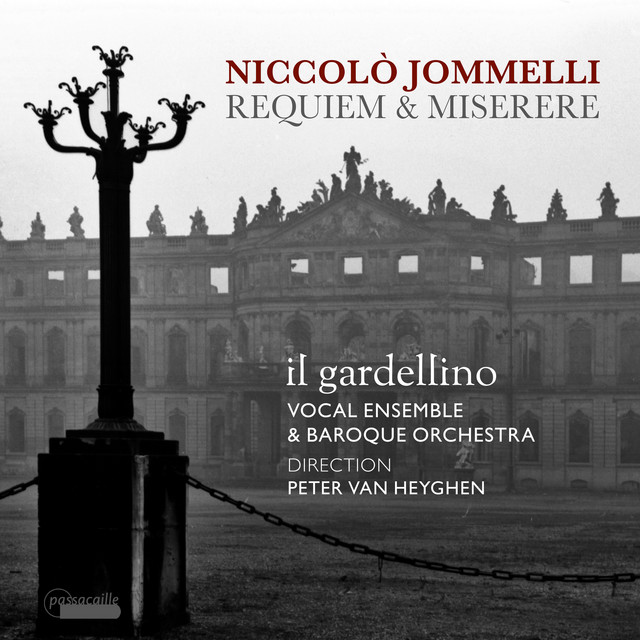
Jommelli: Missa pro Defunctis, Libera me & Miserere
Niccolò Jommelli, Il Gardellino, Peter Van Heyghen
Galante Era
2014
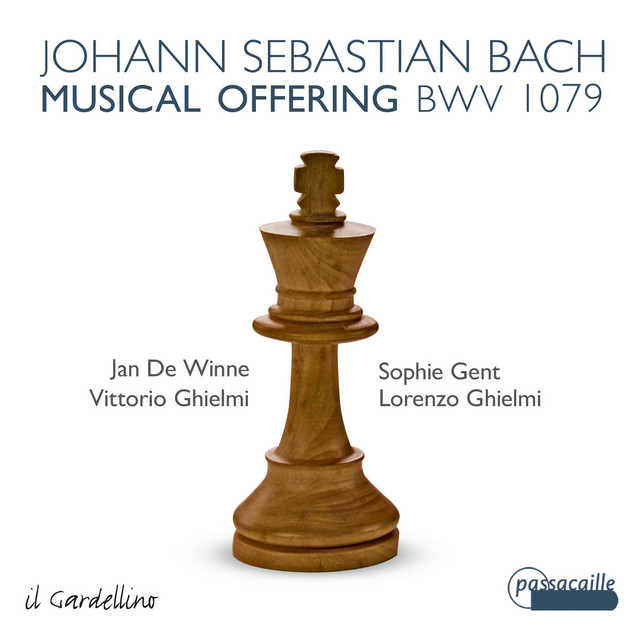
Bach: The Musical Offering, BWV 1079
Johann Sebastian Bach, Il Gardellino
Baroque Violin
2014
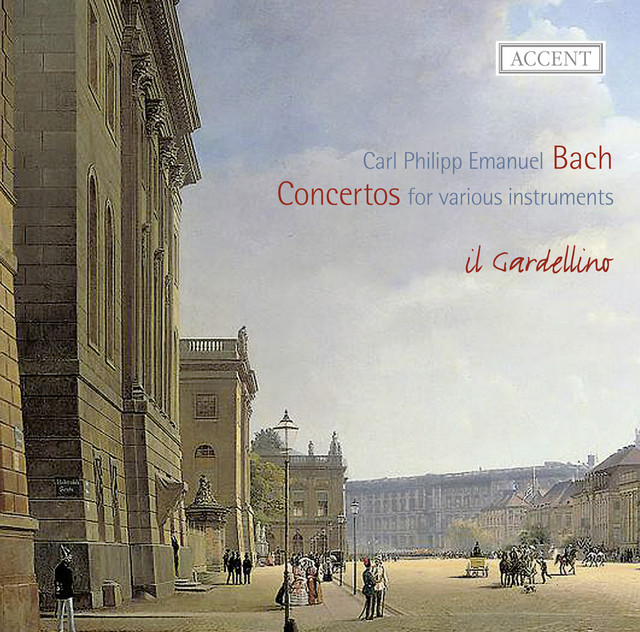
C.P.E. Bach: Concertos for Various Instruments
Carl Philipp Emanuel Bach, Il Gardellino
Baroque Cello
2013
Janitsch: Berliner Quartette
Johann Gottlieb Janitsch, Il Gardellino
Galante Era
Similar artists
4
/5
Academy of St. Martin in the Fields
Baroque
Classical
Classical Performance
3
/5
Andrew Manze
Classical
Concerto
Baroque
2
/5
Franz Liszt Chamber Orchestra
Classical
Baroque
Concerto
2
/5
Paul Dombrecht
Baroque
Chamber Music
Classical
2
/5
Les Violons du Roy
Baroque
Chamber Music
Classical
4
/5
Johann Sebastian Bach
Baroque
Classical
Baroque Suite
3
/5
Akademie für Alte Musik Berlin
Baroque
Classical
Opera
2
/5
Christophe Coin
Baroque
Baroque Cello
Chamber Music
2
/5
Johannes Pramsohler
Baroque
Chamber Music
Concerto
2
/5
Musica ad Rhenum
Baroque
Chamber Music
Concerto
Download our mobile app
Get the Melodigging app and start digging for new genres on the go
Download on the App Store
Get it on Google Play
© 2026 Melodigging
Give feedback
Legal
Melodding was created as a tribute to
Every Noise at Once
, which inspired us to help curious minds keep digging into music's ever-evolving genres.