Genres
Artists
Albums
Make Music
Sign in
Sign in
Artists
Rap Rock
Artists
Rap Rock
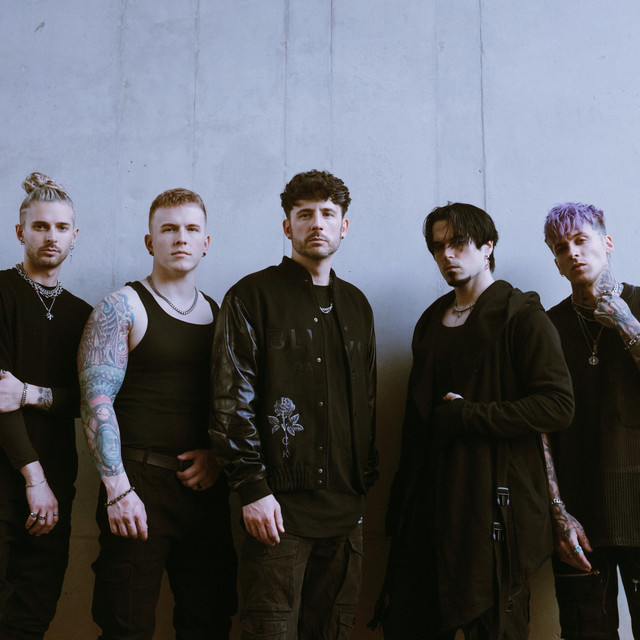
From Ashes to New
2013–2025
·
3 albums
Listen
4
/5
Genres
Hyper-Rock
Hyper-rock is a contemporary fusion that welds glitchy, high-gloss hyperpop sound design to the riffs, songcraft, and catharsis of alternative and pop-punk–leaning rock. Productions typically feature blown-out drums, distorted guitars, sub-heavy 808s, and extreme vocal processing (hard autotune, formant shifting) delivered at adrenalized tempos. The genre embraces sudden switch-ups, meme-age collage aesthetics, maximalist drops, and compressed, internet-native songwriting. It keeps the immediacy of pop hooks while channeling the grit and angst of emo and post-hardcore, often presenting vulnerable lyrics through an aggressively modern, digital sheen.
Discover
Listen
Pumpcore
Pumpcore is a hyper-energetic, gym-oriented microgenre that blends blown-out bass, sped-up hooks, and hard-hitting drops tailored for workout intensity and short-form video edits. It borrows from trap (and EDM-trap), phonk’s gritty timbres, hardstyle’s festival-scale builds, and nightcore-style acceleration, then pushes everything through aggressive saturation and sidechain “pump” to create a relentless, motivational surge. Tracks typically revolve around a memorable vocal or lead riff that has been time-stretched, pitch-shifted, and looped to maximize adrenaline and impact.
Discover
Listen
Rage
Rage is a high-energy, synth-forward trap production style characterized by bright, detuned supersaw leads, pounding 808s, and fast, looping drum patterns built for explosive rap performances. It emphasizes instant-impact hooks, minimal chord movement, and anthemic drops that feel closer to festival EDM crescendos than traditional hip hop breakdowns. The sound rose from the post–SoundCloud, punk-influenced branch of trap, drawing on the icy simplicity of Playboi Carti’s late-2010s palette and marrying it with trance/eurodance-styled leads and EDM trap dynamics. The result is a glossy, adrenalized bed for shouted, rebellious vocals—music designed for mosh pits, arena stages, and viral snippets alike.
Discover
Listen
Modern Downshift
Modern downshift is a contemporary, playlist-era microgenre that blends hushed alternative pop and alt‑R&B sensibilities with the spaciousness of downtempo and ambient pop. Songs are typically slow to mid‑tempo, minimal in arrangement, and intimate in vocal delivery—often breathy, close‑miked, and confessional. Production emphasizes warmth and negative space: soft sub‑bass, restrained percussion, reverb‑washed pads or guitars, and gentle saturation that keeps the overall texture velvety and nocturnal. Lyrically, the style skews introspective and late‑night: relationships, vulnerability, quiet self‑reflection, and the emotional afterglow of parties or city drives. The result is music that feels low‑key and cinematic—designed as much for solitary listening as for low‑light social settings.
Discover
Listen
Nu-Metalcore
Nu‑metalcore (often nicknamed "nu‑core") blends the bounce, hip‑hop inflections, and downtuned groove of late‑1990s nu metal with the breakdown‑heavy aggression and precise syncopation of 2000s metalcore. Expect sharply gated, low‑tuned riffs, halftime drops, and elastic grooves that swing between punchy chugs and percussive, djent‑like accents. Vocals typically jump from harsh screams and pitched‑down growls to rap‑leaning cadences and hooky, melodic choruses. Electronic textures—turntable cuts, glitch edits, sub‑drops, and 808 layers—are common, supporting a glossy yet crushing modern production aesthetic. Lyrically, the style carries nu metal’s confessional angst and social frustration while adopting metalcore’s cathartic intensity and mosh‑centric energy. The result is a contemporary, club‑ready heaviness that feels both nostalgic and forward‑looking.
Discover
Listen
Rap Metalcore
Rap metalcore is a hybrid style that fuses the rhythmic, lyrical flow of hip hop with the high-gain guitars, breakdowns, and screamed/sung hooks of metalcore. Compared to 1990s rap metal and nu metal, it keeps metalcore’s tighter, modern low-tuned riffing, double-time drumming, and cathartic breakdown structures, while foregrounding MC-style verses, rhyme schemes, and hip‑hop cadences. Production often blends live drums with programmed elements (808 subs, trap hats) and layers percussive, djent-leaning guitar chugs under rapped verses, then explodes into screamed or anthemic sung choruses. Lyrical themes span personal struggle, social commentary, resilience, and identity, delivered with a mix of rap’s directness and metalcore’s emotive intensity.
Discover
Listen
Riddim Dubstep
Riddim dubstep is a minimalist, loop-driven branch of dubstep that emphasizes hypnotic repetition, half‑time drums, and lurching mid‑range bass motifs. Instead of flashy, constantly changing sound design, it focuses on a few tightly sculpted “wub” phrases that evolve through modulation, filtering, and subtle rhythmic variation. Rooted in UK sound‑system culture and the Jamaican concept of a reusable “riddim,” the style typically sits around 140 BPM, pairing a powerful sub with syncopated, percussive bass stabs. The overall feel is dark, bouncy, and relentlessly dance‑oriented—built for double‑drops, blends, and long DJ transitions on large rigs.
Discover
Listen
Tearout Brostep
Tearout brostep is a hyper-aggressive strain of brostep that emphasizes violently modulated midrange basses, high-impact drops, and rapid-fire switch‑ups. It typically runs at 140–150 BPM in half‑time, pairing chest‑punching snares with seismic subs and screeching or growling lead basses. Producers lean heavily on advanced wavetable/FMX sound design, serial resampling, multiband distortion, OTT-style compression, and tight sidechaining to create a wall of kinetic, metallic energy. Arrangements often feature cinematic intros, tension‑building risers, and whiplash-inducing call‑and‑response bass phrases designed for headbanging festival crowds.
Discover
Listen
Briddim
Briddim is a hybrid strain of bass music that fuses the lurching, loop-driven minimalism of riddim with the high-impact, sound-design-forward aggression of brostep. It typically runs at 140–150 BPM in half-time, placing a punchy snare on beat three and driving the groove with syncopated bass stabs and call‑and‑response motifs. Compared to classic riddim, briddim foregrounds complex, highly modulated bass patches, sharp fills, and cinematic builds borrowed from brostep and tearout. The drops tend to be heavier and more varied than traditional riddim, yet remain more pattern‑centric and hypnotic than typical brostep, hence the “bridge” quality implied by the name.
Discover
Listen
Deep Metalcore
Deep metalcore is a modern, emotive strain of metalcore that emphasizes downtuned, weighty guitar work, atmospheric layering, and emotionally candid vocals. It often pairs crushing, syncopated riffs and breakdowns with soaring, melodic choruses and ambient textures. Production tends to be polished and bass-forward, with extended-range guitars (7–8 strings), prominent sub‑lows, and tight, sample‑reinforced drums. Vocals move between harsh screams/growls and anthemic cleans, while lyrics frequently explore introspection, anxiety, relationships, and resilience. Compared with classic 2000s metalcore, deep metalcore leans more into djent-like rhythmic intricacy, post-hardcore melodicism, and cinematic sound design, creating a blend that feels both aggressive and atmospheric.
Discover
Listen
Diy Emo
DIY emo is a grassroots, home-recorded and community-driven branch of contemporary emo that blends twinkly Midwest-emo guitar work, confessional lyricism, and pop-punk urgency with a distinctly lo‑fi, self-produced aesthetic. It foregrounds the ethics of the do‑it‑yourself underground: basement shows, tape or Bandcamp releases, collective touring, and a preference for intimacy over polish. Sonically, it leans on clean, chiming guitars, melodic basslines, dynamic drumming, and unvarnished vocals that veer from soft-spoken to cathartic sing-alongs. Rather than chasing radio gloss, DIY emo embraces rawness and vulnerability—often capturing the feel of a crowded living room show—while channeling themes of friendship, mental health, hometowns, and the bittersweet transitions of early adulthood.
Discover
Listen
Neurostep
Neurostep is a hybrid subgenre that merges the sound‑design intensity of neurofunk drum & bass with the halftime groove and weight of dubstep. Typically sitting around 140 BPM (sometimes 150), it emphasizes intricate, constantly morphing bass timbres, razor‑edged transients, and tightly engineered drops. Compared to classic dubstep, neurostep is less about sparse wobble basses and more about complex, resampled, FM/phase‑modulated bass layers that evolve bar by bar. The drums are punchy and surgical—kicks carve through dense low‑end, snares land hard on the third beat, and ghosted percussion and glitch fills keep momentum between phrases. Its overall aesthetic is dark, technical, and cinematic: dystopian atmospheres, granular textures, and call‑and‑response bass motifs are common, while breakdowns often showcase sound‑design detail and tension before a precision‑engineered drop.
Discover
Listen
Post-Post-Hardcore
Post-post-hardcore is a polished, third-wave offshoot of post-hardcore that crystallized in the 2010s. It fuses the genre’s emotive, dynamic vocals and tension-release structures with modern pop hooks, electronic programming, and metalcore heft. Compared with classic post-hardcore, it favors glossy production, radio-leaning choruses, and hybridized textures—think syncopated djent-lite riffs under bright synths, EDM-style risers and drops, half-time breakdowns, and call-and-response vocals (screamed versus soaring cleans). The result is an accessible yet intense sound that thrives in the internet era of playlists, YouTube covers, and scene cross-pollination.
Discover
Listen
Rap Metal
Rap metal fuses the rhythmic vocal delivery and sampling culture of hip hop with the high-gain guitars, driving bass, and aggressive drums of metal. Typical tracks feature rapped verses, shouted or sung hooks, syncopated, groove-heavy riffs, and punchy backbeats that prioritize head-nodding momentum as much as mosh-friendly impact. Down-tuned guitars, palm-muted chugs, and start–stop rhythms are common, often paired with DJ cuts, samples, or electronics. Lyrically, the style ranges from social and political commentary to braggadocio and cathartic personal themes. The genre overlaps with rap rock and nu metal, but it leans more toward metal riffing and heaviness than rap rock, and centers rap as a primary vocal approach rather than a secondary color.
Discover
Listen
Nu Metal
Nu metal is a hybrid style that fuses the weight and riff-centric attack of heavy metal with hip‑hop rhythms, turntablism, funk bounce, and the angst‑laden melodicism of alternative rock. It favors down‑tuned, percussive guitar work, punchy bass lines, and groove‑heavy drum patterns over extended solos. Vocals often switch rapidly between rapped verses, shouted/screamed passages, and soaring melodic choruses. Production tends to be glossy yet bass‑forward, frequently incorporating DJ scratches, samples, electronic textures, and syncopated, hip‑hop‑influenced beats. Lyrical themes commonly explore alienation, trauma, social pressure, and catharsis. The result is an accessible but aggressive sound that emphasizes groove, dynamics, and hook‑writing as much as heaviness.
Discover
Listen
Rap Rock
Rap rock is a fusion genre that combines hip hop’s rhythmic, percussive vocal delivery and DJ/sampling techniques with the timbre, riffs, and energy of rock guitar, bass, and drums. Typical tracks feature rapped verses over a strong backbeat and groove, then explode into sung or shouted rock choruses with big, anthemic hooks. Guitar parts often use distorted power‑chord riffs or funk‑inflected patterns, while drums lock into hip hop–style kick–snare placements. The result ranges from swaggering, groove‑heavy cuts to aggressive, mosh‑ready anthems that remain catchy and radio‑friendly.
Discover
Listen
Post-Hardcore
Post-hardcore is a branch of hardcore punk that retains the style’s urgency and DIY ethos while expanding its musical vocabulary. Bands push beyond breakneck tempos and simple power-chord progressions into more dynamic song structures, varied rhythms, and a wider emotional range. Guitars often alternate between caustic distortion and clean, chiming textures; vocals can shift from shouted slogans to melodic singing; and arrangements emphasize tension-and-release, odd meters, and dramatic builds. Lyrically, post-hardcore tends to be more introspective and socially conscious than its hardcore roots, touching on personal, political, and philosophical themes.
Discover
Listen
Rapcore
Rapcore is a fusion style that combines hip hop’s rapped vocals, sampling, and DJ techniques with the high-gain guitars, driving bass, and mosh-ready drums of hardcore punk and alternative metal. The result is groove-forward, riff-centric music: verses are typically rapped over tight, syncopated patterns, while choruses erupt into shouted hooks, gang vocals, or anthemic sing-alongs. Lyrically, rapcore often tackles street-level realities, social and political critique, and personal struggle, delivered with the urgency and physicality of hardcore. Production frequently blends live band energy with hip hop elements such as scratching, cut-up samples, and break-inspired drum feels.
Discover
Listen
Hard Rock
Hard rock is a loud, riff-driven style of rock music built around heavily amplified electric guitars, a powerful rhythm section, and assertive vocals. Songs typically center on memorable, blues-based guitar riffs, strong backbeats, and energetic, often shouted or belted choruses. The genre emphasizes power, groove, and visceral impact over intricate harmony or extended improvisation. Distortion, power chords, pentatonic melodies, and call‑and‑response between vocals and guitar are core traits, while lyrical themes often explore rebellion, lust, swagger, escape, and cathartic release.
Discover
Listen
Rock
Rock is a broad family of popular music centered on amplified instruments, a strong backbeat, and song forms that foreground riffs, choruses, and anthemic hooks. Emerging from mid‑20th‑century American styles like rhythm & blues, country, and gospel-inflected rock and roll, rock quickly expanded in scope—absorbing folk, blues, and psychedelic ideas—while shaping global youth culture. Core sonic markers include electric guitar (often overdriven), electric bass, drum kit emphasizing beats 2 and 4, and emotive lead vocals. Rock songs commonly use verse–chorus structures, blues-derived harmony, and memorable melodic motifs, ranging from intimate ballads to high‑energy, stadium‑sized performances.
Discover
Listen
Show all 20 genres
Albums
2025
3
/5
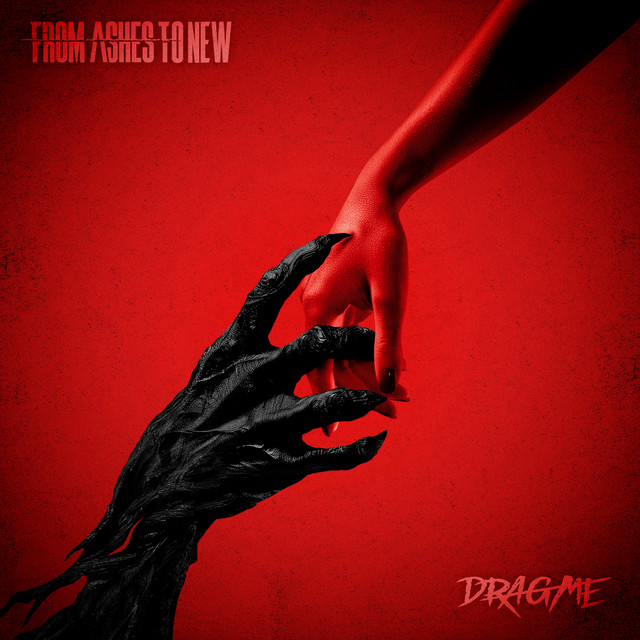
Drag Me
From Ashes to New
Rap Rock
2025
2
/5
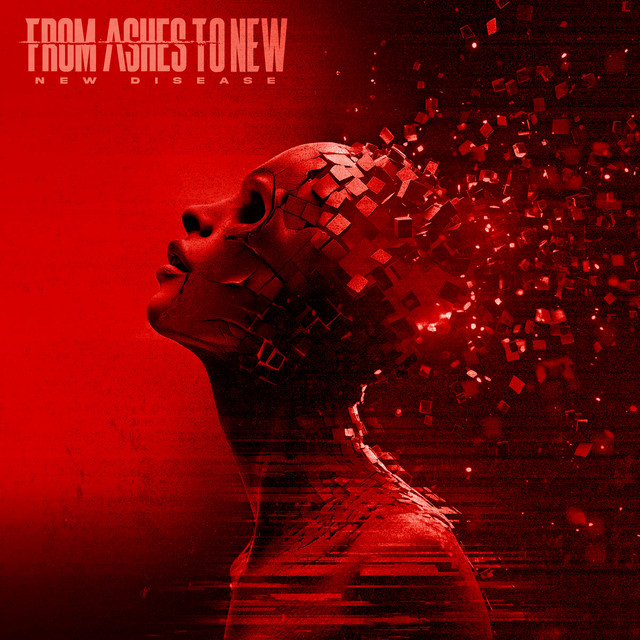
New Disease
From Ashes to New
Rap Rock
2013
3
/5
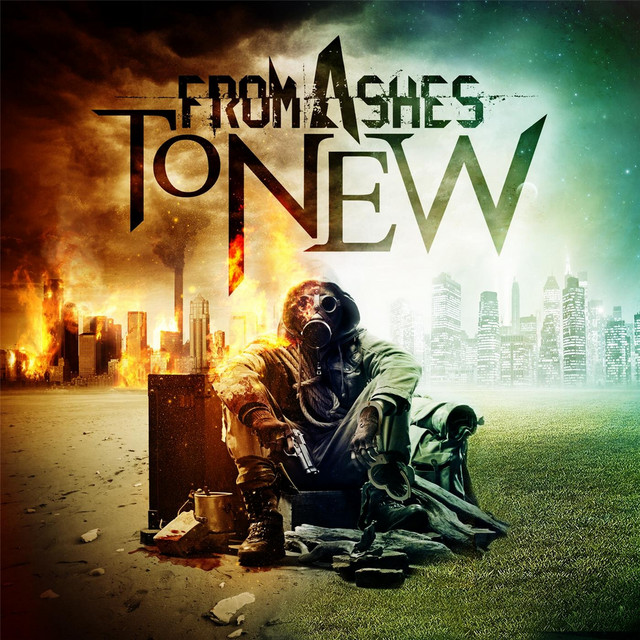
My Fight
From Ashes to New
Rap Rock
Similar artists
4
/5
Papa Roach
Rap Rock
Alternative Metal
Nu Metal
5
/5
Linkin Park
Alternative Metal
Nu Metal
Rap Metal
3
/5
Scarlxrd
Trap Metal
Rap Metal
Scream Rap
3
/5
Fox Lake
Nu-Metalcore
Deathcore
Metalcore
3
/5
Hyro The Hero
Dark Pop
Neo Metal
Nu-Metalcore
5
/5
Limp Bizkit
Rap Rock
Funk Metal
Nu Metal
4
/5
Hollywood Undead
Rap Rock
Rap Metal
Boyfriend Country
4
/5
P.O.D.
Rap Rock
Alternative Metal
Chill Pop
2
/5
E-Town Concrete
Rap Metal
Rap Rock
Hardcore
3
/5
Stray From The Path
Hardcore Punk
Mathcore
Melodic Hardcore
Download our mobile app
Get the Melodigging app and start digging for new genres on the go
Download on the App Store
Get it on Google Play
© 2026 Melodigging
Give feedback
Legal
Melodding was created as a tribute to
Every Noise at Once
, which inspired us to help curious minds keep digging into music's ever-evolving genres.