Genres
Artists
Albums
Make Music
Sign in
Sign in
Artists
Nu-Metalcore
Artists
Nu-Metalcore
Fox Lake
2021
·
1 album
Listen
3
/5
Genres
Minatory
Minatory is an extreme, experimental strain of deathstep that pushes heaviness and unpredictability to the forefront. Its hallmark is an abrasive, distorted sound palette coupled with abrupt, sometimes jarring BPM switch‑ups that can leap between halftime lurches and double‑time assaults within a single drop. Producers favor hyper-saturated basses, asymmetrical rhythms, and sudden silences or glitch edits to heighten tension. The result is a hostile, cinematic form of bass music that blends the dread of dark ambient and industrial with the impact of tearout and the rhythmic elasticity of modern dubstep.
Discover
Listen
Nu-Metalcore
Nu‑metalcore (often nicknamed "nu‑core") blends the bounce, hip‑hop inflections, and downtuned groove of late‑1990s nu metal with the breakdown‑heavy aggression and precise syncopation of 2000s metalcore. Expect sharply gated, low‑tuned riffs, halftime drops, and elastic grooves that swing between punchy chugs and percussive, djent‑like accents. Vocals typically jump from harsh screams and pitched‑down growls to rap‑leaning cadences and hooky, melodic choruses. Electronic textures—turntable cuts, glitch edits, sub‑drops, and 808 layers—are common, supporting a glossy yet crushing modern production aesthetic. Lyrically, the style carries nu metal’s confessional angst and social frustration while adopting metalcore’s cathartic intensity and mosh‑centric energy. The result is a contemporary, club‑ready heaviness that feels both nostalgic and forward‑looking.
Discover
Listen
Modern Hardcore
Modern hardcore is a contemporary wave of hardcore punk that blends classic speed and ferocity with 21st‑century heaviness, hook‑writing, and studio punch. It keeps the genre’s DIY, pit‑driven energy while adopting tighter musicianship, down‑tuned, palm‑muted riffs, and massive, half‑time breakdowns. Compared with 1980s and 1990s hardcore, modern hardcore is broader in dynamic range: songs snap from two‑step mosh parts and D‑beats to swaggering NYHC swing, metallic chugs, and chant‑along choruses. Production is deliberately impactful—gated, sample‑reinforced drums, tight low‑end, and high‑gain guitars—yet many bands still prioritize live immediacy over polish. Lyrically it remains grounded in community, resilience, and personal/collective struggle, but it often incorporates contemporary themes (mental health, identity, social precarity). Scenes are sustained by DIY venues, independent labels, and festival culture, with a heavy presence on video channels and social media that has globalized the sound.
Discover
Listen
Riddim Dubstep
Riddim dubstep is a minimalist, loop-driven branch of dubstep that emphasizes hypnotic repetition, half‑time drums, and lurching mid‑range bass motifs. Instead of flashy, constantly changing sound design, it focuses on a few tightly sculpted “wub” phrases that evolve through modulation, filtering, and subtle rhythmic variation. Rooted in UK sound‑system culture and the Jamaican concept of a reusable “riddim,” the style typically sits around 140 BPM, pairing a powerful sub with syncopated, percussive bass stabs. The overall feel is dark, bouncy, and relentlessly dance‑oriented—built for double‑drops, blends, and long DJ transitions on large rigs.
Discover
Listen
Speedrun
Speedrun is a gaming-adjacent EDM microgenre designed for adrenaline, focus, and momentum. It blends hyper-energetic drops with catchy, game-like melodies and rapid switch‑ups that mirror the pace and tension of timed gameplay. Typically sitting between 140–175+ BPM, the style pivots between half‑time dubstep weight, electro/complextro riffing, glitchy fills, and drum & bass acceleration. Producers favor bright, synthetic leads (often with chiptune flourishes), tightly sidechained supersaws, and animated bass design that stays clean and punchy for streaming. The mood is triumphant, high‑octane, and “level‑up” cinematic—made to keep speedrunners and viewers locked in.
Discover
Listen
Tearout Brostep
Tearout brostep is a hyper-aggressive strain of brostep that emphasizes violently modulated midrange basses, high-impact drops, and rapid-fire switch‑ups. It typically runs at 140–150 BPM in half‑time, pairing chest‑punching snares with seismic subs and screeching or growling lead basses. Producers lean heavily on advanced wavetable/FMX sound design, serial resampling, multiband distortion, OTT-style compression, and tight sidechaining to create a wall of kinetic, metallic energy. Arrangements often feature cinematic intros, tension‑building risers, and whiplash-inducing call‑and‑response bass phrases designed for headbanging festival crowds.
Discover
Listen
Trap Metal
Trap metal is a fusion of contemporary trap production and the aggression of metal and hardcore. It typically pairs distorted 808 bass, half‑time trap drums, and rapid hi‑hat rolls with screamed or harshly delivered vocals, down‑tuned guitar riffs (live or sampled), and industrial textures. Aesthetically, it emphasizes raw intensity, mosh‑pit energy, and abrasive sound design while retaining hip‑hop’s hook‑driven song structures and lyrical cadences. Themes often revolve around alienation, rage, nihilism, and personal struggle, delivered with a visceral, cathartic tone.
Discover
Listen
Progressive Deathcore
Progressive deathcore is a fusion of deathcore’s crushing heaviness and breakdown-centric aggression with the adventurous songcraft, technicality, and textural breadth of progressive metal. Hallmarks include extended-range guitars (7–9 strings) in very low tunings, polymetric “djent”-leaning grooves, rapid meter changes, and long-form structures that move well beyond verse/chorus. You’ll hear a blend of palm‑muted syncopation, angular technical riffs, sweeping leads, and atmospheric keyboards or orchestration that add space between punishing passages. Vocals typically alternate between low growls, layered screams, and occasional clean passages; production is tight, modern, and punchy. Lyrically, the style often departs from deathcore’s horror tropes to explore sci‑fi, philosophy, cosmic imagery, and introspective themes, matching the music’s expansive, cinematic scope.
Discover
Listen
Diy Emo
DIY emo is a grassroots, home-recorded and community-driven branch of contemporary emo that blends twinkly Midwest-emo guitar work, confessional lyricism, and pop-punk urgency with a distinctly lo‑fi, self-produced aesthetic. It foregrounds the ethics of the do‑it‑yourself underground: basement shows, tape or Bandcamp releases, collective touring, and a preference for intimacy over polish. Sonically, it leans on clean, chiming guitars, melodic basslines, dynamic drumming, and unvarnished vocals that veer from soft-spoken to cathartic sing-alongs. Rather than chasing radio gloss, DIY emo embraces rawness and vulnerability—often capturing the feel of a crowded living room show—while channeling themes of friendship, mental health, hometowns, and the bittersweet transitions of early adulthood.
Discover
Listen
Downtempo Deathcore
Downtempo deathcore is an ultra-slow, hyper-heavy offshoot of deathcore that emphasizes crushing, half-time breakdowns, extreme low tunings, and bleak atmosphere. Instead of constant blast beats or fast tremolo, the style prioritizes spacious, syncopated chugs, sub‑drops, and long rests that make each hit feel catastrophic. Vocals typically lean on deep false‑cord gutturals, tunnel growls, and occasional pig squeals, with lyrical themes centered on nihilism, violence, despair, and street‑level realism. Production often layers 808 subs with kick drums, brickwall‑limited guitars, and sharp china/splash accents to maximize impact. Sparse dissonant leads, samples, and cinematic swells are used to deepen the ominous mood, while the groove remains slow, simple, and tactically punishing.
Discover
Listen
Gaming Dubstep
Gaming dubstep is a high-energy offshoot of modern dubstep tailored for gameplay, esports highlights, and streaming content. It emphasizes explosive drops, cinematic builds, and hyper-detailed sound design that cuts through voice chat and game SFX. Typically centered around 140 BPM with a half-time groove, it blends brostep aggression, riddim simplicity, and melodic dubstep breakdowns. Producers favor bright, wide leads for anthemic choruses and gritty, midrange-focused bass timbres for drops. The result is music that feels epic and adrenalized, built to amplify on-screen action and montage pacing.
Discover
Listen
Deathcore
Deathcore is an extreme metal subgenre that fuses the riff language and vocal extremity of death metal with the breakdown‑centric impact of metalcore and its hardcore roots. Typical hallmarks include brutally palm‑muted and tremolo‑picked guitar riffs on low tunings, blast‑beat focused drumming with double‑kick barrages, and guttural growls, tunnel throats, and high shrieks. Songs commonly pivot into half‑time, groove‑heavy breakdowns designed for maximum physical impact. As a distinct movement, deathcore coalesced in the early 2000s and reached wider prominence in the mid‑2000s via internet platforms and relentless touring, even though earlier 1990s bands had already flirted with fusing death metal and hardcore elements.
Discover
Listen
Metalcore
Metalcore is a fusion of hardcore punk’s urgency and ethos with heavy metal’s riff language and technicality. It is defined by tightly palm‑muted riffs, rapid double‑kick drumming, and frequent breakdowns—rhythmic, syncopated passages written to accentuate impact and crowd movement. Vocals typically alternate between harsh screams or growls and, in many bands, soaring clean choruses—a contrast that emphasizes both aggression and catharsis. Harmony and melody often borrow from melodic death metal, yielding minor‑key leads, harmonized guitars, and hook‑driven refrains. Modern production favors precise editing, dense guitar layering, and punchy drum sounds that keep complex rhythms clear at high intensity.
Discover
Listen
Rap Metal
Rap metal fuses the rhythmic vocal delivery and sampling culture of hip hop with the high-gain guitars, driving bass, and aggressive drums of metal. Typical tracks feature rapped verses, shouted or sung hooks, syncopated, groove-heavy riffs, and punchy backbeats that prioritize head-nodding momentum as much as mosh-friendly impact. Down-tuned guitars, palm-muted chugs, and start–stop rhythms are common, often paired with DJ cuts, samples, or electronics. Lyrically, the style ranges from social and political commentary to braggadocio and cathartic personal themes. The genre overlaps with rap rock and nu metal, but it leans more toward metal riffing and heaviness than rap rock, and centers rap as a primary vocal approach rather than a secondary color.
Discover
Listen
Show all 14 genres
Albums
2021
3
/5
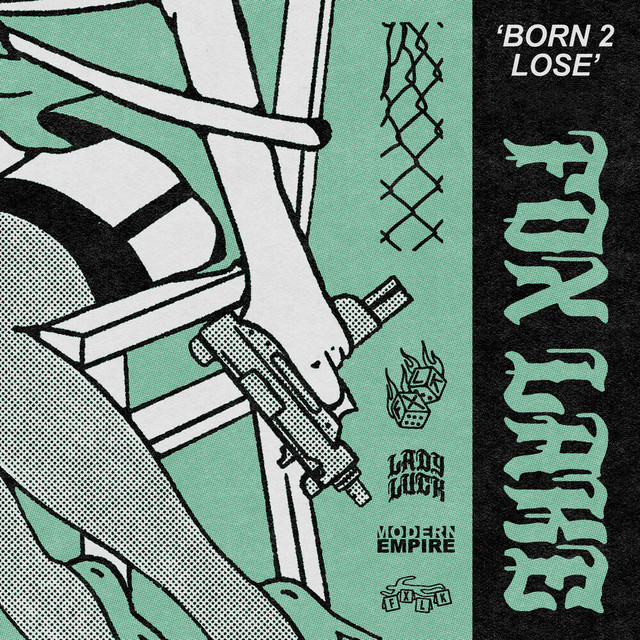
Born 2 Lose
Fox Lake
Nu-Metalcore
Similar artists
3
/5
Northlane
Progressive Metalcore
Nu-Metalcore
Djent
3
/5
Emmure
Nu-Metalcore
Deathcore
Djent
5
/5
Bring Me The Horizon
Melodic Metalcore
Post-Hardcore
Screamo
4
/5
Polaris
Deathcore
Djent
Metal
3
/5
Make Them Suffer
Djent
Deathcore
Electronic Djent
3
/5
Left to Suffer
American Metalcore
Deathcore
Metalcore
3
/5
Attila
Deathcore
Metal
Metalcore
3
/5
In Hearts Wake
Deathcore
Djent
Metalcore
2
/5
The Gloom In The Corner
Metallic Hardcore
Nu-Metalcore
Deathcore
4
/5
Falling In Reverse
Rap Metal
Pop Punk
Emo
Download our mobile app
Get the Melodigging app and start digging for new genres on the go
Download on the App Store
Get it on Google Play
© 2026 Melodigging
Give feedback
Legal
Melodding was created as a tribute to
Every Noise at Once
, which inspired us to help curious minds keep digging into music's ever-evolving genres.