Your digging level

For this genre
0/8
🏆
Sign in, then listen to this genre to level up

Description

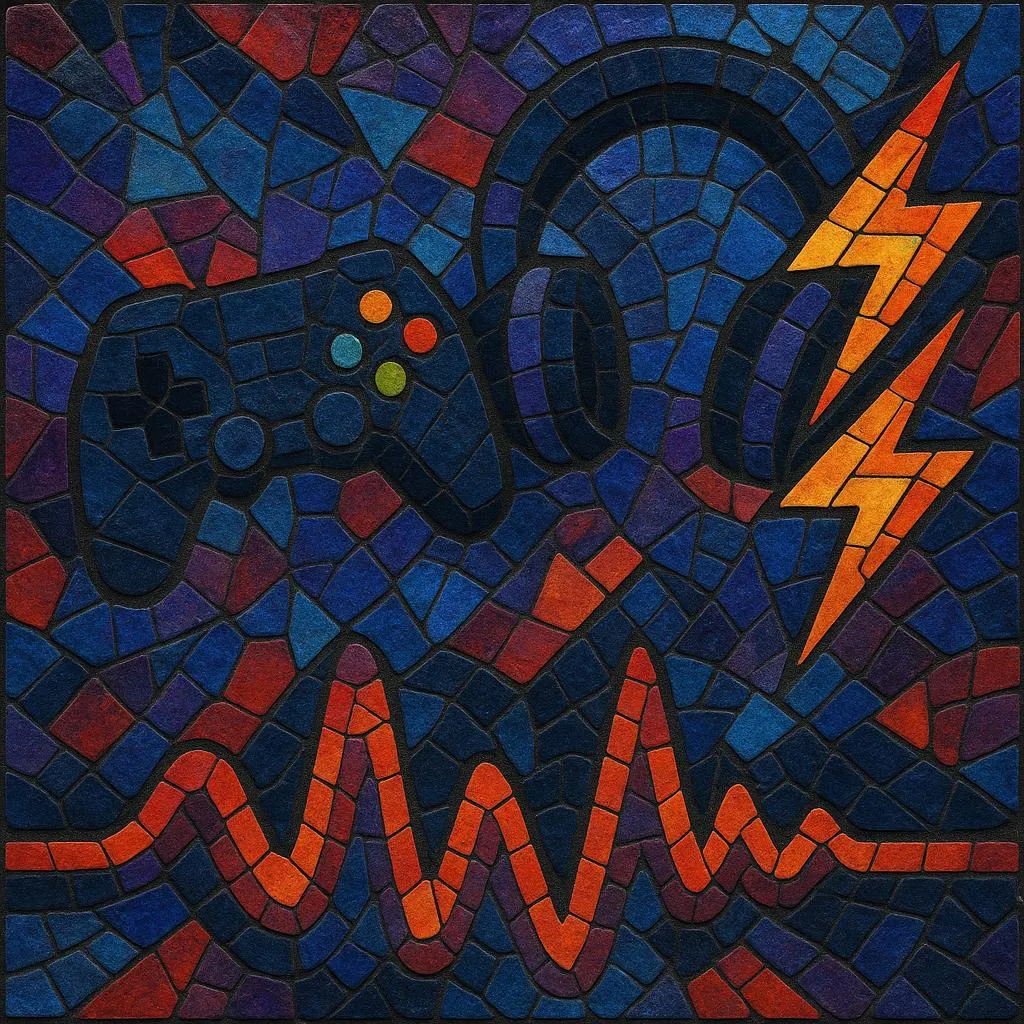
Gaming dubstep is a high-energy offshoot of modern dubstep tailored for gameplay, esports highlights, and streaming content. It emphasizes explosive drops, cinematic builds, and hyper-detailed sound design that cuts through voice chat and game SFX.

Typically centered around 140 BPM with a half-time groove, it blends brostep aggression, riddim simplicity, and melodic dubstep breakdowns. Producers favor bright, wide leads for anthemic choruses and gritty, midrange-focused bass timbres for drops. The result is music that feels epic and adrenalized, built to amplify on-screen action and montage pacing.


Sources: Spotify, Wikipedia, Discogs, RYM, MB, user feedback and other online sources

History

Origins (early–mid 2010s)

Gaming dubstep grew from the global rise of dubstep and its North American brostep variant. As creators on YouTube and later Twitch stitched together fast-cut gameplay montages, they gravitated toward bass music with massive drops, bold hooks, and dramatic risers that matched headshots, boss fights, and highlight reels. Producers responded with tracks that emphasized immediacy and impact—concise intros, memorable motifs, and drop-first arrangements well suited for sync.

Consolidation via creator culture

During the mid-to-late 2010s, the style coalesced around online label ecosystems and bass-focused communities. The sound absorbed traits from riddim dubstep (minimal, lurching patterns), melodic dubstep (big emotional choruses), and complextro/electro-house (rapidly morphing timbres). Tutorials, preset packs, and sound-design culture helped standardize techniques—frequency-modulated growls, heavy multiband compression, and resampling—making the sound both recognizable and reproducible for sync needs.

2020s: Esports, streaming, and cross-pollination

As esports production values climbed, gaming dubstep further emphasized punchy masters, clean stingers, and edit-friendly structures. Hybridization accelerated: trap percussion, color-rich chord stacks, and even midtempo/bass-house cadences appeared between half-time sections. Today the style functions as both a listening genre and a toolbox for editors—optimized for loopability, quick energy ramps, and striking drops that punctuate gameplay.

How to make a track in this genre

Tempo, groove, and structure
•   Aim for ~140 BPM with a half-time feel (kick on 1, snare on 3), occasionally switching to four-on-the-floor or double-time bursts for variety. •   Keep arrangements editor-friendly: 4–8 bar intro, build, Drop 1 (impact moment), short break/bridge, Drop 2 (variation), outro with clean tails. Include clear risers, downlifters, and hits that can be cut to gameplay transitions.
Drums and rhythm design
•   Layer a punchy kick (tight sub, clicky transient) with a snappy, wide snare; use ghost hats and syncopated percs to drive momentum. •   Add fill language: quick tom runs, glitch chops, triplet switch-ups, and silence gaps to set up impacts.
Bass and sound design
•   Build drops around a midrange bass lead: FM or wavetable growls, vowel sweeps, bitcrush, and OTT-style multiband compression. Resample often. •   Alternate dense “talking” bass phrases with simpler call-and-response shots so gameplay SFX and commentary remain audible. •   Support with sub that mirrors or counterpoints the lead rhythm; sidechain transparently to keep the low end tight.
Harmony, melody, and hooks
•   Minor keys with modal color (Aeolian/Dorian/Phrygian touches) work well. Use cinematic chord stacks and supersaw/anamorphic leads for big pre-drop hooks. •   Write a simple, memorable motif that survives heavy processing—great for brandable stingers and streamer IDs.
Mixing and mastering for gaming contexts
•   Prioritize translation on small speakers/headsets: steady sub, assertive mids, and controlled highs. Use stereo width on leads/FX but keep sub mono. •   Leave brief clean moments before/after drops (1–2 beats of air) so editors can cut to impact frames. Provide alt edits: no-vocal, instrumental, and 60/30/15-second cuts.
Sound palette and FX
•   Emphasize cinematic FX: risers, whooshes, tail-sucked fills, reverse cymbals, alarms, and impacts synced to barlines. •   Pepper in game-adjacent ear candy: UI beeps, bitcrush artifacts, glitch reels—sparingly, to avoid clutter.

Top tracks

Locked
Share your favorite track to unlock other users’ top tracks

Upcoming concerts

in this genre
Influenced by

Download our mobile app

Get the Melodigging app and start digging for new genres on the go
Š 2026 Melodigging
Melodding was created as a tribute to Every Noise at Once, which inspired us to help curious minds keep digging into music's ever-evolving genres.
Buy me a coffee for Melodigging