Your digging level

For this genre
0/8
🏆
Sign in, then listen to this genre to level up

Description

Neurostep is a hybrid subgenre that merges the sound‑design intensity of neurofunk drum & bass with the halftime groove and weight of dubstep. Typically sitting around 140 BPM (sometimes 150), it emphasizes intricate, constantly morphing bass timbres, razor‑edged transients, and tightly engineered drops.

Compared to classic dubstep, neurostep is less about sparse wobble basses and more about complex, resampled, FM/phase‑modulated bass layers that evolve bar by bar. The drums are punchy and surgical—kicks carve through dense low‑end, snares land hard on the third beat, and ghosted percussion and glitch fills keep momentum between phrases.

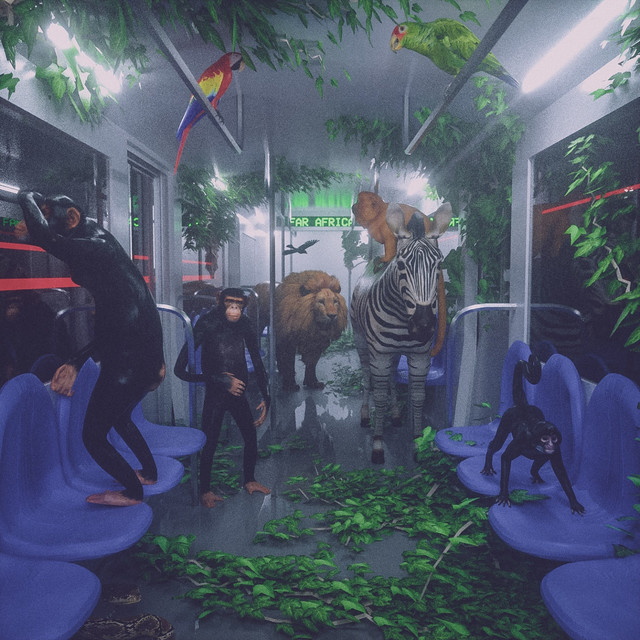
Its overall aesthetic is dark, technical, and cinematic: dystopian atmospheres, granular textures, and call‑and‑response bass motifs are common, while breakdowns often showcase sound‑design detail and tension before a precision‑engineered drop.


Sources: Spotify, Wikipedia, Discogs, RYM, MB, user feedback and other online sources

Ranking Neurostep 🔵 | NCS (Genre Ranking pt. 4)
VexzyRanks

History

Origins (late 2000s–early 2010s)

Neurostep emerged as producers steeped in UK dubstep’s halftime framework began importing the high‑tech bass design and rhythmic sensibilities of neurofunk drum & bass. The core idea was simple but transformative: take the 140 BPM dubstep grid and infuse it with the constantly evolving, midrange‑forward, FM‑heavy bass architecture that defined neurofunk and techstep.

Consolidation and Signature Aesthetics (mid–late 2010s)

Through the 2010s, advances in soft‑synths, multiband distortion, and resampling workflows made neurostep’s hallmark "moving bass" sound more accessible. Producers refined a playbook of techniques—serial resampling, parallel saturation, transient shaping, and micro‑automation—to create drops where basses mutate every bar. Labels and channels focused on forward‑thinking bass music helped standardize arrangement norms (DJ‑friendly intros/outros, tension‑building breakdowns, and switch‑ups) while keeping the genre’s experimental edge intact.

2020s: Cross‑Pollination and Global Reach

In the 2020s, neurostep cross‑pollinated with halftime DnB, tech‑leaning bass house, and modern tearout, while its meticulous sound‑design ethos spread into adjacent scenes (e.g., "gaming" and sync‑ready dubstep). The result is a broader palette—from ultra‑mechanical, dystopian drops to more cinematic, atmospheric interludes—yet all anchored by the genre’s defining precision and morphing midrange bass work.

How to make a track in this genre

Tempo, Groove, and Structure
•   Tempo: 140 BPM is standard (occasionally 150). Use a halftime backbeat (snare on beat 3) with syncopated kick placement. •   Arrangement: DJ‑friendly 16–32 bar intro, rising‑tension breakdown, high‑impact drop, mid‑section switch‑up, and outro. Employ short fake‑outs and fill bars to refresh energy.
Drums and Rhythm
•   Drums: Tight, transient‑rich kicks; cracking snares with layered foley/transients; crisp hats with swung 16ths or off‑grid shuffles. •   Fills: Glitch edits, tom rolls, and granular/bit‑reduced hits to bridge phrases. •   Sidechain: Clean, musical ducking to keep bass movement audible without smearing transients.
Bass Design (the Core of Neurostep)
•   Synthesis: FM/phase modulation (e.g., Serum, Phase Plant), wavefolding, and comb/filter sweeps for timbral motion. •   Resampling: Iterate: design → bounce → reprocess (EQ, saturation, frequency shifting, chorus, transient shaping) → re‑layer. Automate formants, wavetable positions, and filter morphs bar by bar. •   Layering: Mono‑locked sub (sine/triangle) + midrange layers (stereo movement via chorus/phaser/micro‑delays) + top noise/transient layer. Use call‑and‑response between contrasting bass voices.
Harmony and Atmosphere
•   Tonality: Minor modes (Natural Minor/Phrygian) or modal ambiguity; emphasize tension more than lush harmony. •   Pads/FX: Distressed pads, granular atmospheres, metallic impacts, and risers. Keep space for the bass—carve with dynamic EQ.
Mixing and Mastering
•   Low‑End Discipline: Sub in mono with a clean low‑pass; avoid midrange spill. Multiband compression on bass bus for consistent weight. •   Headroom: Leave plenty of pre‑master headroom; tame harshness with dynamic EQ around 2–6 kHz. Reference on small speakers for kick/snare readability.
Sound Design Workflow Tips
•   Macro‑Automation: Map 6–8 macros to core timbral moves; write automation lanes for evolving phrases. •   Contrast: Alternate "mechanical" bass phrases with more vocal/formant‑like ones. Use silence and stop‑downs to frame hits.

Main artists

Top tracks

Locked
Share your favorite track to unlock other users’ top tracks

Upcoming concerts

in this genre
Influenced by
Has influenced

Download our mobile app

Get the Melodigging app and start digging for new genres on the go
© 2026 Melodigging
Melodding was created as a tribute to Every Noise at Once, which inspired us to help curious minds keep digging into music's ever-evolving genres.
Buy me a coffee for Melodigging