Genres
Artists
Albums
Make Music
Sign in
Sign in
Artists
Ambient Techno
Artists
Ambient Techno
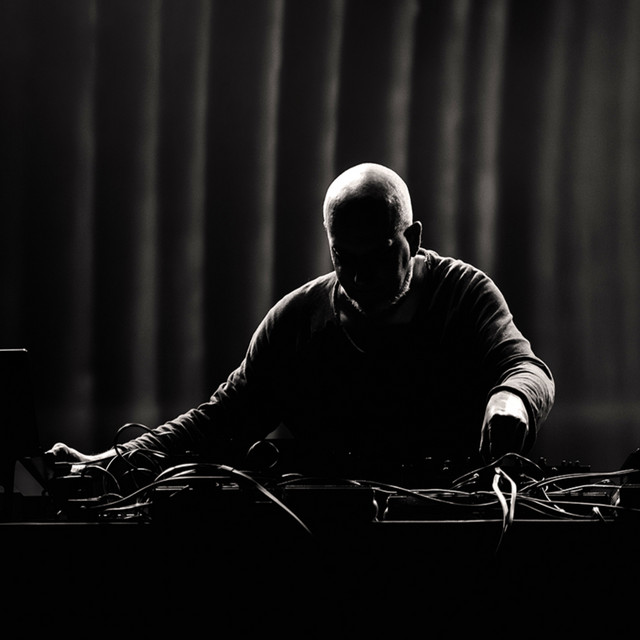
Daniel Avery
2013–2025
·
12 albums
Listen
3
/5
Genres
Shiver Pop
Shiver pop is a micro-genre of indie/electronic pop marked by intimate, breathy vocals, sparse percussion, and hazy, glacial synth textures that feel like a gentle shiver under the skin. It blends the melancholy glow of dream pop with minimal, modern electropop production: soft kick-and-snap beats, sub‑bass murmurs, reverb‑soaked pads, and understated hooks. Lyrically it gravitates toward fragile romance, urban solitude, and late‑night reflection, delivering catharsis through restraint rather than bombast. The mood is subdued yet luminous—music that sits between the bedroom and the club, built for twilight commutes and quiet headphones listening.
Discover
Listen
Float House
Float House is a subgenre of electronic dance music characterized by its relaxed, dreamy, and ethereal atmosphere. It blends the rhythmic structure of Deep House and Minimal House with the lush, atmospheric textures of Ambient and Chillout music. The sound is defined by soft, often lo-fi production values, including tape saturation and hiss, combined with melodic synthesizers, warm pads, and gentle, driving percussion. Unlike the grittier 'Outsider House' or 'Lo-Fi House', Float House focuses on a lighter, more optimistic, and 'floating' sensation, often utilizing heavy side-chain compression to create a rhythmic pumping effect that enhances the hypnotic vibe. It frequently incorporates organic samples like nature sounds (water, birds) and has a tempo that sits comfortably between downtempo and club-ready house (around 115-125 BPM).
Discover
Listen
Reading Indie
Reading indie refers to the contemporary indie-rock and indie-pop scene centered on Reading, Berkshire (UK). It blends jangly and driving guitar textures with anthemic choruses and a distinctly British melodic sensibility. The sound often sits between post-punk revival bite, festival-ready alternative rock, and (via local history) shoegaze shimmer. Songs balance energetic, danceable rhythms with bittersweet, small‑town storytelling and youthful urgency, making the style travel well from clubs to big outdoor stages.
Discover
Listen
Experimental Club Music
Experimental club music (often called post-club or deconstructed club) is a hybrid, avant‑garde approach to club production and performance that treats the dancefloor as a laboratory. It uses the grammar of contemporary club forms—heavy sub‑bass, kick patterns, samples, MC or chopped vocals—as raw material to be cut apart, collaged, and reassembled. Instead of four‑to‑the‑floor regularity, it favors asymmetry, abrupt contrasts, negative space, and extreme sound design drawn from noise, industrial, grime, ballroom/vogue, reggaeton, and internet culture. The result ranges from skeletal, percussive workouts to dense, cinematic soundscapes that can be as confrontational as they are cathartic. Just as importantly, the scene has been a site of diasporic, queer, and trans expression, where identity and politics are embedded in sonic choices and performance practice.
Discover
Listen
Post-Dubstep
Post-dubstep is a loosely defined wave of UK-born electronic music that grew out of dubstep but moved away from its rigid 140 BPM wobble-bass formula. It keeps the bass-weight, sound-system focus, and rhythmic syncopation of dubstep and UK garage, but folds in house and techno tempos, R&B vocal chops, ambient space, and experimental production. Typical tracks explore 120–135 BPM (not fixed at 140), use broken 2‑step/garage swing instead of 4/4, and favor detailed sound design over maximal drops. You’ll often hear hushed, intimate vocals (sampled or original), neo-soul/jazz-influenced chords, and micro-edited percussion with lots of negative space. The mood is frequently introspective, melancholic, and textural—more headphone-oriented than festival-leaning—yet still rooted in club culture.
Discover
Listen
Warm Drone
Warm drone is a microstyle of ambient/drone music that emphasizes soft, consonant, and enveloping sustained tones with a distinctly warm timbral character. Instead of the bleak or industrial textures often associated with classic drone, warm drone favors analog synth pads, bowed or layered guitars, organs and harmoniums, tape saturation, gentle hiss, and low‑noise field recordings. Harmonic movement is sparse and slow; micro-modulations, overtones, and gradual filtering provide the sense of motion rather than rhythm or melody. The result is an intimate, comforting soundfield that feels close, humane, and tactile—ideal for rest, reading, reflection, or late-night listening. It overlaps with modern sleep/meditation ambient but remains compositionally attentive to tone color, acoustic space, and long-form development.
Discover
Listen
New Isolationism
New isolationism is a contemporary strain of isolationist ambient and post-industrial minimalism that emerged in the 2010s, particularly around Scandinavian experimental labels and studios. It foregrounds intimate, close-mic’d sound, negative space, and a quiet-but-present noise floor; its pieces feel both internal and architectural, like rooms built from reverb tails, tape hiss, and soft electronics. Sonically, the style blends glacial drones, fragile chamber timbres (strings, organ, piano), lo‑fi electronics, and field recordings into stark, slow-evolving tableaux. Melodic information is sparse—often only a few tones or gestures—while rhythm is either absent or reduced to distant pulses, heartbeats, or mechanical cycles. Vocals, when they appear, are murmured, diaristic, or abstracted by pitch and time manipulation. Aesthetically, new isolationism is post‑internet and diaristic: it captures solitude, memory, and dislocation with a palette that feels personal yet estranged, drawing as much from contemporary gallery sound practice as from classic dark ambient.
Discover
Listen
Dark Disco
Dark disco is a mid‑tempo, nocturnal strain of club music that fuses the hypnotic pulse of disco with the grit of post‑punk, EBM, coldwave, and industrial. It favors ominous basslines, minor‑key harmonies, reverb‑soaked guitars and vocals, and analog synth textures, resulting in a moody, cinematic atmosphere that is equally suited to sweaty basements and late‑night festival stages. Tempos typically sit between 105–120 BPM, with emphasis on groove, tension, and shadowy drama rather than maximal speed or brightness.
Discover
Listen
Outsider House
Outsider house is a strain of house music that embraces lo‑fi production, raw textures, and a DIY ethos. Instead of the sleek, club‑polished sound of mainstream house, it foregrounds tape hiss, distortion, and gritty machine funk to create a hazy, intimate atmosphere. Often associated with early‑2010s labels and scenes that prized hardware jams and cassette aesthetics, outsider house sits at the fringes of house and techno while retaining steady 4/4 rhythms for dancefloor use. Tracks tend to be hypnotic and repetitive, with detuned pads, muffled drums, and understated basslines that feel both nostalgic and nocturnal.
Discover
Listen
Hypnotic Techno
Hypnotic techno is a deep, loop‑driven branch of techno that focuses on trance‑inducing repetition, smooth long‑form development, and meditative sound design. Tracks typically use subtly evolving patterns, spatial FX, and restrained dynamics to create a sense of propulsion without obvious “drops.” The style draws on the minimal discipline of late‑90s/early‑2000s techno and the atmospheric processing of dub techno, but with a distinctly psychedelic, mind‑locking focus. It is music designed for long DJ sets and immersive listening, emphasizing continuity, patience, and flow over dramatic contrast.
Discover
Listen
Ambient Techno
Ambient techno blends the spacious, atmospheric qualities of ambient music with the pulse and structure of techno. It favors subtle four-on-the-floor rhythms, soft-edged percussion, and long-evolving pads and drones over aggressive beats or hooks. Tracks typically unfold slowly across extended lengths, privileging texture, timbre, and psychoacoustic space. The bass is warm and rounded, delays and reverbs are dubby, and harmonic movement is minimal or modal, creating a hypnotic, contemplative flow suited to both attentive listening and late-night dancefloors. Compared with ambient house, ambient techno tends to be more austere and less pop-sample oriented; compared with dub techno, it is often less explicitly rooted in reggae-derived rhythms and may embrace more beatless passages.
Discover
Listen
Idm
IDM (often expanded as "Intelligent Dance Music") is a strand of experimental electronic music that applies the sound palette and production methods of club genres to listening-focused, often home-oriented works. It favors intricate rhythm programming, unusual time signatures, and richly textured sound design, blending ambient atmospheres with techno’s pulse, electro’s syncopation, and breakbeat’s fragmentation. The music often de-emphasizes the dancefloor in favor of headphone detail, algorithmic structure, and timbral exploration. The term itself is contentious—many artists rejected the "intelligent" label—yet it became a convenient tag for the early- to mid‑1990s cluster of Warp, Rephlex, and related scenes that foregrounded complexity, abstraction, and emotional ambiguity.
Discover
Listen
Downtempo
Downtempo is a mellow, groove-oriented branch of electronic music characterized by slower tempos, plush textures, and a focus on atmosphere over dancefloor intensity. Typical tempos range from about 60–110 BPM, with swung or laid-back rhythms, dub-informed basslines, and warm, jazz-tinged harmonies. Stylistically, it blends the spaciousness of ambient, the head-nodding rhythms of hip hop and breakbeat, and the cosmopolitan smoothness of lounge and acid jazz. Producers often use sampled drums, Rhodes or Wurlitzer electric pianos, guitar licks with delay, and field recordings to create intimate, cinematic soundscapes. The mood spans from soulful and romantic to introspective and dusk-lit, making it a staple of after-hours listening, cafes, and relaxed club back rooms.
Discover
Listen
Microhouse
Microhouse is a sparse, detail‑oriented strain of house music that strips grooves down to their essentials and focuses on micro‑edits, subtle percussive textures, and small timbral changes over time. Typically hovering around 118–126 BPM, it favors dry 4/4 kicks, shuffled hi‑hats, sub‑bass pulses, and meticulously arranged glitches, clicks, and found sounds. Rather than big breakdowns, microhouse builds tension through repetition, negative space, and tiny variations, often borrowing the reductionist ethos of minimal techno and the textural play of glitch and IDM. The result is club music that feels intimate and hypnotic: danceable yet restrained, warm yet abstract, and deeply attentive to sound design and micro‑timing.
Discover
Listen
Progressive Breaks
Progressive breaks is a melodic, atmospheric branch of breakbeat that applies the long-form arrangement, harmonic richness, and textural detail of progressive house and progressive trance to syncopated breakbeat rhythms. Typically in the 125–135 BPM range, it features wide stereo pads, evolving arpeggios, deep and warm basslines, and patient, DJ‑friendly builds. Rather than the raw, ravey edge of classic breaks or the gnarlier energy of nu skool breaks, progressive breaks prefers cinematic sound design, modal harmonies, and gradual tension-and-release across extended arrangements. The result is dancefloor music that feels transportive and emotive: rolling break patterns underpin soaring chords and motifs, with motifs introduced, developed, and recontextualized over many minutes.
Discover
Listen
Tech House
Tech house is a dancefloor-focused fusion of techno’s precision and house music’s groove. It emphasizes stripped‑back, percussive rhythms, rolling basslines, and clean, punchy drums, typically in the 120–130 BPM range. Compared to straight techno, tech house is funkier and more shuffle-oriented; compared to classic or deep house, it is darker, more minimal, and more machine-driven. Tracks often feature long DJ‑friendly intros/outros, subtle automation, sparse vocals or chopped one‑shots, and a strong emphasis on groove continuity over big melodic moments. Sound design favors tight 909/808-style drums, crisp open hats, snappy claps, subby or mid‑bass riffs, and understated stabs or chords. Modern tech house has broadened from its 1990s underground UK roots to global festival and club contexts, retaining its core identity of percussive drive and streamlined arrangements.
Discover
Listen
Acid House
Acid house is a subgenre of house music defined by the squelching, modulated basslines of the Roland TB-303 bass synthesizer-sequencer, typically set against a steady 4/4 drum pattern. It emerged in the mid-1980s club culture of Chicago, with formative 303 experiments credited to artists like Phuture and Sleezy D around 1986, and parallel early-1980s experiments occasionally cited in Mumbai’s nascent electronic scene. The style emphasizes hypnotic repetition, filter resonance, accent/slide programming, and minimalist arrangements that build intensity through real-time knob-tweaking rather than harmonic complexity.
Discover
Listen
Techno
Techno is a four-on-the-floor, machine-driven form of electronic dance music that emerged in mid-to-late 1980s Detroit. It is characterized by steady 4/4 kick drums, repetitive and hypnotic rhythmic patterns, synthetic timbres, and an emphasis on texture, groove, and forward momentum over elaborate harmony. Producers typically use drum machines, sequencers, and synthesizers to build layered percussion, pulsing basslines, and evolving motifs. While often dark and minimalistic, techno spans a wide spectrum—from soulful, futuristic Detroit aesthetics to hard, industrially tinged European strains—yet it consistently prioritizes kinetic energy for dancefloors and a sense of machine futurism.
Discover
Listen
Deep House
Deep house is a subgenre of house music characterized by warm, soulful textures, jazz-influenced harmony, and understated, hypnotic grooves. It typically runs around 115–124 BPM, favoring subtle swing, syncopated percussion, and rounded, mellow basslines over aggressive peaks. Sonically, deep house draws on extended chords (7ths, 9ths, 11ths), Rhodes and M1 organ timbres, airy pads, and tasteful use of reverb and delay to create a spacious, emotive atmosphere. Vocals, when present, often reference soul and gospel traditions, delivering intimate, reflective themes rather than big-room hooks. The style emerged in the mid-to-late 1980s as producers fused Chicago house rhythms with jazz-funk, soul, and garage house sensibilities, resulting in a smoother, deeper take on the house blueprint.
Discover
Listen
Post-Industrial
Post-industrial is an umbrella term for the diverse musical currents that evolved out of first‑wave industrial music in the early 1980s. Rather than a single sound, it describes a methodology: the recontextualization of noise, tape collage, found sound, non‑traditional percussion, and transgressive or esoteric themes into new hybrids. It commonly emphasizes textural experimentation over conventional song form, drawing on ambient drones, harsh electronics, ritualistic rhythms, and performance-art strategies. The scene grew through DIY cassette culture, mail‑art networks, and small independent labels, fostering substyles like power electronics, dark ambient, neofolk, martial industrial, and illbient. Aesthetically, post‑industrial retains industrial’s confrontational stance but disperses it into atmospheric, political, mystical, and avant‑garde directions, making it as much a way of working with sound and media as a genre label.
Discover
Listen
Dance
Dance (as a broad, mainstream club- and radio-oriented style) is pop-leaning music designed primarily for dancing, characterized by steady, driving beats, catchy hooks, and production that translates well to nightclubs and large sound systems. It emerged after disco, blending four-on-the-floor rhythms with electronic instrumentation and pop songwriting, and it continually absorbs elements from house, techno, Hi-NRG, synth-pop, and later EDM. Tempos commonly fall between 110–130 BPM, vocals often emphasize memorable choruses, and arrangements are structured for both club mixing and mass appeal.
Discover
Listen
Pop
Pop is a broad, hook-driven style of popular music designed for wide appeal. It emphasizes memorable melodies, concise song structures, polished vocals, and production intended for radio, charts, and mass media. While pop continually absorbs elements from other styles, its core remains singable choruses, accessible harmonies, and rhythmic clarity. Typical forms include verse–pre-chorus–chorus, frequent use of bridges and middle-eights, and ear-catching intros and outros. Pop is not defined by a single instrumentation. It flexibly incorporates acoustic and electric instruments, drum machines, synthesizers, and increasingly digital production techniques, always in service of the song and the hook.
Discover
Listen
Rock
Rock is a broad family of popular music centered on amplified instruments, a strong backbeat, and song forms that foreground riffs, choruses, and anthemic hooks. Emerging from mid‑20th‑century American styles like rhythm & blues, country, and gospel-inflected rock and roll, rock quickly expanded in scope—absorbing folk, blues, and psychedelic ideas—while shaping global youth culture. Core sonic markers include electric guitar (often overdriven), electric bass, drum kit emphasizing beats 2 and 4, and emotive lead vocals. Rock songs commonly use verse–chorus structures, blues-derived harmony, and memorable melodic motifs, ranging from intimate ballads to high‑energy, stadium‑sized performances.
Discover
Listen
Electronic
Electronic is a broad umbrella genre defined by the primary use of electronically generated or electronically processed sound. It encompasses music made with synthesizers, drum machines, samplers, computers, and studio/tape techniques, as well as electroacoustic manipulation of recorded or synthetic sources. The genre ranges from academic and experimental traditions to popular and dance-oriented forms. While its sonic palette is rooted in electricity and circuitry, its aesthetics span minimal and textural explorations, structured song forms, and beat-driven club permutations. Electronic emphasizes sound design, timbre, and studio-as-instrument practices as much as melody and harmony.
Discover
Listen
Show all 24 genres
Albums
2025
2
/5
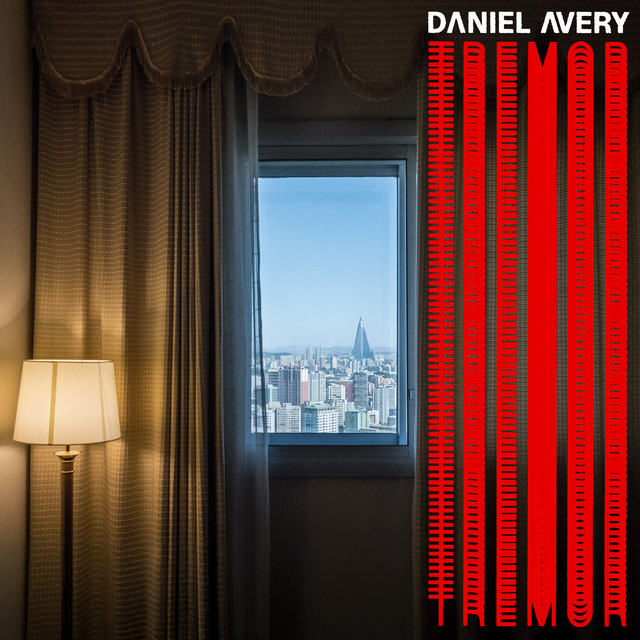
Tremor
Daniel Avery
Ambient Techno
Electronic
Post-Industrial
2024
2
/5
kisses (Remixes)
Slowdive
Reading Indie
2024
1
/5
Wonderland
Daniel Avery
Ambient Techno
2024
1
/5
Wonderland
Daniel Avery
Ambient Techno
2023
1
/5
Drone Logic (2023 Redux Versions)
Daniel Avery
Ambient Techno
Microhouse
Shiver Pop
2023
1
/5
Free Floating (2023 Redux)
Daniel Avery
Ambient Techno
2023
1
/5
Need Electric (2023 Redux)
Daniel Avery
Ambient Techno
2022
2
/5
Ultra Truth
Daniel Avery
Progressive Breaks
Downtempo
Electronic
2020
2
/5
Dusting For Smoke
Daniel Avery
Ambient Techno
2020
2
/5
Dusting For Smoke
Daniel Avery
Ambient Techno
Shiver Pop
Microhouse
2016
2
/5
DJ-Kicks (Daniel Avery) [DJ Mix]
Artefakt
Hypnotic Techno
Electronic
Techno
2013
1
/5
Drone Logic
Daniel Avery
Tech House
Deep House
Electronic
Similar artists
3
/5
The Black Dog
Idm
Ambient Techno
Electronic
3
/5
Sweet Trip
Dream Pop
Idm
Shoegaze
3
/5
The Future Sound Of London
Ambient
Acid House
Ambient Techno
3
/5
John Beltran
Experimental Club Music
Idm
Jazz House
4
/5
C418
Ambient
Electronic
Idm
4
/5
Aphex Twin
Braindance
Idm
Ambient
4
/5
Boards of Canada
Downtempo
Electronic
Idm
2
/5
AES Dana
Ambient
Ambient Trance
Downtempo
1
/5
Various Artists
Afro-Funk
Alternative Rock
Ambient
4
/5
Björk
Art Pop
Icelandic Experimental
Electronic
Download our mobile app
Get the Melodigging app and start digging for new genres on the go
Download on the App Store
Get it on Google Play
© 2026 Melodigging
Give feedback
Legal
Melodding was created as a tribute to
Every Noise at Once
, which inspired us to help curious minds keep digging into music's ever-evolving genres.