Genres
Artists
Albums
Make Music
Sign in
Sign in
Artists
Scenecore
Artists
Scenecore
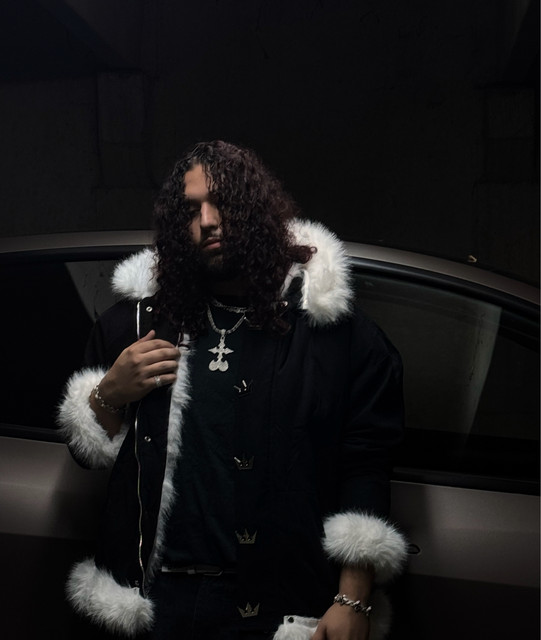
d3r
2023–2024
·
2 albums
Listen
3
/5
Genres
Scenecore
Scenecore is a net-native microgenre that revives mid‑2000s “scene kid” aesthetics—neon hair, slasher/gore imagery, and MySpace-era melodrama—inside a 2020s hyperpop/digicore production framework. Sonically it blends sped‑up, pitch‑shifted “kawaii” vocals with harsh, clipping drums and distorted 808s, breakcore-like edits, trancey supersaws, and nintendocore/Video‑game timbres. Hooks are chantable and meme-ready, lyrics swing between confessional emo and tongue‑in‑cheek horror, and the entire presentation is designed for short‑form virality on TikTok, SoundCloud, and Discord-driven micro‑communities. The result is an aggressive, glossy, and maximal style that feels simultaneously nostalgic and ultra‑online: part nightcore rush, part screamo‑rap catharsis, part cyber‑club euphoria.
Discover
Listen
Digicore
Digicore is a Gen Z–native, internet-bred pop-rap microgenre that emerged from SoundCloud and Discord communities. It blends hyperpop’s maximalist sound design with emo rap’s confessional songwriting, trap drum programming, and nightcore-style pitch-shifting. Songs are typically short and hook-forward, with heavily processed, Auto-Tuned vocals, clipped or bitcrushed textures, stutter edits, and glossy but intentionally digital artifacts. The palette often includes bright synth bells, plugg/pluggnb-inspired 808 patterns, widescreen OTT compression, and glitchy micro-cuts that highlight the music’s online, DIY origin. Lyrically, it leans into adolescent angst, online identity, relationships, and self-reflection, mirroring the hyper-connected culture that birthed it.
Discover
Listen
Hyper-Rock
Hyper-rock is a contemporary fusion that welds glitchy, high-gloss hyperpop sound design to the riffs, songcraft, and catharsis of alternative and pop-punk–leaning rock. Productions typically feature blown-out drums, distorted guitars, sub-heavy 808s, and extreme vocal processing (hard autotune, formant shifting) delivered at adrenalized tempos. The genre embraces sudden switch-ups, meme-age collage aesthetics, maximalist drops, and compressed, internet-native songwriting. It keeps the immediacy of pop hooks while channeling the grit and angst of emo and post-hardcore, often presenting vulnerable lyrics through an aggressively modern, digital sheen.
Discover
Listen
Jersey Club Rap
Jersey club rap fuses the kick-heavy, chopped-and-stuttered bounce of Jersey club with contemporary rap flows. It keeps the genre’s signature pounding triplet kicks, bed‑squeak/percussion stabs, and call‑and‑response energy, but streamlines the beats to leave space for verses and hooks. Compared with earlier Jersey club, it uses fewer obvious sample flips and leans toward cleaner, more atmospheric sound design so that rapping sits front and center.
Discover
Listen
Sigilkore
Sigilkore is an internet-born microgenre that merges the ominous atmospheres of witch house with the bounce and drum programming of trap, the tape-warped grit of Memphis rap, and the granular, reverb-heavy haze of dark ambient. Defined as much by its occult visual language as its sound, the style favors heavy 808 subs, skittering hi-hats, detuned pads, bell and choir timbres, pitched-down or formant-shifted vocals, and lo‑fi processing reminiscent of chopped-and-screwed techniques. Tracks often feel ritualistic and hypnotic, with minor-mode motifs, phrygian inflections, and long reverb tails that blur bar lines. Emerging across SoundCloud, Discord communities, and small collectives, sigilkore thrives on DIY anonymity, esoteric cover art (sigils, runes, glyphs), and a mood that’s simultaneously bleak, ethereal, and aggressive.
Discover
Listen
Krushclub
Krushclub is a SoundCloud-born microgenre that fuses trap and club music with the distorted, post-internet aesthetics popularized by sigilkore. Its signature sound centers on bitcrushed synths, heavy post-processing of vocals (pitch-shifting, formant play, and hard clipping), and energetic, Jersey Club–derived kick patterns and bounce. Producers stack layers of digital artifacts—bitcrush, sample-rate reduction, tape-warp, and brickwall limiting—over cloud-rap-adjacent melodies and pads. The result is a hyper-digital, high-contrast mix: glossy top-end grit over booming 808s, chopped call‑and‑response vocal hooks, and edits that nod to slowed+reverb culture, nightcore acceleration, and DJ-style mash layering.
Discover
Listen
Hyperpop
Hyperpop is an internet-native pop movement known for its maximalist sound design, pitch-shifted vocals, and frenetic genre collisions. It exaggerates pop tropes—ultra-bright synths, hard-clipping drums, sugary hooks—then smashes them together with elements of club music, trap, and experimental electronica. The style favors hyper-synthetic timbres, extreme processing (auto‑tune, formant shifting, heavy sidechaining, distortion), and abrupt structural left turns. Lyrically, it swings between irreverent internet humor and disarmingly sincere confessions, often reflecting online identity, queerness, and hyper-modern life. Although diverse, the common thread is a playful, self-aware push of pop to surreal, high-saturation extremes.
Discover
Listen
Modern Downshift
Modern downshift is a contemporary, playlist-era microgenre that blends hushed alternative pop and alt‑R&B sensibilities with the spaciousness of downtempo and ambient pop. Songs are typically slow to mid‑tempo, minimal in arrangement, and intimate in vocal delivery—often breathy, close‑miked, and confessional. Production emphasizes warmth and negative space: soft sub‑bass, restrained percussion, reverb‑washed pads or guitars, and gentle saturation that keeps the overall texture velvety and nocturnal. Lyrically, the style skews introspective and late‑night: relationships, vulnerability, quiet self‑reflection, and the emotional afterglow of parties or city drives. The result is music that feels low‑key and cinematic—designed as much for solitary listening as for low‑light social settings.
Discover
Listen
Jirai Kei
Jirai kei is a recent Japanese internet-born pop micro‑genre and aesthetic that blends cute, sugary sounds with darker, obsessive and self‑destructive themes. The term comes from a fashion/aesthetic scene associated with yamikawaii and menhera culture, and in music it describes songs that sound soft and adorable on the surface but conceal lyrics about toxic love, dependency, jealousy, and emotional volatility. Sonically, jirai kei draws from J‑pop and Vocaloid traditions (denpa/picopop brightness, catchy hooks) while adopting modern hyperpop gloss, trap/EDM percussion, and highly edited, youthful vocals. The contrast between childlike, pastel timbres and intense, confessional writing is central to the style, making it both immediately hooky and emotionally sharp—an audio embodiment of “cute but dangerous.”
Discover
Listen
Glitchcore
Glitchcore is an internet-born microgenre that fuses pop-forward songwriting with hyperactive, digitally mangled sound design. It is characterized by bitcrushed and over-distorted synths, stuttered edits, sudden beat-switches, and heavily pitch-shifted, Auto-Tuned vocals. Arrangements tend to be short, hook-centric, and maximalist, often compressing multiple sections and textures into tracks that last 90–150 seconds. The genre borrows the emotive directness of emo rap and bedroom pop, the rhythmic backbone of trap, and the candy-coated sheen of hyperpop and bubblegum bass, while leaning into deliberate digital artifacts—glitches, dropouts, resampling, and hard clip distortion—as expressive tools. Culturally, glitchcore is inseparable from online communities (Discord, SoundCloud, TikTok), where rapid iteration, meme literacy, and DIY production workflows shaped its sound and aesthetics.
Discover
Listen
Alternative Emo
Alternative emo is a 2010s evolution of emo that blends the confessional lyricism and guitar-driven dynamics of classic and midwest emo with the melodic immediacy of alternative rock and indie pop. It tends to favor warm, jangly or lightly overdriven guitars, twinkly riffing, and roomy drums, pairing them with intimate, conversational vocals. Hooks are often pop-leaning, but the songs retain emo’s narrative focus on vulnerability, mental health, friendships, and the everyday details of growing up and drifting apart. Production spans from lo‑fi, bedroom-made recordings to polished studio work, but even at its glossiest, alternative emo usually preserves a lived-in, DIY feel—favoring dynamics, clean tones, and lyrical specificity over spectacle.
Discover
Listen
Channel Pop
Channel pop is a digital-era strain of mainstream pop shaped by video and creator platforms—especially YouTube and later TikTok and Instagram—where artists build audiences through frequent uploads on their own “channels.” Musically it favors intimate, highly polished but close-mic’d vocals, acoustic guitar or piano-led arrangements, restrained beats, and succinct, playlist-friendly structures. Many releases are cover-first (reimagining recent chart hits) with a steady flow of glossy singles, session-style performances, and creator collaborations that gradually blend into original material. Titles, artwork, and release cadence are optimized for search and recommendation algorithms, yielding a sound that is simultaneously personal and platform-aware.
Discover
Listen
Electronic Trap
Electronic trap is a club-oriented hybrid that fuses modern trap’s drum language (punchy 808 kicks, snappy snares, fast hi-hat rolls) with EDM sound design and festival-style arrangement. Compared to rap-first trap, electronic trap is typically more instrumental and drop-driven, with dramatic buildups, heavy bass drops, and highly processed synths. Common sonic traits include distorted 808 subs, aggressive lead synths, chopped or pitched vocal samples, and big FX transitions (risers, impacts, sweeps). The overall focus is energy, bass weight, and crowd impact on large sound systems.
Discover
Listen
Hardwave
Hardwave is a high-energy offshoot of the online wave movement that fuses cinematic atmospheres and melancholic melodies with the power and structure of club music. It typically features soaring trance-like leads, heavy sidechained pads, reese subs, and emotive progressions set against either four-on-the-floor or halftime rhythms around 120–150 BPM. Compared with classic wave, hardwave is more driving and festival-ready, borrowing the euphoric drops and supersaw sound design of hardstyle and trance while retaining the moody, spacious qualities of wave and witch house.
Discover
Listen
Hexd
HexD is a net-native microgenre of hip‑hop and electronic music defined by extreme bitcrushing, aggressive down/upsampling, hard clipping, and compression applied to beats and especially to vocals. Tracks often feature sped‑up and pitched‑up (sometimes formant‑shifted) vocal edits over trap‑leaning drums or breakbeat fragments, creating a distorted, digital, hazy, and psychedelic texture. Many releases are edits or reworks of existing material from rap, emo rap, and digicore/hyperpop, treated as raw sound to be “hexxed” with digital artifacts. Aesthetically, the scene is tightly tied to online platforms and DIY collectives, embracing early‑web, anime, and lo‑fi internet visuals while prioritizing mood, texture, and immediacy over fidelity.
Discover
Listen
Scream Rap
Scream rap is a high-intensity rap style defined by screamed, shouted, or harsh-vocal delivery over trap-leaning beats. Rather than relying on metal-style guitars, it typically keeps a hip-hop rhythmic core—808s, rattling hi‑hats, and booming sub-bass—while pushing vocals and drums into aggressive saturation and intentional clipping. The result is a cathartic, visceral sound that fuses the emotional volatility of screamo and hardcore punk with the swagger, rhythm, and production grammar of contemporary rap. Lyrical themes often center on rage, alienation, mental health, and internet-era nihilism, but also on boastful energy designed for moshpits and explosive live shows.
Discover
Listen
Weirdcore
Weirdcore is an internet-native microgenre and aesthetic of experimental electronic music that leans into liminal nostalgia, eerie memory, and uncanny ambience. Its sound palette often combines misty pads, degraded samples, tape hiss, and bitcrushed percussion with disembodied voices, classroom and mall PA announcements, retro operating system chimes, and field recordings of empty or transitional spaces. Harmonically, weirdcore favors drones, slowly shifting modal clusters, and ambiguous, memory-warping intervals that feel familiar yet distorted. Rhythm ranges from beatless, foggy soundscapes to brittle, broken 2-step and slow, stumbling downtempo pulses. Heavy time-stretching, granular manipulation, wow-and-flutter, convolution reverbs, and spectral or cassette-style degradation are central to its texture. Although closely tied to a visual aesthetic (liminal spaces, late-night analog glow, low-resolution signage), weirdcore as a musical style is defined by its uncanny collage sensibility: sampling and warping everyday audio detritus until it becomes emotionally charged, melancholic, and faintly unsettling.
Discover
Listen
Show all 17 genres
Albums
2024
3
/5
love bomb
d3r
Scenecore
Krushclub
2023
1
/5
toxic
d3r
Scenecore
Krushclub
Similar artists
4
/5
SUICIDAL-IDOL
Hyperpop
Scenecore
Chill Phonk
4
/5
Odetari
Nightcore
Krushclub
Jersey Club
4
/5
jnhygs
Jersey Club
Nightcore
Krushclub
4
/5
Lumi Athena
Nightcore
Jersey Club
Hyperpop
3
/5
Punkinloveee
Scenecore
Doomshop Phonk
Experimental Club Music
4
/5
ilyhiryu
Scenecore
Phonk
Grave Wave
3
/5
Clover!
Hyperpop
Nightcore
Scenecore
3
/5
Stxlkin
Hyperpop
Scenecore
Krushclub
3
/5
Miguel Angeles
Scenecore
Phonk
Doomshop Phonk
3
/5
Sylendanna
Scenecore
Hyperpop
Gaming Dubstep
Download our mobile app
Get the Melodigging app and start digging for new genres on the go
Download on the App Store
Get it on Google Play
© 2026 Melodigging
Give feedback
Legal
Melodding was created as a tribute to
Every Noise at Once
, which inspired us to help curious minds keep digging into music's ever-evolving genres.