Genres
Artists
Albums
Make Music
Sign in
Sign in
Artists
Early Modern Classical
Artists
Early Modern Classical
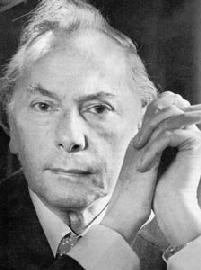
Andrzej Panufnik
2014–2018
·
2 albums
Listen
1
/5
Genres
Radio Symphony
Radio symphony refers to orchestral music performed by radio-affiliated symphony orchestras and produced for broadcast and recording. The genre crystallized when national broadcasters in Europe founded full‑time orchestras to supply live and studio concerts for the new medium of radio. While the repertoire spans the entire canon—from Baroque to contemporary premieres—its hallmark is a broadcast-oriented approach: clear balances, disciplined ensemble, and programming that alternates core symphonic works with light music, film/production cues, and newly commissioned pieces tailor‑made for airplay. The result is a distinctive sound culture that marries concert-hall orchestral traditions with the editorial, acoustic, and time-constraint realities of broadcasting.
Discover
Listen
Modern String Quartet
Modern string quartet refers to 20th- and 21st‑century writing and performance for the traditional two‑violins, viola, and cello ensemble, recasting the classical form with modernist, post‑tonal, minimalist, spectral, and post‑minimal languages. Hallmarks include extended techniques (sul ponticello, col legno, microtones, noise textures), flexible rhythm and meter, and harmonic vocabularies that range from atonal/serial procedures to modal, spectral, and neo‑tonal practices. Texture and timbre are often treated as primary compositional parameters, and form may be multi‑movement or a single, continuous arc. The genre bridges concert tradition and contemporary practice: canonical quartets commission and premiere new works, and living composers continuously expand the medium’s expressive palette in dialogue with a centuries‑old chamber tradition.
Discover
Listen
Streichquartett
Streichquartett (string quartet) denotes both an ensemble of two violins, viola, and cello, and the repertory written for that combination. It is the central genre of chamber music in the Western classical tradition. The idiom is defined by a conversational texture among four independent yet interlocking voices. Classical-era works typically unfold in clear forms (especially sonata form), elegant phrase structures, and transparent counterpoint. Across the 19th and 20th centuries the quartet became a crucible for harmonic innovation, structural experimentation, and extended string techniques, while retaining its intimate scale and emphasis on musical dialogue. Because every part is exposed, the medium prizes balance, clarity, and economy of material: a few motives can generate entire movements through imitation, variation, and development.
Discover
Listen
Orkiestra Symfoniczna
“Orkiestra symfoniczna” (symphony orchestra) is a large acoustic ensemble built around four families of instruments—strings, woodwinds, brass, and percussion—often augmented by harp, keyboards (celesta, piano), and occasionally chorus. A typical symphony orchestra ranges from about 70 to 100+ players. Strings (first and second violins, violas, cellos, double basses) form the core; woodwinds (flutes/piccolo, oboes/English horn, clarinets/bass clarinet, bassoons/contrabassoon), brass (horns, trumpets, trombones, tuba), and percussion (timpani plus color percussion) provide color, power, and rhythmic drive. A conductor coordinates interpretation, balance, and ensemble. The orchestra’s repertoire spans the Classical era through Romantic symphonic canvases, 20th‑century modernism, film and media scoring, and contemporary concert music. Its sound is characterized by wide dynamic range, layered textures, and an unmatched capacity for timbral blending and dramatic contrast.
Discover
Listen
Early Modern Classical
Early modern classical is Western art music from the early modern era, spanning roughly the 1500s through the mid-1700s. It includes late Renaissance polyphony and the major stylistic changes of the Baroque period, such as the rise of tonal harmony, basso continuo, virtuosic instrumental writing, and dramatic vocal genres. Typical sound worlds range from intricate a cappella choral counterpoint to richly ornamented solo/ensemble music with harpsichord and continuo bass, and from courtly dance suites to large-scale sacred works and early opera.
Discover
Listen
Albums
2018
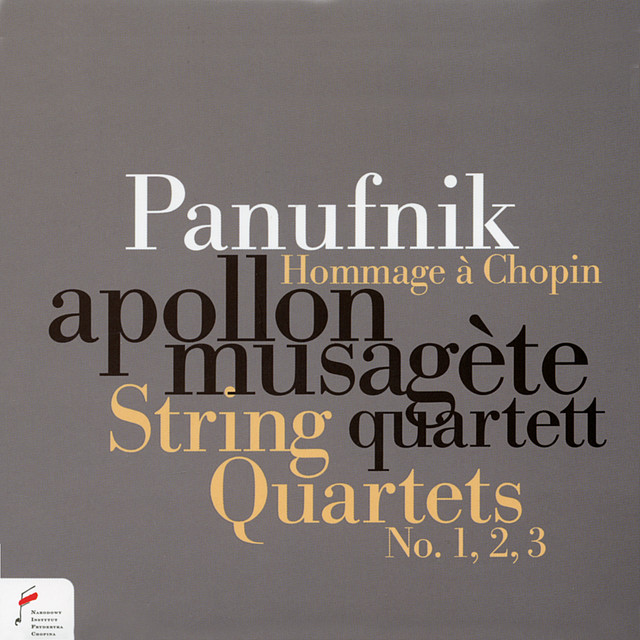
Panufik: String Quartets No. 1, 2, 3
Andrzej Panufnik, Apollon Musagete Quartet, Dora Ombodi, Sławomir Rozlach
Streichquartett
Modern String Quartet
2014
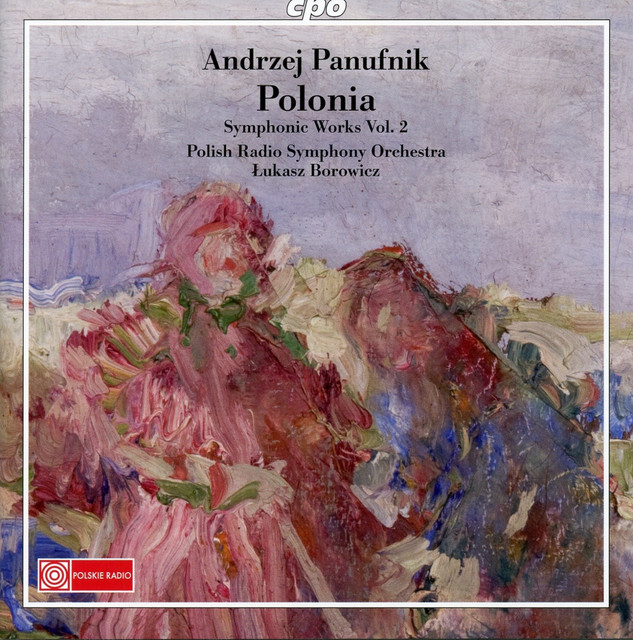
Panufnik: Symphonic Works, Vol. 2
Andrzej Panufnik, Polish Radio Symphony Orchestra, Łukasz Borowicz, Łukasz Dług…
Orkiestra Symfoniczna
Radio Symphony
Early Modern Classical
Similar artists
4
/5
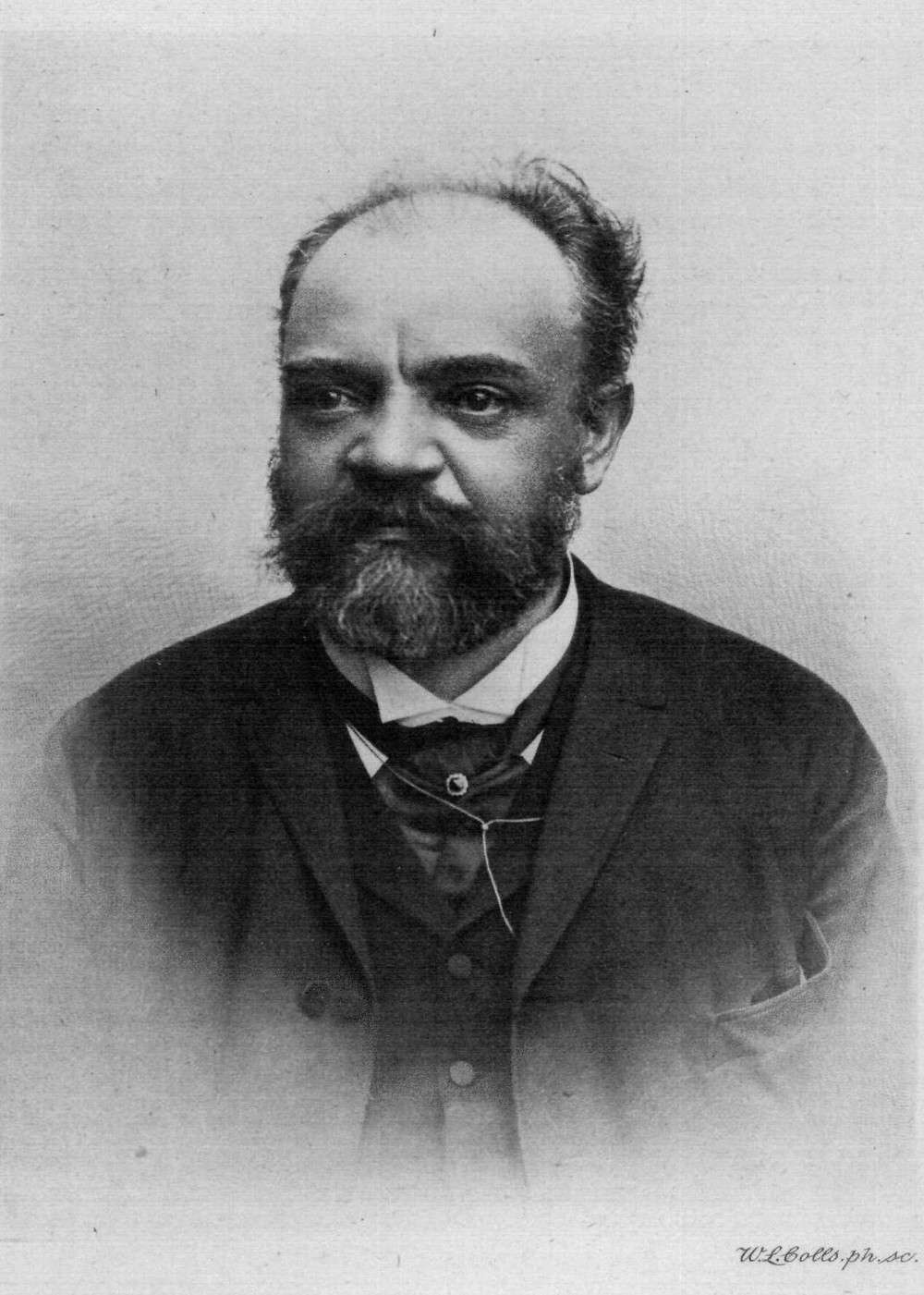
Antonín Dvořák
Classical
Symphony
Symfonicky Orchestr
2
/5
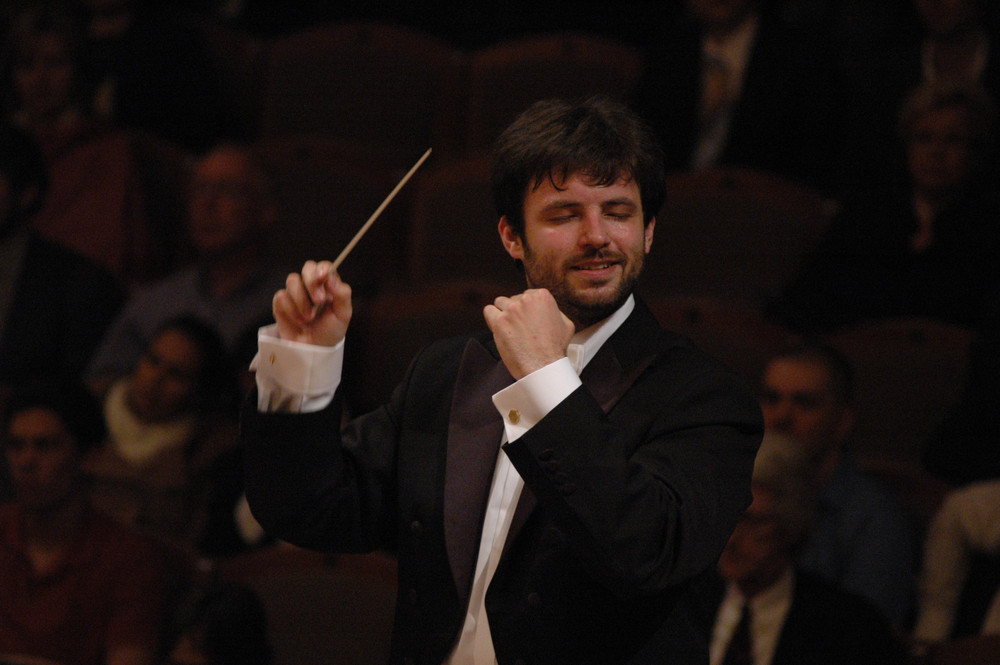
Łukasz Borowicz
Orkiestra Symfoniczna
Concerto
Contemporary Classical
2
/5
Polish Radio Symphony Orchestra
Classical
Concerto
Orchestral
4
/5
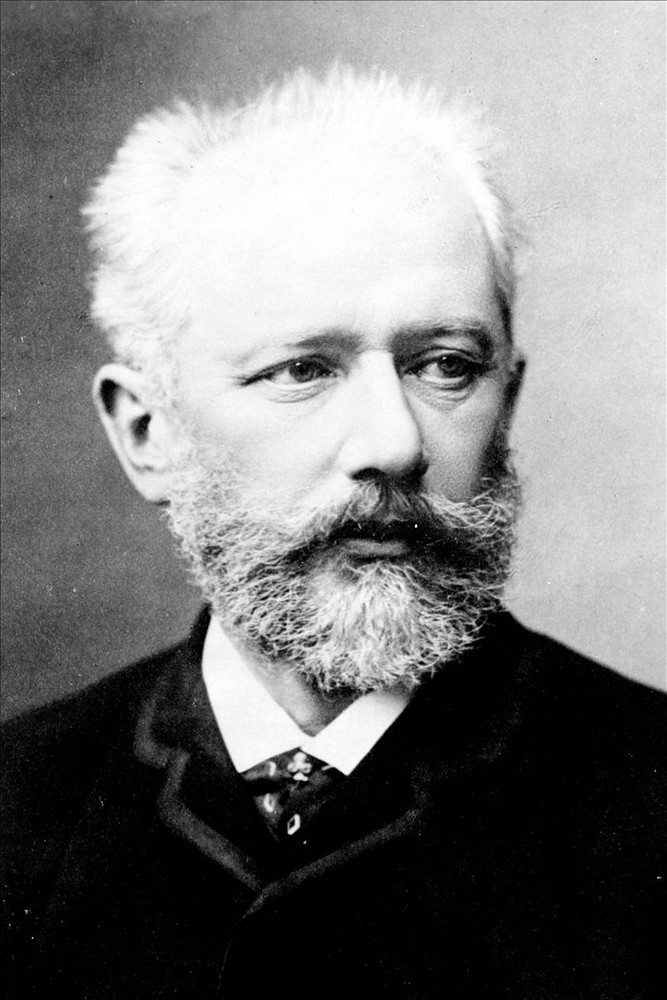
Pyotr Ilyich Tchaikovsky
Classical
Moscow School
Ballet
4
/5
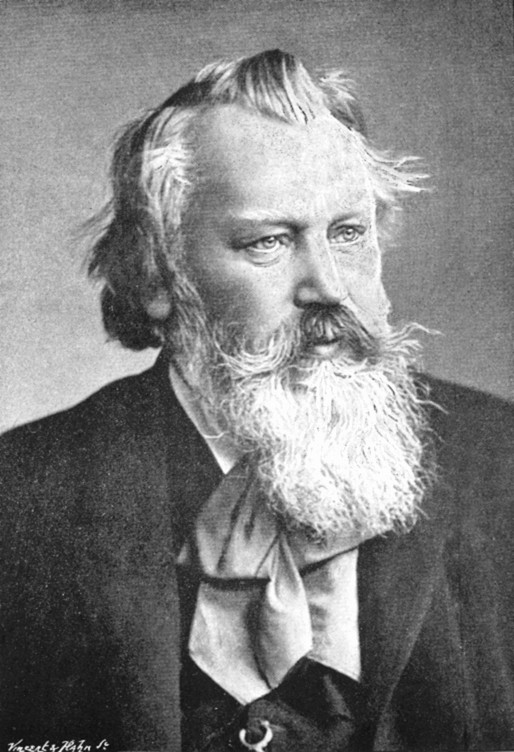
Johannes Brahms
Classical Clarinet
Classical Piano Quartet
Concerto
3
/5
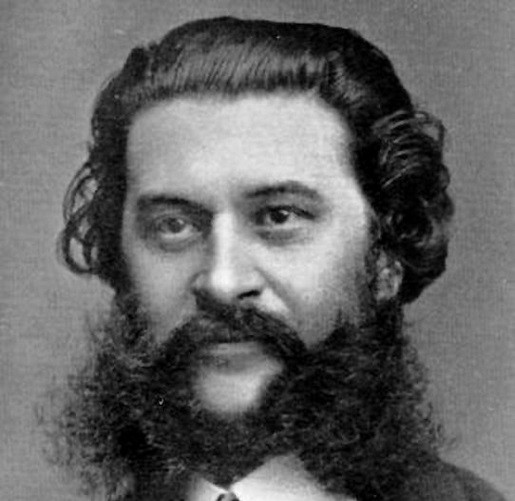
Johann Strauss II
Operetta
Historic Orchestral Performance
Waltz
3
/5
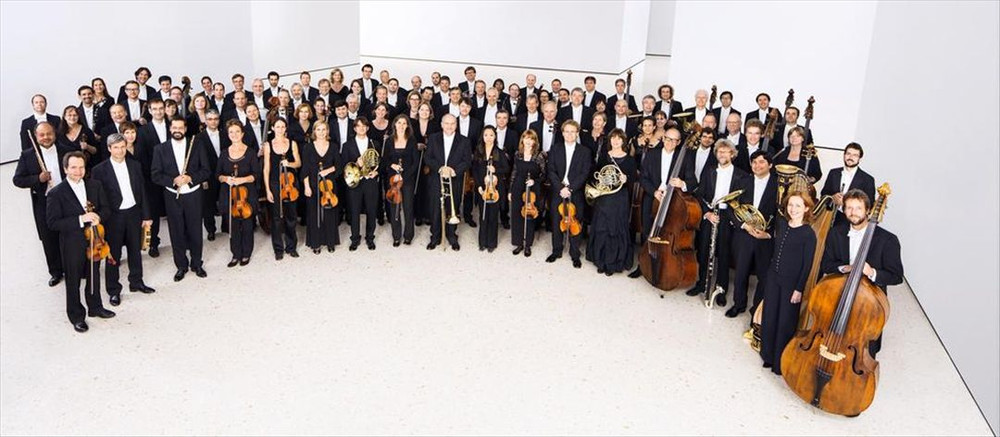
Frankfurt Radio Symphony Orchestra
Classical
Concerto
Orchestral
3
/5
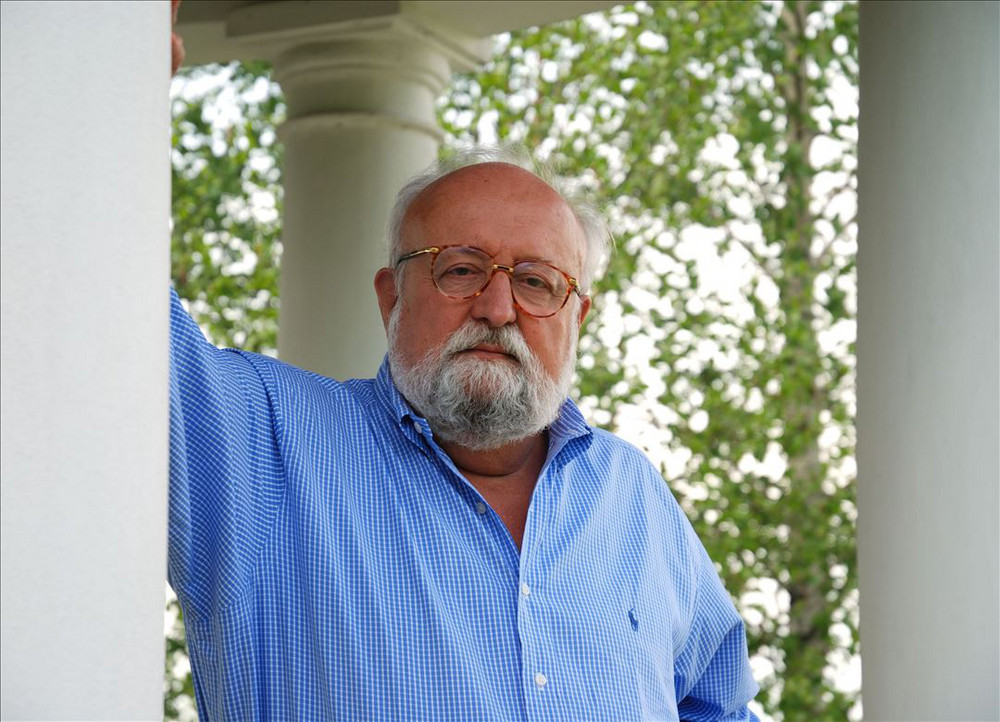
Krzysztof Penderecki
Sonorism
Classical
Requiem
2
/5
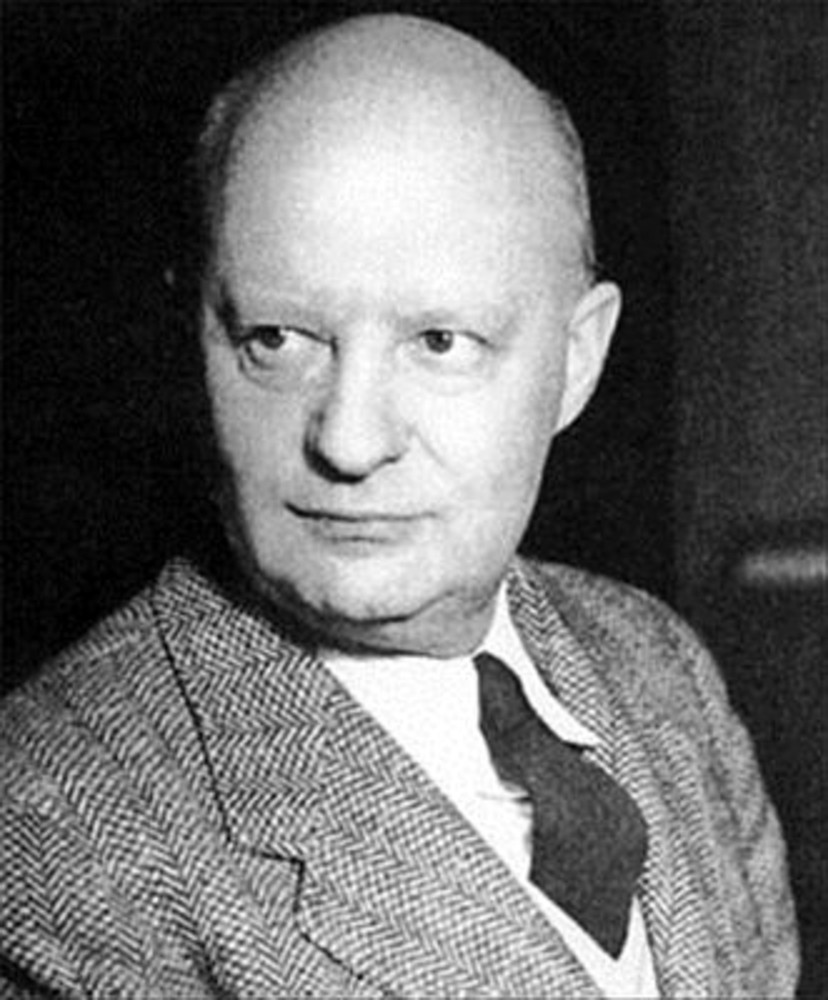
Paul Hindemith
Neoclassicism
Classical
Classical Piano
2
/5
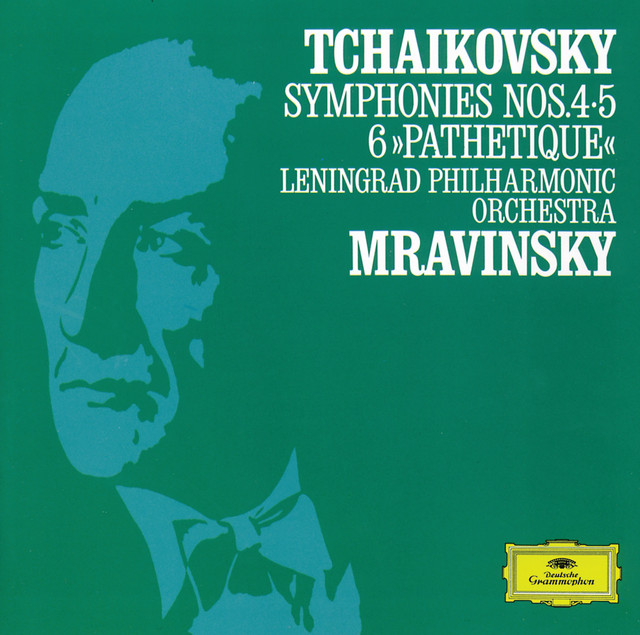
Leningrad Philharmonic Orchestra
Classical
Concerto
Orchestral
Download our mobile app
Get the Melodigging app and start digging for new genres on the go
Download on the App Store
Get it on Google Play
© 2026 Melodigging
Give feedback
Legal
Melodding was created as a tribute to
Every Noise at Once
, which inspired us to help curious minds keep digging into music's ever-evolving genres.