Genres
Artists
Albums
Make Music
Sign in
Sign in
Artists
Classical
Artists
Classical
Polish Radio Symphony Orchestra
2011–2014
·
2 albums
Listen
2
/5
Genres
Radio Symphony
Radio symphony refers to orchestral music performed by radio-affiliated symphony orchestras and produced for broadcast and recording. The genre crystallized when national broadcasters in Europe founded full‑time orchestras to supply live and studio concerts for the new medium of radio. While the repertoire spans the entire canon—from Baroque to contemporary premieres—its hallmark is a broadcast-oriented approach: clear balances, disciplined ensemble, and programming that alternates core symphonic works with light music, film/production cues, and newly commissioned pieces tailor‑made for airplay. The result is a distinctive sound culture that marries concert-hall orchestral traditions with the editorial, acoustic, and time-constraint realities of broadcasting.
Discover
Listen
Classical Baritone
Classical baritone refers to the tradition of composing for and performing with the baritone male voice in Western classical music, spanning opera, art song (Lied), oratorio, and sacred repertoire. The baritone sits between tenor and bass, typically ranging from A2 to F4 (with role- and singer-dependent extensions). Its timbre is prized for warmth, nobility, and dramatic weight, making it ideal for heroes, anti-heroes, fathers, kings, and complex psychological roles in opera, as well as for intimate poetic expression in recital. The category solidified in the early 19th century with bel canto and Romantic opera, and has since developed into subtypes (lyric, Kavalierbariton, Verdi baritone, dramatic, and bass-baritone), each with distinct tessitura, color, and technical demands.
Discover
Listen
Orkiestra Symfoniczna
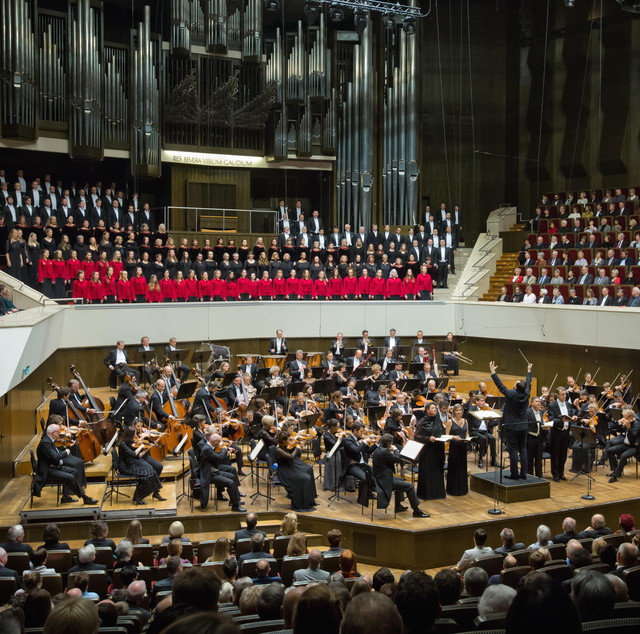
“Orkiestra symfoniczna” (symphony orchestra) is a large acoustic ensemble built around four families of instruments—strings, woodwinds, brass, and percussion—often augmented by harp, keyboards (celesta, piano), and occasionally chorus. A typical symphony orchestra ranges from about 70 to 100+ players. Strings (first and second violins, violas, cellos, double basses) form the core; woodwinds (flutes/piccolo, oboes/English horn, clarinets/bass clarinet, bassoons/contrabassoon), brass (horns, trumpets, trombones, tuba), and percussion (timpani plus color percussion) provide color, power, and rhythmic drive. A conductor coordinates interpretation, balance, and ensemble. The orchestra’s repertoire spans the Classical era through Romantic symphonic canvases, 20th‑century modernism, film and media scoring, and contemporary concert music. Its sound is characterized by wide dynamic range, layered textures, and an unmatched capacity for timbral blending and dramatic contrast.
Discover
Listen
Concerto
A concerto is a large-scale composition that sets one or more solo instruments in dynamic dialogue with an orchestra. Its core idea is contrast—between soloist and tutti—and the dramatic negotiation of power, color, and thematic responsibility. While Baroque concertos often relied on ritornello form, the Classical era standardized a three-movement plan (fast–slow–fast) with sonata principles in the opening movement. The Romantic period emphasized virtuosity and expressive foregrounding of the soloist, and the 20th–21st centuries broadened the palette with new instruments, harmonies, and formats. Across eras, the concerto remains a showcase for instrumental character, technical brilliance, and the art of orchestral conversation.
Discover
Listen
Orchestral
Orchestral music refers to compositions written for an orchestra—a large ensemble typically built around a string section (violins, violas, cellos, double basses), complemented by woodwinds, brass, percussion, and often harp, keyboard, or other auxiliary instruments. A conductor coordinates the ensemble, shaping balance, phrasing, and expression. The style emphasizes coloristic timbre combinations, dynamic range from the softest pianissimo to explosive tuttis, and textures that can shift seamlessly between transparent chamber-like writing and monumental masses of sound. Orchestral writing underpins concert genres such as symphonies, overtures, and tone poems, as well as opera, ballet, and modern film and game scores. While orchestral writing evolved across centuries, its core craft centers on melody, counterpoint, harmony, register, and orchestration—the art of assigning musical ideas to instruments to achieve clarity, contrast, and narrative impact.
Discover
Listen
Early Modern Classical
Early modern classical is Western art music from the early modern era, spanning roughly the 1500s through the mid-1700s. It includes late Renaissance polyphony and the major stylistic changes of the Baroque period, such as the rise of tonal harmony, basso continuo, virtuosic instrumental writing, and dramatic vocal genres. Typical sound worlds range from intricate a cappella choral counterpoint to richly ornamented solo/ensemble music with harpsichord and continuo bass, and from courtly dance suites to large-scale sacred works and early opera.
Discover
Listen
Classical
Classical music is the notated art-music tradition of Europe and its global descendants, characterized by durable forms, carefully codified harmony and counterpoint, and a literate score-based practice. The term “classical” can refer broadly to the entire Western art-music lineage from the Medieval era to today, not just the Classical period (c. 1750s–1820s). It privileges long-form structures (such as symphonies, sonatas, concertos, masses, and operas), functional or modal harmony, thematic development, and timbral nuance across ensembles ranging from solo instruments to full orchestras and choirs. Across centuries, the style evolved from chant and modal polyphony to tonal harmony, and later to post-tonal idioms, while maintaining a shared emphasis on written notation, performance practice, and craft.
Discover
Listen
Show all 7 genres
Albums
2014
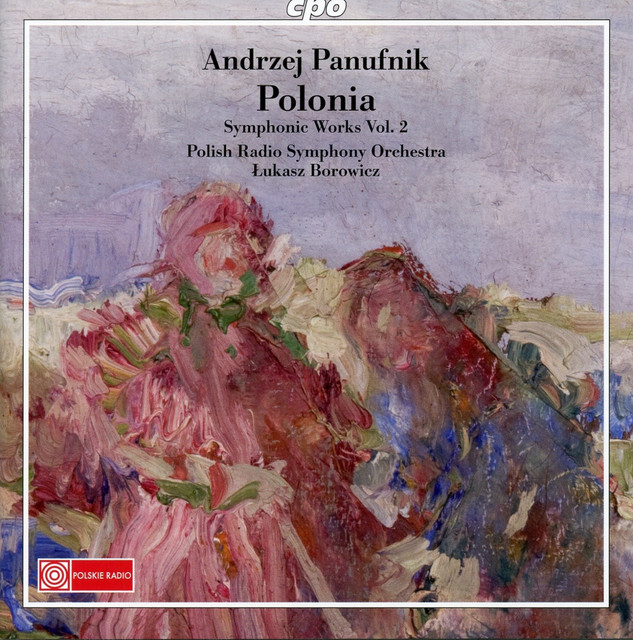
Panufnik: Symphonic Works, Vol. 2
Andrzej Panufnik, Polish Radio Symphony Orchestra, Łukasz Borowicz, Łukasz Dług…
Orkiestra Symfoniczna
Radio Symphony
Early Modern Classical
2011
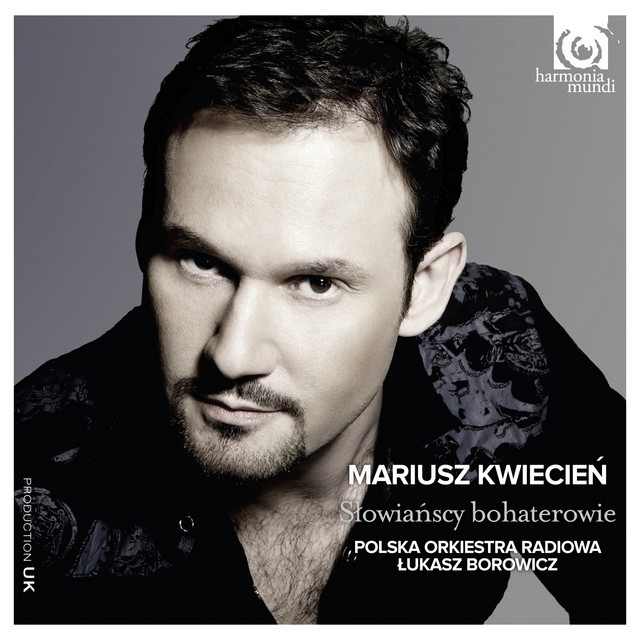
Slowianscy bohaterowie
Mariusz Kwiecien, Łukasz Borowicz, Polish Radio Symphony Orchestra
Classical Baritone
Similar artists
4
/5
Wiener Philharmoniker
Classical
Romantic Classical
Romanticism
4
/5
Berliner Philharmoniker
Classical
Symphony
Romantic Classical
4
/5
Herbert von Karajan
Classical
Symphonic Poem
Symphony
4
/5
Academy of St. Martin in the Fields
Baroque
Classical
Classical Performance
4
/5
Claudio Abbado
Classical
Concerto
Expressionism
3
/5
Chicago Symphony Orchestra
Classical
Concerto
Expressionism
3
/5
Neeme Järvi
Classical
Orchestral
Symphony
3
/5
Gewandhausorchester
Classical
Concerto
Orchestral
3
/5
Deutsches Symphonie-Orchester Berlin
Classical
Opera
Concerto
3
/5
Vasily Petrenko
Classical
Concerto
Orchestral
Download our mobile app
Get the Melodigging app and start digging for new genres on the go
Download on the App Store
Get it on Google Play
© 2026 Melodigging
Give feedback
Legal
Melodding was created as a tribute to
Every Noise at Once
, which inspired us to help curious minds keep digging into music's ever-evolving genres.