Genres
Artists
Albums
Make Music
Sign in
Sign in
Albums
By Łukasz Borowicz
Albums
By Łukasz Borowicz
Panufnik: Symphonic Works, Vol. 2
July 1, 2014
Listen
Genres
Radio Symphony
Radio symphony refers to orchestral music performed by radio-affiliated symphony orchestras and produced for broadcast and recording. The genre crystallized when national broadcasters in Europe founded full‑time orchestras to supply live and studio concerts for the new medium of radio. While the repertoire spans the entire canon—from Baroque to contemporary premieres—its hallmark is a broadcast-oriented approach: clear balances, disciplined ensemble, and programming that alternates core symphonic works with light music, film/production cues, and newly commissioned pieces tailor‑made for airplay. The result is a distinctive sound culture that marries concert-hall orchestral traditions with the editorial, acoustic, and time-constraint realities of broadcasting.
Discover
Listen
Orkiestra Symfoniczna
“Orkiestra symfoniczna” (symphony orchestra) is a large acoustic ensemble built around four families of instruments—strings, woodwinds, brass, and percussion—often augmented by harp, keyboards (celesta, piano), and occasionally chorus. A typical symphony orchestra ranges from about 70 to 100+ players. Strings (first and second violins, violas, cellos, double basses) form the core; woodwinds (flutes/piccolo, oboes/English horn, clarinets/bass clarinet, bassoons/contrabassoon), brass (horns, trumpets, trombones, tuba), and percussion (timpani plus color percussion) provide color, power, and rhythmic drive. A conductor coordinates interpretation, balance, and ensemble. The orchestra’s repertoire spans the Classical era through Romantic symphonic canvases, 20th‑century modernism, film and media scoring, and contemporary concert music. Its sound is characterized by wide dynamic range, layered textures, and an unmatched capacity for timbral blending and dramatic contrast.
Discover
Listen
Early Modern Classical
Early modern classical is Western art music from the early modern era, spanning roughly the 1500s through the mid-1700s. It includes late Renaissance polyphony and the major stylistic changes of the Baroque period, such as the rise of tonal harmony, basso continuo, virtuosic instrumental writing, and dramatic vocal genres. Typical sound worlds range from intricate a cappella choral counterpoint to richly ornamented solo/ensemble music with harpsichord and continuo bass, and from courtly dance suites to large-scale sacred works and early opera.
Discover
Listen
Similar albums
2024
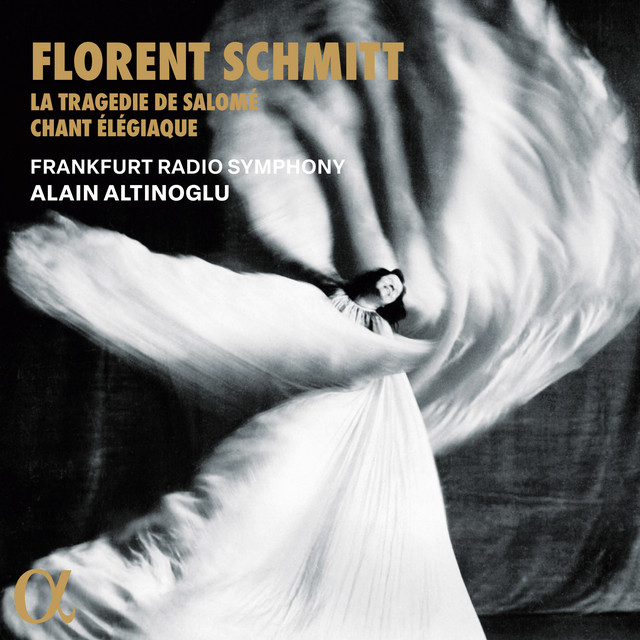
Schmitt: La Tragédie de Salomé & Chant élégiaque
Florent Schmitt, Frankfurt Radio Symphony Orchestra, Alain Altinoglu
1994
Má vlast
Bedřich Smetana / Narodowa Orkiestra Symfoniczna Polskiego Radia w Katowicach /…
2022
Music for Chamber Orchestra, Vol. III
Grażyna Bacewicz; Amadeus Chamber Orchestra of the Polish Radio, Agnieszka Ducz…
2018
Myaskovsky: Cello Sonatas 1&2 / Prokofiev: Ballade / Taneyev: Canzona
Myaskovsky, Prokofiev, Taneyev; Pavel Gomziakov, Andrei Korobeinikov
2004
Dvořák: Symphonies
Antonín Dvořák, Vladimír Válek, Prague Radio Symphony Orchestra
2021
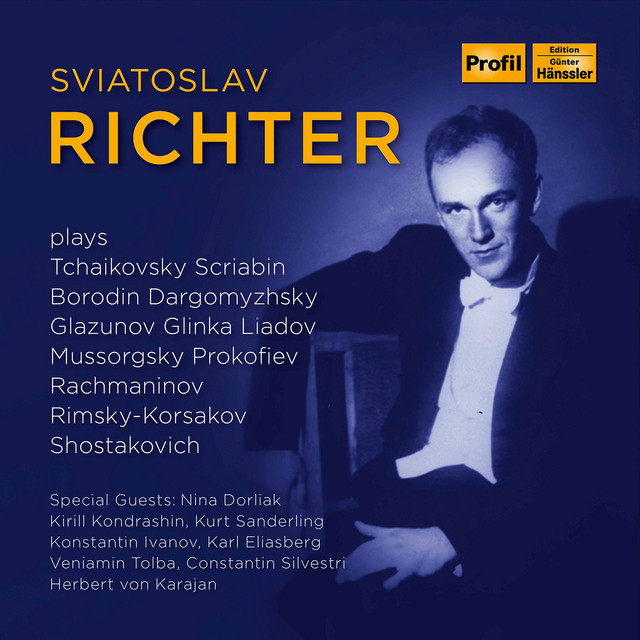
Sviatolsav Richter plays Russian Composers
Sviatoslav Richter, Brno Radio Smphony Orchestra, Konstantin Ivanov, Wiener Sym…
2023
Enfleurage
Arseniy Gusev
1999
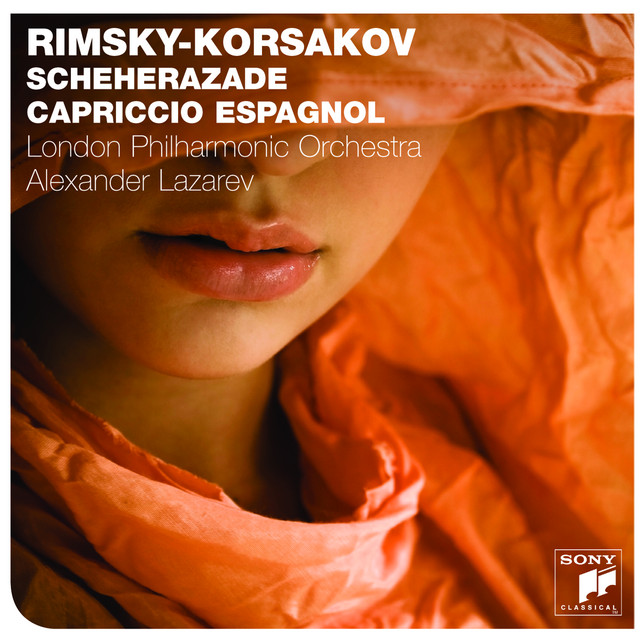
Rimsky-Korsakov: Scheherezade
Nikolai Rimsky-Korsakov, Alexander Lazarev
1996
Chabrier: España; Suite pastorale
Emmanuel Chabrier, Wiener Philharmoniker, John Eliot Gardiner
1992
Hanson, H.: Music of Howard Hanson, Vol. 1 - Symphonies Nos. 2 and 4 / Fantasy-Variations On A Theme of Youth
Howard Hanson, Gerard Schwarz
Download our mobile app
Get the Melodigging app and start digging for new genres on the go
Download on the App Store
Get it on Google Play
© 2026 Melodigging
Give feedback
Legal
Melodding was created as a tribute to
Every Noise at Once
, which inspired us to help curious minds keep digging into music's ever-evolving genres.