Genres
Artists
Albums
Make Music
Sign in
Sign in
Artists
Classical
Artists
Classical
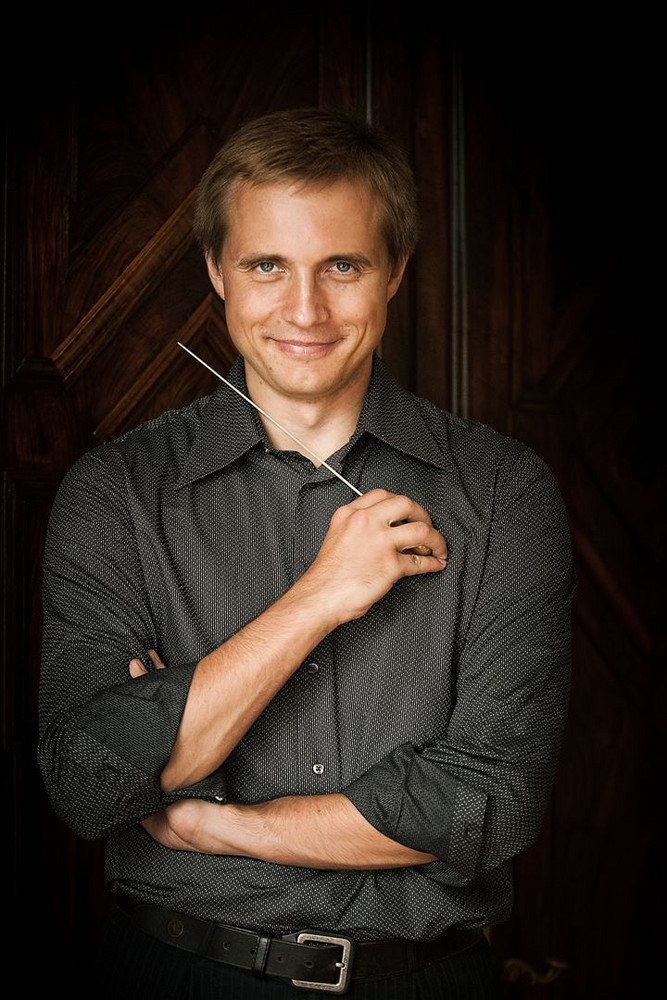
Vasily Petrenko
2017
·
1 album
Listen
3
/5
Genres
Dungeon Rap
Dungeon rap is a dark, internet-born microgenre that fuses the gloomy, medieval-fantasy atmospheres of dungeon synth with the rhythms, vocal cadences, and low‑end of underground trap and Memphis-influenced rap. Its sound is defined by lo-fi, reverb-soaked synth pads, organ or choir timbres, modal or minor-key melodies reminiscent of dungeon synth, and skeletal 808-driven drum patterns. Vocals (when present) are typically pitched-down, whispered, or deadpan, often dealing with occult, fantasy, and horror imagery. Producers frequently sample retro RPG soundtracks, black metal-adjacent ambient passages, or cassette-era dungeon synth, then anchor them with trunk-rattling subs and crispy hi-hat rolls. The genre coalesced online at the turn of the 2020s through Bandcamp/YouTube scenes and boutique labels, crystallizing a distinct aesthetic that feels equal parts crypt-ambient and street-level rap.
Discover
Listen
Pet Calming
Pet calming is a functional micro‑genre designed to reduce stress and arousal in companion animals—primarily dogs and cats—during triggering situations such as owner absence, fireworks, vet visits, thunderstorms, or travel. Musically it favors very slow tempos, sparse arrangements, soft timbres (piano, pads, gentle strings, warm guitars), long sustains, smooth envelopes, and stable, consonant harmonies. Dynamics are kept narrow and transients are tamed to avoid startle responses. Many releases add gentle environmental ambiences (rain, ocean, rustling leaves) or unobtrusive pink/white‑noise beds to mask external sounds. Structures are highly repetitive with gradual variation so the soundscape feels predictable and safe. While aimed at non‑human listeners, the genre is informed by animal‑behavior findings (e.g., predictable low‑arousal sound reduces stress) and by human relaxation idioms (ambient, new age, lullaby). It is commonly delivered as long‑form, streaming‑friendly content that owners can loop for hours.
Discover
Listen
Concerto
A concerto is a large-scale composition that sets one or more solo instruments in dynamic dialogue with an orchestra. Its core idea is contrast—between soloist and tutti—and the dramatic negotiation of power, color, and thematic responsibility. While Baroque concertos often relied on ritornello form, the Classical era standardized a three-movement plan (fast–slow–fast) with sonata principles in the opening movement. The Romantic period emphasized virtuosity and expressive foregrounding of the soloist, and the 20th–21st centuries broadened the palette with new instruments, harmonies, and formats. Across eras, the concerto remains a showcase for instrumental character, technical brilliance, and the art of orchestral conversation.
Discover
Listen
Orchestral
Orchestral music refers to compositions written for an orchestra—a large ensemble typically built around a string section (violins, violas, cellos, double basses), complemented by woodwinds, brass, percussion, and often harp, keyboard, or other auxiliary instruments. A conductor coordinates the ensemble, shaping balance, phrasing, and expression. The style emphasizes coloristic timbre combinations, dynamic range from the softest pianissimo to explosive tuttis, and textures that can shift seamlessly between transparent chamber-like writing and monumental masses of sound. Orchestral writing underpins concert genres such as symphonies, overtures, and tone poems, as well as opera, ballet, and modern film and game scores. While orchestral writing evolved across centuries, its core craft centers on melody, counterpoint, harmony, register, and orchestration—the art of assigning musical ideas to instruments to achieve clarity, contrast, and narrative impact.
Discover
Listen
Early Modern Classical
Early modern classical is Western art music from the early modern era, spanning roughly the 1500s through the mid-1700s. It includes late Renaissance polyphony and the major stylistic changes of the Baroque period, such as the rise of tonal harmony, basso continuo, virtuosic instrumental writing, and dramatic vocal genres. Typical sound worlds range from intricate a cappella choral counterpoint to richly ornamented solo/ensemble music with harpsichord and continuo bass, and from courtly dance suites to large-scale sacred works and early opera.
Discover
Listen
Classical
Classical music is the notated art-music tradition of Europe and its global descendants, characterized by durable forms, carefully codified harmony and counterpoint, and a literate score-based practice. The term “classical” can refer broadly to the entire Western art-music lineage from the Medieval era to today, not just the Classical period (c. 1750s–1820s). It privileges long-form structures (such as symphonies, sonatas, concertos, masses, and operas), functional or modal harmony, thematic development, and timbral nuance across ensembles ranging from solo instruments to full orchestras and choirs. Across centuries, the style evolved from chant and modal polyphony to tonal harmony, and later to post-tonal idioms, while maintaining a shared emphasis on written notation, performance practice, and craft.
Discover
Listen
Albums
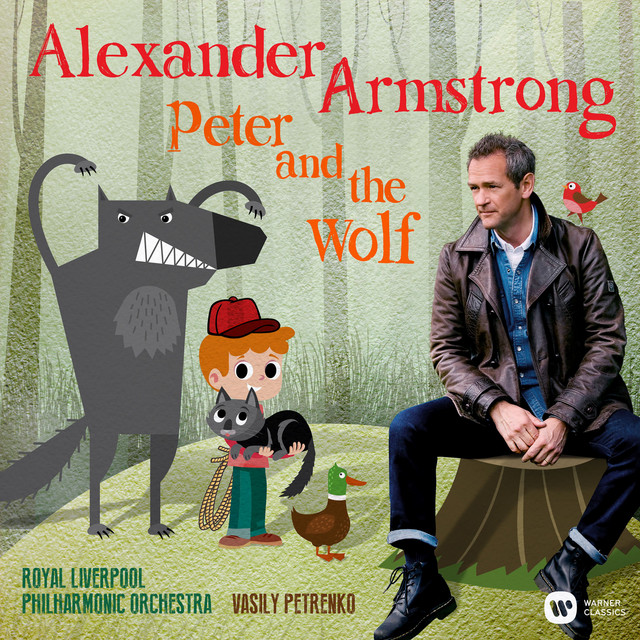
2017
Peter and the Wolf
Alexander Armstrong, Vasily Petrenko, Royal Liverpool Philamornic Orchestra
Early Modern Classical
Similar artists
3
/5
Neeme Järvi
Classical
Orchestral
Symphony
3
/5
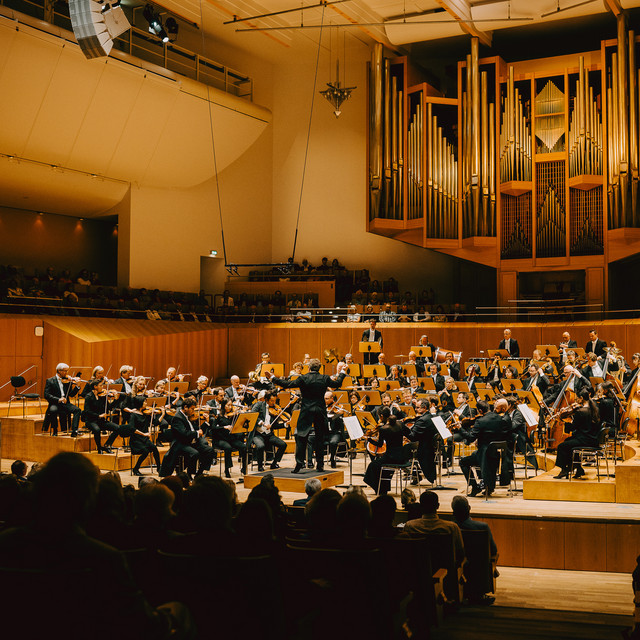
Gewandhausorchester
Classical
Concerto
Orchestral
3
/5
Deutsches Symphonie-Orchester Berlin
Classical
Opera
Concerto
3
/5
Frankfurt Radio Symphony Orchestra
Classical
Concerto
Orchestral
3
/5
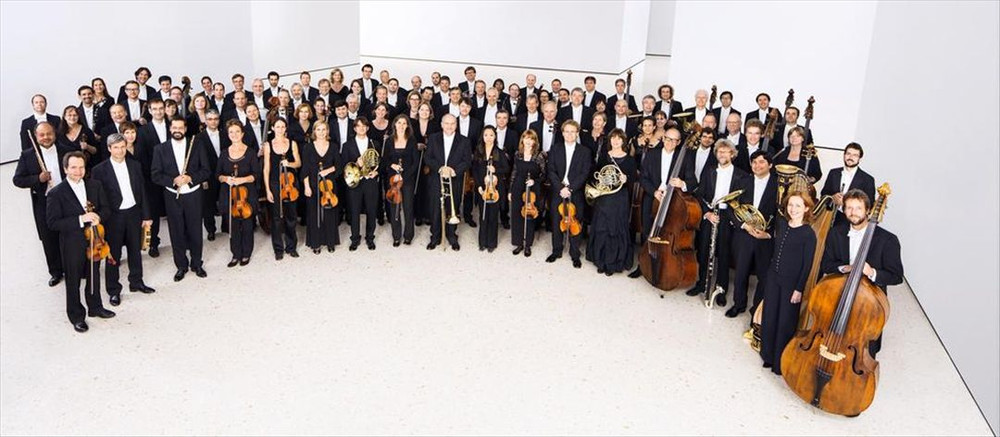
Bamberg Symphony
Classical
Concerto
Orchestral
2
/5
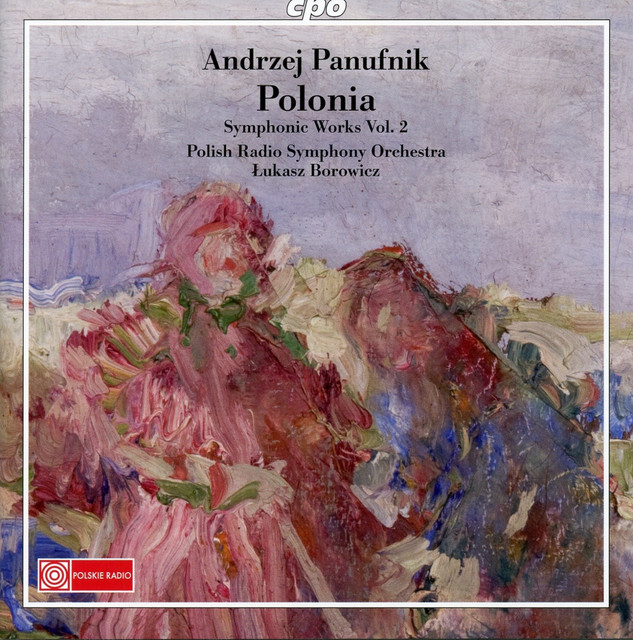
Polish Radio Symphony Orchestra
Classical
Concerto
Orchestral
4
/5
Wiener Philharmoniker
Classical
Romantic Classical
Romanticism
3
/5
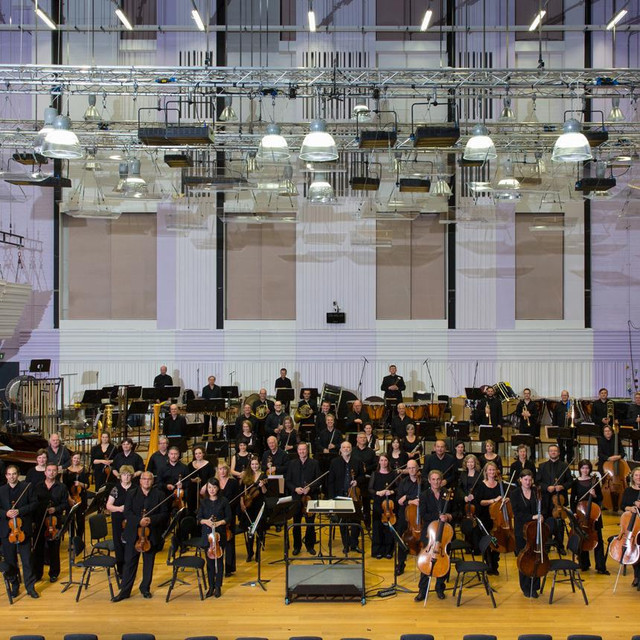
BBC Philharmonic
Classical
Concerto
Contemporary Classical
4
/5
Johann Sebastian Bach
Baroque
Classical
Baroque Suite
4
/5
London Symphony Orchestra
Classical
Ballet
American Classical Piano
Download our mobile app
Get the Melodigging app and start digging for new genres on the go
Download on the App Store
Get it on Google Play
© 2026 Melodigging
Give feedback
Legal
Melodding was created as a tribute to
Every Noise at Once
, which inspired us to help curious minds keep digging into music's ever-evolving genres.