Genres
Artists
Albums
Make Music
Sign in
Sign in
Artists
Neoclassicism
Artists
Neoclassicism
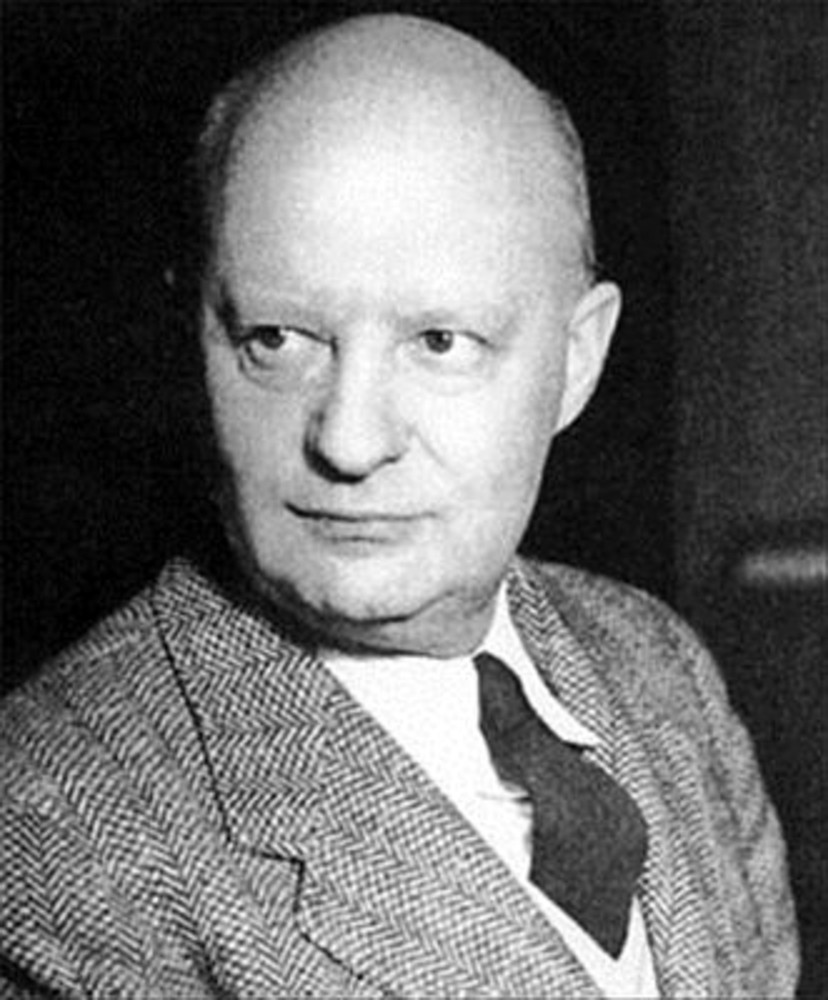
Paul Hindemith
1988–2007
·
3 albums
Listen
2
/5
Genres
Modern Classical
Modern classical is a contemporary strand of instrumental music that applies classical composition techniques to intimate, cinematic settings. It typically foregrounds piano and strings, is sparsely orchestrated, and embraces ambience, repetition, and timbral detail. Rather than the academic modernism of the early 20th century, modern classical as used today refers to accessible, mood-driven works that sit between classical, ambient, and film music. Felt pianos, close‑miked string quartets, tape hiss, drones, soft electronics, and minimal harmonic movement are common, producing a contemplative, emotionally direct sound that translates well to headphones, streaming playlists, and screen media.
Discover
Listen
Zeitoper
Zeitoper (literally “opera of the times”) is a Weimar-era operatic current that set contemporary, urban life on the operatic stage. Emerging in late‑1920s Germany, it fused classical vocal writing with the rhythms, timbres, and topicality of the day—foxtrot and tango grooves, jazz harmonies and instrumentation, telephones, radios, cars, and news bulletins. Typical works are fast‑paced, satirical, and montage‑like, prioritizing clarity, brevity, and immediacy. The music often blends neoclassical transparency with jazz-inflected chords and dance rhythms, while librettos target modern subjects such as mass media, celebrity culture, bureaucracy, and technology. The result is a sharp, witty, and socially observant opera designed for—and about—its contemporary audience.
Discover
Listen
Neoclassicism
Neoclassicism in music is a 20th‑century movement that revived forms, genres, and aesthetics from the Baroque and Classical eras, but reframed them with modern harmony, rhythm, and orchestration. It emphasizes clarity, balance, objectivity, and contrapuntal craft, often rejecting late‑Romantic excess while retaining a tonal or modal center enriched by dissonance, bitonality, and crisp rhythmic drive. Typical hallmarks include neobaroque dance suites, neoclassical sonatas and concerti, chamber‑oriented scoring, clean textures, and a dry, anti‑rhetorical performance style.
Discover
Listen
Classical Piano
Classical piano is the tradition of composing and performing music for the acoustic piano within the Western classical lineage. It emphasizes formal clarity, tonal harmony, contrapuntal writing, and expressive nuance across the full compass of the instrument. Its core repertoire ranges from Classical-era sonatas and variations to Romantic character pieces, études, dances, and 20th-century impressionistic and modernist works. Pianists exploit dynamics, articulation, pedaling, and touch to shape phrases, imitate orchestral textures, and project both intimate lyricism and large-scale drama.
Discover
Listen
Orchestral
Orchestral music refers to compositions written for an orchestra—a large ensemble typically built around a string section (violins, violas, cellos, double basses), complemented by woodwinds, brass, percussion, and often harp, keyboard, or other auxiliary instruments. A conductor coordinates the ensemble, shaping balance, phrasing, and expression. The style emphasizes coloristic timbre combinations, dynamic range from the softest pianissimo to explosive tuttis, and textures that can shift seamlessly between transparent chamber-like writing and monumental masses of sound. Orchestral writing underpins concert genres such as symphonies, overtures, and tone poems, as well as opera, ballet, and modern film and game scores. While orchestral writing evolved across centuries, its core craft centers on melody, counterpoint, harmony, register, and orchestration—the art of assigning musical ideas to instruments to achieve clarity, contrast, and narrative impact.
Discover
Listen
Classical
Classical music is the notated art-music tradition of Europe and its global descendants, characterized by durable forms, carefully codified harmony and counterpoint, and a literate score-based practice. The term “classical” can refer broadly to the entire Western art-music lineage from the Medieval era to today, not just the Classical period (c. 1750s–1820s). It privileges long-form structures (such as symphonies, sonatas, concertos, masses, and operas), functional or modal harmony, thematic development, and timbral nuance across ensembles ranging from solo instruments to full orchestras and choirs. Across centuries, the style evolved from chant and modal polyphony to tonal harmony, and later to post-tonal idioms, while maintaining a shared emphasis on written notation, performance practice, and craft.
Discover
Listen
Albums
2007
1
/5
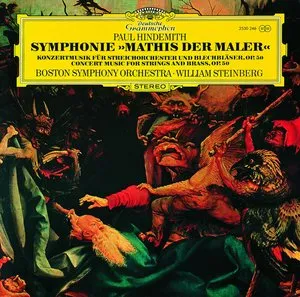
Symphony "Mathis der Maler"; Concert Music for Strings & Brass, Op. 50
Paul Hindemith / Boston Symphony Orchestra / William Steinberg
Neoclassicism
1988
1
/5
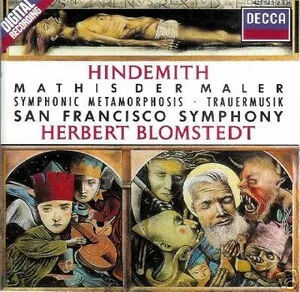
Mathis der Maler; Symphonic Metamorphosis; Trauermusik
Paul Hindemith / San Francisco Symphony / Herbert Blomstedt
Neoclassicism
Classical
Orchestral
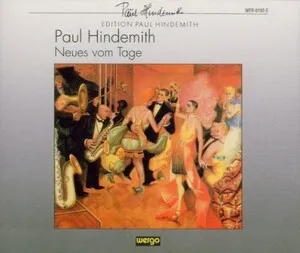
Neues vom Tage
Paul Hindemith
Zeitoper
Similar artists
1
/5
Various Artists
Afro-Funk
Alternative Rock
Ambient
4
/5
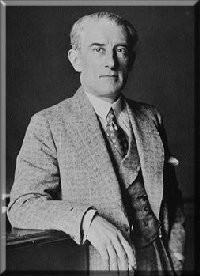
Maurice Ravel
Impressionism
Classical
Neoclassicism
3
/5
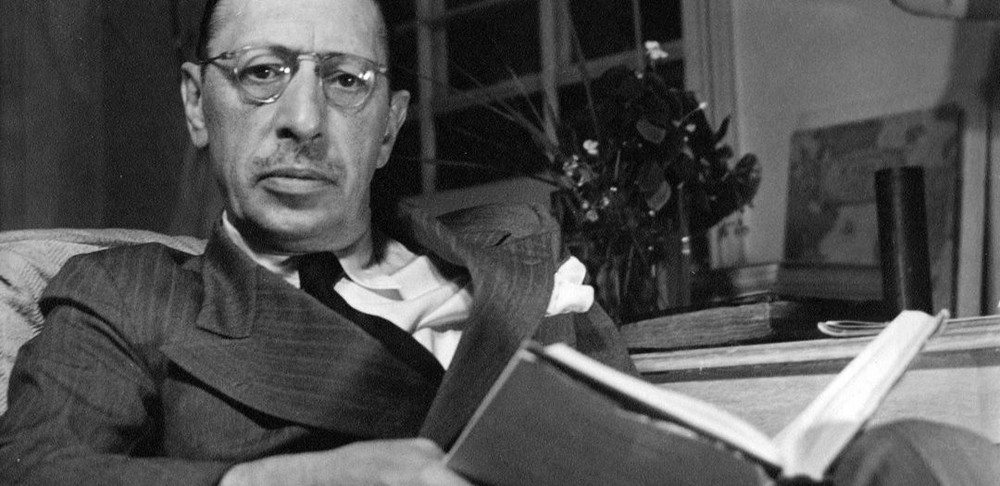
Igor Stravinsky
Neoclassicism
Classical
Ballet
4
/5
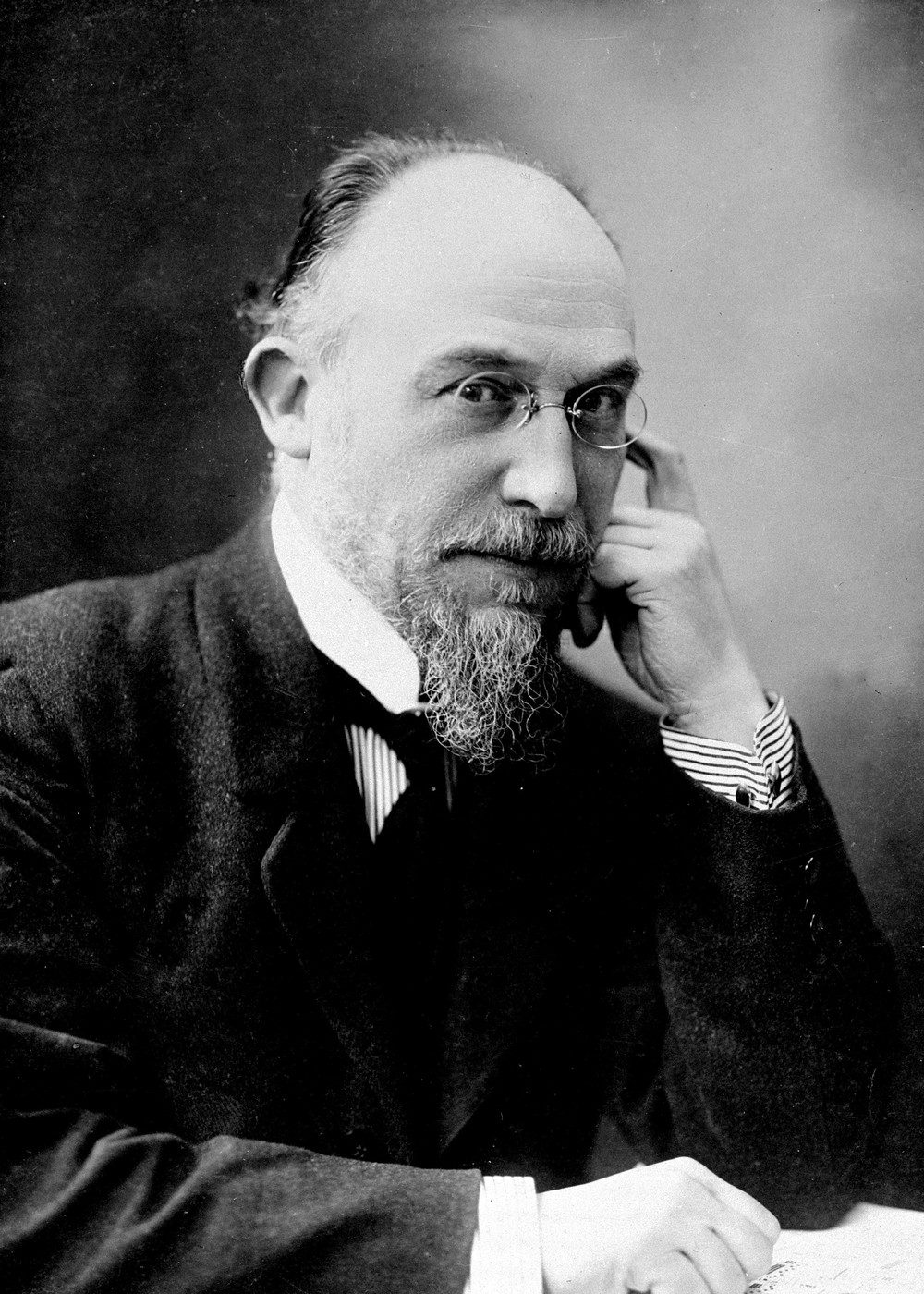
Erik Satie
Impressionism
Classical
Neoclassicism
4
/5
Johann Sebastian Bach
Baroque
Classical
Baroque Suite
4
/5
Wolfgang Amadeus Mozart
Classical
Requiem
Classical Period
4
/5
Berliner Philharmoniker
Classical
Romantic Classical
Romanticism
4
/5
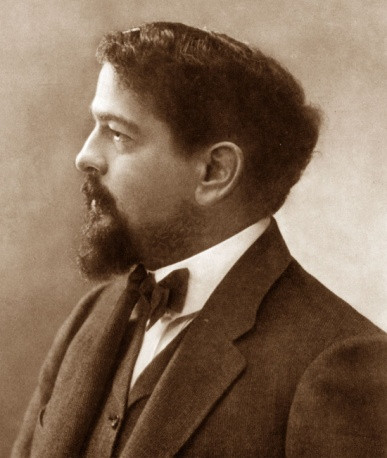
Claude Debussy
Impressionism
Classical
Classical Piano
4
/5
Daniel Barenboim
Impressionism
Classical
Chamber Music
3
/5
Ottorino Respighi
Classical
Classical Piano
Neoclassicism
Download our mobile app
Get the Melodigging app and start digging for new genres on the go
Download on the App Store
Get it on Google Play
© 2026 Melodigging
Give feedback
Legal
Melodding was created as a tribute to
Every Noise at Once
, which inspired us to help curious minds keep digging into music's ever-evolving genres.