Genres
Artists
Albums
Make Music
Sign in
Sign in
Artists
Afrobeats
Artists
Afrobeats
фрози
Listen
4
/5
Genres
New Jazz
New Jazz is a contemporary subgenre of trap music that emerged from the underground SoundCloud scene. Despite its name, it is distinct from the 'Nu Jazz' of the 1990s. It is characterized by colorful, repetitive synthesizer melodies, often utilizing jazz-influenced 7th and 9th chords, paired with 'wonky' or off-kilter 808 basslines and bouncy, complex trap drum patterns. The sound is often described as psychedelic, playful, and experimental, bridging the gap between the aggression of Rage beats and the melodic sensibilities of Pluggnb.
Discover
Listen
Sped-Up Music
Sped-up music is the practice of releasing or circulating versions of existing tracks that have been deliberately accelerated, often with a corresponding pitch raise that produces the classic "chipmunk" timbre. These versions are typically 10–35% faster than the original and are optimized for short‑form video platforms, where quick hooks and heightened energy improve replayability and engagement. While the aesthetic traces back to 2000s nightcore and fan edits on YouTube, the 2020s saw a commercial normalization: labels and artists now issue official “sped up” (and often “slowed”) versions on streaming services. The result is a micro‑genre defined less by unique compositional vocabulary than by a production treatment that recontextualizes mainstream pop, R&B, hip hop, and dance records for viral, danceable, hook‑forward consumption.
Discover
Listen
Afrobeats
Afrobeats (plural) is a contemporary West African pop umbrella that blends indigenous Nigerian and Ghanaian rhythms with global Black music—especially dancehall, hip hop, R&B, and highlife. Typical tracks sit in the mid‑tempo 95–115 BPM range and feature syncopated, polyrhythmic drum programming (shakers, rimshots, congas, talking drum), rubbery sub‑bass lines, bright synths, and guitar licks that recall highlife. Vocals are melodic and hook‑driven, often delivered in a fluid mix of English, Nigerian Pidgin, Yoruba, Twi, or other local languages, with call‑and‑response refrains tailored for dance floors. Distinct from Fela Kuti’s Afrobeat (singular), Afrobeats prioritizes songcraft, club‑ready grooves, and pop structures. It travels easily across diasporas, seamlessly absorbing UK club influences and Caribbean cadence while maintaining unmistakably West African rhythmic DNA.
Discover
Listen
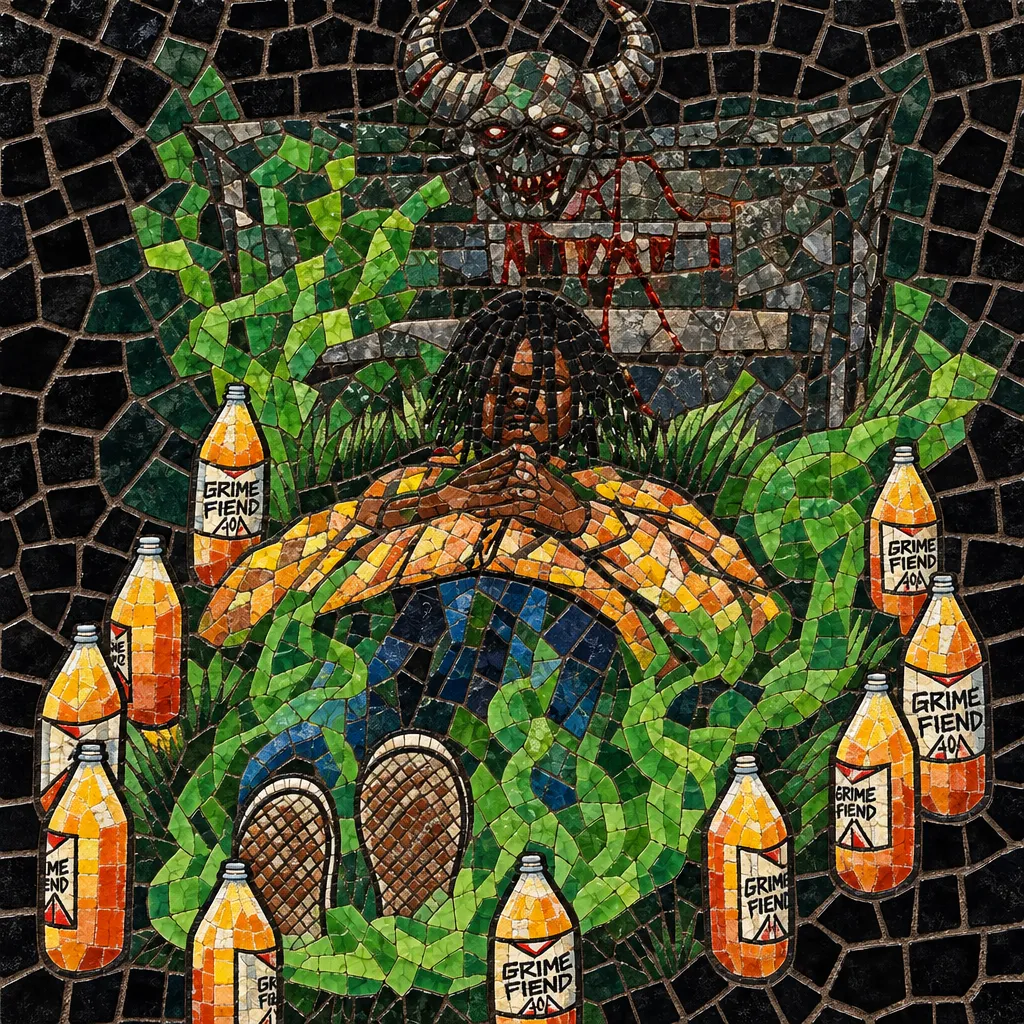
Doomshop Phonk
Doomshop phonk is a darker, grittier branch of phonk rooted in 1990s Memphis underground hip hop aesthetics and horrorcore imagery. It emphasizes slowed, pitched‑down rap vocals, eerie melodic loops, blown‑out 808 subs, and lo‑fi textures (tape hiss, vinyl crackle) to evoke a sinister, nocturnal atmosphere. The style was popularized online in the mid‑2010s through the Doom Shop/Doomshop collective, YouTube mixtapes, and SoundCloud communities. Compared with mainstream or drift phonk, doomshop phonk keeps tempos slower, mixes dirtier, and samples and programming closer to chopped‑and‑screwed and early Memphis traditions.
Discover
Listen
Experimental Club Music
Experimental club music (often called post-club or deconstructed club) is a hybrid, avant‑garde approach to club production and performance that treats the dancefloor as a laboratory. It uses the grammar of contemporary club forms—heavy sub‑bass, kick patterns, samples, MC or chopped vocals—as raw material to be cut apart, collaged, and reassembled. Instead of four‑to‑the‑floor regularity, it favors asymmetry, abrupt contrasts, negative space, and extreme sound design drawn from noise, industrial, grime, ballroom/vogue, reggaeton, and internet culture. The result ranges from skeletal, percussive workouts to dense, cinematic soundscapes that can be as confrontational as they are cathartic. Just as importantly, the scene has been a site of diasporic, queer, and trans expression, where identity and politics are embedded in sonic choices and performance practice.
Discover
Listen
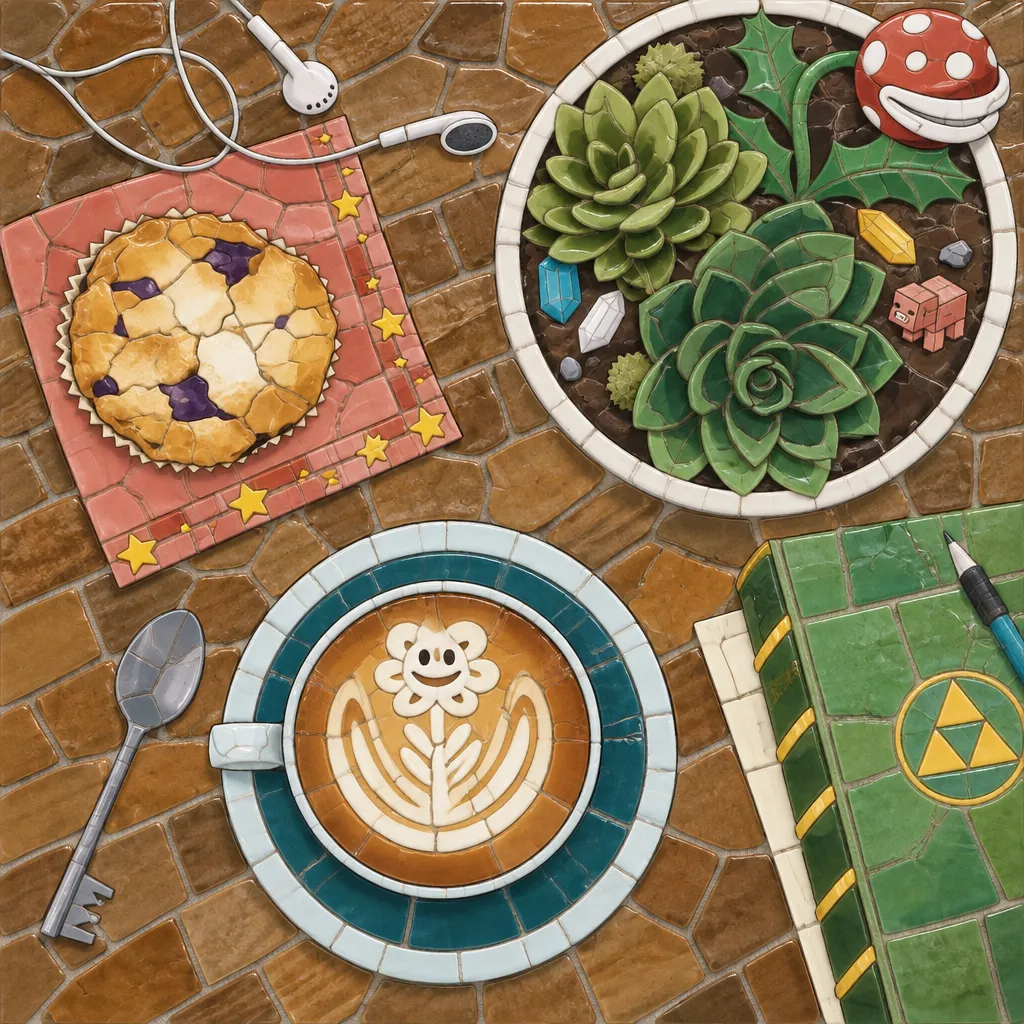
Game Mood
Game mood is a contemporary, internet-native style that blends chill, loop-friendly electronic production with the melodic signifiers of video game music. It is crafted to sit comfortably behind gameplay, streaming, studying, or casual listening. The palette typically includes soft synth pads, gentle sidechained chords, arpeggiated leads, and light, clicky drum programming. Subtle chiptune timbres, sparkling bell or mallet tones, retro console textures, and synthwave-adjacent pads are common, while arrangements avoid intrusive vocals and sharp transients so the music remains non-distracting. Tempos are usually mid-slow (often 70–100 BPM or 120–140 BPM in half-time), harmonies are diatonic and consonant, and tracks are structured in seamless loops or gradual layer builds. The overall feel is soothing, nostalgic, and lightly propulsive—ideal for maintaining focus while preserving a sense of playful immersion.
Discover
Listen
Gamecore
Gamecore is an internet-native electronic microgenre that fuses the timbres, melodies, and narrative tropes of classic and modern video game music with contemporary EDM songcraft. Its palette leans heavily on chiptune waveforms (square, triangle, noise), retro console/arcade sound effects, and leitmotif-style hooks, but frames them within club-forward rhythms and sound design drawn from electro house, future bass, glitch hop, dubstep, and drum & bass. The result is a bright, kinetic, and often nostalgic sound that feels like a “boss battle” drop or a euphoric level clear. Scenes and labels tied to VGM remix culture, doujin circles, and demoscene aesthetics helped codify the style, while streamers, esports content, and indie game culture amplified its reach.
Discover
Listen
Gaming Edm
Gaming EDM is a bright, hook‑driven branch of electronic dance music tailored for online gaming, streaming, and creator culture. It blends festival‑ready drops and sidechained supersaws with melodic, video‑game–friendly timbres (arpeggiated leads, chip/8‑bit flourishes) and clean royalty-friendly production that sits well under voice chat or commentary. The songs are typically concise, high‑energy, and instantly catchy, engineered to loop well on streams and to sync to highlight reels and esports content.
Discover
Listen
Regalia
Regalia is a cinematic, orchestral-trap hybrid built around lush string sections, dreamy piano motifs, and other symphonic colors layered over modern trap percussion. The core contrast is between “regal” orchestration (wide, sweeping harmony and melodic scoring techniques) and hard-edged rhythmic programming (808 sub-bass, crisp snares/claps, rapid hi-hats, and impactful transitions). It is typically instrumental and soundtrack-adjacent, often designed for dramatic builds, trailers, highlight reels, or emotionally charged beats rather than verse–chorus pop structures.
Discover
Listen
Shib
Shib is an internet-born microgenre that blends lo‑fi hip hop, cloud rap, and alt‑R&B sensibilities into short, emotionally direct songs. It favors intimate vocals (sung, whispered, or half‑rapped), warm and dusty textures, and compact forms optimized for streaming and social media discovery. Typical productions feature looped guitar or piano motifs, soft trap drums, vinyl crackle or room noise, and reverbs/delays that create a late‑night, confessional atmosphere. Lyrically, shib gravitates toward nostalgia, heartbreak, and private reflection—music made to sound like messages recorded in a bedroom at 2 a.m.
Discover
Listen
Slow Game
Slow game is a modern, internet-era blend of contemporary R&B and hip hop that prioritizes seductive mid‑tempo grooves, intimate vocals, and polished, radio‑ready songwriting. It typically features trap‑influenced drum programming (808 kicks, ticking hi‑hats), warm sub‑bass, sparse keys or guitar loops, and a prominent, melodic hook. Lyrically, the style revolves around romance, attraction, and late‑night introspection, often switching between sung choruses and rap verses. Compared with classic “slow jams,” slow game is glossier, more minimal, and shaped by the aesthetics of streaming culture—catchy toplines, short forms, and lush, reverb‑soaked space that leaves room for vocal ad‑libs and harmonies.
Discover
Listen
Utopian Virtual
Utopian virtual is an online-born microgenre that recreates the glossy optimism of late‑20th‑century futurism and corporate media. Instead of relying on chopped samples like much vaporwave, producers write original cues that sound like in‑house ‘90s corporate BGM, software demos, tech‑expo reels, and promotional VHS soundtracks. The palette leans deliberately "tacky": General MIDI and ROMpler presets, glassy digital bells, airy synth brass, smooth-jazz pads, and bright slap or fretless bass. The result is a clean, hyper-synthetic sheen that suggests a frictionless corporate future—equal parts sincere nostalgia and gently uncanny pastiche.
Discover
Listen
Pluggnb
Pluggnb is a melodic internet-born branch of Southern trap that fuses plugg-style production with R&B-leaning, sung rap approaches. It is characterized by deep 808 basslines, sparkly or glassy synth melodies, dense and often quicker drum programming than early plugg, and vocals that emphasize melody, softness, and emotional delivery. The overall sound is frequently airy and digital, with bright arpeggios, bell-like leads, and a clean yet saturated low end designed for headphones and online playback.
Discover
Listen
Plugg
Plugg is a trap-derived hip hop subgenre that rose through online, producer-led scenes—especially SoundCloud—in the mid-2010s. It is known for minimal, “compact” drum programming, sub-heavy 808 basslines, and bright, sparkly melodic loops (often piano, bell-like keys, airy pads, or icy synth leads). Vocals are typically melodic and laid-back, leaning into Southern rap cadences and Auto-Tune, with hooks that feel floaty and repetitive over spacious low-end.
Discover
Listen
Krushclub
Krushclub is a SoundCloud-born microgenre that fuses trap and club music with the distorted, post-internet aesthetics popularized by sigilkore. Its signature sound centers on bitcrushed synths, heavy post-processing of vocals (pitch-shifting, formant play, and hard clipping), and energetic, Jersey Club–derived kick patterns and bounce. Producers stack layers of digital artifacts—bitcrush, sample-rate reduction, tape-warp, and brickwall limiting—over cloud-rap-adjacent melodies and pads. The result is a hyper-digital, high-contrast mix: glossy top-end grit over booming 808s, chopped call‑and‑response vocal hooks, and edits that nod to slowed+reverb culture, nightcore acceleration, and DJ-style mash layering.
Discover
Listen
Dmv Rap
DMV rap is hip hop from the Washington, D.C.–Maryland–Virginia region distinguished by a clipped, deadpan "punch‑in" delivery, nimble internal rhymes, and hard, minimalist trap production. Beats tend to be fast and skeletal—808s, tight snares, and rattling hi‑hats under eerie, bell or synth motifs—leaving space for bar‑by‑bar punch‑ins, ad‑libs, and quotable one‑liners. Lyrically it mixes gritty street reportage with hyperlocal references (PG County, Southeast D.C., NoVA, Metro lines) and distinct regional slang, while its crowd‑moving energy traces back to D.C.’s go‑go "crank" ethos.
Discover
Listen
Fake
“Fake” is an informal, streaming-era genre tag used for sound‑alike covers, karaoke takes, tribute recordings, and generic instrumental remakes that closely mimic current or classic hits. Rather than foregrounding the original songwriter’s concept, these recordings prioritize recognizability, search optimization, and fast turnaround. Session singers and studio players reproduce the hook, tempo, and arrangement with minimal reinterpretation; track and artist names often echo the original title or lyrical catchphrase to capture search traffic.
Discover
Listen
Glitchcore
Glitchcore is an internet-born microgenre that fuses pop-forward songwriting with hyperactive, digitally mangled sound design. It is characterized by bitcrushed and over-distorted synths, stuttered edits, sudden beat-switches, and heavily pitch-shifted, Auto-Tuned vocals. Arrangements tend to be short, hook-centric, and maximalist, often compressing multiple sections and textures into tracks that last 90–150 seconds. The genre borrows the emotive directness of emo rap and bedroom pop, the rhythmic backbone of trap, and the candy-coated sheen of hyperpop and bubblegum bass, while leaning into deliberate digital artifacts—glitches, dropouts, resampling, and hard clip distortion—as expressive tools. Culturally, glitchcore is inseparable from online communities (Discord, SoundCloud, TikTok), where rapid iteration, meme literacy, and DIY production workflows shaped its sound and aesthetics.
Discover
Listen
Jirai Kei
Jirai kei is a recent Japanese internet-born pop micro‑genre and aesthetic that blends cute, sugary sounds with darker, obsessive and self‑destructive themes. The term comes from a fashion/aesthetic scene associated with yamikawaii and menhera culture, and in music it describes songs that sound soft and adorable on the surface but conceal lyrics about toxic love, dependency, jealousy, and emotional volatility. Sonically, jirai kei draws from J‑pop and Vocaloid traditions (denpa/picopop brightness, catchy hooks) while adopting modern hyperpop gloss, trap/EDM percussion, and highly edited, youthful vocals. The contrast between childlike, pastel timbres and intense, confessional writing is central to the style, making it both immediately hooky and emotionally sharp—an audio embodiment of “cute but dangerous.”
Discover
Listen
Motivation
Motivation is a functional, cross-genre style designed to inspire action, confidence, and perseverance. It blends modern pop and EDM energy with cinematic/orchestral builds and post-rock textures to create an uplifting, triumphant arc. Arrangements typically move from a sparse, contemplative opening (piano, pads, delayed guitars) into steadily layered drums, rhythmic ostinatos, and wide, anthemic choruses. Major keys, bright synths, claps, stomps, and chantable hooks are common, while harmonic progressions favor familiar, optimistic cycles (e.g., I–V–vi–IV) that signal resolve and forward motion. Originally tied to production and library music for promos, sports, tech launches, and YouTube storytelling, Motivation has become a recognizable aesthetic across advertising, fitness culture, and personal development media.
Discover
Listen
Uk Americana
UK Americana is the British take on Americana’s blend of country, folk, blues, and roots rock, filtered through a distinctly UK songwriting sensibility. It keeps the genre’s hallmarks—acoustic-forward arrangements, road-worn storytelling, and organic, live-in-the-room production—while drawing on the British folk tradition’s modal colors, fingerstyle guitar, and understated vocal delivery. In practice, UK Americana favors close vocal harmonies, pedal steel or fiddle ornamentation, and rhythm sections that swing gently between train beats, shuffles, and waltzes. Lyrically it often exchanges American place-names and frontier mythos for British imagery—motorways, coastlines, terraced streets, and pub corners—creating songs that feel rooted, reflective, and quietly anthemic.
Discover
Listen
Bashment Soca
Bashment soca is a Barbadian-born variant of soca that fuses the high-energy party Spirit of Crop Over with the grit and vocal delivery of Jamaican dancehall. Compared with power soca’s fast tempos, bashment soca typically runs slower and heavier, leaning on booming sub‑bass, minimal chord movement, and infectious, chantable hooks. The style foregrounds Bajan dialect, cheeky wordplay, and call‑and‑response crowd interaction. Tracks are often built on shared riddims, encouraging multiple vocal takes, remixes, and sound‑system style performances. The result is a raw, street‑level party music tailor‑made for “wuk up” dancing and road marches.
Discover
Listen
Kawaii Future Bass
Kawaii future bass is a Japanese-born microgenre that blends the sidechained, chord-heavy drops of future bass with the cheery melodies, cute sound design, and pop sensibilities of J-pop, anime music, and game-inspired chiptune. It typically features bright supersaw stacks, bell and mallet plucks, high-pitched vocal chops (often from Vocaloid or J-pop/utaite sources), and sugary melodies in major or Lydian modes. Drums follow a half-time trap groove with crisp snares on beat three, while heavy sidechain compression creates a buoyant, bouncy feel. The aesthetic emphasizes “kawaii” (cute) culture—pastel tones, playful samples, and whimsical ear-candy—resulting in upbeat, feel-good tracks that are as much about personality and texture as they are about harmony and rhythm.
Discover
Listen
Meme
Meme is an internet-native umbrella genre for songs and audio clips that are created for, shaped by, or propelled through online meme culture. It blends humor, parody, and fast-turnaround production with infectious hooks designed to spread rapidly across platforms. Stylistically, meme music is eclectic. It can be rap, pop, EDM, rock, or mashup-driven collage; the common thread is comedic framing, referential lyrics, exaggerated vocal processing, and recognizable samples that cue shared online in-jokes. Tracks often favor short runtimes, bold punchlines, and instantly loopable sections optimized for social media. Because it thrives on virality rather than a fixed instrumentation set, meme functions as a meta-genre. It borrows techniques from mashup culture, YTPMV, soundclown, nightcore, and novelty/comedy traditions, while using platform-specific aesthetics from YouTube, SoundCloud, Vine, and TikTok.
Discover
Listen
Show all 24 genres
Similar artists
5
/5
Drake
Canadian Hip Hop
Hip Hop
Rap
3
/5
Clovis Reyes
Chill Phonk
Doomshop Phonk
Flint Sound
3
/5
joyful
Chill Phonk
Doomshop Phonk
Experimental Club Music
3
/5
VDYCD
Jersey Club
Chill Phonk
Doomshop Phonk
3
/5
Macabre Plaza
Utopian Virtual
Hypnagogic Pop
Experimental Club Music
5
/5
Kanye West
Hip Hop
Pop Rap
Rap
5
/5
Future
Atl Hip Hop
Hip Hop
Trap
5
/5
Travis Scott
Slap House
Hip Hop
Rap
5
/5
Kendrick Lamar
Conscious Hip Hop
Hip Hop
West Coast Hip Hop
5
/5
Tame Impala
Psychedelic Pop
Indie
Neo-Psychedelia
Download our mobile app
Get the Melodigging app and start digging for new genres on the go
Download on the App Store
Get it on Google Play
© 2026 Melodigging
Give feedback
Legal
Melodding was created as a tribute to
Every Noise at Once
, which inspired us to help curious minds keep digging into music's ever-evolving genres.