Genres
Artists
Albums
Make Music
Sign in
Sign in
Artists
Songhai Music
Artists
Songhai Music
Vieux Farka Touré
2007–2022
·
7 albums
Listen
3
/5
Genres
Gauze Pop
Gauze pop is a hazy, soft‑focus strain of indie and electronic pop built around breathy vocals, blurred textures, and nostalgic synth palettes. The term evokes music that feels veiled—like hearing a pop song through gauze—where reverb, delay, chorus, and tape‑like warble soften contours and melt rhythms into a pastel wash. Musically it blends the tunefulness of synth‑pop and indietronica with the dreamy atmospherics of chillwave and dream pop. Tempo tends to sit in a relaxed mid‑range, drums are cushioned and low‑passed, and harmonies favor warm major‑7ths and add9 colors. The result is intimate, memory‑soaked pop that’s equal parts bedroom‑made and cinema‑wide.
Discover
Listen
World
World music is a broad, industry-coined umbrella for traditional, folk, and contemporary popular styles from around the globe that fall outside the Anglo-American pop mainstream. The label emerged in the 1980s as a retail and marketing category to group diverse regional musics for international distribution. Musically, it spans acoustic and electric instrumentation; modal, pentatonic, and microtonal pitch systems; and rhythms ranging from cyclical grooves and polyrhythms to asymmetrical meters. While the term can obscure local specificity, it also facilitated cross-cultural collaboration, festivals, and recordings that brought regional genres to wider audiences.
Discover
Listen
Tuareg Music
Tuareg music refers to the traditional and modern musical practices of the Kel Tamasheq (Tuareg) people of the Sahara, especially in present‑day Mali and Niger. While it includes ancient forms such as women-led tende songs, the imzad (one‑string fiddle) repertory, and tehardent (lute) epics, the global profile of Tuareg music is tied to a modern guitar style often called tishoumaren (from “chômeur,” French for unemployed). This sound blends hypnotic, cyclical guitar riffs, handclaps, and mortar‑drum grooves with poetic Tamasheq lyrics about exile, resistance, nomadism, and desert life. Musically, it favors minor pentatonic and modal (Aeolian/Dorian) melodies, drones, and sparse harmonic movement that create trance-like momentum. The feel sits between 4/4 and 6/8 with a lilting, “camel‑gait” swing; textures range from dry, overdriven electric guitars and bass to acoustic tehardent, tende drum, ululations, and call‑and‑response vocals.
Discover
Listen
Desert Blues
Desert blues is a Saharan/Sahelian guitar tradition that blends West African modal and pentatonic song forms with the timbre and cyclical riffing of electric blues and rock. Characterized by hypnotic ostinatos, handclaps or calabash percussion, and call-and-response vocals, it creates a trance-like propulsion often compared to a camel’s gait across the dunes. The style commonly features pentatonic and Dorian-leaning melodies, droning bass strings, and interlocking guitar parts bathed in warm overdrive and roomy reverb. Lyrics, frequently sung in Tamasheq, Songhai, or Bambara, speak poetically about exile (assouf), nomadism, resistance, and the harsh beauty of desert life.
Discover
Listen
Neo-Psychedelia
Neo-psychedelia is a late-20th-century revival and reinvention of 1960s psychedelic music aesthetics, filtered through post-punk, indie, and experimental sensibilities. It emphasizes hypnotic textures, droning guitars, heavy use of effects (reverb, delay, phasing), analogue organs/synths, and dreamlike or surreal lyricism. Rhythms may draw from motorik and other steady, trance-inducing grooves, while harmony often favors modal colors and repetitive vamps. The style ranges from jangly, melodic songs to dense, feedback-laden soundscapes, and has been highly influential on dream pop, shoegaze, Britpop-adjacent scenes, and modern psych rock.
Discover
Listen
New Age
New age is a largely instrumental, mood-driven genre that emphasizes calm, spacious textures and a sense of spiritual or contemplative uplift. It blends gentle electronic timbres, acoustic instruments, and global/folk influences to create immersive soundscapes intended for relaxation, meditation, and introspection. Hallmarks include slow tempos or free time, long sustaining pads, modal and consonant harmonies, nature field recordings, and unobtrusive rhythms. The music often avoids dramatic tension in favor of openness and continuity, conveying themes of inner peace, nature, and the transcendent.
Discover
Listen
Funk
Funk is a rhythm-forward African American popular music style that centers on groove, syncopation, and interlocking parts. Rather than emphasizing complex chord progressions, funk builds tight, repetitive vamps that highlight the rhythm section and create an irresistible dance feel. The genre is marked by syncopated drum patterns, melodic yet percussive bass lines, choppy guitar "chanks," punchy horn stabs, call‑and‑response vocals, and a strong backbeat. Funk’s stripped-down harmony, prominent use of the one (accenting the downbeat), and polyrhythmic layering draw deeply from soul, rhythm and blues, jazz, gospel, and African rhythmic traditions. From James Brown’s late-1960s innovations through the expansive P-Funk universe and the slicker sounds of the 1970s and 1980s, funk has continually evolved while seeding countless other genres, from disco and hip hop to house and modern R&B.
Discover
Listen
Electric Blues
Electric blues is a postwar evolution of the blues that centers on amplified instruments and a compact, urban band sound. It emerged when rural blues musicians brought their music to industrial cities and adopted electric guitar, amplified harmonica, bass, drums, and piano to cut through noisy clubs. Musically, electric blues relies on 12‑bar and 8‑bar forms, dominant‑7th harmony, and a swung shuffle or boogie groove. Guitarists use string bends, wide vibrato, double‑stops, turnarounds, and call‑and‑response with vocals and harmonica. Amplified harmonica (often through a bullet mic and small tube amp) acts like a lead horn, trading riffs with the guitar. The sound is thick, gritty, and vocal, with tube‑amp breakup, subtle reverb, and sometimes tremolo. Lyrically, themes cover migration, love and betrayal, work and hardship, and the pulse of city life. Regionally, Chicago became the emblem of the style, but strong variants also blossomed in Memphis, Detroit, and Texas.
Discover
Listen
Folk
Folk is a song-centered acoustic tradition rooted in community storytelling, everyday life, and social history. It emphasizes clear melodies, simple harmonies, and lyrics that foreground narrative, protest, and personal testimony. As a modern recorded genre, folk coalesced in the early-to-mid 20th century in the United States out of older ballad, work song, and rural dance traditions. It typically features acoustic instruments (guitar, banjo, fiddle, mandolin, harmonica), strophic song forms, and participatory singing (choruses, call-and-response).
Discover
Listen
Jazz
Jazz is an improvisation-centered music tradition that emerged from African American communities in the early 20th century. It blends blues feeling, ragtime syncopation, European harmonic practice, and brass band instrumentation into a flexible, conversational art. Defining features include swing rhythm (a triplet-based pulse), call-and-response phrasing, blue notes, and extended harmonies built on 7ths, 9ths, 11ths, and 13ths. Jazz is as much a way of making music—spontaneous interaction, variation, and personal sound—as it is a set of forms and tunes. Across its history, jazz has continually hybridized, from New Orleans ensembles and big-band swing to bebop, cool and hard bop, modal and free jazz, fusion, and contemporary cross-genre experiments. Its influence permeates global popular and art music.
Discover
Listen
Blues
Blues is an African American musical tradition defined by expressive "blue notes," call-and-response phrasing, and a characteristic use of dominant-seventh harmony in cyclical song forms (most famously the 12‑bar blues). It is as much a feeling as a form, conveying sorrow, resilience, humor, and hard-won joy. Musically, blues commonly employs the I–IV–V progression, swung or shuffled rhythms, and the AAB lyric stanza. Melodies lean on the minor/major third ambiguity and the flattened fifth and seventh degrees. Core instruments include voice, guitar (acoustic or electric), harmonica, piano, bass, and drums, with slide guitar, bends, and vocal melismas as signature techniques. Over time the blues has diversified into regional and stylistic currents—Delta and Piedmont country blues, urban Chicago and Texas blues, West Coast jump and boogie-woogie—while profoundly shaping jazz, rhythm & blues, rock and roll, soul, funk, and much of modern popular music.
Discover
Listen
Songhai Music
Songhai music refers to the traditional and contemporary musical practices of the Songhai/Songhay (including Zarma) people of the Niger River bend, centered around Gao and Timbuktu in present-day Mali and extending into Niger and Burkina Faso. It is marked by cyclical, swaying rhythms in 6/8 or 12/8, pentatonic-based melodies, call-and-response singing, and a close link between poetry, praise-singing, and social ceremony. Characteristic timbres come from skin-resonating calabash percussion and plucked lutes such as the kurbu/molo (a local ngoni-type lute), alongside handclaps, one-string fiddles (njarka/goge), and, in modern contexts, blues-inflected guitar. Historically tied to courtly praise and epic narrative during the Songhai Empire, the style today spans intimate village ceremonies, takamba dance repertoires, and globally known desert-blues hybrids popularized by artists like Ali Farka Touré.
Discover
Listen
Show all 12 genres
Albums
2022
3
/5
Ali
Vieux Farka Touré & Khruangbin
Songhai Music
Blues
Funk
2022
1
/5
Les Racines
Vieux Farka Touré
Songhai Music
Desert Blues
Jazz
2013
2
/5
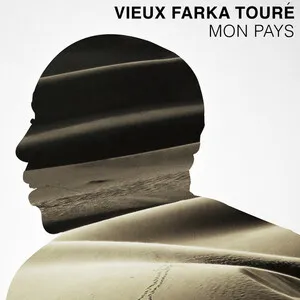
Mon pays
Vieux Farka Touré
Songhai Music
Desert Blues
Jazz
2009
2
/5
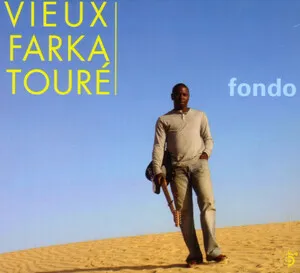
Fondo
Vieux Farka Touré
Songhai Music
Tuareg Music
Blues
2007
2
/5
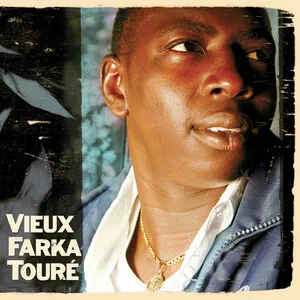
Vieux Farka Touré
Vieux Farka Touré
Songhai Music
Jazz
World
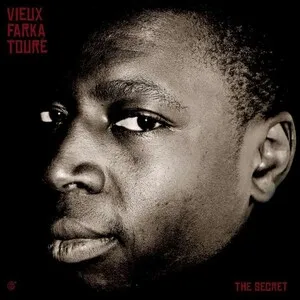
The Secret
Vieux Farka Touré
Songhai Music
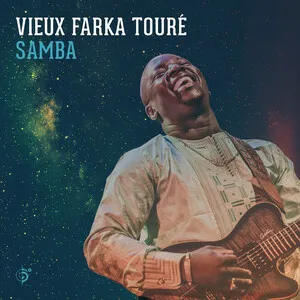
Samba
Vieux Farka Touré
Songhai Music
Similar artists
3
/5
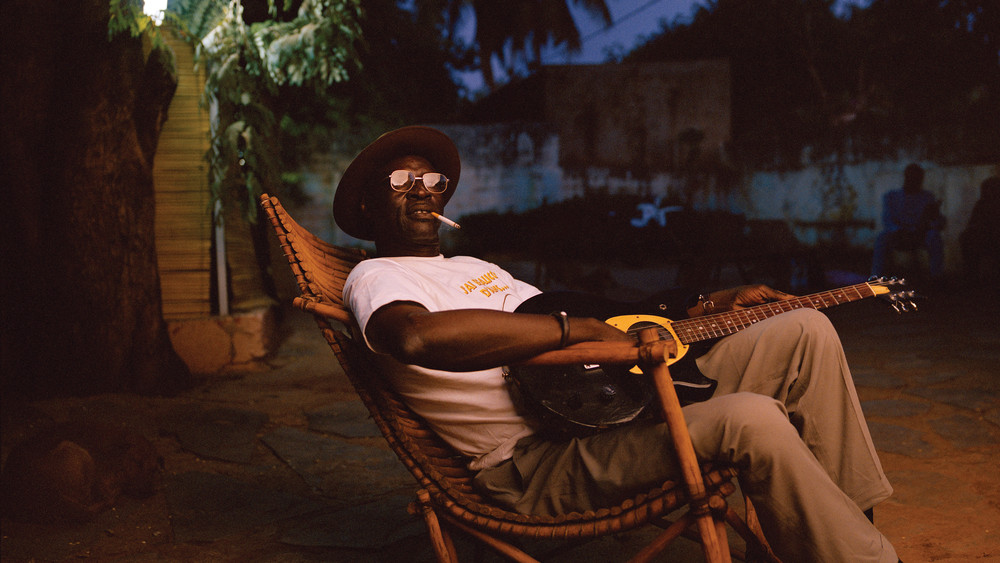
Ali Farka Touré
Songhai Music
Blues
Desert Blues
3
/5
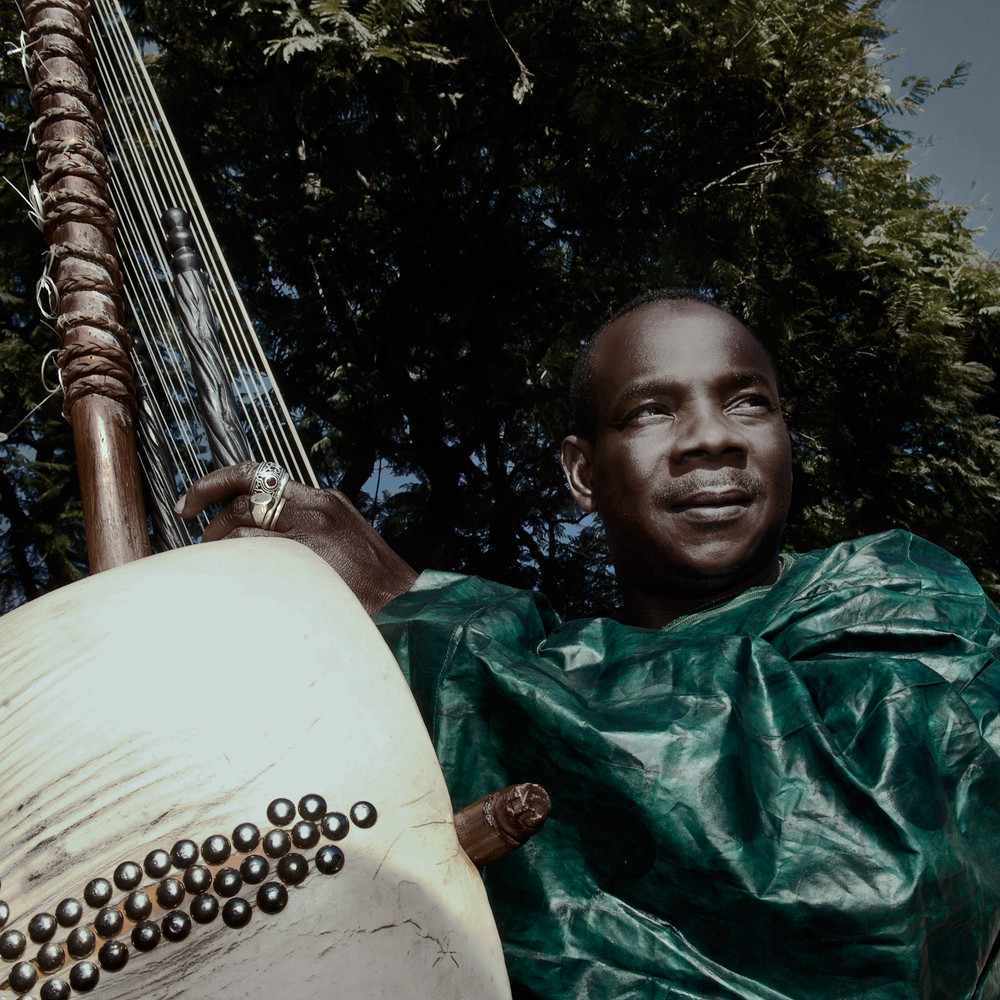
Toumani Diabaté
Griot
Mande Music
World
1
/5
Various Artists
Afro-Funk
Alternative Rock
Ambient
3
/5
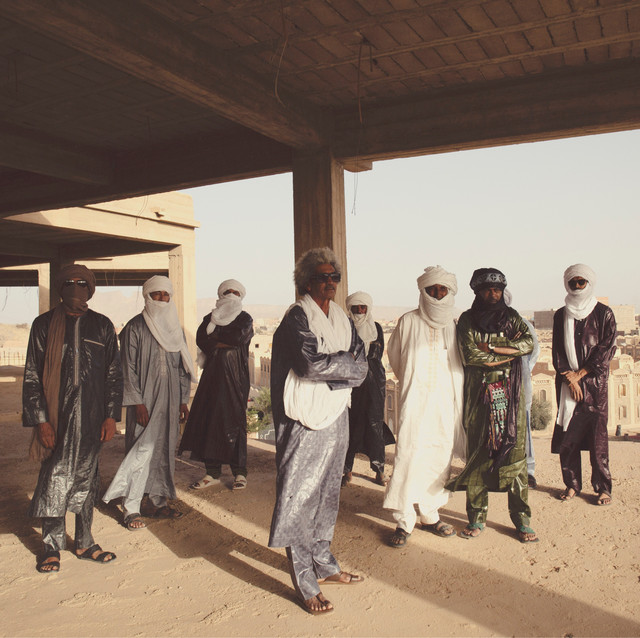
Tinariwen
Desert Blues
Musique Touareg
Tuareg Guitar
4
/5
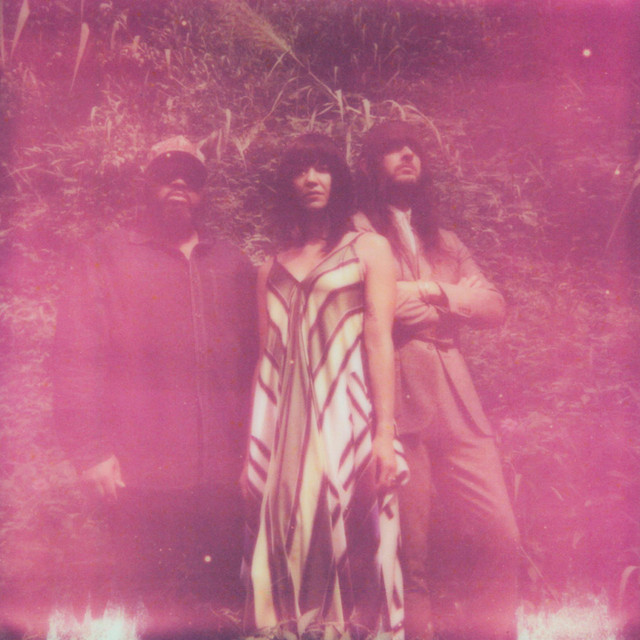
Khruangbin
World
Indie Soul
Neo-Psychedelia
3
/5
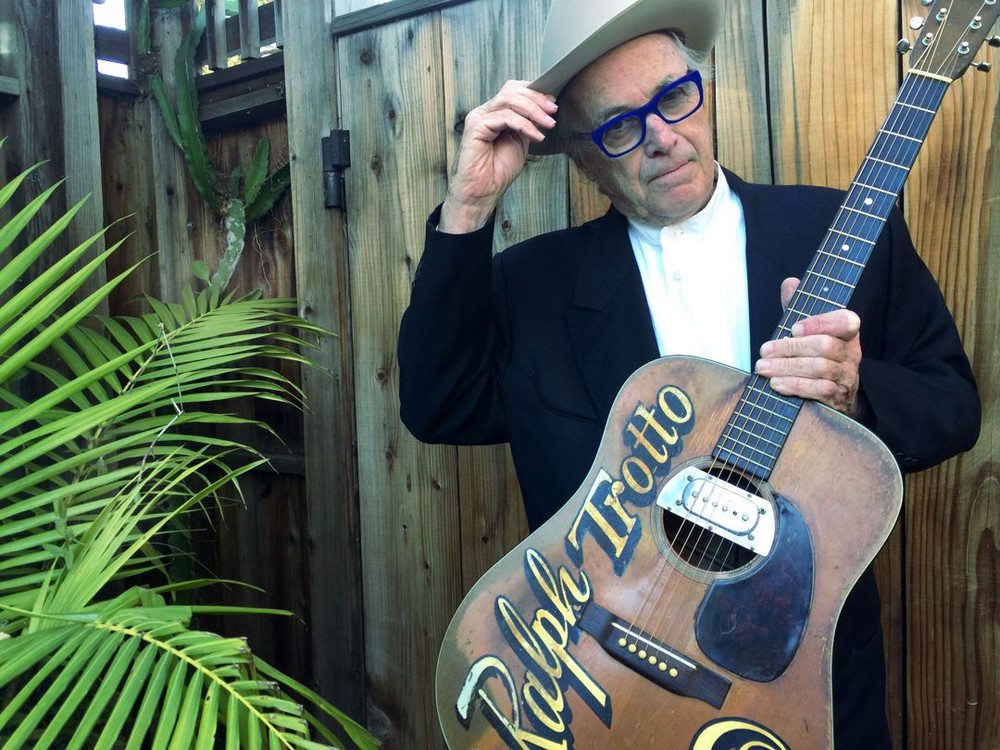
Ry Cooder
Piedmont Blues
Blues
Jazz
4
/5
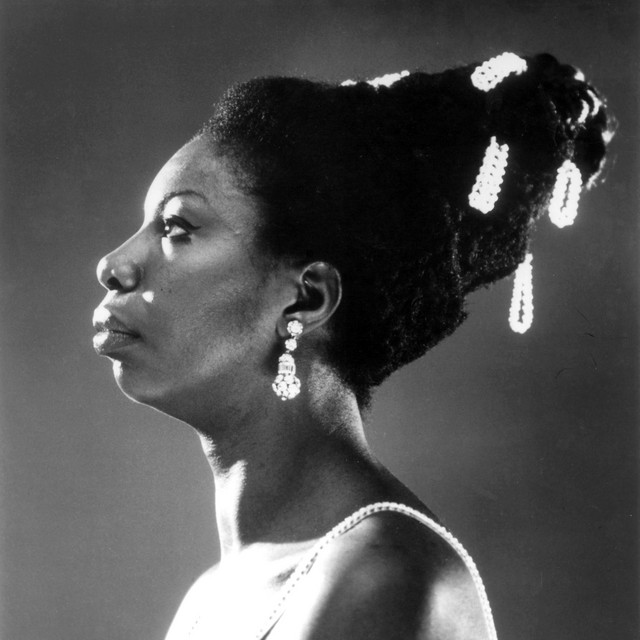
Nina Simone
Jazz
Soul Jazz
Vocal Jazz
4
/5
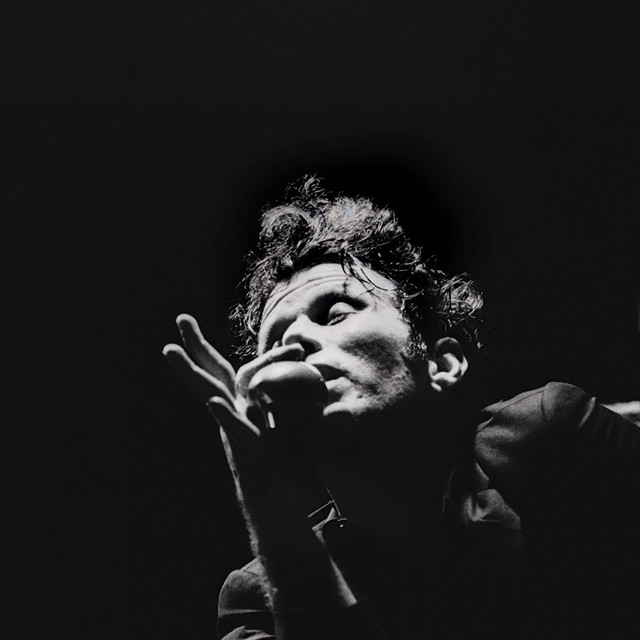
Tom Waits
Dark Cabaret
Singer-Songwriter
Blues
3
/5
Miriam Makeba
Marabi
Folk
Pop
4
/5
Van Morrison
Folk Rock
Folk
Rock
Download our mobile app
Get the Melodigging app and start digging for new genres on the go
Download on the App Store
Get it on Google Play
© 2026 Melodigging
Give feedback
Legal
Melodding was created as a tribute to
Every Noise at Once
, which inspired us to help curious minds keep digging into music's ever-evolving genres.