Genres
Artists
Albums
Make Music
Sign in
Sign in
Artists
World
Artists
World
Khruangbin
2014–2025
·
12 albums
Listen
4
/5
Genres
Indie Soul
Indie soul is a contemporary, independently minded offshoot of soul that blends the warmth and emotional directness of classic and neo-soul with the intimate production values and DIY ethos of indie scenes. It favors organic grooves, jazz-tinged harmony, and understated, confessional vocals over radio-driven polish, often embracing lo-fi textures, bedroom recording techniques, and subtle electronic touches. The style typically features roomy drums, buttery electric bass, Rhodes or Wurlitzer keyboards, and clean, chorus- or tremolo-kissed guitars, alongside layered harmonies and tasteful sampling. While it borrows the sophistication of jazz and the pocket of funk, indie soul foregrounds personal storytelling, sonic space, and mood—balancing lush chord progressions with hushed, close-mic’d performances.
Discover
Listen
Boyfriend Country
Boyfriend country is a late‑2010s wave of mainstream country‑pop by male artists whose songs center on devotion, steady romance, and everyday partnership rather than partying or macho posturing. Musically it blends polished Nashville country with pop and light R&B touches: snap‑tracks and soft programmed drums, glossy acoustic and clean electric guitars, warm pads, and stacked, hook‑forward vocal harmonies. Lyrically it leans on first‑person vows, domestic imagery, and respectful, affectionate address to a partner. As a cultural turn, it’s widely understood as a reaction to the “bro‑country” era, prioritizing sensitivity, commitment, and modern pop craft over braggadocio—while keeping the streaming‑friendly, radio‑ready sheen of contemporary country.
Discover
Listen
Chill R&b
Chill R&B is a mellow, atmospheric branch of contemporary R&B that emphasizes intimate vocals, warm harmonies, and low-key, downtempo grooves. It blends the songwriting and emotive delivery of classic R&B with modern, minimal production, often borrowing the hazy textures of lo-fi hip hop and the spacious sound design of ambient and chillwave. The style is defined by soft, close-miked vocals with layered harmonies, smooth chord extensions, and restrained drum programming that leaves plenty of negative space. Lyrically, it leans into late-night introspection, romance, self-reflection, and mood-setting imagery. The overall effect is cozy and cinematic, designed for headphones, night drives, and relaxed listening.
Discover
Listen
Focus Beats
Focus beats is an instrumental, low-distraction branch of beat-driven chill music made to support concentration, studying, and deep work. It typically features mellow drum grooves at moderate-to-slow tempos (often 70–90 BPM or 80–100 BPM double-time), soft-textured samples or synth pads, gentle chord voicings borrowed from jazz and soul, and clean, unobtrusive arrangements with very little (or no) vocal content. The production favors warm saturation, tape or vinyl aesthetics, and carefully controlled dynamics to avoid harsh transients that might break concentration. While closely related to lo‑fi hip hop and downtempo, focus beats is more utilitarian by design: it reduces arrangement density, melodic foregrounding, and frequency clutter so the music sits comfortably in the background, promoting a steady cognitive flow.
Discover
Listen
High Vibe
High vibe is a contemporary, wellness-oriented microgenre that blends uplifting pop songwriting with gentle electronic textures and spiritually tinged lyrics. It emphasizes positivity, gratitude, self-empowerment, and connection to nature, often employing soothing vocal timbres, airy pads, acoustic guitars or piano, and light, mid-tempo grooves. The production is spacious and warm, favoring reverb-washed atmospheres, soft percussion, and subtle world-influenced instrumentation to create a sense of calm elevation. While rooted in pop accessibility, high vibe draws on new age and devotional traditions, bringing mantra-like hooks and affirmational refrains into modern indie and electronic frameworks.
Discover
Listen
Indian Indie
Indian indie is the umbrella for independent, non-film music made in India across languages such as Hindi, English, and numerous regional tongues. It is defined more by its DIY production and artist-led release model than by a single sound. Musically, it spans indie pop and rock, folk-fusion, singer‑songwriter ballads, dream‑pop/shoegaze textures, and electronic‑leaning productions. Artists often blend Western harmony and song forms with raga‑tinged melodies, Indian rhythmic feels, and occasional use of traditional instruments like tabla, bansuri, or sitar. The scene grew rapidly with college festivals, small venues, and digital platforms (YouTube, streaming services, Bandcamp), plus boutique labels and festivals such as NH7 Weekender that created national visibility. Lyrically, it tends to be intimate and contemporary—touching on romance, urban life, identity, and nostalgia—while maintaining accessible hooks and warm, organic sonics.
Discover
Listen
Lo-Fi Chill
Lo-fi chill is a mellow, downtempo, sample‑driven microgenre that blends the relaxed pace of chillout and downtempo with the dusty textures of lo‑fi recording aesthetics and hip‑hop beatmaking. Typically instrumental, it features swung drum grooves, vinyl crackle, gentle jazz harmonies, tape or cassette saturation, and short loop‑based arrangements designed for background listening, study, or relaxation. The emphasis is on warmth, imperfection, and mood over virtuosity, with subdued melodies, soft bass lines, and minimal dynamic contrasts creating a calming, introspective atmosphere.
Discover
Listen
Neo R&b
Neo R&B is a modern evolution of contemporary R&B that blends classic soul vocal traditions with current hip-hop sensibilities and forward-looking electronic production. It typically features intimate, close-mic singing (often with melisma and layered harmonies), spacious mixes, and experimental textures drawn from electronic music, alternative pop, and modern hip-hop beat-making. Compared with earlier mainstream R&B, neo R&B often favors subtler hooks, mood-driven songwriting, and a “late-night” sonic palette built on deep bass, soft drums, and minimalist chord movement.
Discover
Listen
New London Jazz
New London Jazz is a contemporary jazz movement centered in London that fuses classic jazz language with Afro-diasporic rhythms, UK club culture, and DIY community energy. It is characterized by polyrhythmic drumming, strong bass foundations drawn from sound‑system culture, concise melodic hooks for horns, and open, riff‑based vamps that invite collective improvisation. Aesthetically it sits between spiritual jazz, afrobeat/highlife grooves, broken beat and hip hop, often performed with the immediacy of a live dance set while retaining the harmonic curiosity of modern jazz. Grassroots platforms such as Tomorrow’s Warriors, Jazz re:freshed, Steam Down, Church of Sound, and the Total Refreshment Centre incubated the scene, while labels and curators like Brownswood amplified it globally.
Discover
Listen
Shimmer Psych
Shimmer psych is a contemporary strand of neo‑psychedelia that pairs sparkling, chorus‑washed guitars and gauzy vocal harmonies with dreamy pop songcraft. It emphasizes high‑end "shimmer," tape‑soft saturation, hypnagogic textures, and melodic hooks, sitting between dream pop, jangle pop, and classic psychedelic rock. Typical tracks are mid‑tempo, built on warm bass lines, gentle motorik or laid‑back breakbeats, and drenched in reverb, phaser, and delay. The result is sun‑bleached, nostalgic, and kaleidoscopic rather than heavy or jam‑oriented.
Discover
Listen
The Wave
The Wave is a loosely defined cluster of American post-hardcore/emo bands that surged in the early 2010s as emo-pop’s mainstream moment faded. The name was a tongue‑in‑cheek scene tag that stuck in press coverage, but it points to a real overlap in sound, ethos, and touring networks. Musically, The Wave fuses the urgency of 1990s post‑hardcore and screamo with confessional, literate lyric writing associated with emo. Expect shouted or half‑sung/half‑spoken vocals, dynamic quiet‑loud builds, intricate but driving drums, and guitar textures that shift between glassy clean arpeggios and overdriven, emotive climaxes. The songs often emphasize catharsis, narrative detail, and community-minded DIY presentation.
Discover
Listen
Winter Synth
Winter synth is a microgenre of dungeon synth and ambient that evokes wintertime landscapes, quiet snowfall, candlelit interiors, and festive or solstitial moods. Its sound palette favors soft synth pads, bell and celesta tones, choir and string layers, gentle drones, and understated percussion such as sleigh bells or muffled toms. Production typically leans lo‑fi and reverb‑rich, often with tape hiss or room noise to enhance the cozy, nostalgic feel. While largely instrumental, some releases weave in hymn- or carol-like harmonies, wind and fireplace field recordings, or simple leitmotifs that recur across short vignettes. The focus is atmosphere over virtuosity, creating intimate, scenic miniatures that suggest a quiet winter journey or a peaceful night by the hearth.
Discover
Listen
World
World music is a broad, industry-coined umbrella for traditional, folk, and contemporary popular styles from around the globe that fall outside the Anglo-American pop mainstream. The label emerged in the 1980s as a retail and marketing category to group diverse regional musics for international distribution. Musically, it spans acoustic and electric instrumentation; modal, pentatonic, and microtonal pitch systems; and rhythms ranging from cyclical grooves and polyrhythms to asymmetrical meters. While the term can obscure local specificity, it also facilitated cross-cultural collaboration, festivals, and recordings that brought regional genres to wider audiences.
Discover
Listen
Neo-Psychedelia
Neo-psychedelia is a late-20th-century revival and reinvention of 1960s psychedelic music aesthetics, filtered through post-punk, indie, and experimental sensibilities. It emphasizes hypnotic textures, droning guitars, heavy use of effects (reverb, delay, phasing), analogue organs/synths, and dreamlike or surreal lyricism. Rhythms may draw from motorik and other steady, trance-inducing grooves, while harmony often favors modal colors and repetitive vamps. The style ranges from jangly, melodic songs to dense, feedback-laden soundscapes, and has been highly influential on dream pop, shoegaze, Britpop-adjacent scenes, and modern psych rock.
Discover
Listen
Disco
Disco is a dance-music genre and nightlife subculture that crystallized in the United States during the 1970s, drawing especially from African-American, Italian-American, Latino, and queer club communities. Musically, disco is typified by a steady four-on-the-floor kick drum, syncopated and melodic electric-bass lines, lush string sections, bright brass and horns, electric pianos and synthesizers, and percussive, choppy rhythm guitars. Arrangements often feature orchestral colors, handclaps, congas, and vibraphone or bell textures, all engineered to deliver a continuous, groove-forward experience for the dance floor. The style combines the rich orchestration and romantic sweep of Philadelphia soul with the bottom-end drive of funk and the songcraft of contemporary R&B/pop, delivered in DJ-friendly extended mixes and 12-inch singles designed for club play.
Discover
Listen
Funk
Funk is a rhythm-forward African American popular music style that centers on groove, syncopation, and interlocking parts. Rather than emphasizing complex chord progressions, funk builds tight, repetitive vamps that highlight the rhythm section and create an irresistible dance feel. The genre is marked by syncopated drum patterns, melodic yet percussive bass lines, choppy guitar "chanks," punchy horn stabs, call‑and‑response vocals, and a strong backbeat. Funk’s stripped-down harmony, prominent use of the one (accenting the downbeat), and polyrhythmic layering draw deeply from soul, rhythm and blues, jazz, gospel, and African rhythmic traditions. From James Brown’s late-1960s innovations through the expansive P-Funk universe and the slicker sounds of the 1970s and 1980s, funk has continually evolved while seeding countless other genres, from disco and hip hop to house and modern R&B.
Discover
Listen
Psychedelic Rock
Psychedelic rock is a style of rock music that seeks to evoke, simulate, and expand altered states of consciousness through sound. It typically features timbral experimentation (fuzz, wah, tape delay, phasing), drones, modal or raga-influenced harmony, extended improvisation, studio-as-instrument production, and surreal, mystical, or mind-expanding lyrics. Emerging from mid-1960s counterculture, it fused garage-band energy with folk, blues, and non-Western musical ideas—especially Indian classical ragas—while embracing new studio technologies and concert light shows. Both a live and a studio art, psychedelic rock ranges from jangly, kaleidoscopic pop to heavy, hypnotic jams and cosmic soundscapes.
Discover
Listen
Psychedelic
Psychedelic is an umbrella term for music that seeks to evoke, emulate, or accompany altered states of consciousness through sound, arrangement, and studio technique. It emphasizes timbral color, drones, modal harmony, surreal or mystical lyrics, and immersive production, often using tape manipulation, extended effects, and non‑Western instruments (notably from Indian classical traditions). The result ranges from delicate, dreamlike textures to dense, kaleidoscopic soundscapes intended to expand perception and dissolve conventional song form.
Discover
Listen
Rock
Rock is a broad family of popular music centered on amplified instruments, a strong backbeat, and song forms that foreground riffs, choruses, and anthemic hooks. Emerging from mid‑20th‑century American styles like rhythm & blues, country, and gospel-inflected rock and roll, rock quickly expanded in scope—absorbing folk, blues, and psychedelic ideas—while shaping global youth culture. Core sonic markers include electric guitar (often overdriven), electric bass, drum kit emphasizing beats 2 and 4, and emotive lead vocals. Rock songs commonly use verse–chorus structures, blues-derived harmony, and memorable melodic motifs, ranging from intimate ballads to high‑energy, stadium‑sized performances.
Discover
Listen
Lounge
Lounge music is a style of easy listening designed to evoke a sense of place and atmosphere—tropical islands, jungles, elegant cocktail bars, or even outer space. It prizes a chilled, urbane mood achieved through light instrumentation, lush arrangements, and crooning or wordless vocals. Rooted in earlier light music and crooner traditions, classic lounge blossomed in the 1950s and 1960s alongside hi‑fi and stereo “space age” culture. It draws from Dixieland and small‑combo jazz, Latin dance rhythms (mambo, cha‑cha, bossa inflections), novelty/gimmick songs, and occasional experimental studio techniques. The spectrum ranges from exotica and beautiful‑music instrumentals to suave, jazzy vocal numbers—and in modern eras, it can intersect with downtempo and electronica while keeping its retro, escapist ambiance.
Discover
Listen
Jazz
Jazz is an improvisation-centered music tradition that emerged from African American communities in the early 20th century. It blends blues feeling, ragtime syncopation, European harmonic practice, and brass band instrumentation into a flexible, conversational art. Defining features include swing rhythm (a triplet-based pulse), call-and-response phrasing, blue notes, and extended harmonies built on 7ths, 9ths, 11ths, and 13ths. Jazz is as much a way of making music—spontaneous interaction, variation, and personal sound—as it is a set of forms and tunes. Across its history, jazz has continually hybridized, from New Orleans ensembles and big-band swing to bebop, cool and hard bop, modal and free jazz, fusion, and contemporary cross-genre experiments. Its influence permeates global popular and art music.
Discover
Listen
Blues
Blues is an African American musical tradition defined by expressive "blue notes," call-and-response phrasing, and a characteristic use of dominant-seventh harmony in cyclical song forms (most famously the 12‑bar blues). It is as much a feeling as a form, conveying sorrow, resilience, humor, and hard-won joy. Musically, blues commonly employs the I–IV–V progression, swung or shuffled rhythms, and the AAB lyric stanza. Melodies lean on the minor/major third ambiguity and the flattened fifth and seventh degrees. Core instruments include voice, guitar (acoustic or electric), harmonica, piano, bass, and drums, with slide guitar, bends, and vocal melismas as signature techniques. Over time the blues has diversified into regional and stylistic currents—Delta and Piedmont country blues, urban Chicago and Texas blues, West Coast jump and boogie-woogie—while profoundly shaping jazz, rhythm & blues, rock and roll, soul, funk, and much of modern popular music.
Discover
Listen
Instrumental
Instrumental is music created and performed without sung lyrics, placing the expressive weight on melody, rhythm, harmony, and timbre produced by instruments. As an umbrella practice it appears in many cultures, but its modern identity cohered in Baroque-era Europe when purely instrumental forms such as the sonata, concerto, and dance suites began to flourish. Since then, instrumental thinking—developing motives, structuring form without text, and showcasing timbral contrast—has informed everything from orchestral music and solo piano repertoire to post-rock, film scores, and beat-driven electronic styles. Instrumental works can be intimate (solo or chamber) or expansive (full orchestra), narrative (programmatic) or abstract (absolute music). The absence of lyrics invites listeners to project imagery and emotion, making the style a natural fit for cinema, games, and contemplative listening.
Discover
Listen
Songhai Music
Songhai music refers to the traditional and contemporary musical practices of the Songhai/Songhay (including Zarma) people of the Niger River bend, centered around Gao and Timbuktu in present-day Mali and extending into Niger and Burkina Faso. It is marked by cyclical, swaying rhythms in 6/8 or 12/8, pentatonic-based melodies, call-and-response singing, and a close link between poetry, praise-singing, and social ceremony. Characteristic timbres come from skin-resonating calabash percussion and plucked lutes such as the kurbu/molo (a local ngoni-type lute), alongside handclaps, one-string fiddles (njarka/goge), and, in modern contexts, blues-inflected guitar. Historically tied to courtly praise and epic narrative during the Songhai Empire, the style today spans intimate village ceremonies, takamba dance repertoires, and globally known desert-blues hybrids popularized by artists like Ali Farka Touré.
Discover
Listen
Show all 24 genres
Albums
2025
4
/5
The Universe Smiles Upon You ii
Khruangbin
World
Jazz
Psychedelic
2024
4
/5
A LA SALA
Khruangbin
World
Lounge
Neo-Psychedelia
2023
2
/5
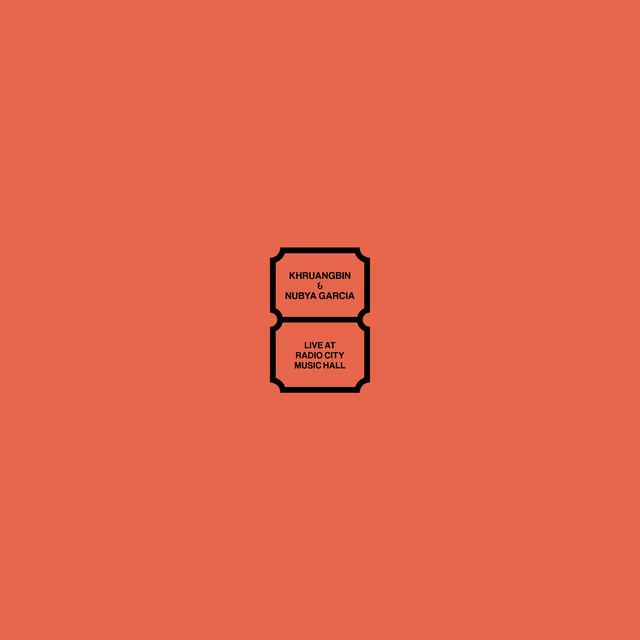
Live at Radio City Music Hall
Khruangbin
World
Blues
Instrumental
2022
3
/5
Ali
Vieux Farka Touré & Khruangbin
Songhai Music
Blues
Funk
2020
3
/5
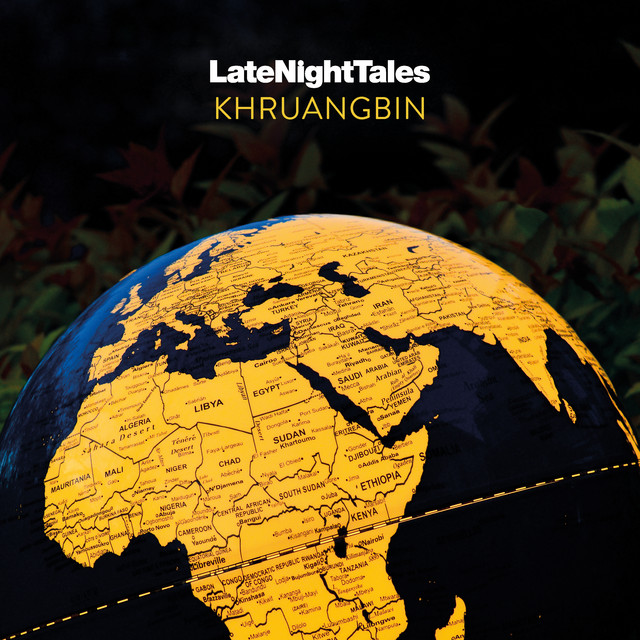
Late Night Tales: Khruangbin
Khruangbin
World
Indie Soul
2020
1
/5
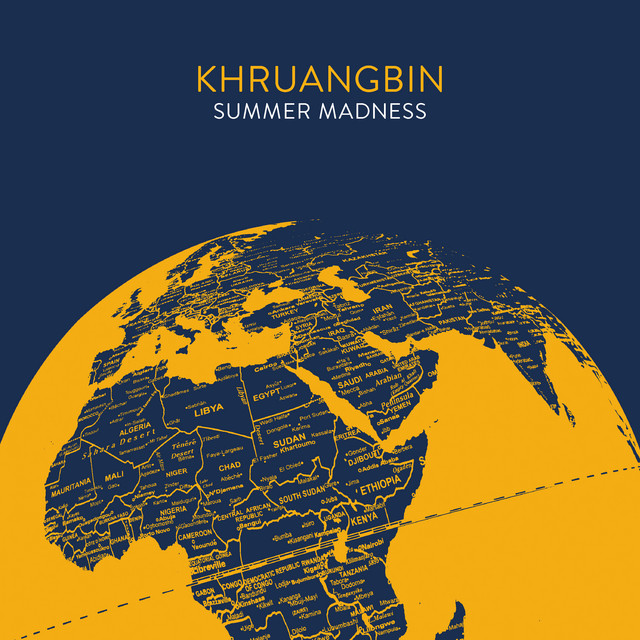
Summer Madness
Khruangbin
World
2020
4
/5
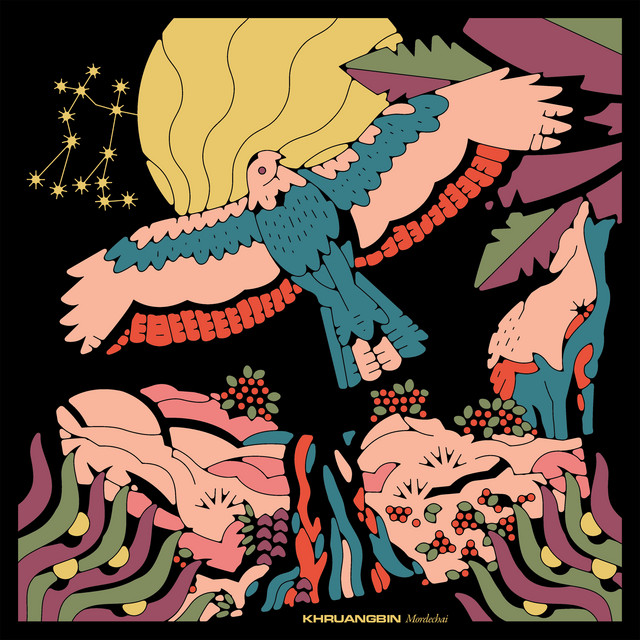
Mordechai
Khruangbin
World
Disco
Funk
2018
2
/5
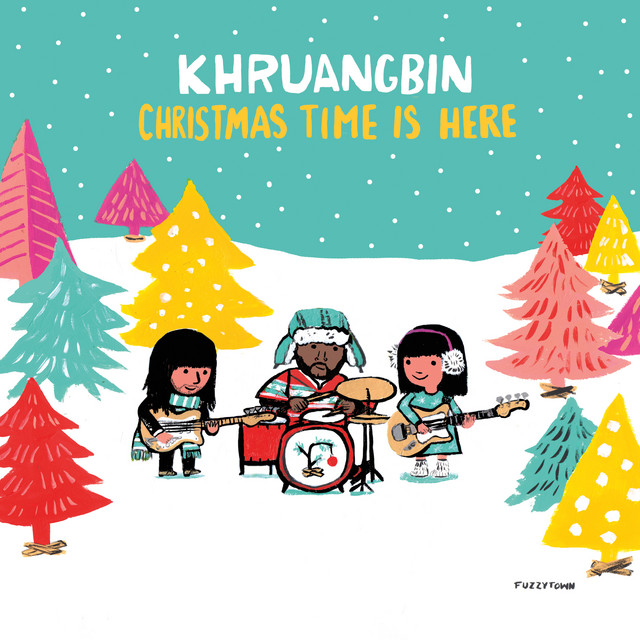
Christmas Time Is Here b/w Christmas Time Is Here (Version Mary)
Khruangbin
World
2018
4
/5
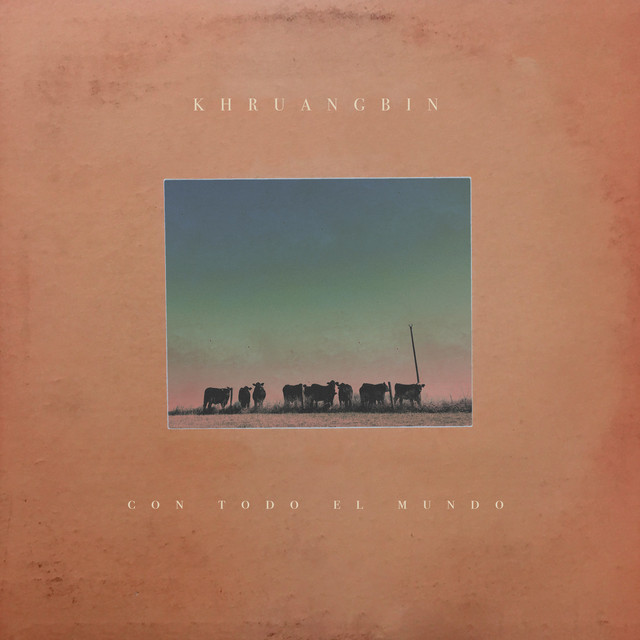
Con Todo El Mundo
Khruangbin
World
Funk
Psychedelic Rock
2015
4
/5
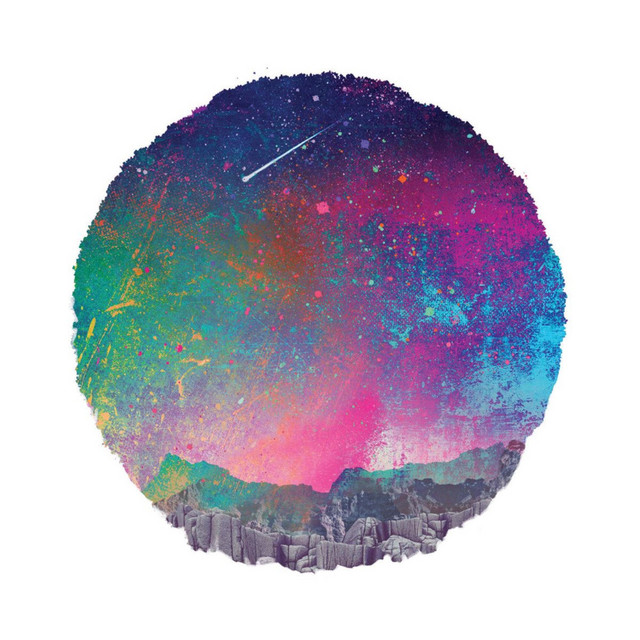
The Universe Smiles Upon You
Khruangbin
World
Funk
Psychedelic
2014
3
/5
The Infamous Bill
Khruangbin
World
2014
3
/5
A Calf Born in Winter
Khruangbin
World
Indie Soul
Similar artists
5
/5
Tame Impala
Psychedelic Pop
Indie
Neo-Psychedelia
1
/5
Various Artists
Afro-Funk
Alternative Rock
Ambient
3
/5
Crumb
Psychedelic Pop
Neo-Psychedelia
Bedroom Pop
5
/5
Mac DeMarco
Lo-Fi Indie
Indie Rock
Slacker Rock
3
/5
Altin Gün
Anatolian Rock
Neo-Psychedelia
Turkish Music
3
/5
Vieux Farka Touré
Songhai Music
World
Jazz
5
/5
Joji
Viral Pop
Electronic
Alternative R&b
4
/5
SAULT
Soul
Chill Abstract Hip Hop
Chill R&b
4
/5
Dean Blunt
Collage Pop
Hypnagogic Pop
Electronic
3
/5
Tinariwen
Desert Blues
Musique Touareg
Tuareg Guitar
Download our mobile app
Get the Melodigging app and start digging for new genres on the go
Download on the App Store
Get it on Google Play
© 2026 Melodigging
Give feedback
Legal
Melodding was created as a tribute to
Every Noise at Once
, which inspired us to help curious minds keep digging into music's ever-evolving genres.