Genres
Artists
Albums
Make Music
Sign in
Sign in
Artists
Soul
Artists
Soul
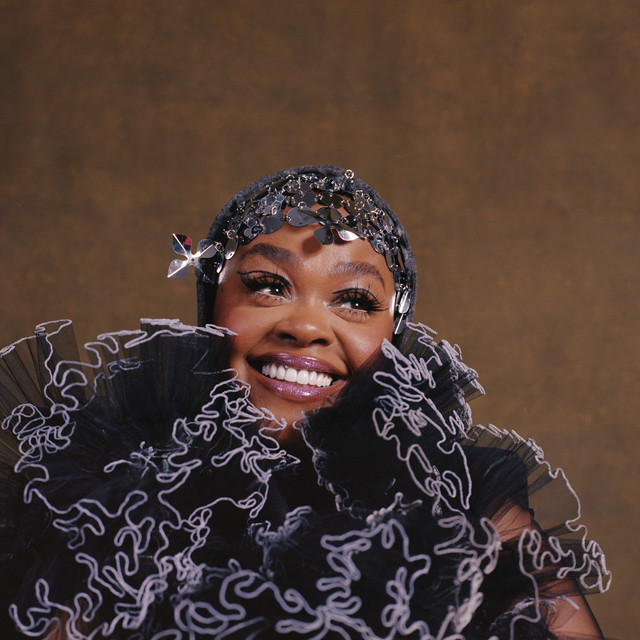
SAULT
2019–2024
·
4 albums
Listen
4
/5
Genres
Chill Abstract Hip Hop
Chill abstract hip hop is a downtempo, largely instrumental branch of abstract hip hop that prioritizes mood, space, and texture over virtuosic rapping or hard-edged beats. Characterized by swung, half-time grooves around 70–90 BPM, jazzy extended chords, vinyl crackle, tape hiss, and warm, dusty sampling, it blends boom-bap drum sensibilities with ambient and downtempo atmosphere. The result is contemplative, mellow, and cinematic—music often used for studying, reading, or late-night reflection. Production typically features Rhodes, nylon-string guitar, upright bass, brushed snares, and chopped Rhodes/piano or soul-jazz samples, occasionally accented by soft vocal snippets rather than full verses. While it overlaps with lo-fi hip hop and trip hop, it tends to be more harmonically nuanced than pure “study beats” and more minimal and meditative than classic jazz-rap.
Discover
Listen
Chill R&b
Chill R&B is a mellow, atmospheric branch of contemporary R&B that emphasizes intimate vocals, warm harmonies, and low-key, downtempo grooves. It blends the songwriting and emotive delivery of classic R&B with modern, minimal production, often borrowing the hazy textures of lo-fi hip hop and the spacious sound design of ambient and chillwave. The style is defined by soft, close-miked vocals with layered harmonies, smooth chord extensions, and restrained drum programming that leaves plenty of negative space. Lyrically, it leans into late-night introspection, romance, self-reflection, and mood-setting imagery. The overall effect is cozy and cinematic, designed for headphones, night drives, and relaxed listening.
Discover
Listen
Indian Indie
Indian indie is the umbrella for independent, non-film music made in India across languages such as Hindi, English, and numerous regional tongues. It is defined more by its DIY production and artist-led release model than by a single sound. Musically, it spans indie pop and rock, folk-fusion, singer‑songwriter ballads, dream‑pop/shoegaze textures, and electronic‑leaning productions. Artists often blend Western harmony and song forms with raga‑tinged melodies, Indian rhythmic feels, and occasional use of traditional instruments like tabla, bansuri, or sitar. The scene grew rapidly with college festivals, small venues, and digital platforms (YouTube, streaming services, Bandcamp), plus boutique labels and festivals such as NH7 Weekender that created national visibility. Lyrically, it tends to be intimate and contemporary—touching on romance, urban life, identity, and nostalgia—while maintaining accessible hooks and warm, organic sonics.
Discover
Listen
Indie Soul
Indie soul is a contemporary, independently minded offshoot of soul that blends the warmth and emotional directness of classic and neo-soul with the intimate production values and DIY ethos of indie scenes. It favors organic grooves, jazz-tinged harmony, and understated, confessional vocals over radio-driven polish, often embracing lo-fi textures, bedroom recording techniques, and subtle electronic touches. The style typically features roomy drums, buttery electric bass, Rhodes or Wurlitzer keyboards, and clean, chorus- or tremolo-kissed guitars, alongside layered harmonies and tasteful sampling. While it borrows the sophistication of jazz and the pocket of funk, indie soul foregrounds personal storytelling, sonic space, and mood—balancing lush chord progressions with hushed, close-mic’d performances.
Discover
Listen
Modern Indie Pop
Modern indie pop is a 2010s-forward style of pop made largely outside the traditional major-label pop pipeline, but with a strong focus on hooks, concise song forms, and modern production. It typically blends indie-rock songwriting attitudes (personal lyrics, DIY aesthetics, alternative scenes) with contemporary pop sonics such as punchy drums, bright or glassy synths, tight vocal editing, and streaming-era arrangement pacing. Compared with earlier indie pop, “modern” indie pop is usually more producer-led, more influenced by electronic and R&B-informed pop textures, and often designed to translate well to playlists and short-form content without losing an alternative identity.
Discover
Listen
Neo R&b
Neo R&B is a modern evolution of contemporary R&B that blends classic soul vocal traditions with current hip-hop sensibilities and forward-looking electronic production. It typically features intimate, close-mic singing (often with melisma and layered harmonies), spacious mixes, and experimental textures drawn from electronic music, alternative pop, and modern hip-hop beat-making. Compared with earlier mainstream R&B, neo R&B often favors subtler hooks, mood-driven songwriting, and a “late-night” sonic palette built on deep bass, soft drums, and minimalist chord movement.
Discover
Listen
New London Jazz
New London Jazz is a contemporary jazz movement centered in London that fuses classic jazz language with Afro-diasporic rhythms, UK club culture, and DIY community energy. It is characterized by polyrhythmic drumming, strong bass foundations drawn from sound‑system culture, concise melodic hooks for horns, and open, riff‑based vamps that invite collective improvisation. Aesthetically it sits between spiritual jazz, afrobeat/highlife grooves, broken beat and hip hop, often performed with the immediacy of a live dance set while retaining the harmonic curiosity of modern jazz. Grassroots platforms such as Tomorrow’s Warriors, Jazz re:freshed, Steam Down, Church of Sound, and the Total Refreshment Centre incubated the scene, while labels and curators like Brownswood amplified it globally.
Discover
Listen
Post-Dubstep
Post-dubstep is a loosely defined wave of UK-born electronic music that grew out of dubstep but moved away from its rigid 140 BPM wobble-bass formula. It keeps the bass-weight, sound-system focus, and rhythmic syncopation of dubstep and UK garage, but folds in house and techno tempos, R&B vocal chops, ambient space, and experimental production. Typical tracks explore 120–135 BPM (not fixed at 140), use broken 2‑step/garage swing instead of 4/4, and favor detailed sound design over maximal drops. You’ll often hear hushed, intimate vocals (sampled or original), neo-soul/jazz-influenced chords, and micro-edited percussion with lots of negative space. The mood is frequently introspective, melancholic, and textural—more headphone-oriented than festival-leaning—yet still rooted in club culture.
Discover
Listen
Gauze Pop
Gauze pop is a hazy, soft‑focus strain of indie and electronic pop built around breathy vocals, blurred textures, and nostalgic synth palettes. The term evokes music that feels veiled—like hearing a pop song through gauze—where reverb, delay, chorus, and tape‑like warble soften contours and melt rhythms into a pastel wash. Musically it blends the tunefulness of synth‑pop and indietronica with the dreamy atmospherics of chillwave and dream pop. Tempo tends to sit in a relaxed mid‑range, drums are cushioned and low‑passed, and harmonies favor warm major‑7ths and add9 colors. The result is intimate, memory‑soaked pop that’s equal parts bedroom‑made and cinema‑wide.
Discover
Listen
Souldies
Souldies is a modern revival of classic lowrider “oldies” soul—slow, tender ballads rooted in 1960s and early-’70s sweet soul and doo‑wop aesthetics, reimagined by a new generation of largely Chicano/Latinx artists in Southern California. Characterized by warm, analog-leaning production, mellow backbeats, honeyed vocal harmonies, and heart‑on‑sleeve lyricism, the style favors mid‑slow tempos, tape‑like saturation, spring/plate reverb, and minimalist yet expressive arrangements. English and Spanish (or Spanglish) lyrics often explore love, longing, devotion, and cruising/lowrider culture. Souldies sits at the intersection of classic soul, rhythm & blues, northern soul selections, and Latin soul, offering a contemporary, community‑centered sound that feels both timeless and newly personal.
Discover
Listen
Neo Soul
Neo soul is a back-to-the-roots subgenre of soul and contemporary R&B that emerged in the mid-to-late 1990s. The term was popularized by executive Kedar Massenburg to describe artists who revived classic soul values while embracing modern production aesthetics. Musically, neo soul blends the warmth of 1960s–70s soul with the rhythmic sensibility of hip hop, plus colors from jazz fusion, funk, and rock. Compared with mainstream contemporary R&B, it typically features more organic instrumentation (Rhodes/Wurlitzer, live bass and drums), harmonically richer progressions, and a laid‑back, behind‑the‑beat groove. Lyrically it tends toward introspective, socially conscious, and spiritual themes, often delivered with jazz-informed phrasing, melisma, and layered background vocals. The overall sound emphasizes authenticity, groove, and an intimate, analog-friendly ambiance.
Discover
Listen
Alternative Rock
Alternative rock is a broad umbrella for guitar-based rock that emerged from the independent and college-radio scenes as a counterpoint to mainstream, commercial rock. It blends the energy and ethos of punk with the textural and songwriting experiments of post-punk, new wave, jangle pop, and noise rock, often foregrounding introspective or socially aware lyrics. Across its many strains—from the melodic minimalism of college rock to the loud-quiet-loud dynamics of grunge and the artful experimentation of Radiohead-era modernism—alternative rock prioritizes authenticity, sonic individuality, and a do-it-yourself approach. Its sound ranges from chiming, chorus-laden clean guitars to abrasive distortion and feedback, supported by straightforward rock rhythms or off-kilter grooves, and production that can be either raw and live-sounding or polished yet unconventional.
Discover
Listen
Urban Contemporary Gospel
Urban contemporary gospel is a modern, radio-friendly form of Black gospel that fuses the core church traditions of call-and-response, choir vamps, and faith-centered lyrics with contemporary R&B, hip hop, funk, and pop production. It features polished vocals with melismatic runs, stacked harmonies, and tight choir arrangements over drum machines, live drums, electric bass, keyboards (piano, EP, synths), and often 808s. From new jack swing grooves in the late 1980s–1990s to trap-tinged beats in the 2010s, its sound adapts mainstream Black popular music while keeping overt Christian themes, praise, and testimony at the center.
Discover
Listen
House
House is a dance music genre that emerged in Chicago in the early 1980s, defined by a steady four-on-the-floor kick drum, off-beat hi-hats, soulful or hypnotic vocals, and groove-centric basslines. Typical tempos range from 118–130 BPM, and tracks are structured in DJ-friendly 16–32 bar phrases designed for seamless mixing. Drawing on disco’s celebratory spirit, electro-funk’s drum-machine rigor, and Italo/Hi-NRG’s synth-led sheen, house prioritizes repetition, tension-and-release, and communal energy on the dancefloor. Its sound palette often includes 808/909 drums, sampled or replayed disco/funk elements, filtered loops, piano/organ stabs, and warm, jazzy chords. Over time, house diversified into many substyles—deep house, acid house, French house, tech house, progressive house, and more—yet it remains a global foundation of club culture, known for emphasizing groove, inclusivity, and euphoria.
Discover
Listen
Indie
Indie (short for “independent”) began as music made and released outside the major-label system, where a DIY ethos shaped everything from songwriting and recording to artwork and touring. As a sound, indie is eclectic but often features jangly or overdriven guitars, intimate or understated vocals, melodic basslines, and unvarnished production that foregrounds authenticity over gloss. It spans rock, pop, and folk while welcoming electronic textures and lo‑fi aesthetics. Lyrics typically focus on personal observation, small details, and wry self-awareness rather than overt virtuosity or spectacle. Beyond style, indie describes a culture: small labels and stores, college/alternative radio, fanzines/blogs, community venues, and scenes that value experimentation, individuality, and artistic control.
Discover
Listen
Contemporary Christian
Contemporary Christian music (CCM) is a broad umbrella of popular music that expresses the Christian faith using the sound, structures, and production values of mainstream pop, rock, and singer‑songwriter styles. Emerging from the late‑1960s Jesus Movement, it pairs radio‑friendly hooks and polished arrangements with explicitly Christian lyrics—ranging from personal testimony and devotion to congregational praise. Over time, CCM has absorbed elements from soft rock, folk, country, and modern pop trends, and it now includes both artist‑driven radio pop and church‑oriented worship music.
Discover
Listen
Funk
Funk is a rhythm-forward African American popular music style that centers on groove, syncopation, and interlocking parts. Rather than emphasizing complex chord progressions, funk builds tight, repetitive vamps that highlight the rhythm section and create an irresistible dance feel. The genre is marked by syncopated drum patterns, melodic yet percussive bass lines, choppy guitar "chanks," punchy horn stabs, call‑and‑response vocals, and a strong backbeat. Funk’s stripped-down harmony, prominent use of the one (accenting the downbeat), and polyrhythmic layering draw deeply from soul, rhythm and blues, jazz, gospel, and African rhythmic traditions. From James Brown’s late-1960s innovations through the expansive P-Funk universe and the slicker sounds of the 1970s and 1980s, funk has continually evolved while seeding countless other genres, from disco and hip hop to house and modern R&B.
Discover
Listen
Pop Soul
Pop soul is a crossover style that blends the emotive vocals, gospel-rooted harmonies, and backbeat of soul music with the concise song forms, catchy hooks, and polished production of mainstream pop. It emphasizes memorable choruses, smooth lead vocals, tight background harmonies, and radio-friendly arrangements designed for broad appeal. The sound is often defined by a crisp rhythm section, tambourine on the backbeat, melodic bass lines, piano/organ comping, handclaps, and lush string or horn arrangements. Originating with the Motown hit-making model, pop soul prized sophisticated songwriting and sleek studio craft that could connect equally on the dance floor and the pop charts.
Discover
Listen
Contemporary Gospel
Contemporary gospel is a modern form of gospel music that fuses the traditional message and church-rooted call-and-response of Black gospel with contemporary production and mainstream styles such as R&B, soul, pop, funk, rock, and later hip hop. It is characterized by rich vocal harmony (soloists, ensembles, and mass choirs), groove-forward rhythm sections, sophisticated keyboard-led harmony (piano, organ, Rhodes), dynamic modulations and extended vamp sections, and lyrics centered on praise, worship, testimony, and encouragement. Compared to traditional black gospel, contemporary gospel typically features sleeker studio production, radio-oriented song forms, and a broader palette of modern rhythms and textures.
Discover
Listen
Soul
Soul is a genre of popular music that blends the spiritual fervor and vocal techniques of African‑American gospel with the grooves and song forms of rhythm & blues and the harmonic palette of jazz and blues. It is defined by impassioned, melismatic lead vocals; call‑and‑response with backing singers; handclaps and a strong backbeat; syncopated bass lines; and memorable horn or string riffs. Typical instrumentation includes drum kit, electric bass, electric guitar, piano or Hammond organ, horns (trumpet, saxophone, trombone), and sometimes orchestral strings. Lyrically, soul ranges from love and heartbreak to pride, social commentary, and spiritual yearning. Regionally distinct scenes—such as Detroit’s Motown, Memphis/Stax, Muscle Shoals, Chicago, New Orleans, and Philadelphia—shaped different flavors of soul, while the style’s emotional directness and rhythmic drive made it a cornerstone of later funk, disco, contemporary R&B, and hip hop.
Discover
Listen
Rock
Rock is a broad family of popular music centered on amplified instruments, a strong backbeat, and song forms that foreground riffs, choruses, and anthemic hooks. Emerging from mid‑20th‑century American styles like rhythm & blues, country, and gospel-inflected rock and roll, rock quickly expanded in scope—absorbing folk, blues, and psychedelic ideas—while shaping global youth culture. Core sonic markers include electric guitar (often overdriven), electric bass, drum kit emphasizing beats 2 and 4, and emotive lead vocals. Rock songs commonly use verse–chorus structures, blues-derived harmony, and memorable melodic motifs, ranging from intimate ballads to high‑energy, stadium‑sized performances.
Discover
Listen
Soul Jazz
Soul jazz is a groove-forward branch of jazz that blends the improvisational language of hard bop with the churchy harmonies of gospel and the backbeat of rhythm & blues. It favors memorable riffs, earthy tones, and a strong, danceable pulse over dense harmonic complexity. Typical settings include Hammond B-3 organ trios (organ, guitar, drums) or small combos with saxophone or trumpet. Tunes often use blues forms, minor-key vamps, and gospel cadences, featuring call-and-response figures, pentatonic and blues-scale lines, and a relaxed but insistent pocket. The overall aesthetic is warm, direct, and soulful—equally at home in jazz clubs, lounges, and on the radio.
Discover
Listen
R&b
R&B (Rhythm and Blues) is a vocal- and groove-centered popular music tradition that blends blues tonality, jazz harmony, and gospel-inflected singing with a steady backbeat. It emphasizes expressive lead vocals, call-and-response, lush harmonies, and danceable rhythms. From its 1940s roots in African American communities to its later evolutions, R&B has continually absorbed and reshaped surrounding sounds—from jump blues and swing in the early days to soul, funk, hip hop, and electronic production in the contemporary era. Today, R&B ranges from intimate, slow-burning ballads to club-ready tracks, all tied together by a focus on feel, melody, and vocal performance.
Discover
Listen
Gospel
Gospel is a vocal-centered Christian genre whose lyrics explicitly express faith, salvation, hope, and communal testimony. Performances emphasize expressive lead vocals, choirs, call-and-response, and congregational participation, often supported by piano/organ, handclaps, and a rhythm section. While the modern form coalesced in the early 20th century through urban church music and the work of composer–leaders such as Thomas A. Dorsey, its roots trace back to earlier Christian hymnody and African American sacred traditions. Across cultures and denominations, gospel functions in worship, evangelism, community celebration, and—by the late 20th century—in commercial recordings and concerts. Stylistically, gospel spans traditional quartet and choir styles, “gospel blues,” and contemporary fusions with R&B, soul, pop, and hip hop. What unites these strands are dominant vocals, testimonial lyrics grounded in Scripture and lived experience, and a performance practice designed to move both spirit and body.
Discover
Listen
Show all 24 genres
Albums
2024
3
/5
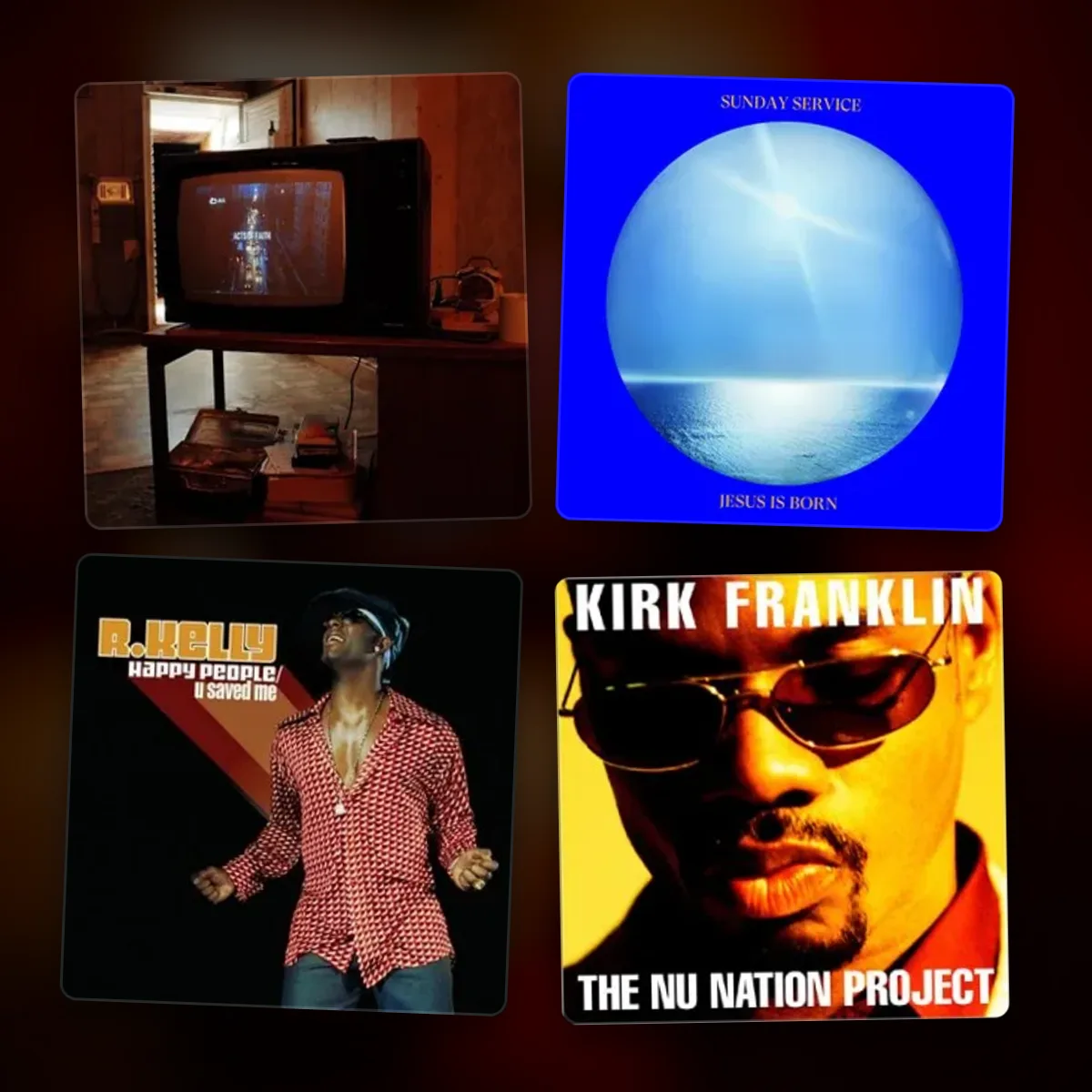
Acts of Faith
Sault
Contemporary Gospel
Contemporary Christian
Gospel
2022
3
/5
Untitled (God)
Sault
Gospel
Funk
Soul
2019
4
/5
5
Sault
Neo Soul
Alternative Rock
Rock
Acts of Faith
Sault
Urban Contemporary Gospel
Similar artists
4
/5
Marvin Gaye
Motown
Soul
Northern Soul
4
/5
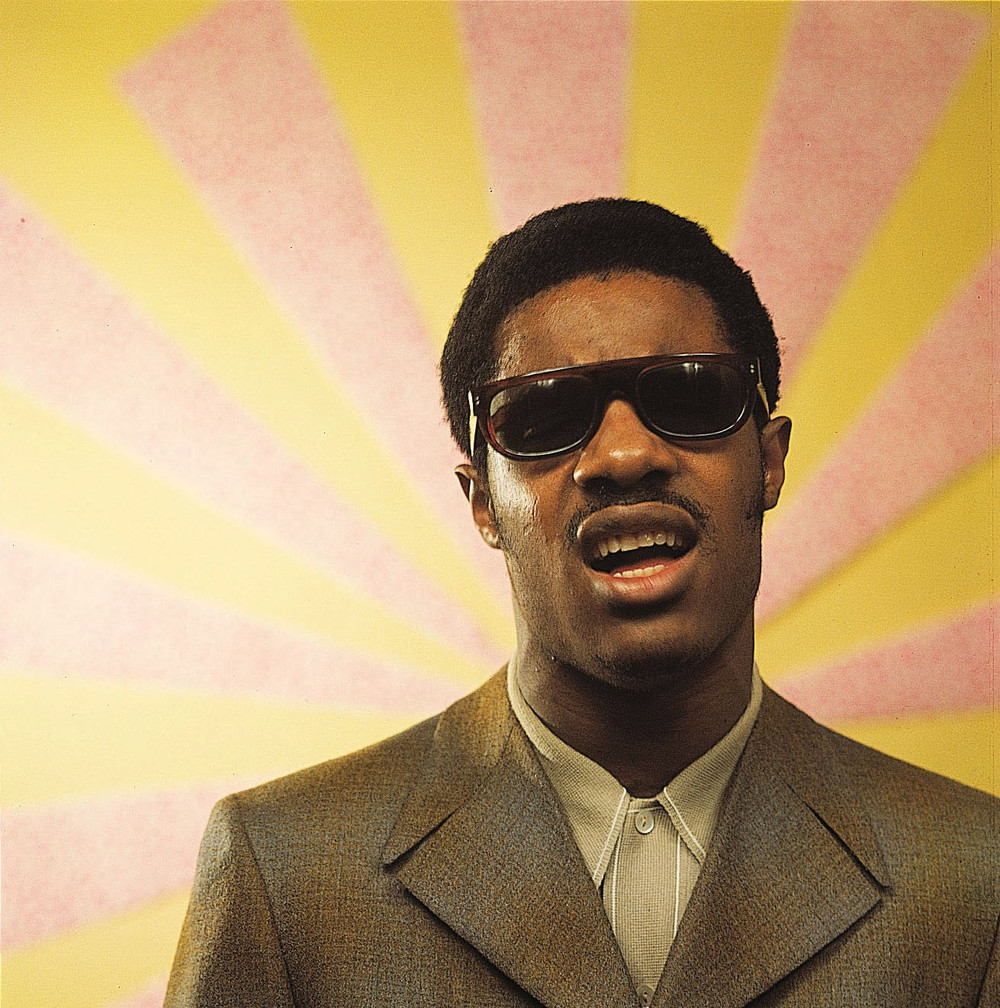
Stevie Wonder
Soul
Funk
Motown
1
/5
Various Artists
Afro-Funk
Alternative Rock
Ambient
3
/5
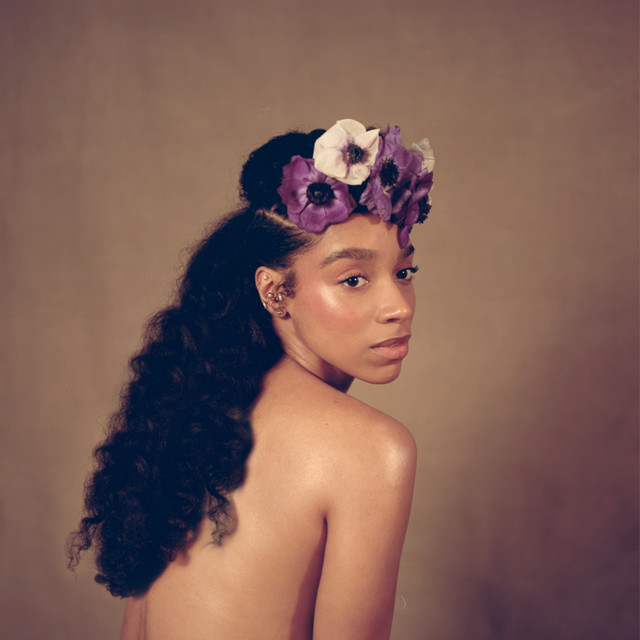
Lianne La Havas
Soul
Indie Soul
Pop Soul
4
/5
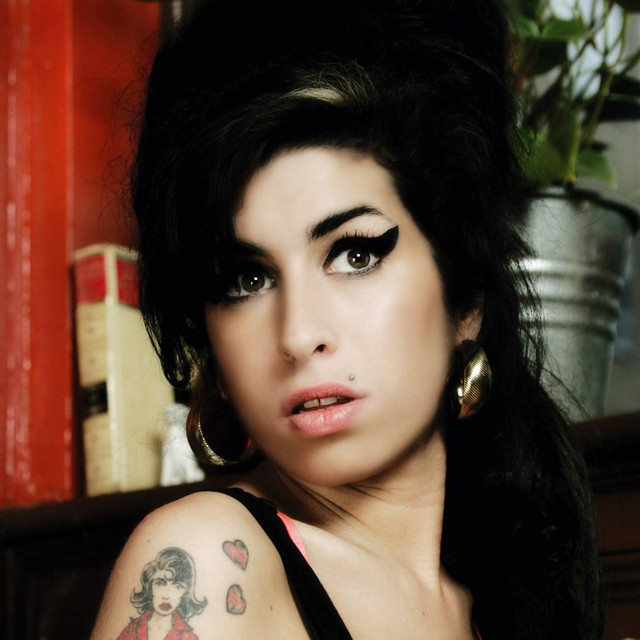
Amy Winehouse
Neo Soul
Pop
Soul
4
/5
Prince
Funk
Minneapolis Sound
Synth Funk
4
/5
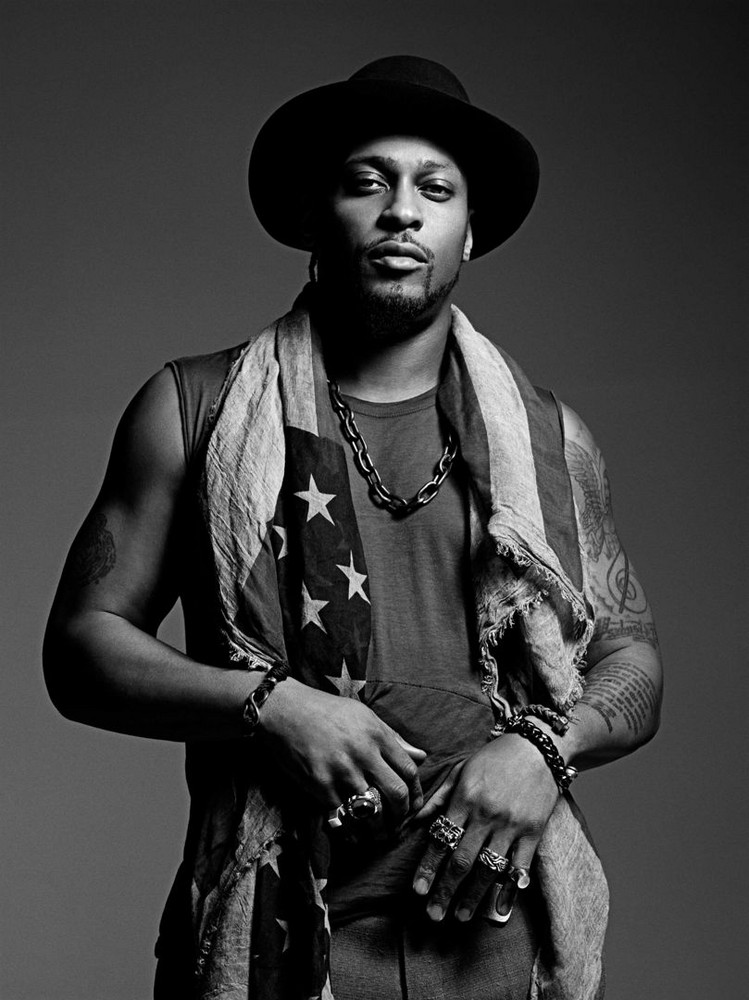
D'Angelo
Neo Soul
Soul
Indie Soul
4
/5
Jill Scott
Neo Soul
Quiet Storm
Hip Pop
5
/5
Michael Jackson
Soul
Pop
Contemporary R&b
5
/5
Sade
Smooth Soul
Sophisti-Pop
Contemporary R&b
Download our mobile app
Get the Melodigging app and start digging for new genres on the go
Download on the App Store
Get it on Google Play
© 2026 Melodigging
Give feedback
Legal
Melodding was created as a tribute to
Every Noise at Once
, which inspired us to help curious minds keep digging into music's ever-evolving genres.