Your digging level
Description
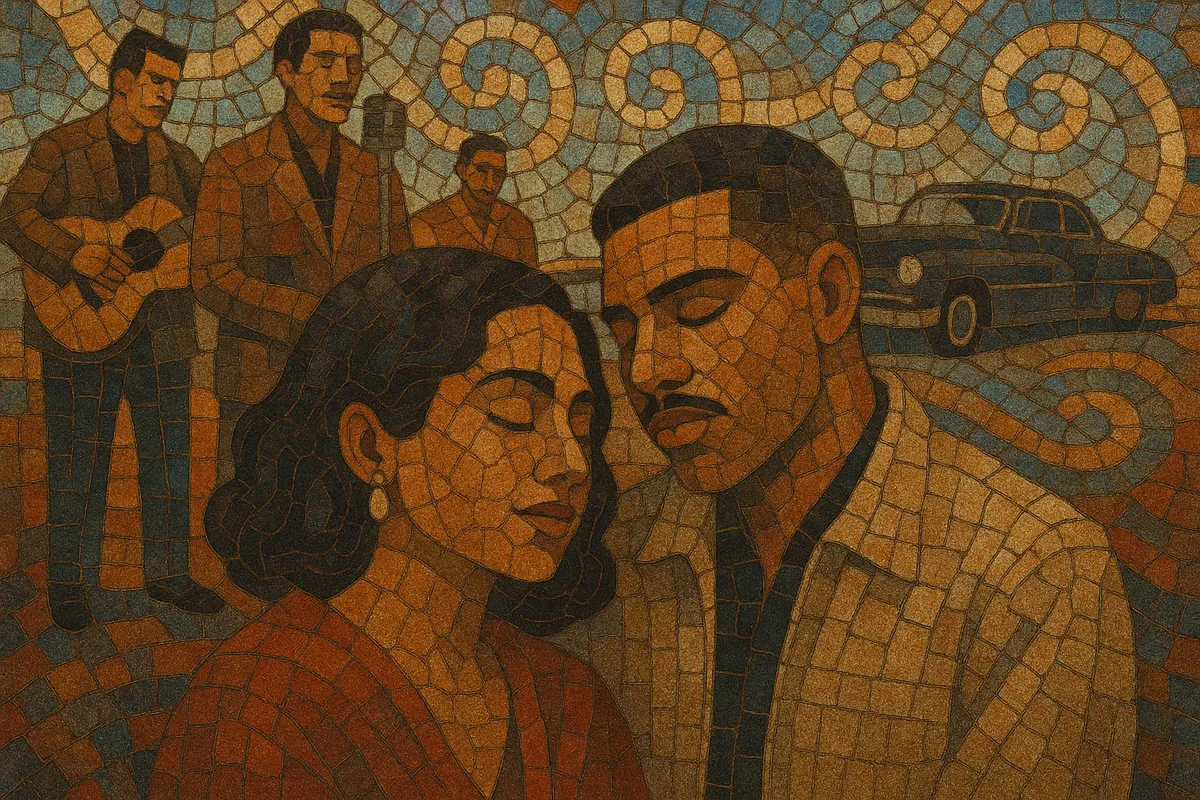
Souldies is a modern revival of classic lowrider “oldies” soul—slow, tender ballads rooted in 1960s and early-’70s sweet soul and doo‑wop aesthetics, reimagined by a new generation of largely Chicano/Latinx artists in Southern California.
Characterized by warm, analog-leaning production, mellow backbeats, honeyed vocal harmonies, and heart‑on‑sleeve lyricism, the style favors mid‑slow tempos, tape‑like saturation, spring/plate reverb, and minimalist yet expressive arrangements. English and Spanish (or Spanglish) lyrics often explore love, longing, devotion, and cruising/lowrider culture.
Souldies sits at the intersection of classic soul, rhythm & blues, northern soul selections, and Latin soul, offering a contemporary, community‑centered sound that feels both timeless and newly personal.
History
Souldies draws its DNA from classic sweet soul, doo‑wop balladry, and lowrider “oldies” revered in Chicano communities across the U.S. Southwest. Artists like Sunny & The Sunliners, Brenton Wood, Barbara Mason, and countless harmony groups defined the romantic, slow‑dance sound that later became staples of lowrider cruising culture.
While mainstream tastes shifted, the lowrider oldies canon was preserved via DJs, collectors, swap meets, backyard parties, and local radio. Mixtapes and compilation CDs kept the repertoire alive, turning the “oldies” playlist into a community archive that new generations inherited.
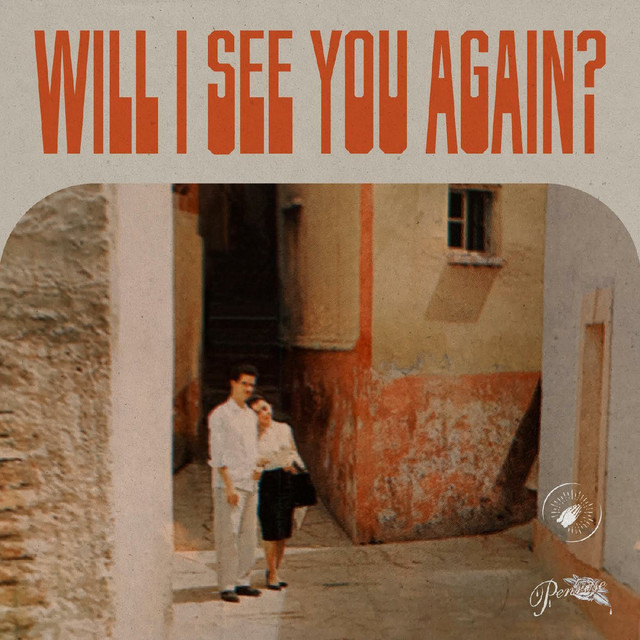
In the late 2010s, a wave of Southern California musicians began writing new songs in the old style, recording with vintage gear and techniques. Labels and imprints tied to the retro‑soul ecosystem (e.g., Daptone’s Penrose imprint) helped codify the sound, leading to a recognizable contemporary movement often called “souldies.” Social media and YouTube channels devoted to lowrider oldies amplified the scene.
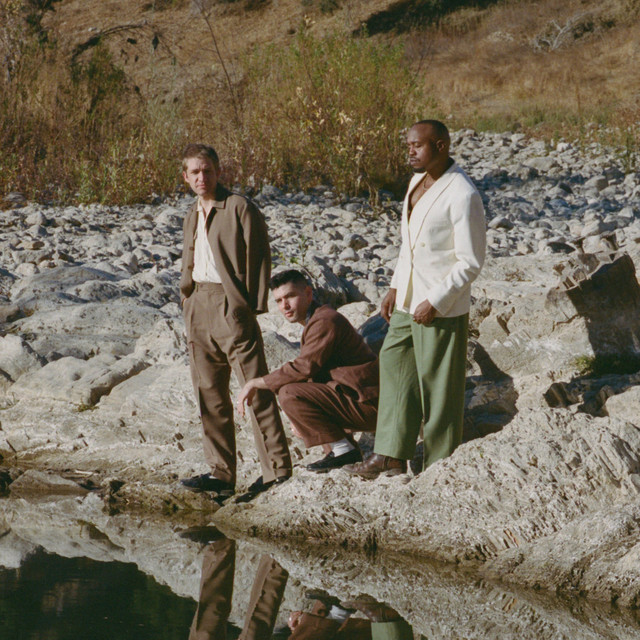
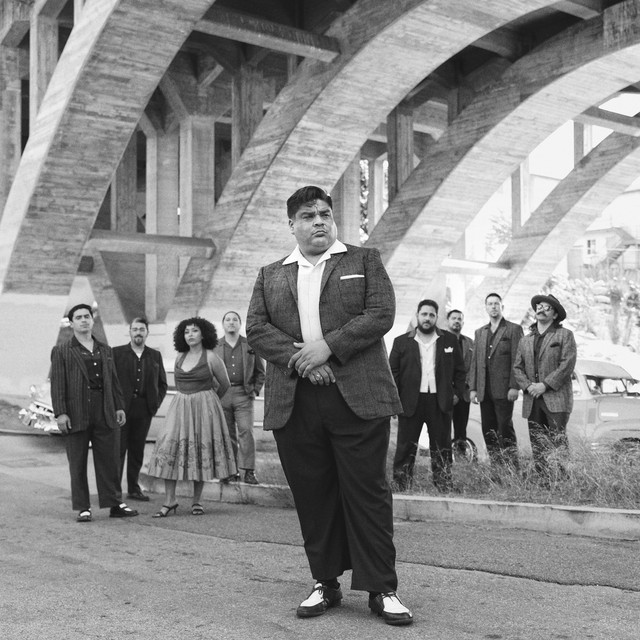
By the early 2020s, acts like Thee Sacred Souls, Thee Sinseers, and The Altons brought souldies to wider audiences while staying grounded in local, multigenerational support—from record shops and car clubs to independent promoters. The sound’s emotional directness and analog aesthetic resonated globally, positioning souldies as both homage and evolution of the lowrider oldies tradition.
Aim for a warm, analog feel with intimate vocals and restrained, soulful arrangements. Keep tempos mostly mid‑slow (around 65–90 BPM) to invite slow dancing and focus on sentiment.