Genres
Artists
Albums
Make Music
Sign in
Sign in
Artists
Soul
Artists
Soul
Stevie Wonder
1962–2005
·
29 albums
Listen
4
/5
Genres
Chill Pop
Chill pop is a contemporary pop micro‑genre that blends radio‑friendly songwriting with the mellow textures of chillout and lo‑fi aesthetics. It favors soft vocals, smooth synths, clean guitar plucks, understated bass, and relaxed, mid‑tempo grooves. Instead of big, bombastic hooks, chill pop tends toward intimate, conversational melodies and minimal, airy arrangements. Production often borrows from bedroom pop and alternative R&B—subtle trap hi‑hats, warm saturation, roomy reverbs, and gentle side‑chain compression—to create a breezy, pastel sound palette well suited to playlists and late‑night listening. Lyrically, chill pop is introspective and relatable: romance, longing, gentle optimism, and coming‑of‑age themes delivered in a plain‑spoken, whisper‑close tone. The result sits between indie pop’s understated cool and mainstream pop’s catchy structures, optimized for the streaming era’s mood‑driven consumption.
Discover
Listen
Indian Indie
Indian indie is the umbrella for independent, non-film music made in India across languages such as Hindi, English, and numerous regional tongues. It is defined more by its DIY production and artist-led release model than by a single sound. Musically, it spans indie pop and rock, folk-fusion, singer‑songwriter ballads, dream‑pop/shoegaze textures, and electronic‑leaning productions. Artists often blend Western harmony and song forms with raga‑tinged melodies, Indian rhythmic feels, and occasional use of traditional instruments like tabla, bansuri, or sitar. The scene grew rapidly with college festivals, small venues, and digital platforms (YouTube, streaming services, Bandcamp), plus boutique labels and festivals such as NH7 Weekender that created national visibility. Lyrically, it tends to be intimate and contemporary—touching on romance, urban life, identity, and nostalgia—while maintaining accessible hooks and warm, organic sonics.
Discover
Listen
Indie Pop Rap
Indie pop rap blends the melodic hooks and DIY aesthetic of indie pop with conversational, often introspective rap delivery. The production favors warm, guitar- or synth-led beats, understated drums, and lo‑fi textures over bombastic trap maximalism. Lyrically, it leans personal and relatable—relationships, coming of age, mental health, and day-to-day vignettes—delivered in a half-sung, half-rapped style. The sound was shaped by bedroom producers and the streaming era, where low-stakes, catchy songs with intimate vocals thrive on playlists and social media.
Discover
Listen
Neo R&b
Neo R&B is a modern evolution of contemporary R&B that blends classic soul vocal traditions with current hip-hop sensibilities and forward-looking electronic production. It typically features intimate, close-mic singing (often with melisma and layered harmonies), spacious mixes, and experimental textures drawn from electronic music, alternative pop, and modern hip-hop beat-making. Compared with earlier mainstream R&B, neo R&B often favors subtler hooks, mood-driven songwriting, and a “late-night” sonic palette built on deep bass, soft drums, and minimalist chord movement.
Discover
Listen
Shimmer Psych
Shimmer psych is a contemporary strand of neo‑psychedelia that pairs sparkling, chorus‑washed guitars and gauzy vocal harmonies with dreamy pop songcraft. It emphasizes high‑end "shimmer," tape‑soft saturation, hypnagogic textures, and melodic hooks, sitting between dream pop, jangle pop, and classic psychedelic rock. Typical tracks are mid‑tempo, built on warm bass lines, gentle motorik or laid‑back breakbeats, and drenched in reverb, phaser, and delay. The result is sun‑bleached, nostalgic, and kaleidoscopic rather than heavy or jam‑oriented.
Discover
Listen
Tech-Noir
Tech-noir is a musical subgenre and aesthetic within the synthwave and darksynth scenes, characterized by a dark, cinematic, and dystopian atmosphere. It draws heavy inspiration from 1980s science fiction and neo-noir films, blending retro-futuristic synthesizer melodies with driving basslines and industrial elements. The music often incorporates narrative storytelling, spoken word samples, and soundscapes that evoke a sense of urban decay, high-tech menace, and cynical romance.
Discover
Listen
Thall
Thall is a hyper-percussive, ultra–low-tuned offshoot of djent and progressive metal popularized by Sweden’s Vildhjarta. The style emphasizes tightly gated, staccato down‑picking; dissonant chord voicings; and lurching, polymetric grooves that drop into sudden rests and accents. Characteristic techniques include rapid release bends, stark contrasts between pitch‑shifted highs and subterranean lows, and the use of lush, reverb‑heavy ambient interludes to heighten tension and reset the ear before the next rhythmic assault. The result is a sound that feels both mechanical and cinematic—aggressive yet spacious.
Discover
Listen
Progressive Soul
Progressive soul is a strand of soul music that embraced the album as an art form, expanding the genre’s harmonic language, song structures, and lyrical scope. It blends the emotional immediacy of classic soul and gospel with the conceptual ambition of progressive rock, the orchestral sweep of Philadelphia soul, and the rhythmic sophistication of funk and jazz fusion. Characterized by extended forms, suites, concept albums, rich orchestration, and studio experimentation, progressive soul often features electric piano and Rhodes, clavinet, early synthesizers, elaborate horn and string arrangements, and layered vocal harmonies. Its lyrics frequently tackle social justice, spirituality, and introspection, while grooves remain deeply rooted in soul and funk.
Discover
Listen
Contemporary R&b
Contemporary R&B is a popular music genre that evolved from rhythm and blues and soul in the late 1970s, largely among African‑American musicians. It blends traditional R&B vocal stylings with elements of pop, funk, hip hop, and electronic music. The style is marked by soulful, passionate and often melismatic lead vocals; lush, smooth, frequently synthesized production; and a groove-first sensibility that can range from slow jams to club‑ready mid‑tempos. Since the 2010s, the incorporation of pop and electronic textures and production techniques has driven strands like electro‑R&B and helped expand the sound on global charts.
Discover
Listen
Disco
Disco is a dance-music genre and nightlife subculture that crystallized in the United States during the 1970s, drawing especially from African-American, Italian-American, Latino, and queer club communities. Musically, disco is typified by a steady four-on-the-floor kick drum, syncopated and melodic electric-bass lines, lush string sections, bright brass and horns, electric pianos and synthesizers, and percussive, choppy rhythm guitars. Arrangements often feature orchestral colors, handclaps, congas, and vibraphone or bell textures, all engineered to deliver a continuous, groove-forward experience for the dance floor. The style combines the rich orchestration and romantic sweep of Philadelphia soul with the bottom-end drive of funk and the songcraft of contemporary R&B/pop, delivered in DJ-friendly extended mixes and 12-inch singles designed for club play.
Discover
Listen
Funk
Funk is a rhythm-forward African American popular music style that centers on groove, syncopation, and interlocking parts. Rather than emphasizing complex chord progressions, funk builds tight, repetitive vamps that highlight the rhythm section and create an irresistible dance feel. The genre is marked by syncopated drum patterns, melodic yet percussive bass lines, choppy guitar "chanks," punchy horn stabs, call‑and‑response vocals, and a strong backbeat. Funk’s stripped-down harmony, prominent use of the one (accenting the downbeat), and polyrhythmic layering draw deeply from soul, rhythm and blues, jazz, gospel, and African rhythmic traditions. From James Brown’s late-1960s innovations through the expansive P-Funk universe and the slicker sounds of the 1970s and 1980s, funk has continually evolved while seeding countless other genres, from disco and hip hop to house and modern R&B.
Discover
Listen
Motown
Motown (often called the "Motown Sound" or Detroit soul) is a sleek, hook-driven form of soul that fused Black gospel fervor and rhythm & blues groove with pop songwriting craft and radio-friendly production. Born out of Berry Gordy Jr.’s Motown Records in Detroit, the sound emphasized strong melodies, tight vocal harmonies, and a driving backbeat designed for broad crossover appeal. Hallmarks include tambourine on the backbeat, handclaps, punchy horns and strings, shimmering glockenspiel or vibraphone accents, and highly melodic bass lines. Lead vocals often deliver heartfelt, universal stories of love and heartbreak, answered by responsive background harmonies. Songs typically use concise verse–chorus forms, bridges, and modulations to keep energy rising. Behind many hits was the Motown house band, the Funk Brothers, whose danceable grooves powered an assembly-line approach to songwriting and production—resulting in an unmatched run of chart-topping records that reshaped the sound of American pop.
Discover
Listen
Classic Soul
Classic soul is the 1960s–early 1970s strain of soul music that fused gospel's emotive vocals and church-derived harmony with the backbeat and instrumentation of rhythm & blues. It emphasizes powerful lead singing, call-and-response with background vocals, tight rhythm sections, and punchy horn arrangements. The sound ranges from uptempo, danceable singles to deeply expressive ballads in 12/8 time. Production is typically warm and analog, with live bands, tambourine and handclaps on the backbeat, and arrangements crafted for immediacy and drama. Lyrical themes center on love, heartbreak, perseverance, community, and, at times, social conscience.
Discover
Listen
Pop Soul
Pop soul is a crossover style that blends the emotive vocals, gospel-rooted harmonies, and backbeat of soul music with the concise song forms, catchy hooks, and polished production of mainstream pop. It emphasizes memorable choruses, smooth lead vocals, tight background harmonies, and radio-friendly arrangements designed for broad appeal. The sound is often defined by a crisp rhythm section, tambourine on the backbeat, melodic bass lines, piano/organ comping, handclaps, and lush string or horn arrangements. Originating with the Motown hit-making model, pop soul prized sophisticated songwriting and sleek studio craft that could connect equally on the dance floor and the pop charts.
Discover
Listen
Soul
Soul is a genre of popular music that blends the spiritual fervor and vocal techniques of African‑American gospel with the grooves and song forms of rhythm & blues and the harmonic palette of jazz and blues. It is defined by impassioned, melismatic lead vocals; call‑and‑response with backing singers; handclaps and a strong backbeat; syncopated bass lines; and memorable horn or string riffs. Typical instrumentation includes drum kit, electric bass, electric guitar, piano or Hammond organ, horns (trumpet, saxophone, trombone), and sometimes orchestral strings. Lyrically, soul ranges from love and heartbreak to pride, social commentary, and spiritual yearning. Regionally distinct scenes—such as Detroit’s Motown, Memphis/Stax, Muscle Shoals, Chicago, New Orleans, and Philadelphia—shaped different flavors of soul, while the style’s emotional directness and rhythmic drive made it a cornerstone of later funk, disco, contemporary R&B, and hip hop.
Discover
Listen
Pop
Pop is a broad, hook-driven style of popular music designed for wide appeal. It emphasizes memorable melodies, concise song structures, polished vocals, and production intended for radio, charts, and mass media. While pop continually absorbs elements from other styles, its core remains singable choruses, accessible harmonies, and rhythmic clarity. Typical forms include verse–pre-chorus–chorus, frequent use of bridges and middle-eights, and ear-catching intros and outros. Pop is not defined by a single instrumentation. It flexibly incorporates acoustic and electric instruments, drum machines, synthesizers, and increasingly digital production techniques, always in service of the song and the hook.
Discover
Listen
Rock
Rock is a broad family of popular music centered on amplified instruments, a strong backbeat, and song forms that foreground riffs, choruses, and anthemic hooks. Emerging from mid‑20th‑century American styles like rhythm & blues, country, and gospel-inflected rock and roll, rock quickly expanded in scope—absorbing folk, blues, and psychedelic ideas—while shaping global youth culture. Core sonic markers include electric guitar (often overdriven), electric bass, drum kit emphasizing beats 2 and 4, and emotive lead vocals. Rock songs commonly use verse–chorus structures, blues-derived harmony, and memorable melodic motifs, ranging from intimate ballads to high‑energy, stadium‑sized performances.
Discover
Listen
R&b
R&B (Rhythm and Blues) is a vocal- and groove-centered popular music tradition that blends blues tonality, jazz harmony, and gospel-inflected singing with a steady backbeat. It emphasizes expressive lead vocals, call-and-response, lush harmonies, and danceable rhythms. From its 1940s roots in African American communities to its later evolutions, R&B has continually absorbed and reshaped surrounding sounds—from jump blues and swing in the early days to soul, funk, hip hop, and electronic production in the contemporary era. Today, R&B ranges from intimate, slow-burning ballads to club-ready tracks, all tied together by a focus on feel, melody, and vocal performance.
Discover
Listen
Latin Jazz
Latin jazz is a fusion of jazz harmony and improvisation with Afro–Latin American rhythms, song forms, and percussion. It combines the swing, bebop, and big-band traditions with clave-based grooves such as son, rumba, danzón, and mambo, and later integrates Brazilian feels like samba and bossa nova. Typical features include the use of the clave (2–3 or 3–2), piano montunos (guajeos), bass tumbao patterns, timbales cáscara, conga marcha, and call-and-response horn "mambo" figures. While the rhythm section locks into cyclical patterns, soloists improvise using the vocabulary of jazz, creating music that is both danceable and harmonically rich.
Discover
Listen
Soundtrack
Soundtrack is music created to accompany and enhance visual media such as film, television, and video games. It includes original scores (instrumental or vocal music composed specifically for the picture) and, at times, curated compilations of pre-existing songs. Stylistically, soundtrack is a meta-genre that can encompass orchestral symphonic writing, jazz, electronic and synth-driven textures, choral forces, popular song, and experimental sound design. Its defining trait is functional storytelling: themes, motifs, harmony, rhythm, and timbre are shaped by narrative needs, character psychology, pacing, and editing. Common features include leitmotifs for characters or ideas, modular cues that can be edited to picture, dynamic orchestration for dramatic range, and production approaches that sit well under dialogue and sound effects. Because it must synchronize to picture, soundtrack often uses clear dramatic arcs, tempo maps, and hit points.
Discover
Listen
Jazz
Jazz is an improvisation-centered music tradition that emerged from African American communities in the early 20th century. It blends blues feeling, ragtime syncopation, European harmonic practice, and brass band instrumentation into a flexible, conversational art. Defining features include swing rhythm (a triplet-based pulse), call-and-response phrasing, blue notes, and extended harmonies built on 7ths, 9ths, 11ths, and 13ths. Jazz is as much a way of making music—spontaneous interaction, variation, and personal sound—as it is a set of forms and tunes. Across its history, jazz has continually hybridized, from New Orleans ensembles and big-band swing to bebop, cool and hard bop, modal and free jazz, fusion, and contemporary cross-genre experiments. Its influence permeates global popular and art music.
Discover
Listen
Blues
Blues is an African American musical tradition defined by expressive "blue notes," call-and-response phrasing, and a characteristic use of dominant-seventh harmony in cyclical song forms (most famously the 12‑bar blues). It is as much a feeling as a form, conveying sorrow, resilience, humor, and hard-won joy. Musically, blues commonly employs the I–IV–V progression, swung or shuffled rhythms, and the AAB lyric stanza. Melodies lean on the minor/major third ambiguity and the flattened fifth and seventh degrees. Core instruments include voice, guitar (acoustic or electric), harmonica, piano, bass, and drums, with slide guitar, bends, and vocal melismas as signature techniques. Over time the blues has diversified into regional and stylistic currents—Delta and Piedmont country blues, urban Chicago and Texas blues, West Coast jump and boogie-woogie—while profoundly shaping jazz, rhythm & blues, rock and roll, soul, funk, and much of modern popular music.
Discover
Listen
Electronic
Electronic is a broad umbrella genre defined by the primary use of electronically generated or electronically processed sound. It encompasses music made with synthesizers, drum machines, samplers, computers, and studio/tape techniques, as well as electroacoustic manipulation of recorded or synthetic sources. The genre ranges from academic and experimental traditions to popular and dance-oriented forms. While its sonic palette is rooted in electricity and circuitry, its aesthetics span minimal and textural explorations, structured song forms, and beat-driven club permutations. Electronic emphasizes sound design, timbre, and studio-as-instrument practices as much as melody and harmony.
Discover
Listen
Christmas Music
Christmas music is a body of sacred and secular repertoire associated with the celebration of Christmas and the winter season. It spans medieval carols, liturgical hymns, and oratorios through to 20th‑century Tin Pan Alley standards, crooner ballads, jazz‑swing arrangements, pop hits, gospel renditions, and contemporary acoustic or R&B interpretations. Stylistically it is diverse but often shares warm, nostalgic melodies, memorable choruses, and lyrics that reference the Nativity story, peace and goodwill, family gatherings, winter imagery, and figures like Santa Claus. Sleigh bells, choirs, strings, brass, and glockenspiel/celesta are common coloristic touches, while harmony ranges from simple I–IV–V progressions to richer jazz voicings. Its seasonal recurrence has made it a cultural tradition that reappears annually across radio, streaming, film, advertising, and public spaces.
Discover
Listen
Show all 24 genres
Albums
2005
A Time to Love
Stevie Wonder
Blues
Electronic
Soul
1995
3
/5
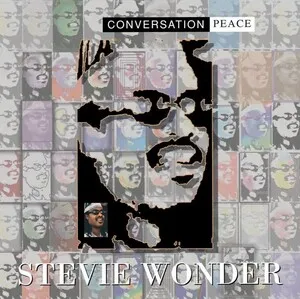
Conversation Peace
Stevie Wonder
New Jack Swing
Electronic
Funk
1991
Jungle Fever
Stevie Wonder
Blues
Funk
Pop
1987
Characters
Stevie Wonder
Pop
R&b
Soul
1985
In Square Circle
Stevie Wonder
Contemporary R&b
Funk
Soul
1984
The Woman in Red
Stevie Wonder
Electronic
Soul
Soundtrack
1980
4
/5
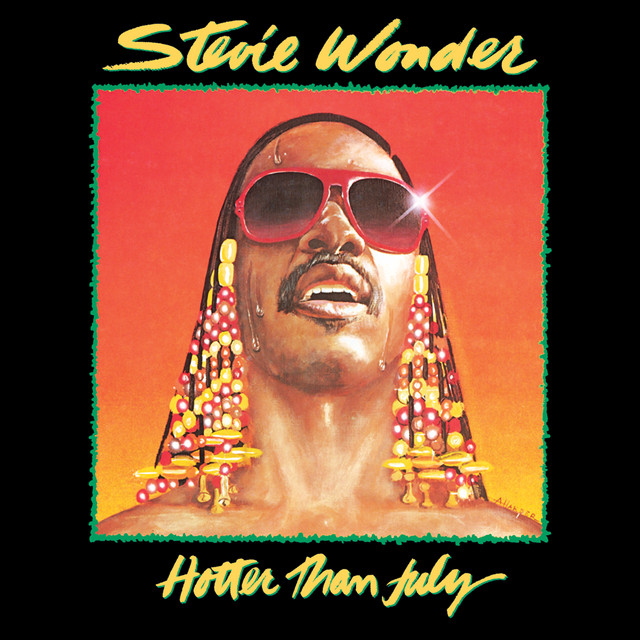
Hotter Than July
Stevie Wonder
Pop Soul
Motown
Classic Soul
1979
Stevie Wonder’s Journey Through the Secret Life of Plants
Stevie Wonder
New Age
Progressive Electronic
Soundtrack
1976
4
/5
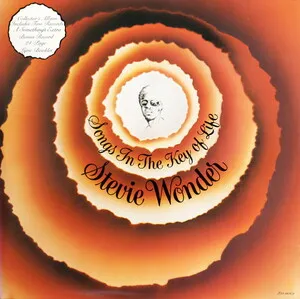
Songs in the Key of Life
Stevie Wonder
Classic Soul
Motown
Brickfilm
1976
1
/5
Songs in the Key of Life
Stevie Wonder
Progressive Soul
R&b
Soul
1974
3
/5
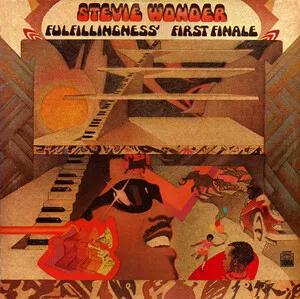
Fulfillingness' First Finale
Stevie Wonder
Progressive Soul
Soul
Pop
1973
4
/5
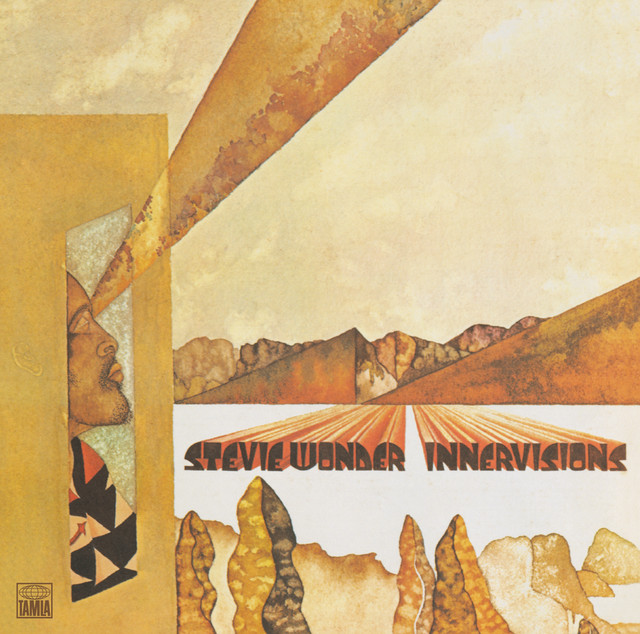
Innervisions
Stevie Wonder
Progressive Soul
Soul
R&b
1972
4
/5
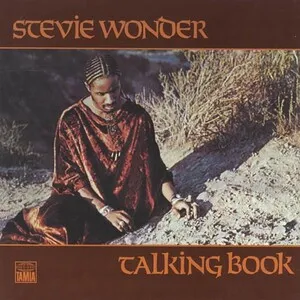
Talking Book
Stevie Wonder
Progressive Soul
Soul
R&b
1972
1
/5
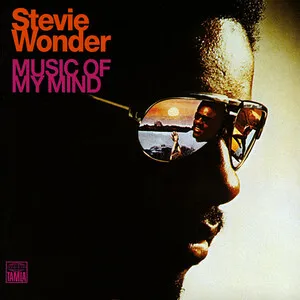
Music of My Mind
Stevie Wonder
Progressive Soul
Funk
Pop
1971
Where I’m Coming From
Stevie Wonder
Funk
Pop Soul
Soul
1970
1
/5
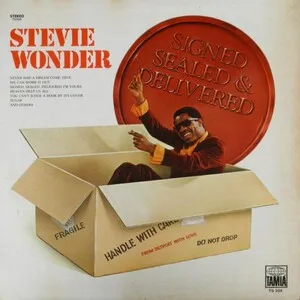
Signed, Sealed & Delivered
Stevie Wonder
Motown
Funk
Pop
1969
4
/5
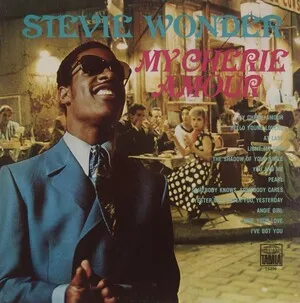
My Cherie Amour
Stevie Wonder
Motown
Funk
Pop
1968
4
/5
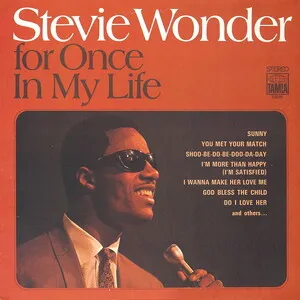
For Once in My Life
Stevie Wonder
Motown
Funk
Pop
1968
Eivets Rednow
Stevie Wonder
Jazz
Latin Jazz
Soul
1967
Someday at Christmas
Stevie Wonder
Christmas Music
Gospel
Pop
1967
I Was Made to Love Her
Stevie Wonder
Pop Soul
Soul
1966
Down to Earth
Stevie Wonder
Pop
R&b
Soul
1966
Up‐Tight (Everything’s Alright)
Stevie Wonder
Pop Soul
Soul
1964
Stevie at the Beach
Stevie Wonder
Soul
Surf
1963
Tribute to Uncle Ray
Little Stevie Wonder
Blues
Rock
Soul
1963
With a Song in My Heart
Stevie Wonder
Jazz
Soul
1962
The Jazz Soul of Little Stevie
Little Stevie Wonder
Jazz
Motown
Soul
Songs in the Key of Life
Stevie Wonder
Claymation
Songs in the Key of Life
Stevie Wonder
Sadistic Horror
Similar artists
4
/5
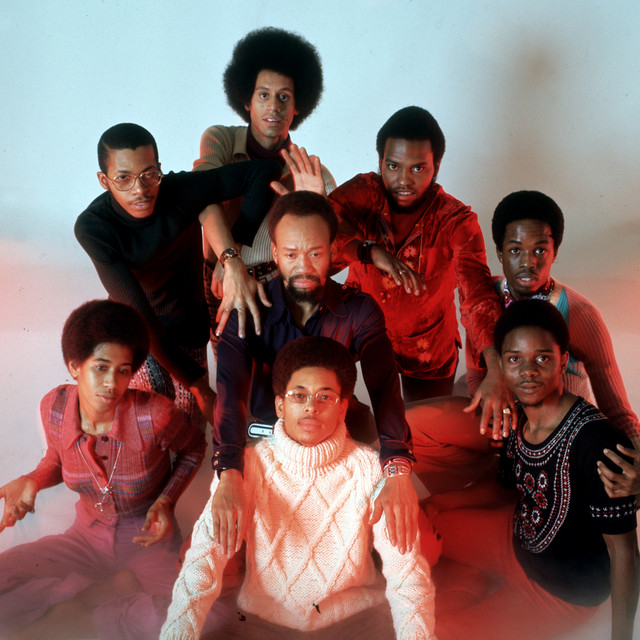
Earth, Wind & Fire
Disco
Funk
Soul
1
/5
Various Artists
Afro-Funk
Alternative Rock
Ambient
4
/5
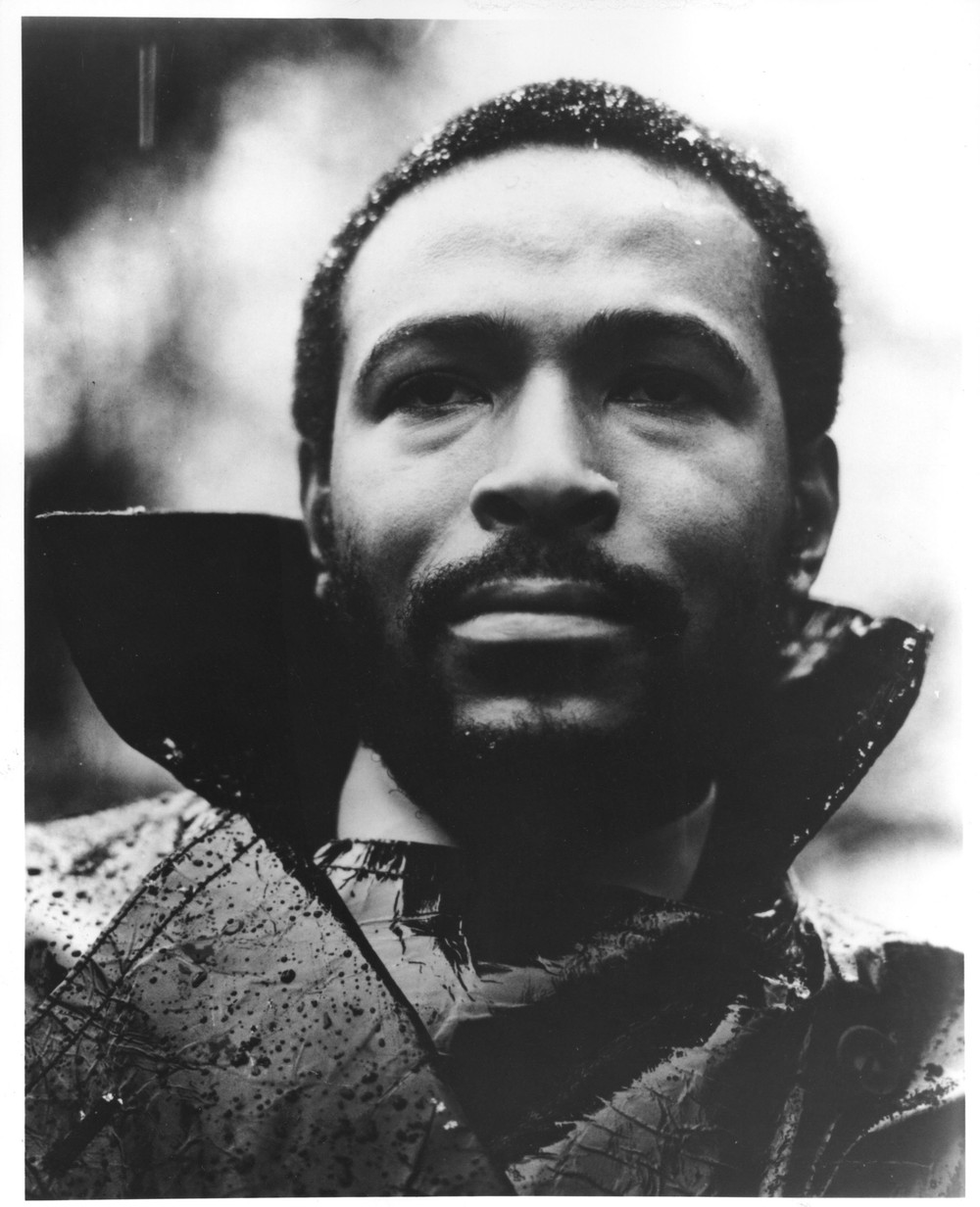
Marvin Gaye
Motown
Soul
Northern Soul
4
/5
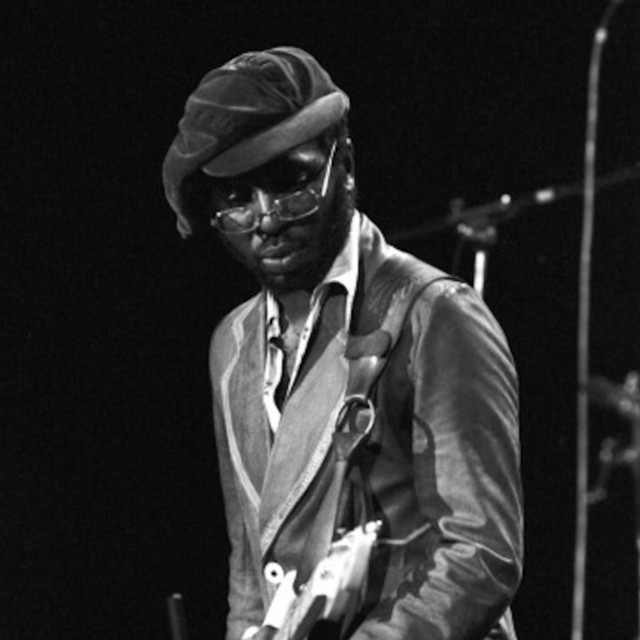
Curtis Mayfield
Chicago Soul
Soul
Funk
5
/5
Michael Jackson
Soul
Pop
Contemporary R&b
4
/5
The Isley Brothers
Soul
Funk
Motown
4
/5
The Jackson 5
Motown
Christmas Music
Disco
4
/5
Prince
Funk
Minneapolis Sound
Synth Funk
3
/5
Sly & The Family Stone
Funk
Psychedelic Soul
Soul
4
/5
Kool & The Gang
Disco
Funk
Motown
Download our mobile app
Get the Melodigging app and start digging for new genres on the go
Download on the App Store
Get it on Google Play
© 2026 Melodigging
Give feedback
Legal
Melodding was created as a tribute to
Every Noise at Once
, which inspired us to help curious minds keep digging into music's ever-evolving genres.