Genres
Make Music
Artists
Albums
Challenges
Sign in
Sign in
Albums
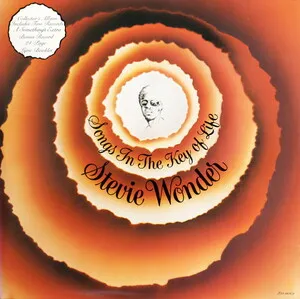
By Stevie Wonder
Albums
By Stevie Wonder
Songs in the Key of Life
September 28, 1976
Listen
4
/5
Genres
Ecchi
Ecchi (エッチ) is a Japanese pop-culture music tag that foregrounds playful erotic fantasy, cheeky wordplay, and suggestive innuendo rather than explicit content. The tone is flirtatious and comedic, often leaning on “fanservice” tropes familiar from anime and visual novels. Musically, it overlaps heavily with otaku-leaning J‑pop and denpa: hyper-bright synths, bubbly hooks, cute (moe) vocals, call-and-response chants, and cartoonish sound effects. Lyrics frequently pun on double meanings, reference character archetypes, and dramatize blushing, teasing, and comedic embarrassment. Ecchi tracks appear as anime OP/EDs, character songs, and eroge/visual novel themes, as well as doujin and Vocaloid works made for conventions and video platforms. The result is a tongue‑in‑cheek, high‑energy pop aesthetic that is knowingly “pervy” in a light, mischievous way.
Discover
Listen
Machinima
Machinima is a form of animation that uses the real‑time graphics engines of video games to create scripted or improvised films. Creators stage performances inside a game or engine, capture the action from virtual cameras, and assemble the footage with traditional post‑production—much like live‑action filmmaking, but inside a simulated world. The technique ranges from quick, voice‑over comedy skits to fully storyboarded cinematic narratives with custom assets, motion paths, and multi‑actor choreography. Early machinima emerged from first‑person shooter demo recordings and quickly evolved into serial storytelling and internet video, helping pioneer real‑time virtual production long before modern game‑engine filmmaking became common.
Discover
Listen
Dystopian
Dystopian music is a thematic style that evokes societies under repressive control, surveillance, and decay—often imagined in near‑ or far‑future settings. Sonically, it blends industrial abrasiveness, mechanical rhythms, and shadowy ambient textures with synth‑driven timbres and cinematic sound design. The result is a sense of unease, alienation, and technological overreach that mirrors the dystopian fiction tradition in literature and film.
Discover
Listen
Brickfilm
Brickfilm is a stop‑motion animation style that uses interlocking plastic bricks—most commonly LEGO—and their minifigures to tell stories. Filmmakers build sets from bricks, pose figures frame by frame, and photograph each incremental movement to create motion when the images are sequenced. The medium embraces the toy’s modularity: walls, props, vehicles, and even special effects can be constructed from bricks, while post‑production adds sound design, music, and occasional CG compositing. Though it spans every genre (comedy, action, sci‑fi, drama), brickfilm is united by its playful, tactile aesthetic and the unmistakable look and limitations of minifigure performance. Since the late 1990s and early 2000s, brickfilm has flourished online, with a large community of hobbyists and professionals sharing work, techniques, and running fast‑turn contests. The style ranges from rough single‑weekend shorts to meticulously lit, cinematic productions shot with dedicated stop‑motion rigs.
Discover
Listen
Cannibal
Cannibal is a niche soundtrack-anchored genre tag tied to the Italian “cannibal” exploitation film cycle that peaked from the mid‑1970s to early 1980s. Musically, it blends lush European library/easy‑listening orchestration, prog‑rock rhythm sections, jazz/funk instrumentation, and so‑called “tribal” percussion and flutes, set against dark, suspenseful harmonic beds. Its aesthetic aims for high shock value consistent with the films’ violent and transgressive subject matter, juxtaposing deceptively beautiful themes with dread, ambient dissonance, and percussive ritual cues. Contemporary dark electronic and extreme metal acts sometimes reference this palette to evoke jungle survivalism, taboo, and visceral tension.
Discover
Listen
Contemporary R&b
Contemporary R&B is a popular music genre that evolved from rhythm and blues and soul in the late 1970s, largely among African‑American musicians. It blends traditional R&B vocal stylings with elements of pop, funk, hip hop, and electronic music. The style is marked by soulful, passionate and often melismatic lead vocals; lush, smooth, frequently synthesized production; and a groove-first sensibility that can range from slow jams to club‑ready mid‑tempos. Since the 2010s, the incorporation of pop and electronic textures and production techniques has driven strands like electro‑R&B and helped expand the sound on global charts.
Discover
Listen
Classic Soul
Classic soul is the 1960s–early 1970s strain of soul music that fused gospel's emotive vocals and church-derived harmony with the backbeat and instrumentation of rhythm & blues. It emphasizes powerful lead singing, call-and-response with background vocals, tight rhythm sections, and punchy horn arrangements. The sound ranges from uptempo, danceable singles to deeply expressive ballads in 12/8 time. Production is typically warm and analog, with live bands, tambourine and handclaps on the backbeat, and arrangements crafted for immediacy and drama. Lyrical themes center on love, heartbreak, perseverance, community, and, at times, social conscience.
Discover
Listen
Motown
Motown (often called the "Motown Sound" or Detroit soul) is a sleek, hook-driven form of soul that fused Black gospel fervor and rhythm & blues groove with pop songwriting craft and radio-friendly production. Born out of Berry Gordy Jr.’s Motown Records in Detroit, the sound emphasized strong melodies, tight vocal harmonies, and a driving backbeat designed for broad crossover appeal. Hallmarks include tambourine on the backbeat, handclaps, punchy horns and strings, shimmering glockenspiel or vibraphone accents, and highly melodic bass lines. Lead vocals often deliver heartfelt, universal stories of love and heartbreak, answered by responsive background harmonies. Songs typically use concise verse–chorus forms, bridges, and modulations to keep energy rising. Behind many hits was the Motown house band, the Funk Brothers, whose danceable grooves powered an assembly-line approach to songwriting and production—resulting in an unmatched run of chart-topping records that reshaped the sound of American pop.
Discover
Listen
Mahō Shōjo
Mahō shōjo ("magical girl") is a Japanese media genre whose stories center on a girl or group of girls who gain magical powers, often through a pact or contract with a supernatural being, and use those powers to balance everyday life with heroic responsibility. Musically, the genre’s sound world is defined by bright, hook‑forward anison (anime song) aesthetics, idol‑style pop choruses, and transformation themes that blend orchestral sparkle (strings, brass, chimes, glockenspiel) with synths and rock rhythm sections. Openers and endings are typically high‑energy J‑pop tailored for dance routines and call‑and‑response, while background scores alternate between whimsical slice‑of‑life cues and triumphant, leitmotivic battle music. Darker deconstructions of the genre (e.g., psychological or tragic storylines) shift toward minor modes, choral textures, and dramatic harmony while retaining recognizably “magical girl” thematic signifiers.
Discover
Listen
Pop Soul
Pop soul is a crossover style that blends the emotive vocals, gospel-rooted harmonies, and backbeat of soul music with the concise song forms, catchy hooks, and polished production of mainstream pop. It emphasizes memorable choruses, smooth lead vocals, tight background harmonies, and radio-friendly arrangements designed for broad appeal. The sound is often defined by a crisp rhythm section, tambourine on the backbeat, melodic bass lines, piano/organ comping, handclaps, and lush string or horn arrangements. Originating with the Motown hit-making model, pop soul prized sophisticated songwriting and sleek studio craft that could connect equally on the dance floor and the pop charts.
Discover
Listen
Soul
Soul is a genre of popular music that blends the spiritual fervor and vocal techniques of African‑American gospel with the grooves and song forms of rhythm & blues and the harmonic palette of jazz and blues. It is defined by impassioned, melismatic lead vocals; call‑and‑response with backing singers; handclaps and a strong backbeat; syncopated bass lines; and memorable horn or string riffs. Typical instrumentation includes drum kit, electric bass, electric guitar, piano or Hammond organ, horns (trumpet, saxophone, trombone), and sometimes orchestral strings. Lyrically, soul ranges from love and heartbreak to pride, social commentary, and spiritual yearning. Regionally distinct scenes—such as Detroit’s Motown, Memphis/Stax, Muscle Shoals, Chicago, New Orleans, and Philadelphia—shaped different flavors of soul, while the style’s emotional directness and rhythmic drive made it a cornerstone of later funk, disco, contemporary R&B, and hip hop.
Discover
Listen
Paint-On-Glass Animation
Paint-on-glass animation is a frame-by-frame animation technique in which an artist manipulates wet media (typically oil paint, gouache, or acrylics kept workable with additives) directly on panes of glass placed under a camera. Each incremental change is photographed, creating fluid, painterly motion when played back. Because the artwork is reworked continuously on the same surface (often on multiple layers of glass for depth), the results feature dissolving shapes, smudged transitions, and rich color blending that are difficult to achieve with cels or digital tools. The method is slow and highly artisanal, but prized for its dreamlike, impressionistic look.
Discover
Listen
Mafia Film
Mafia film is a crime-cinema subgenre centered on Italian and Italian‑American organized crime syndicates (the Mafia/Cosa Nostra and related clans). Narratives typically explore family hierarchies, codes of honor and omertà, the tension between old‑world tradition and new‑world capitalism, and the tragic costs of power. Musically, the style became strongly codified in the 1970s through scores that blend Italianate lyricism with noir‑era harmony: mournful waltzes, mandolin or accordion colors, solo trumpet or clarinet laments, and lush, elegiac strings. Contemporary entries often juxtapose this palette with curated period source music (doo‑wop, crooner ballads, Italian canzoni) and darker, minimalist textures to underscore brutality and fate.
Discover
Listen
Cutout Animation
Cutout animation is a 2D stop‑motion technique in which characters, props, and backgrounds are physically cut from flat materials—typically paper, card, fabric, or photographs—and animated frame by frame on a tabletop or multiplane stand. The method relies on hinged or replaceable parts (arms, legs, mouths) that are repositioned between exposures, producing motion without redrawing each frame. Its look ranges from delicate silhouette fairy‑tales to irreverent collage comedy, and in the digital era the same principles are emulated with rigged “cutout” puppets in software. In short: it is animation built from cut materials—paper, card, or photos—moved incrementally under the camera.
Discover
Listen
Kalanta
Kalanta (κάλαντα) are Greek carols traditionally sung on the eves of Christmas, New Year, and Epiphany. The repertoire comprises distinct songs for each feast: Nativity kalanta celebrate Christ’s birth, New Year’s kalanta invoke St. Basil, and Epiphany kalanta recount the Baptism of Christ. Etymologically, the term derives from the Latin calendae (first day of the month), reflecting pre‑Christian calendrical customs that were later absorbed and reshaped during the Byzantine period. In practice, children (and sometimes youth choirs) go door‑to‑door, asking “να τα πούμε;” (“shall we sing them?”) and perform with light percussion—most famously a small metal triangle—sometimes joined by santouri, laouto, or regional folk instruments. Householders respond with treats or coins, a custom that has shifted from sweets to monetary gifts in recent decades. Kalanta exhibit rich regional variation (islands, mainland, and diaspora communities), but share a simple, processional melodic profile, memorable refrains, and lyrics offering blessings and prosperity to the household. Signature pieces include the Christmas "Καλήν εσπέραν, άρχοντες" and the New Year’s "Αρχιμηνιά κι Αρχιχρονιά."
Discover
Listen
Similar albums
2010
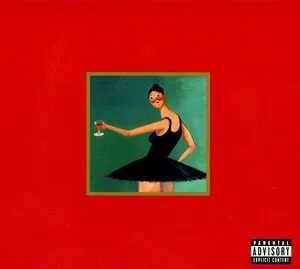
My Beautiful Dark Twisted Fantasy
Kanye West
2019
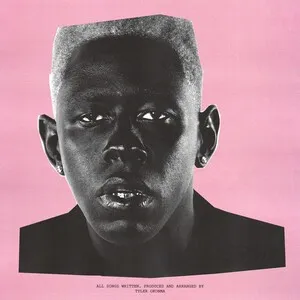
Igor
Tyler, The Creator
1969
Abbey Road
The Beatles
2007
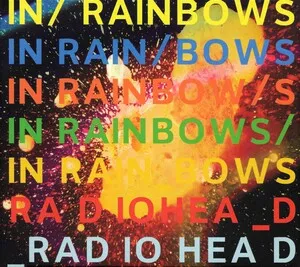
In Rainbows
Radiohead
2004
The College Dropout
Kanye West
1986
The Queen Is Dead
The Smiths
1975
Wish You Were Here
Pink Floyd
1972
The Rise and Fall of Ziggy Stardust and The Spiders From Mars
David Bowie
2012
Good Kid, M.A.A.D City
Kendrick Lamar
1994
Dummy
Portishead
Download our mobile app
Get the Melodigging app and start digging for new genres on the go
Download on the App Store
Get it on Google Play
© 2026 Melodigging
Give feedback
Legal
Melodding was created as a tribute to
Every Noise at Once
, which inspired us to help curious minds keep digging into music's ever-evolving genres.