Genres
Artists
Albums
Make Music
Sign in
Sign in
Artists
Soul
Artists
Soul
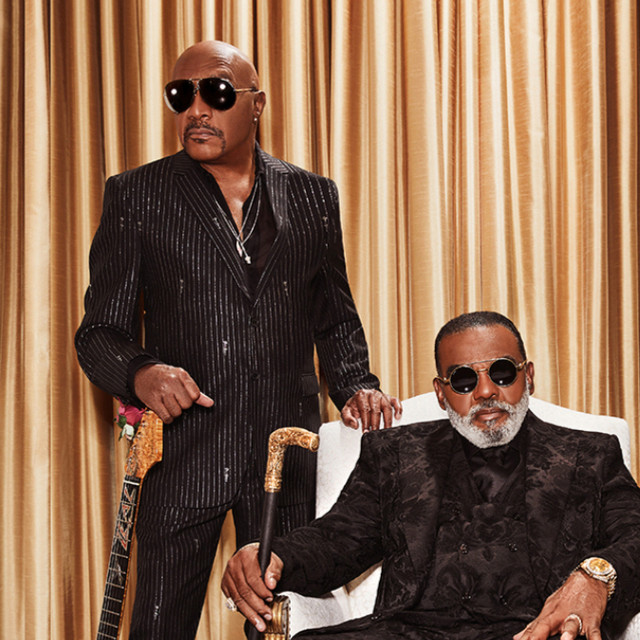
The Isley Brothers
1962–2012
·
10 albums
Listen
4
/5
Genres
Flint Sound
Flint sound is a contemporary Michigan rap style centered in Flint, United States. It is characterized by fast, minimal, piano- or organ-led beats, dry and upfront vocals, and bar-by-bar “punch‑in” delivery that often rides slightly ahead of or behind the grid for a conversational, off‑kilter feel. The production typically favors bright piano loops, staccato 808 slides, crisp claps or rimshots, and sparse percussion, leaving plenty of space for relentless punchlines, gritty street reportage, and mischievous humor. While hard-edged and streetwise, the style frequently leans into charismatic personality and wit, making it both aggressive and infectious for dancing.
Discover
Listen
Neo R&b
Neo R&B is a modern evolution of contemporary R&B that blends classic soul vocal traditions with current hip-hop sensibilities and forward-looking electronic production. It typically features intimate, close-mic singing (often with melisma and layered harmonies), spacious mixes, and experimental textures drawn from electronic music, alternative pop, and modern hip-hop beat-making. Compared with earlier mainstream R&B, neo R&B often favors subtler hooks, mood-driven songwriting, and a “late-night” sonic palette built on deep bass, soft drums, and minimalist chord movement.
Discover
Listen
Classify
Classify is a streaming-era microgenre that blends light classical technique with contemporary pop repertoire, typically presented as unobtrusive instrumental covers. It prioritizes soft dynamics, gentle tempos, and intimate recording to create a calm, elegant backdrop suitable for studying, working, or events. Most arrangements are for solo piano, string quartet, cello/piano duos, or small chamber ensembles. Harmonies remain diatonic and consonant, melodies are clearly voiced, and textures favor arpeggios, ostinati, and sustained legato lines. The overall aesthetic borrows from modern classical and new age moods while retaining the familiarity of pop song forms.
Discover
Listen
Souldies
Souldies is a modern revival of classic lowrider “oldies” soul—slow, tender ballads rooted in 1960s and early-’70s sweet soul and doo‑wop aesthetics, reimagined by a new generation of largely Chicano/Latinx artists in Southern California. Characterized by warm, analog-leaning production, mellow backbeats, honeyed vocal harmonies, and heart‑on‑sleeve lyricism, the style favors mid‑slow tempos, tape‑like saturation, spring/plate reverb, and minimalist yet expressive arrangements. English and Spanish (or Spanglish) lyrics often explore love, longing, devotion, and cruising/lowrider culture. Souldies sits at the intersection of classic soul, rhythm & blues, northern soul selections, and Latin soul, offering a contemporary, community‑centered sound that feels both timeless and newly personal.
Discover
Listen
Bedroom Soul
Bedroom soul is a lo‑fi, intimate take on contemporary R&B and soul that foregrounds warm, jazzy harmony and close‑miked vocals tracked in home studios. It blends the DIY ethos of bedroom pop with the grooves and vocal phrasing of neo‑soul and alternative R&B. Production is intentionally unvarnished—subtle tape hiss, vinyl crackle, softly clipped transients, and gentle saturation are embraced to create a lived‑in texture. Electric guitar or Rhodes/soft‑synth keys carry lush seventh‑chord progressions, pocketed bass lines, and minimalist drums with swung hi‑hats and rimshots. Lyrics are inward‑looking and conversational, often exploring romance, self‑discovery, and late‑night reflection.
Discover
Listen
Pov: Indie
"pov: indie" is a social-media-native microstyle built around short, cinematic indie-pop/indie-rock snippets designed to accompany a first-person (POV) narrative. Instead of being defined by a single new musical technique, it is defined by context: the music is chosen or written to feel like the soundtrack to a specific moment (a crush, a late-night walk, moving to a new city, seasonal nostalgia). Sonically it typically uses bright but soft guitars or synths, intimate vocals, simple memorable hooks, and production that reads clearly on phone speakers. The emotional tone is often wistful, tender, and “coming-of-age,” with lyrics that can be understood quickly in a 10–30 second clip.
Discover
Listen
Quiet Storm
Quiet storm is a smooth, romantic subgenre and radio format within rhythm & blues that emphasizes intimacy, warmth, and late‑night mood. It blends the lush arrangements of 1970s soul with gentle jazz inflections, soft rock textures, and highly polished production. Songs typically sit at slow to mid tempos, featuring supple bass, soft drums, Rhodes or electric piano, silky strings or synth pads, and tasteful saxophone or clean, chorus‑tinged guitar. Vocals are smooth and intimate, often exploring love, devotion, and sensuality with understated delivery. The overall effect is relaxed and luxurious, designed for evening listening.
Discover
Listen
Smooth Soul
Smooth soul is a polished, romantic strain of soul music defined by velvety vocals, lush string and horn arrangements, and immaculately produced, mid-tempo grooves. It maintains the emotional directness of classic soul while softening its edges with gentle rhythms, extended jazz-tinged harmonies, and spacious production. Emerging in the early 1970s from the same currents that produced Philadelphia soul, smooth soul favors elegant orchestrations (strings, woodwinds, muted brass), silky electric pianos, and clean guitar tones. Lyrics typically center on love, intimacy, and adult relationships, delivered with controlled intensity, falsetto flourishes, and refined background harmonies. The genre provided a bridge from 1960s Motown and Southern soul to quiet storm and contemporary R&B, shaping radio formats and a lasting template for intimate, late-night soul.
Discover
Listen
Disco
Disco is a dance-music genre and nightlife subculture that crystallized in the United States during the 1970s, drawing especially from African-American, Italian-American, Latino, and queer club communities. Musically, disco is typified by a steady four-on-the-floor kick drum, syncopated and melodic electric-bass lines, lush string sections, bright brass and horns, electric pianos and synthesizers, and percussive, choppy rhythm guitars. Arrangements often feature orchestral colors, handclaps, congas, and vibraphone or bell textures, all engineered to deliver a continuous, groove-forward experience for the dance floor. The style combines the rich orchestration and romantic sweep of Philadelphia soul with the bottom-end drive of funk and the songcraft of contemporary R&B/pop, delivered in DJ-friendly extended mixes and 12-inch singles designed for club play.
Discover
Listen
Progressive Soul
Progressive soul is a strand of soul music that embraced the album as an art form, expanding the genre’s harmonic language, song structures, and lyrical scope. It blends the emotional immediacy of classic soul and gospel with the conceptual ambition of progressive rock, the orchestral sweep of Philadelphia soul, and the rhythmic sophistication of funk and jazz fusion. Characterized by extended forms, suites, concept albums, rich orchestration, and studio experimentation, progressive soul often features electric piano and Rhodes, clavinet, early synthesizers, elaborate horn and string arrangements, and layered vocal harmonies. Its lyrics frequently tackle social justice, spirituality, and introspection, while grooves remain deeply rooted in soul and funk.
Discover
Listen
Funk
Funk is a rhythm-forward African American popular music style that centers on groove, syncopation, and interlocking parts. Rather than emphasizing complex chord progressions, funk builds tight, repetitive vamps that highlight the rhythm section and create an irresistible dance feel. The genre is marked by syncopated drum patterns, melodic yet percussive bass lines, choppy guitar "chanks," punchy horn stabs, call‑and‑response vocals, and a strong backbeat. Funk’s stripped-down harmony, prominent use of the one (accenting the downbeat), and polyrhythmic layering draw deeply from soul, rhythm and blues, jazz, gospel, and African rhythmic traditions. From James Brown’s late-1960s innovations through the expansive P-Funk universe and the slicker sounds of the 1970s and 1980s, funk has continually evolved while seeding countless other genres, from disco and hip hop to house and modern R&B.
Discover
Listen
Motown
Motown (often called the "Motown Sound" or Detroit soul) is a sleek, hook-driven form of soul that fused Black gospel fervor and rhythm & blues groove with pop songwriting craft and radio-friendly production. Born out of Berry Gordy Jr.’s Motown Records in Detroit, the sound emphasized strong melodies, tight vocal harmonies, and a driving backbeat designed for broad crossover appeal. Hallmarks include tambourine on the backbeat, handclaps, punchy horns and strings, shimmering glockenspiel or vibraphone accents, and highly melodic bass lines. Lead vocals often deliver heartfelt, universal stories of love and heartbreak, answered by responsive background harmonies. Songs typically use concise verse–chorus forms, bridges, and modulations to keep energy rising. Behind many hits was the Motown house band, the Funk Brothers, whose danceable grooves powered an assembly-line approach to songwriting and production—resulting in an unmatched run of chart-topping records that reshaped the sound of American pop.
Discover
Listen
Northern Soul
Northern soul is a British dance and record‑collecting movement that champions fast, dramatic, and often obscure American soul singles from the mid‑1960s. Rooted in the mod scene, it favors Motown‑influenced 4/4 "stompers" with driving backbeats, tambourine, handclaps, punchy horns, and soaring vocals. Rather than a studio-born genre, northern soul is a club culture defined by DJs, dancers, and rare 7-inch singles. Its identity centers on high-tempo soul songs (typically 120–135 BPM), euphoric choruses, and romantic or inspirational themes that keep dancefloors moving through all‑night sessions.
Discover
Listen
Classic Soul
Classic soul is the 1960s–early 1970s strain of soul music that fused gospel's emotive vocals and church-derived harmony with the backbeat and instrumentation of rhythm & blues. It emphasizes powerful lead singing, call-and-response with background vocals, tight rhythm sections, and punchy horn arrangements. The sound ranges from uptempo, danceable singles to deeply expressive ballads in 12/8 time. Production is typically warm and analog, with live bands, tambourine and handclaps on the backbeat, and arrangements crafted for immediacy and drama. Lyrical themes center on love, heartbreak, perseverance, community, and, at times, social conscience.
Discover
Listen
Psychedelic Soul
Psychedelic soul blends the grit and gospel-rooted emotion of soul and rhythm & blues with the studio experimentation and mind-bending textures of late-1960s psychedelic rock. Expect fuzzed-out or wah-wah guitars, extended vamping grooves, bold bass lines, swirling organs and electric pianos, phased drums, and liberal use of tape delay, reverb, and stereo panning. Lyrically it ranges from utopian idealism and cosmic imagery to socially conscious reflections on race, war, and urban life. The result is a sound that’s both danceable and hallucinatory: groove-first soul shot through with acid-rock color and studio-as-instrument creativity.
Discover
Listen
Twist
Twist is an early 1960s dance-oriented style of rock and roll/R&B built around a driving 4/4 backbeat, simple chord changes, and lyrics that explicitly invite the audience to dance. Its signature songs—sparked by Hank Ballard’s “The Twist” and made world-famous by Chubby Checker’s 1960 cover—feature medium-to-up-tempo grooves, strong snare accents on beats two and four, call‑and‑response hooks, and concise instrumental breaks (often saxophone or guitar). The music is purpose-built for the iconic “twist” dance: feet planted, hips and torso swiveling, with a clean, straight‑eighth feel rather than a swing shuffle. Beyond the U.S., the twist became a global craze, inspiring localized variants and feeding into contemporaneous youth pop movements across Europe and Latin America.
Discover
Listen
Funk Rock
Funk rock is a hybrid style that fuses the syncopated grooves, percussive rhythm guitar, and deep pocket of funk with the distorted riffs, power, and song forms of rock. Typical tracks feature tight, 16th‑note rhythmic interplay between bass, drums, and rhythm guitar, while lead guitars and vocals deliver rock’s edge and attitude. The harmony often stays close to dominant 7th (Mixolydian) colors and blues vocabulary, keeping the groove front and center. The style ranges from psychedelic and P‑Funk‑inflected experiments of the late 1960s and 1970s to the punchy alternative and crossover sounds of the 1980s and 1990s, and it continues to inform dance‑oriented rock and genre‑blending bands today.
Discover
Listen
Soul
Soul is a genre of popular music that blends the spiritual fervor and vocal techniques of African‑American gospel with the grooves and song forms of rhythm & blues and the harmonic palette of jazz and blues. It is defined by impassioned, melismatic lead vocals; call‑and‑response with backing singers; handclaps and a strong backbeat; syncopated bass lines; and memorable horn or string riffs. Typical instrumentation includes drum kit, electric bass, electric guitar, piano or Hammond organ, horns (trumpet, saxophone, trombone), and sometimes orchestral strings. Lyrically, soul ranges from love and heartbreak to pride, social commentary, and spiritual yearning. Regionally distinct scenes—such as Detroit’s Motown, Memphis/Stax, Muscle Shoals, Chicago, New Orleans, and Philadelphia—shaped different flavors of soul, while the style’s emotional directness and rhythmic drive made it a cornerstone of later funk, disco, contemporary R&B, and hip hop.
Discover
Listen
Rock
Rock is a broad family of popular music centered on amplified instruments, a strong backbeat, and song forms that foreground riffs, choruses, and anthemic hooks. Emerging from mid‑20th‑century American styles like rhythm & blues, country, and gospel-inflected rock and roll, rock quickly expanded in scope—absorbing folk, blues, and psychedelic ideas—while shaping global youth culture. Core sonic markers include electric guitar (often overdriven), electric bass, drum kit emphasizing beats 2 and 4, and emotive lead vocals. Rock songs commonly use verse–chorus structures, blues-derived harmony, and memorable melodic motifs, ranging from intimate ballads to high‑energy, stadium‑sized performances.
Discover
Listen
Pop
Pop is a broad, hook-driven style of popular music designed for wide appeal. It emphasizes memorable melodies, concise song structures, polished vocals, and production intended for radio, charts, and mass media. While pop continually absorbs elements from other styles, its core remains singable choruses, accessible harmonies, and rhythmic clarity. Typical forms include verse–pre-chorus–chorus, frequent use of bridges and middle-eights, and ear-catching intros and outros. Pop is not defined by a single instrumentation. It flexibly incorporates acoustic and electric instruments, drum machines, synthesizers, and increasingly digital production techniques, always in service of the song and the hook.
Discover
Listen
R&b
R&B (Rhythm and Blues) is a vocal- and groove-centered popular music tradition that blends blues tonality, jazz harmony, and gospel-inflected singing with a steady backbeat. It emphasizes expressive lead vocals, call-and-response, lush harmonies, and danceable rhythms. From its 1940s roots in African American communities to its later evolutions, R&B has continually absorbed and reshaped surrounding sounds—from jump blues and swing in the early days to soul, funk, hip hop, and electronic production in the contemporary era. Today, R&B ranges from intimate, slow-burning ballads to club-ready tracks, all tied together by a focus on feel, melody, and vocal performance.
Discover
Listen
Jazz
Jazz is an improvisation-centered music tradition that emerged from African American communities in the early 20th century. It blends blues feeling, ragtime syncopation, European harmonic practice, and brass band instrumentation into a flexible, conversational art. Defining features include swing rhythm (a triplet-based pulse), call-and-response phrasing, blue notes, and extended harmonies built on 7ths, 9ths, 11ths, and 13ths. Jazz is as much a way of making music—spontaneous interaction, variation, and personal sound—as it is a set of forms and tunes. Across its history, jazz has continually hybridized, from New Orleans ensembles and big-band swing to bebop, cool and hard bop, modal and free jazz, fusion, and contemporary cross-genre experiments. Its influence permeates global popular and art music.
Discover
Listen
Show all 22 genres
Albums
2012
3
/5
Pure... '50s
The Isley Brothers
Northern Soul
Classic Soul
Quiet Storm
2001
2
/5
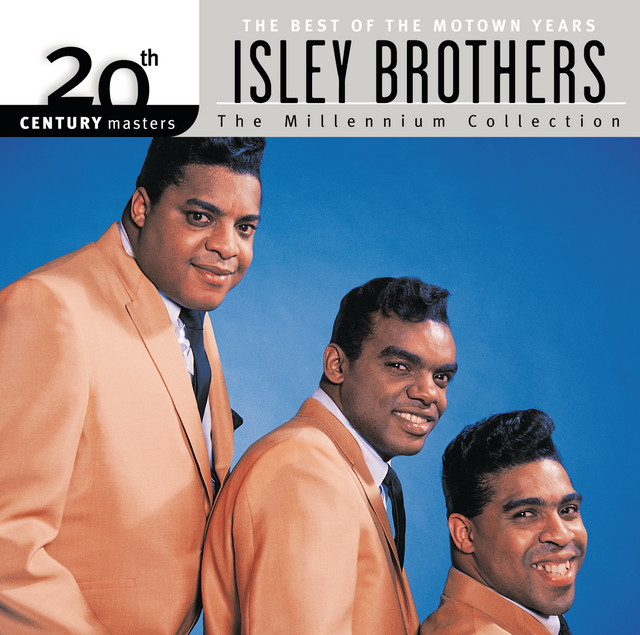
20th Century Masters: The Millennium Collection: Best of The Isley Brothers-The Motown Years
The Isley Brothers
Northern Soul
1977
4
/5
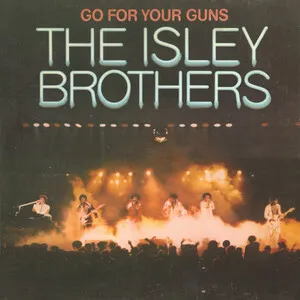
Go for Your Guns
The Isley Brothers
Funk
Funk Rock
Soul
1975
3
/5
The Heat Is On
The Isley Brothers
Smooth Soul
Funk
Disco
1973
3
/5
3 + 3
The Isley Brothers
Psychedelic Soul
Progressive Soul
Funk
1972
3
/5
Brother, Brother, Brother
The Isley Brothers
Psychedelic Soul
Funk
Soul
1967
2
/5
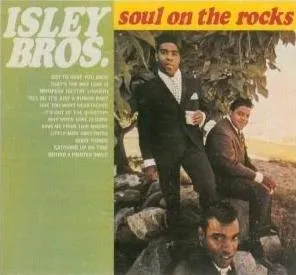
Soul on the Rocks
The Isley Brothers
Motown
1966
3
/5
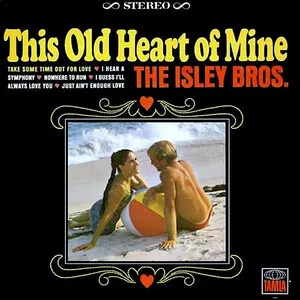
This Old Heart of Mine
The Isley Brothers
Motown
Soul
1963
2
/5
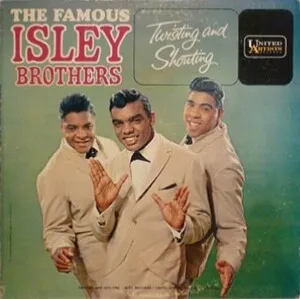
Twisting and Shouting
The Famous Isley Brothers
Twist
R&b
1962
1
/5
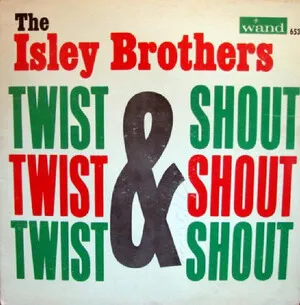
Twist & Shout!
The Isley Brothers
Twist
Jazz
Pop
Similar artists
1
/5
Various Artists
Afro-Funk
Alternative Rock
Ambient
4
/5
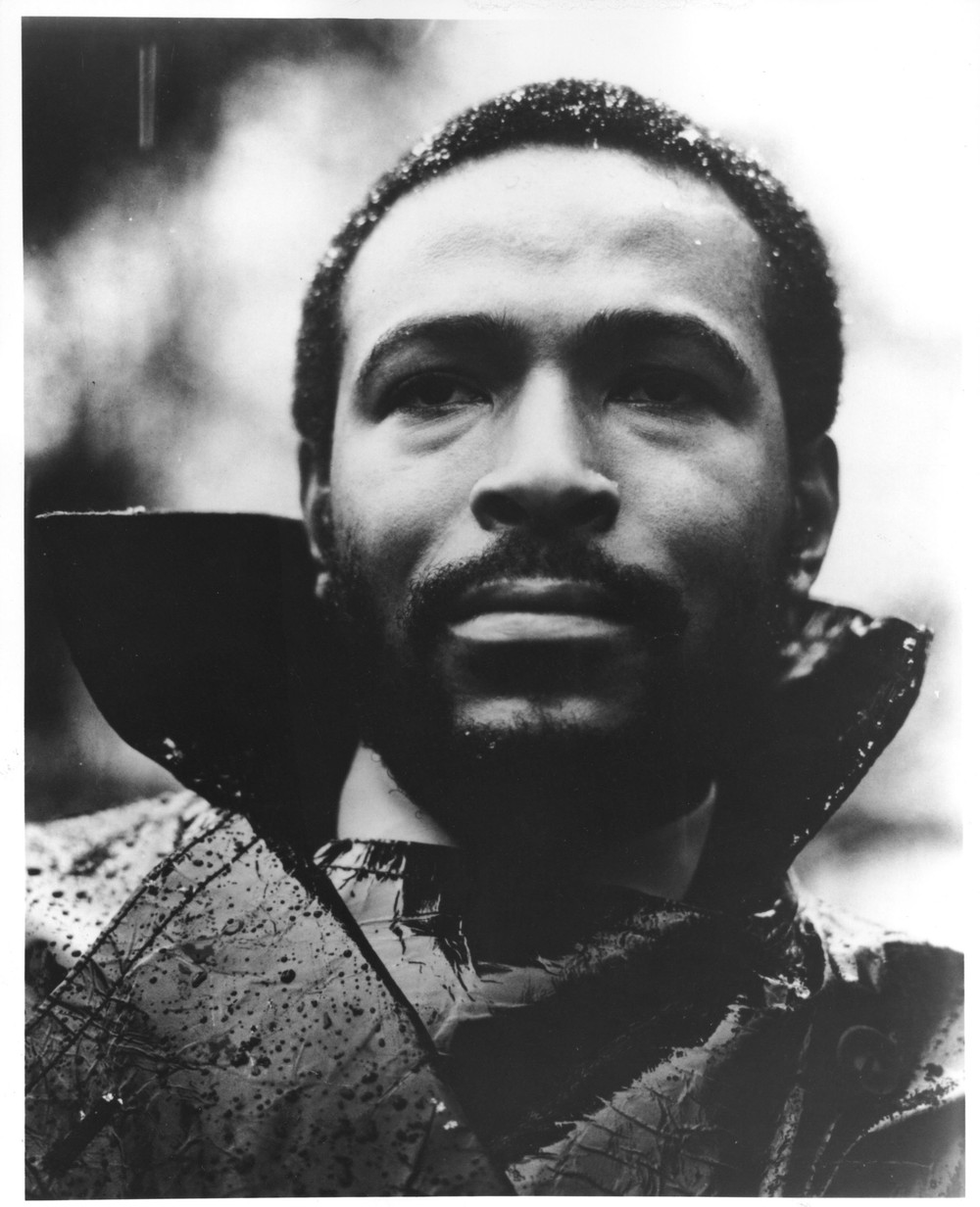
Marvin Gaye
Motown
Soul
Northern Soul
3
/5
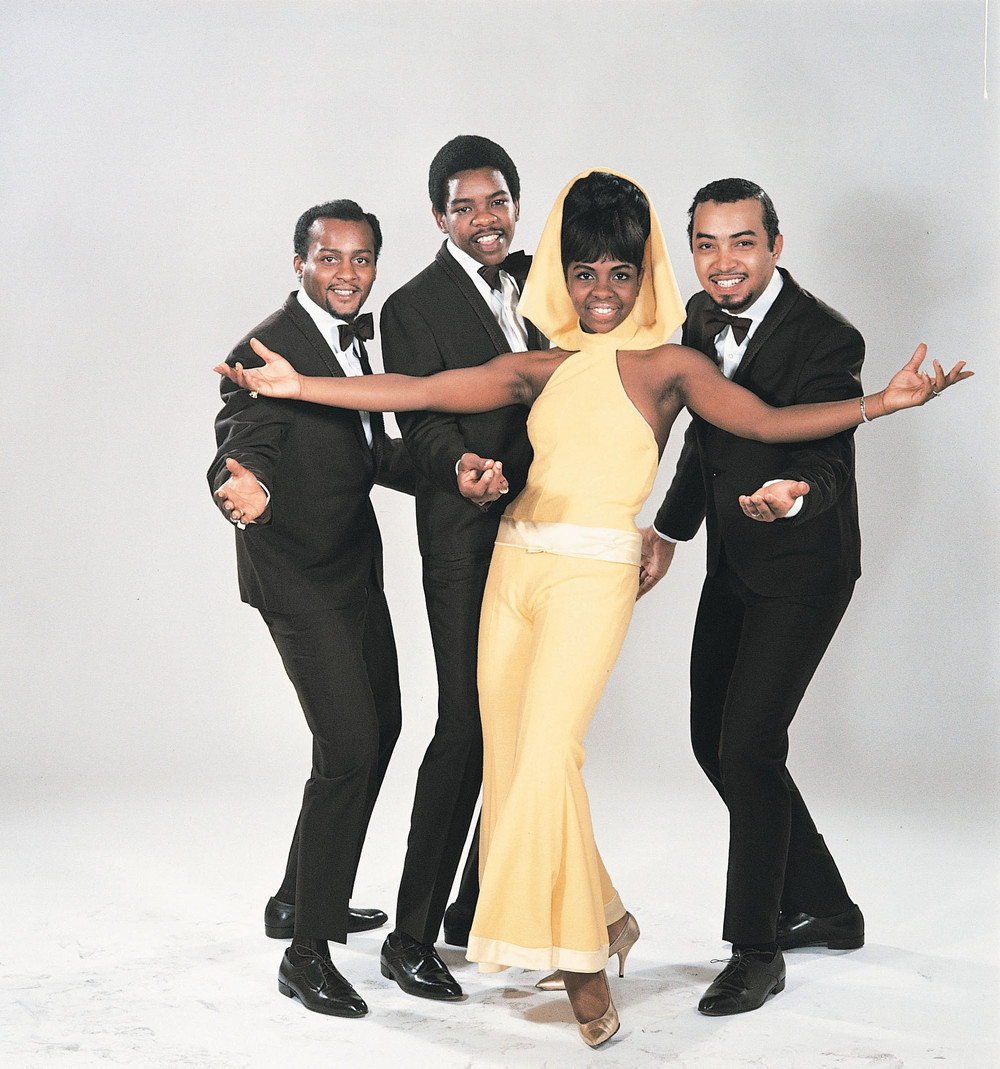
Gladys Knight & The Pips
Motown
Soul
Classic Soul
4
/5
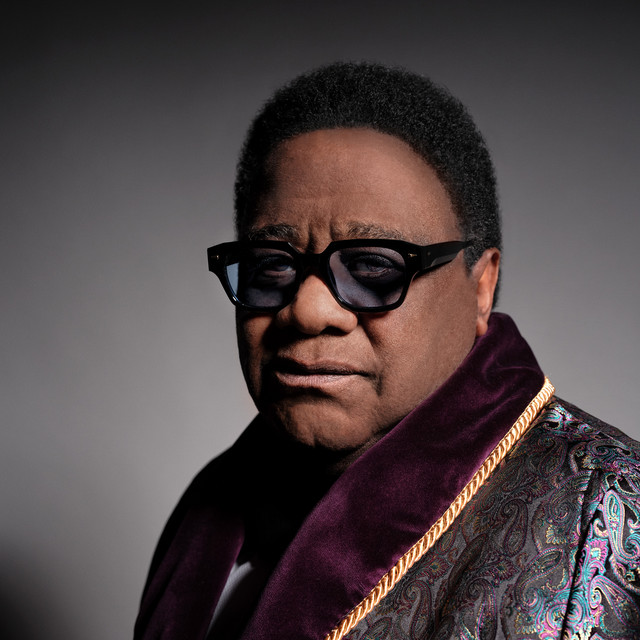
Al Green
Southern Soul
Soul
Classic Soul
4
/5
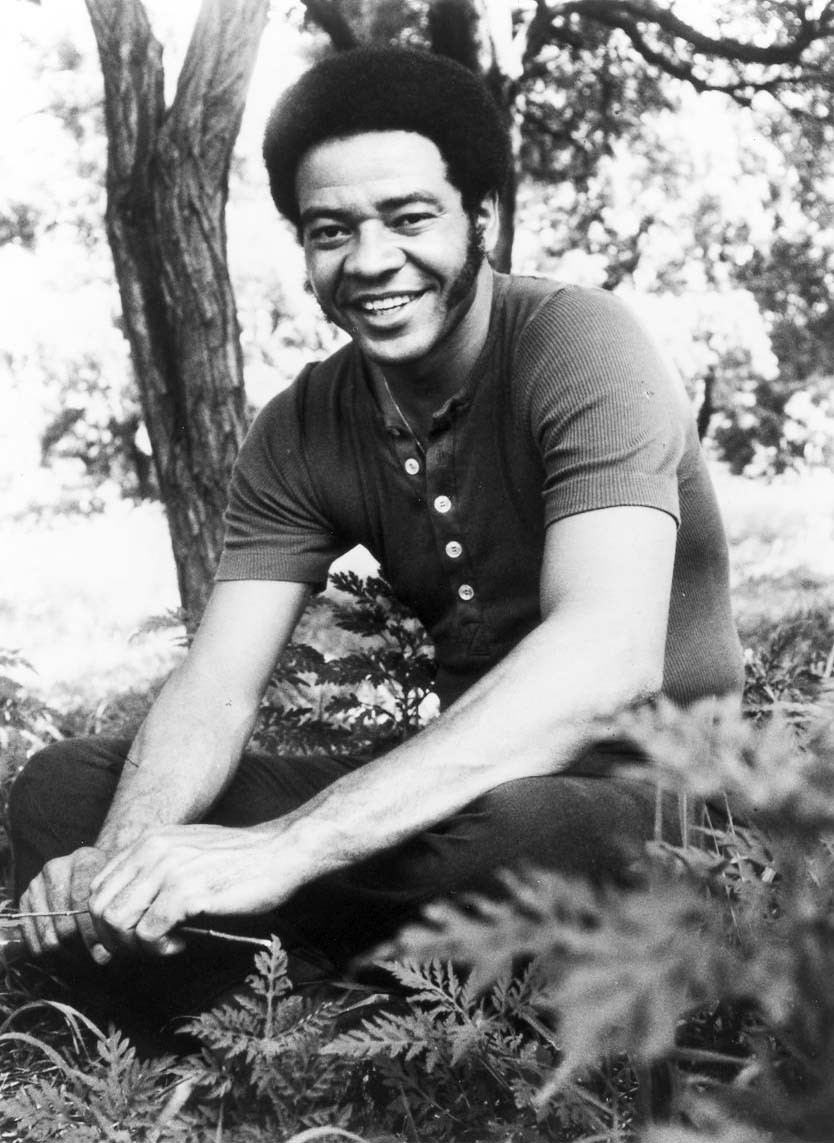
Bill Withers
Soul
Classic Soul
Motown
3
/5
The Impressions
Chicago Soul
Classic Soul
Doo-Wop
4
/5
Stevie Wonder
Soul
Funk
Motown
4
/5
Earth, Wind & Fire
Disco
Funk
Soul
4
/5
Curtis Mayfield
Chicago Soul
Soul
Funk
4
/5
Kool & The Gang
Disco
Funk
Motown
Download our mobile app
Get the Melodigging app and start digging for new genres on the go
Download on the App Store
Get it on Google Play
© 2026 Melodigging
Give feedback
Legal
Melodding was created as a tribute to
Every Noise at Once
, which inspired us to help curious minds keep digging into music's ever-evolving genres.