Genres
Artists
Albums
Make Music
Sign in
Sign in
Artists
Funk
Artists
Funk
Prince
1978–2025
·
55 albums
Listen
4
/5
Genres
Chill Pop
Chill pop is a contemporary pop micro‑genre that blends radio‑friendly songwriting with the mellow textures of chillout and lo‑fi aesthetics. It favors soft vocals, smooth synths, clean guitar plucks, understated bass, and relaxed, mid‑tempo grooves. Instead of big, bombastic hooks, chill pop tends toward intimate, conversational melodies and minimal, airy arrangements. Production often borrows from bedroom pop and alternative R&B—subtle trap hi‑hats, warm saturation, roomy reverbs, and gentle side‑chain compression—to create a breezy, pastel sound palette well suited to playlists and late‑night listening. Lyrically, chill pop is introspective and relatable: romance, longing, gentle optimism, and coming‑of‑age themes delivered in a plain‑spoken, whisper‑close tone. The result sits between indie pop’s understated cool and mainstream pop’s catchy structures, optimized for the streaming era’s mood‑driven consumption.
Discover
Listen
Deep Smooth R&b
Deep smooth R&B is a mellow, slow-burning branch of contemporary R&B that foregrounds velvety vocals, subdued grooves, and luxurious, jazz-tinged harmony. It favors space over spectacle: understated drum programming, warm Rhodes or synth pads, softly plucked neo‑soul guitar, and round 808 subs create a candle‑lit, late‑night atmosphere. Stylistically it sits at the intersection of quiet storm balladry, 1990s/2000s contemporary R&B, and neo‑soul, filtered through modern minimalist production aesthetics. Lyrics often center on intimacy, vulnerability, and reflective romance, delivered with breathy, close‑mic nuance and layered harmonies. Typical tempos live in a relaxed 60–85 BPM range, frequently in half‑time, with extended chords (maj7, min9, add9, 11ths/13ths) and gentle modal colorings.
Discover
Listen
Indian Indie
Indian indie is the umbrella for independent, non-film music made in India across languages such as Hindi, English, and numerous regional tongues. It is defined more by its DIY production and artist-led release model than by a single sound. Musically, it spans indie pop and rock, folk-fusion, singer‑songwriter ballads, dream‑pop/shoegaze textures, and electronic‑leaning productions. Artists often blend Western harmony and song forms with raga‑tinged melodies, Indian rhythmic feels, and occasional use of traditional instruments like tabla, bansuri, or sitar. The scene grew rapidly with college festivals, small venues, and digital platforms (YouTube, streaming services, Bandcamp), plus boutique labels and festivals such as NH7 Weekender that created national visibility. Lyrically, it tends to be intimate and contemporary—touching on romance, urban life, identity, and nostalgia—while maintaining accessible hooks and warm, organic sonics.
Discover
Listen
Indie Pop Rap
Indie pop rap blends the melodic hooks and DIY aesthetic of indie pop with conversational, often introspective rap delivery. The production favors warm, guitar- or synth-led beats, understated drums, and lo‑fi textures over bombastic trap maximalism. Lyrically, it leans personal and relatable—relationships, coming of age, mental health, and day-to-day vignettes—delivered in a half-sung, half-rapped style. The sound was shaped by bedroom producers and the streaming era, where low-stakes, catchy songs with intimate vocals thrive on playlists and social media.
Discover
Listen
Nyc Pop
NYC pop is a contemporary, hook-forward strain of alternative pop centered on artists living and working in New York City. It blends the sheen of electropop and dance-pop with the songwriting sensibilities of indie pop and indie rock, often pairing bright synths, rhythmic guitars, and punchy drums with large, chantable choruses. Lyrically, it frequently references urban life, ambition, relationships, and self-discovery, capturing the speed, romance, and pressure-cooker energy of the city. Production is glossy but retains an indie edge: live instruments sit beside modern electronic textures, with crisp vocal stacking and ear-catching toplines designed for both radio and festival stages.
Discover
Listen
Thall
Thall is a hyper-percussive, ultra–low-tuned offshoot of djent and progressive metal popularized by Sweden’s Vildhjarta. The style emphasizes tightly gated, staccato down‑picking; dissonant chord voicings; and lurching, polymetric grooves that drop into sudden rests and accents. Characteristic techniques include rapid release bends, stark contrasts between pitch‑shifted highs and subterranean lows, and the use of lush, reverb‑heavy ambient interludes to heighten tension and reset the ear before the next rhythmic assault. The result is a sound that feels both mechanical and cinematic—aggressive yet spacious.
Discover
Listen
Neo Soul
Neo soul is a back-to-the-roots subgenre of soul and contemporary R&B that emerged in the mid-to-late 1990s. The term was popularized by executive Kedar Massenburg to describe artists who revived classic soul values while embracing modern production aesthetics. Musically, neo soul blends the warmth of 1960s–70s soul with the rhythmic sensibility of hip hop, plus colors from jazz fusion, funk, and rock. Compared with mainstream contemporary R&B, it typically features more organic instrumentation (Rhodes/Wurlitzer, live bass and drums), harmonically richer progressions, and a laid‑back, behind‑the‑beat groove. Lyrically it tends toward introspective, socially conscious, and spiritual themes, often delivered with jazz-informed phrasing, melisma, and layered background vocals. The overall sound emphasizes authenticity, groove, and an intimate, analog-friendly ambiance.
Discover
Listen
Minneapolis Sound
The Minneapolis sound is a lean, synth-forward fusion of funk, rock, R&B, and new wave that emerged from Minneapolis in the late 1970s and broke through in the early 1980s. It is defined by punchy drum-machine grooves (famously the Linn LM-1), bright rhythm guitars, prominent synth bass replacing traditional horn sections, and minimal yet hook-heavy arrangements. Vocals often feature stacked harmonies and call-and-response, while lyrics tend toward sensual, playful, and streetwise themes with occasional social commentary. The style was pioneered by Prince and a close circle of collaborators, and it reshaped mainstream pop and contemporary R&B production for decades.
Discover
Listen
Synth Funk
Synth funk is a strand of funk and post‑disco that foregrounds electronic instruments—particularly analog and early digital synthesizers, drum machines, and effects—while retaining funk’s syncopated groove and R&B songcraft. Typically driven by LinnDrum or TR‑808 patterns, rubbery synth bass lines, clipped rhythm guitar, bright stabs, and talkbox/vocoder leads, synth funk balances dance‑floor propulsion with sleek, radio‑ready hooks. It often uses extended seventh and ninth chords, call‑and‑response vocals, and glossy production associated with the early to mid‑1980s. The style is closely linked to the Minneapolis sound and overlaps with boogie and post‑disco, but it is generally more synth‑forward and machine‑tight than 1970s band‑centered funk. Its influence echoes through new jack swing, G‑funk, and modern retro‑leaning pop and electronic forms.
Discover
Listen
Dance-Pop
Dance-pop is a mainstream-oriented pop style built for both radio and the dancefloor. It blends hook-driven songwriting with club-ready rhythms, typically using a steady four-on-the-floor kick, bright synthesizers, and punchy, polished production. Tempos usually sit in the 110–128 BPM range, and arrangements emphasize memorable choruses, clear verses and pre-choruses, and concise structures suitable for radio edits. Compared with club genres like house or techno, dance-pop prioritizes song form, vocal presence, and accessible harmonies, while still retaining an energetic groove. The sound palette often includes layered synths, sampled or electronic drums, tight bass lines, ear-catching toplines, and modern production techniques such as sidechain compression and stacked vocal harmonies.
Discover
Listen
New Jack Swing
New jack swing is a late‑1980s fusion of contemporary R&B vocal harmony and melodies with hip‑hop’s drum programming, sampling aesthetics, and street attitude. It is defined by swung, hard‑hitting drum‑machine grooves (often with gated snares), bright synth stabs and bass, and a slick, dance‑oriented production style. Producers and vocal groups combined rap verses or talk‑style ad‑libs with smooth, hook‑forward choruses, making the sound equally suited for radio and choreography‑heavy performances. The style dominated U.S. pop and R&B charts from the late 1980s into the early 1990s, influencing mainstream pop as well as the first waves of K‑pop and shaping the trajectory of 1990s contemporary R&B.
Discover
Listen
Contemporary R&b
Contemporary R&B is a popular music genre that evolved from rhythm and blues and soul in the late 1970s, largely among African‑American musicians. It blends traditional R&B vocal stylings with elements of pop, funk, hip hop, and electronic music. The style is marked by soulful, passionate and often melismatic lead vocals; lush, smooth, frequently synthesized production; and a groove-first sensibility that can range from slow jams to club‑ready mid‑tempos. Since the 2010s, the incorporation of pop and electronic textures and production techniques has driven strands like electro‑R&B and helped expand the sound on global charts.
Discover
Listen
Disco
Disco is a dance-music genre and nightlife subculture that crystallized in the United States during the 1970s, drawing especially from African-American, Italian-American, Latino, and queer club communities. Musically, disco is typified by a steady four-on-the-floor kick drum, syncopated and melodic electric-bass lines, lush string sections, bright brass and horns, electric pianos and synthesizers, and percussive, choppy rhythm guitars. Arrangements often feature orchestral colors, handclaps, congas, and vibraphone or bell textures, all engineered to deliver a continuous, groove-forward experience for the dance floor. The style combines the rich orchestration and romantic sweep of Philadelphia soul with the bottom-end drive of funk and the songcraft of contemporary R&B/pop, delivered in DJ-friendly extended mixes and 12-inch singles designed for club play.
Discover
Listen
New Wave
New wave is a broad, pop-oriented umbrella for styles that emerged in the mid-to-late 1970s as a sleeker, more melodic outgrowth of punk culture. Initially, the term varied by region: in the United States it was first used by critics and labels (famously Sire Records’ “Don’t Call It Punk” campaign in 1977) to rebrand punk-associated artists with more radio-friendly aesthetics; in the United Kingdom it encompassed a wider constellation of fresh, stylish post-punk-era sounds. Over time, “new wave” became a catch‑all for hooky guitar pop, synth-driven songs, danceable rhythms, and modernist production sensibilities. Sonically, it blends tight, upbeat rhythms (often disco- and reggae-informed), clean chorus/flanger guitars, prominent synthesizers, and concise, hook-led songwriting. Its visual identity—sharp suits, futurist imagery, and fashion-forward presentation—was integral, aligning with the rise of music television and emphasizing art-school wit, irony, and modern urban themes.
Discover
Listen
Funk
Funk is a rhythm-forward African American popular music style that centers on groove, syncopation, and interlocking parts. Rather than emphasizing complex chord progressions, funk builds tight, repetitive vamps that highlight the rhythm section and create an irresistible dance feel. The genre is marked by syncopated drum patterns, melodic yet percussive bass lines, choppy guitar "chanks," punchy horn stabs, call‑and‑response vocals, and a strong backbeat. Funk’s stripped-down harmony, prominent use of the one (accenting the downbeat), and polyrhythmic layering draw deeply from soul, rhythm and blues, jazz, gospel, and African rhythmic traditions. From James Brown’s late-1960s innovations through the expansive P-Funk universe and the slicker sounds of the 1970s and 1980s, funk has continually evolved while seeding countless other genres, from disco and hip hop to house and modern R&B.
Discover
Listen
Funk Rock
Funk rock is a hybrid style that fuses the syncopated grooves, percussive rhythm guitar, and deep pocket of funk with the distorted riffs, power, and song forms of rock. Typical tracks feature tight, 16th‑note rhythmic interplay between bass, drums, and rhythm guitar, while lead guitars and vocals deliver rock’s edge and attitude. The harmony often stays close to dominant 7th (Mixolydian) colors and blues vocabulary, keeping the groove front and center. The style ranges from psychedelic and P‑Funk‑inflected experiments of the late 1960s and 1970s to the punchy alternative and crossover sounds of the 1980s and 1990s, and it continues to inform dance‑oriented rock and genre‑blending bands today.
Discover
Listen
Pop Rock
Pop rock blends the hook-focused immediacy of pop with the instrumentation and drive of rock. It prioritizes catchy melodies, concise song structures, and polished production while retaining guitars, bass, and drums as core elements. Typical pop rock tracks use verse–pre-chorus–chorus forms, strong vocal harmonies, and memorable riffs. The sound ranges from jangly and bright to mildly overdriven and arena-ready, aiming for radio-friendly appeal without abandoning rock’s rhythmic punch.
Discover
Listen
Pop
Pop is a broad, hook-driven style of popular music designed for wide appeal. It emphasizes memorable melodies, concise song structures, polished vocals, and production intended for radio, charts, and mass media. While pop continually absorbs elements from other styles, its core remains singable choruses, accessible harmonies, and rhythmic clarity. Typical forms include verse–pre-chorus–chorus, frequent use of bridges and middle-eights, and ear-catching intros and outros. Pop is not defined by a single instrumentation. It flexibly incorporates acoustic and electric instruments, drum machines, synthesizers, and increasingly digital production techniques, always in service of the song and the hook.
Discover
Listen
Rock
Rock is a broad family of popular music centered on amplified instruments, a strong backbeat, and song forms that foreground riffs, choruses, and anthemic hooks. Emerging from mid‑20th‑century American styles like rhythm & blues, country, and gospel-inflected rock and roll, rock quickly expanded in scope—absorbing folk, blues, and psychedelic ideas—while shaping global youth culture. Core sonic markers include electric guitar (often overdriven), electric bass, drum kit emphasizing beats 2 and 4, and emotive lead vocals. Rock songs commonly use verse–chorus structures, blues-derived harmony, and memorable melodic motifs, ranging from intimate ballads to high‑energy, stadium‑sized performances.
Discover
Listen
Soul
Soul is a genre of popular music that blends the spiritual fervor and vocal techniques of African‑American gospel with the grooves and song forms of rhythm & blues and the harmonic palette of jazz and blues. It is defined by impassioned, melismatic lead vocals; call‑and‑response with backing singers; handclaps and a strong backbeat; syncopated bass lines; and memorable horn or string riffs. Typical instrumentation includes drum kit, electric bass, electric guitar, piano or Hammond organ, horns (trumpet, saxophone, trombone), and sometimes orchestral strings. Lyrically, soul ranges from love and heartbreak to pride, social commentary, and spiritual yearning. Regionally distinct scenes—such as Detroit’s Motown, Memphis/Stax, Muscle Shoals, Chicago, New Orleans, and Philadelphia—shaped different flavors of soul, while the style’s emotional directness and rhythmic drive made it a cornerstone of later funk, disco, contemporary R&B, and hip hop.
Discover
Listen
R&b
R&B (Rhythm and Blues) is a vocal- and groove-centered popular music tradition that blends blues tonality, jazz harmony, and gospel-inflected singing with a steady backbeat. It emphasizes expressive lead vocals, call-and-response, lush harmonies, and danceable rhythms. From its 1940s roots in African American communities to its later evolutions, R&B has continually absorbed and reshaped surrounding sounds—from jump blues and swing in the early days to soul, funk, hip hop, and electronic production in the contemporary era. Today, R&B ranges from intimate, slow-burning ballads to club-ready tracks, all tied together by a focus on feel, melody, and vocal performance.
Discover
Listen
Jazz
Jazz is an improvisation-centered music tradition that emerged from African American communities in the early 20th century. It blends blues feeling, ragtime syncopation, European harmonic practice, and brass band instrumentation into a flexible, conversational art. Defining features include swing rhythm (a triplet-based pulse), call-and-response phrasing, blue notes, and extended harmonies built on 7ths, 9ths, 11ths, and 13ths. Jazz is as much a way of making music—spontaneous interaction, variation, and personal sound—as it is a set of forms and tunes. Across its history, jazz has continually hybridized, from New Orleans ensembles and big-band swing to bebop, cool and hard bop, modal and free jazz, fusion, and contemporary cross-genre experiments. Its influence permeates global popular and art music.
Discover
Listen
Electronic
Electronic is a broad umbrella genre defined by the primary use of electronically generated or electronically processed sound. It encompasses music made with synthesizers, drum machines, samplers, computers, and studio/tape techniques, as well as electroacoustic manipulation of recorded or synthetic sources. The genre ranges from academic and experimental traditions to popular and dance-oriented forms. While its sonic palette is rooted in electricity and circuitry, its aesthetics span minimal and textural explorations, structured song forms, and beat-driven club permutations. Electronic emphasizes sound design, timbre, and studio-as-instrument practices as much as melody and harmony.
Discover
Listen
Blues
Blues is an African American musical tradition defined by expressive "blue notes," call-and-response phrasing, and a characteristic use of dominant-seventh harmony in cyclical song forms (most famously the 12‑bar blues). It is as much a feeling as a form, conveying sorrow, resilience, humor, and hard-won joy. Musically, blues commonly employs the I–IV–V progression, swung or shuffled rhythms, and the AAB lyric stanza. Melodies lean on the minor/major third ambiguity and the flattened fifth and seventh degrees. Core instruments include voice, guitar (acoustic or electric), harmonica, piano, bass, and drums, with slide guitar, bends, and vocal melismas as signature techniques. Over time the blues has diversified into regional and stylistic currents—Delta and Piedmont country blues, urban Chicago and Texas blues, West Coast jump and boogie-woogie—while profoundly shaping jazz, rhythm & blues, rock and roll, soul, funk, and much of modern popular music.
Discover
Listen
Show all 24 genres
Albums
2025
2
/5
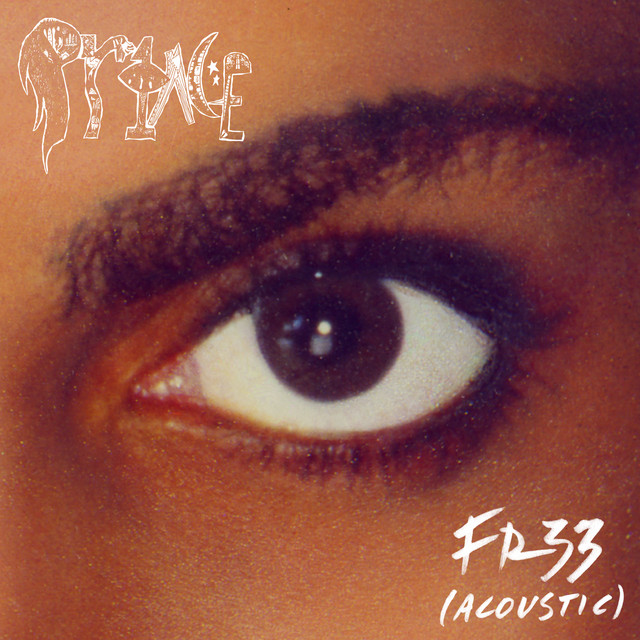
Free (Acoustic Version)
Prince
Synth Funk
Minneapolis Sound
2024
3
/5
Musica de los 80
Prince
Synth Funk
Minneapolis Sound
Funk Rock
2024
2
/5
Silver Tongue
Prince
Minneapolis Sound
Synth Funk
2024
2
/5
United States Of Division
Prince
Minneapolis Sound
Synth Funk
2021
Welcome 2 America
Prince
Funk
Pop
Rock
2019
3
/5
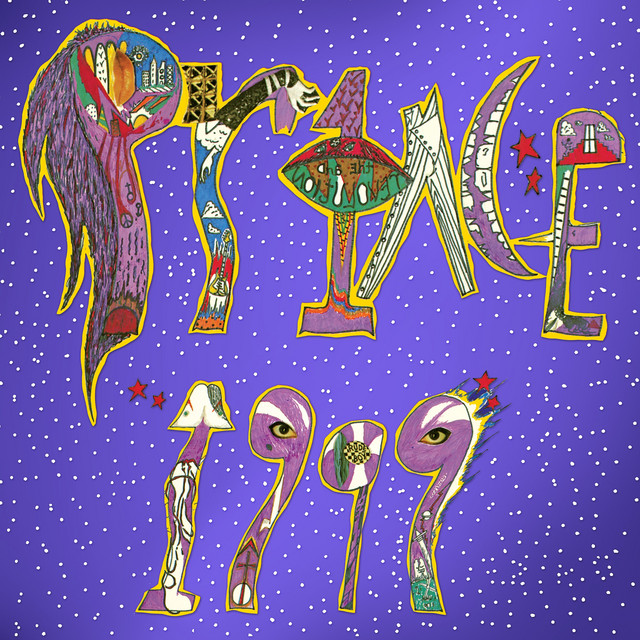
1999
Prince
Minneapolis Sound
Funk
R&b
2019
The VERSACE Experience: Prelude 2 Gold
Prince
Electronic
Pop
R&b
2018
3
/5
Nothing Compares 2 U
Prince
Synth Funk
Minneapolis Sound
Funk Rock
2015
HITnRUN Phase Two
Prince
Contemporary R&b
Electronic
Funk
2015
HITnRUN Phase One
Prince
Funk
Pop
2014
PLECTRUMELECTRUM
Prince & 3RDEYEGIRL
Contemporary R&b
Funk
Neo Soul
2014
Art Official Age
Prince
Funk
R&b
Soul
2011
The Cookhouse Five
94 East featuring Prince
Neo Soul
2010
2
/5
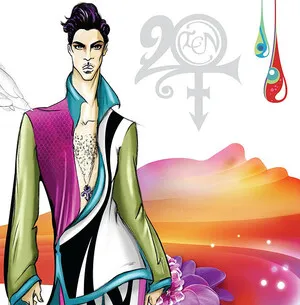
20Ten
Prince
Minneapolis Sound
Electronic
Funk
2009
2
/5
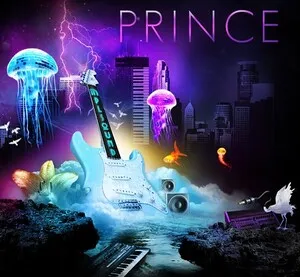
MPLSOUND
Prince
Minneapolis Sound
Contemporary R&b
Funk
2007
Planet Earth
Prince
Funk
Pop
Soul
2006
3121
Prince
Contemporary R&b
Funk
Soul
2004
Musicology
Prince
Contemporary R&b
Electronic
Soul
2004
The Slaughterhouse: Trax From the NPG Music Club, Volume 2
Prince
Funk
Pop
2004
Trax From the NPG Music Club, Volume One: The Chocolate Invasion
Prince
Contemporary R&b
Funk
Hip Hop
2003
N.E.W.S.
Prince
Jazz
2003
Xpectation
Prince
Contemporary Jazz
Funk
Jazz
2002
One Nite Alone…
Prince
Blues
Contemporary R&b
Soul
2001
The Rainbow Children
Prince
Funk
Jazz
Minneapolis Sound
1999
Rave Un2 the Joy Fantastic
Prince
Contemporary R&b
Disco
Funk
1999
The Vault… Old Friends 4 Sale
Prince
Contemporary R&b
Jazz-Funk
Soul
1998
Crystal Ball
Prince
Contemporary R&b
Funk
Pop Rock
1997
The Truth
Prince
Blues
Pop
Rock
1996
Emancipation
Prince
Contemporary R&b
Electronic
R&b
1996
Chaos and Disorder
Prince
Electronic
R&b
Soul
1996
Girl 6
Prince
Electro
Electronic
Pop
1995
3
/5
The Gold Experience
O(+>
New Jack Swing
Contemporary R&b
Pop Rock
1995
Symbolic Beginning
94 East featuring Prince
Contemporary R&b
Dance-Pop
Disco
1994
2
/5
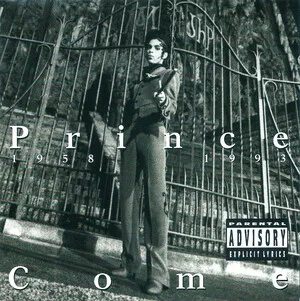
Come
Prince
New Jack Swing
Contemporary R&b
Electronic
1992
[Love Symbol]
Prince and The New Power Generation
Contemporary R&b
Funk
Pop
1991
3
/5
Diamonds and Pearls
Prince
Minneapolis Sound
Synth Funk
Contemporary R&b
1990
Graffiti Bridge
Prince
Dance-Pop
Funk
Pop
1989
3
/5
Batman
Prince
Minneapolis Sound
Synth Funk
Funk
1989
The Black Album
Prince
New Jack Swing
Dance-Rock
Funk
1988
Lovesexy
Prince
Contemporary R&b
Funk
Pop Rock
1987
3
/5
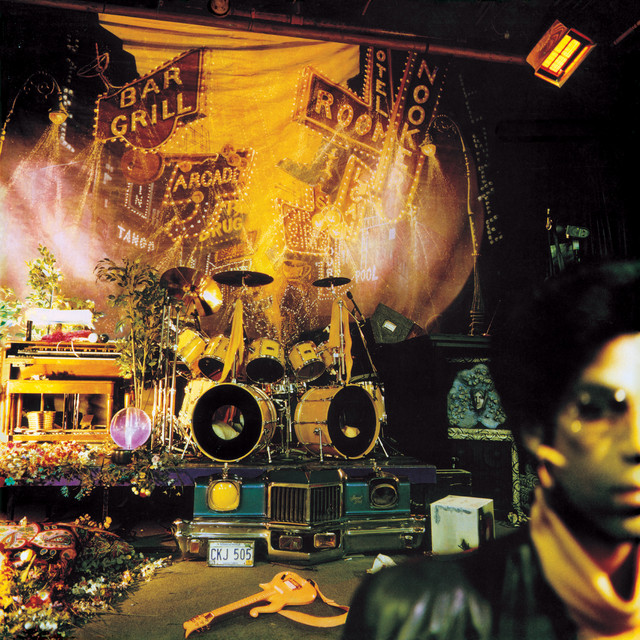
Sign "☮︎" the Times
Prince
Funk
Contemporary R&b
Pop Rock
1987
3
/5
Sign "☮︎" the Times
Prince
R&b
Minneapolis Sound
Synth Funk
1987
1
/5
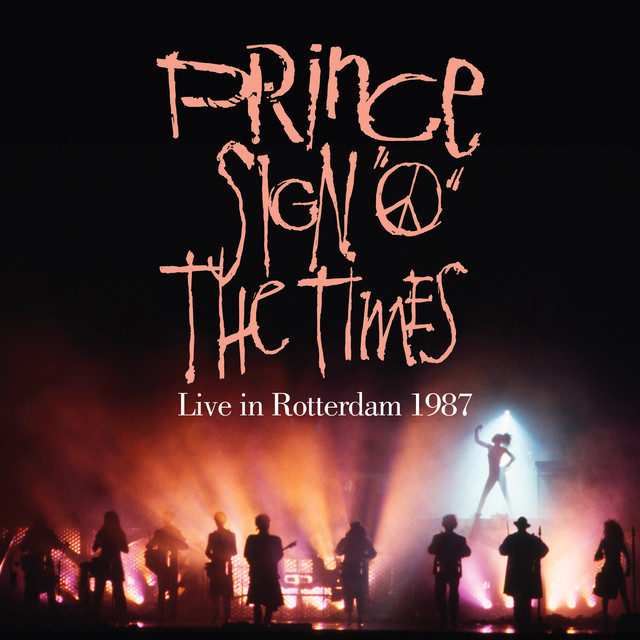
Sign O' The Times (Live in Rotterdam 1987)
Prince
Synth Funk
Minneapolis Sound
1986
4
/5
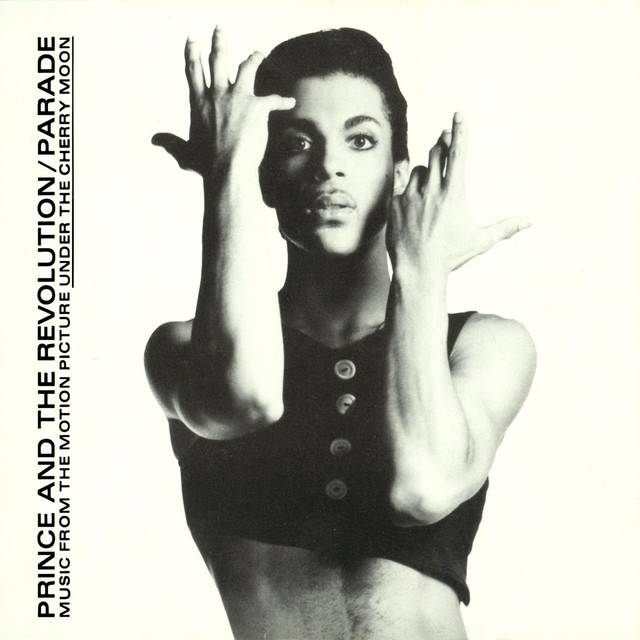
Parade - Music from the Motion Picture Under the Cherry Moon
Prince
Synth Funk
Minneapolis Sound
Contemporary R&b
1985
1
/5
Raspberry Beret / She's Always In My Hair
Prince
Minneapolis Sound
Synth Funk
Funk
1985
4
/5
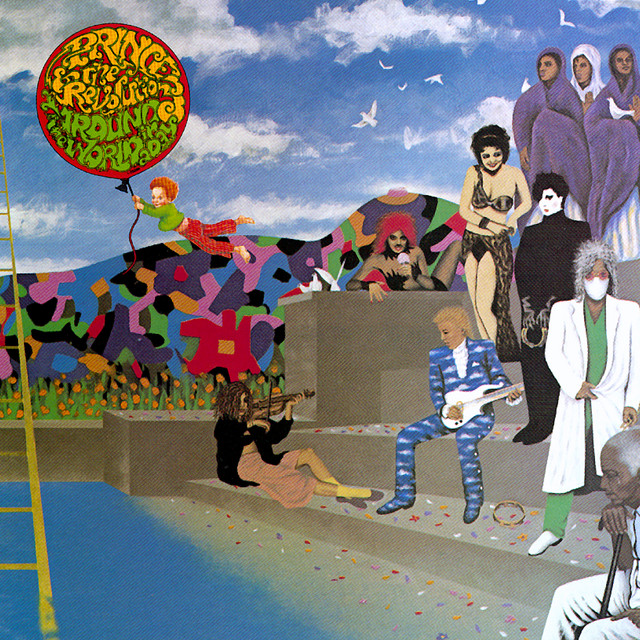
Around The World In A Day
Prince
Minneapolis Sound
Synth Funk
Funk
1985
4
/5
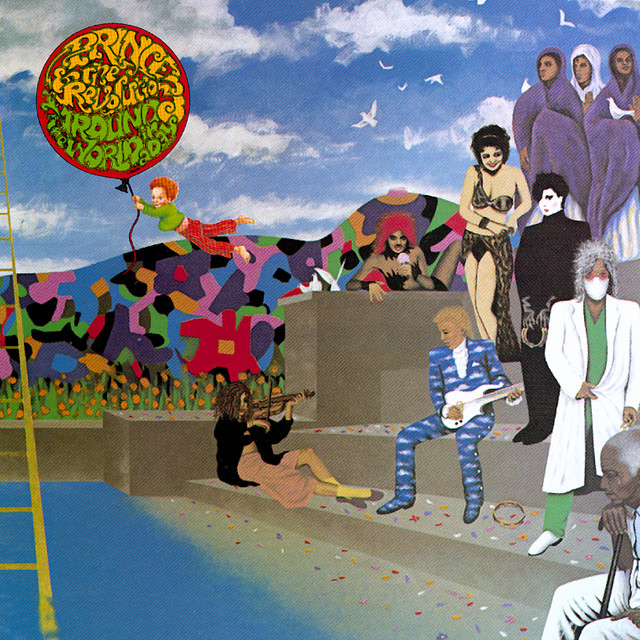
Around the World in a Day
Prince and The Revolution
Psychedelic Soul
Minneapolis Sound
Synth Funk
1984
5
/5
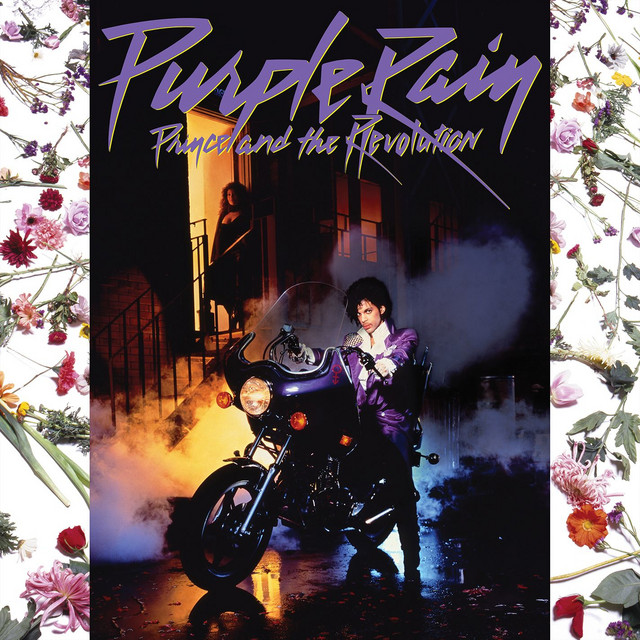
Purple Rain
Prince
Synth Funk
Funk Rock
Minneapolis Sound
1982
3
/5
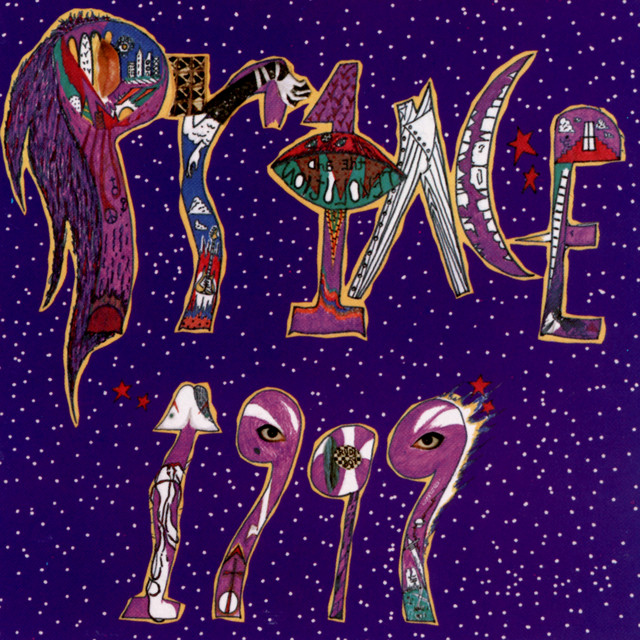
1999
Prince
Minneapolis Sound
Synth Funk
Funk
1982
3
/5
1999
Prince
Synth Funk
Minneapolis Sound
Funk
1981
3
/5
Controversy
Prince
Minneapolis Sound
Synth Funk
Funk
1980
3
/5
Dirty Mind
Prince
Minneapolis Sound
Synth Funk
Funk
1979
3
/5
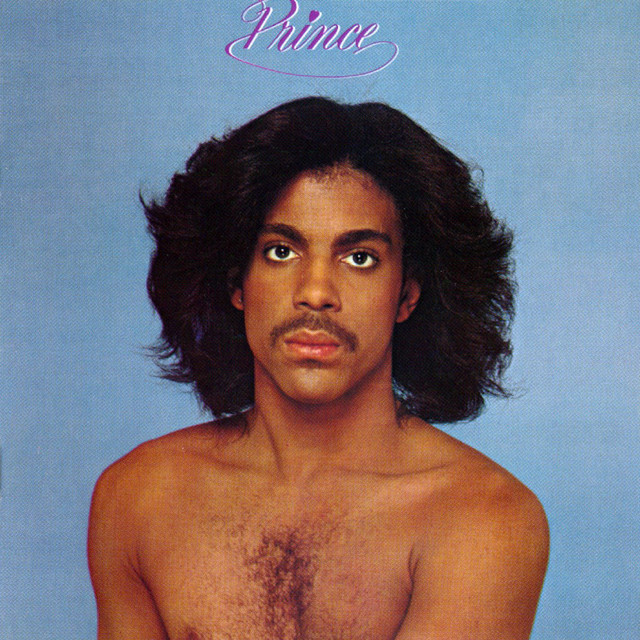
Prince
Prince
Minneapolis Sound
Synth Funk
Disco
1979
3
/5
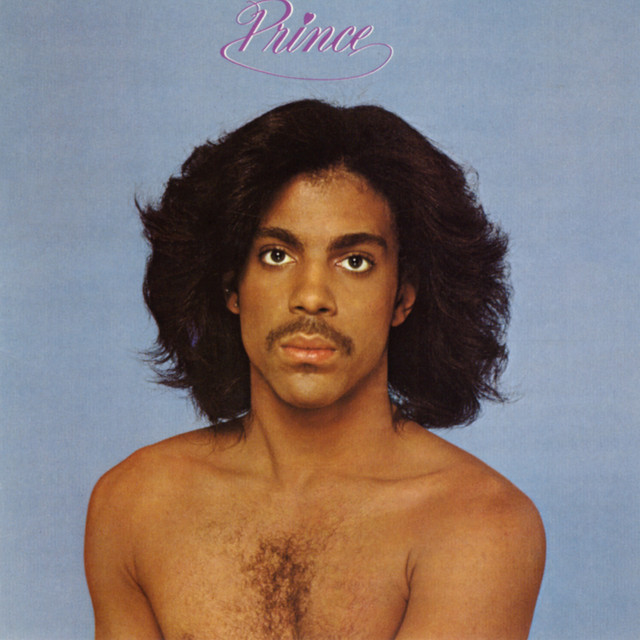
Prince
Prince
Minneapolis Sound
Synth Funk
Disco
1978
For You
Prince
Funk
Funk Rock
Pop
Similar artists
Revolution, The
Funk
Minneapolis Sound
Pop
3
/5
The New Power Generation
Quiet Storm
Contemporary R&b
Funk
1
/5
Various Artists
Afro-Funk
Alternative Rock
Ambient
4
/5
Janet Jackson
New Jack Swing
Pop
Contemporary R&b
3
/5
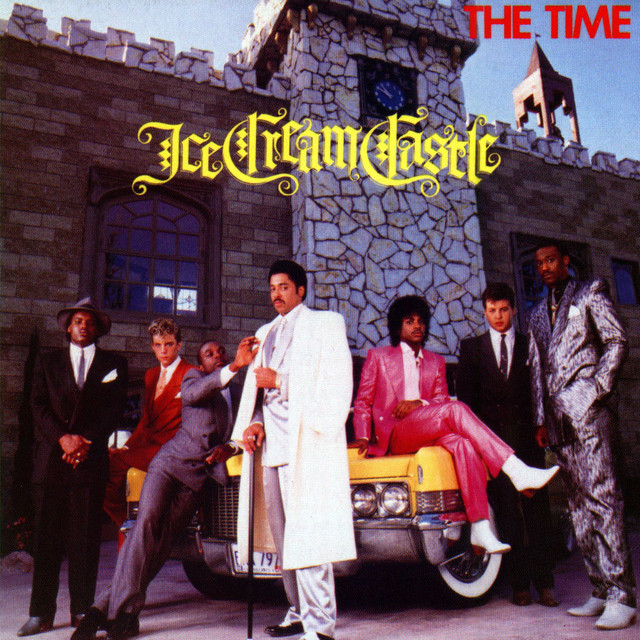
The Time
Funk
Post-Disco
Minneapolis Sound
3
/5
Alexander O'Neal
Minneapolis Sound
New Jack Swing
Soul
3
/5
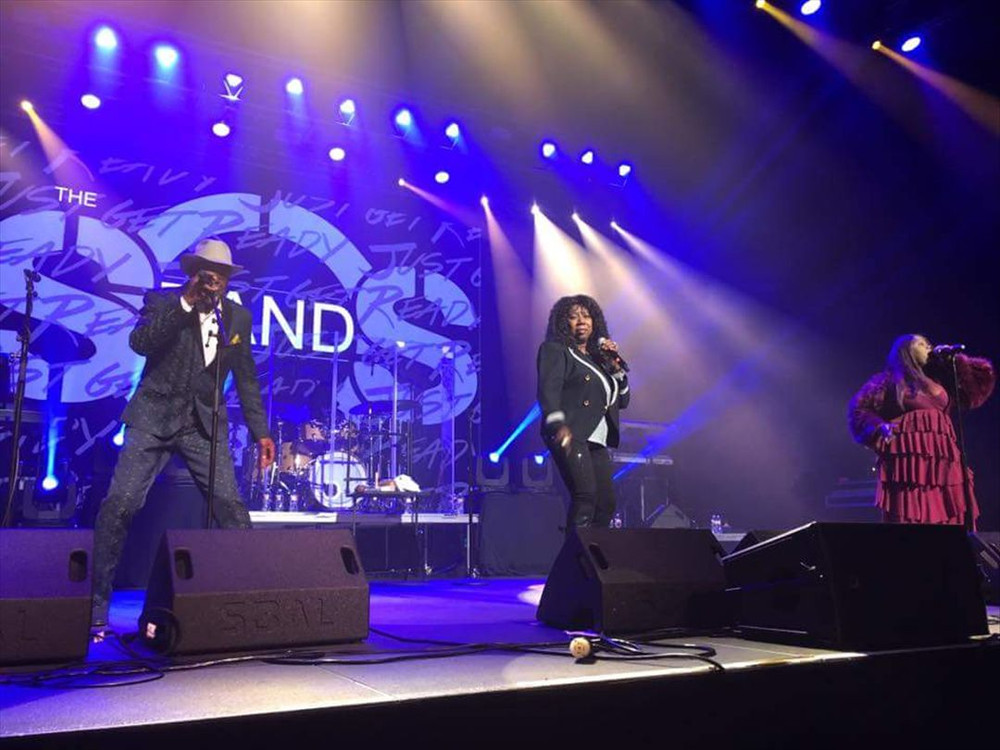
The S.O.S Band
Minneapolis Sound
Boogie
Funk
3
/5
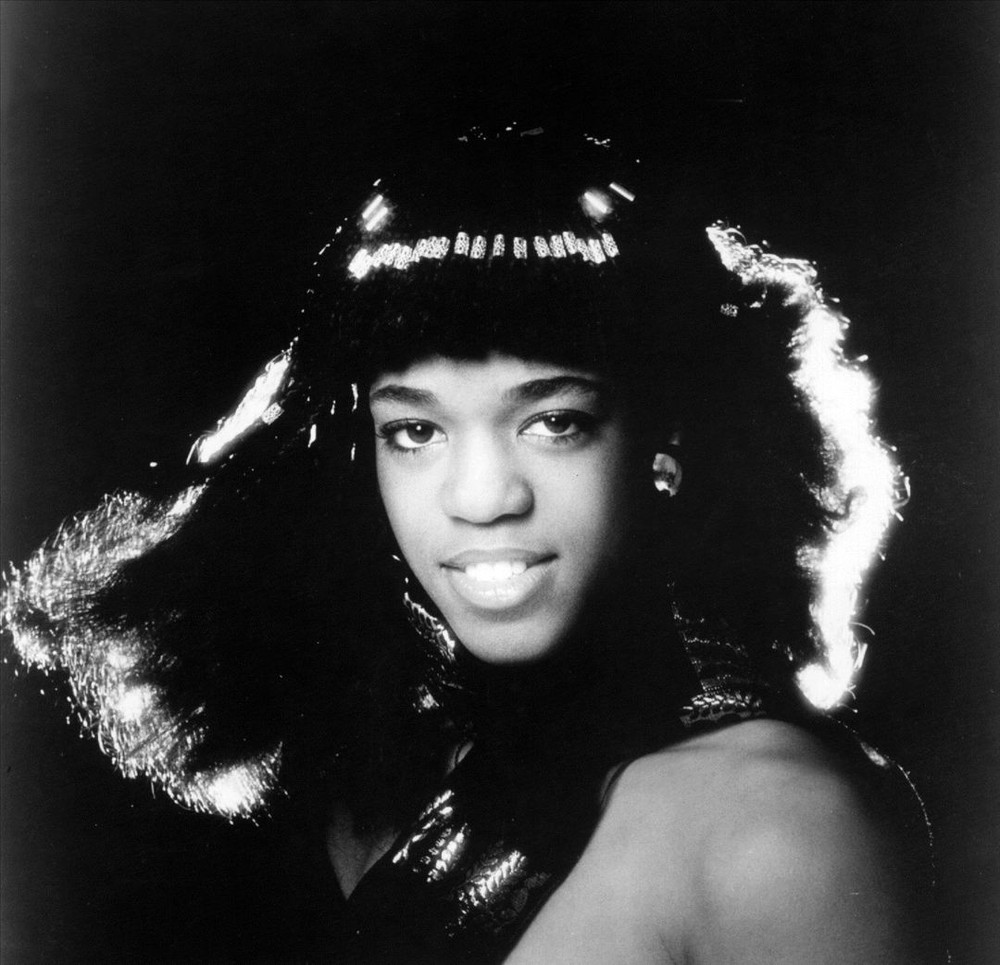
Evelyn "Champagne" King
Minneapolis Sound
Disco
Flint Sound
4
/5
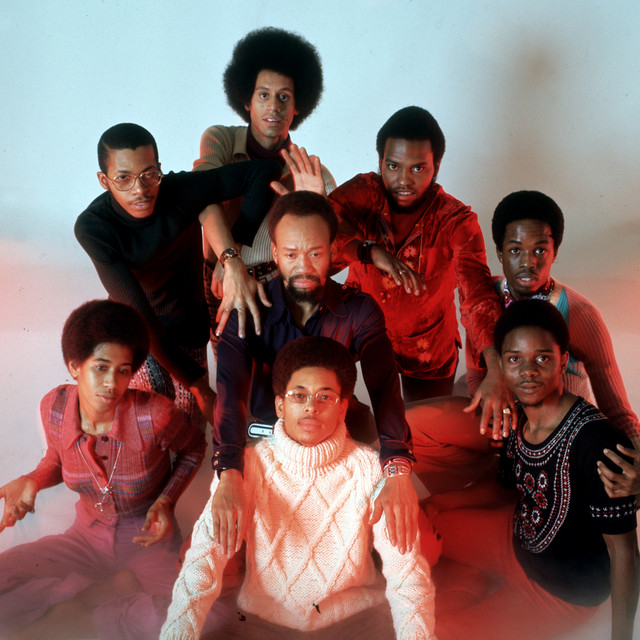
Earth, Wind & Fire
Disco
Funk
Soul
4
/5
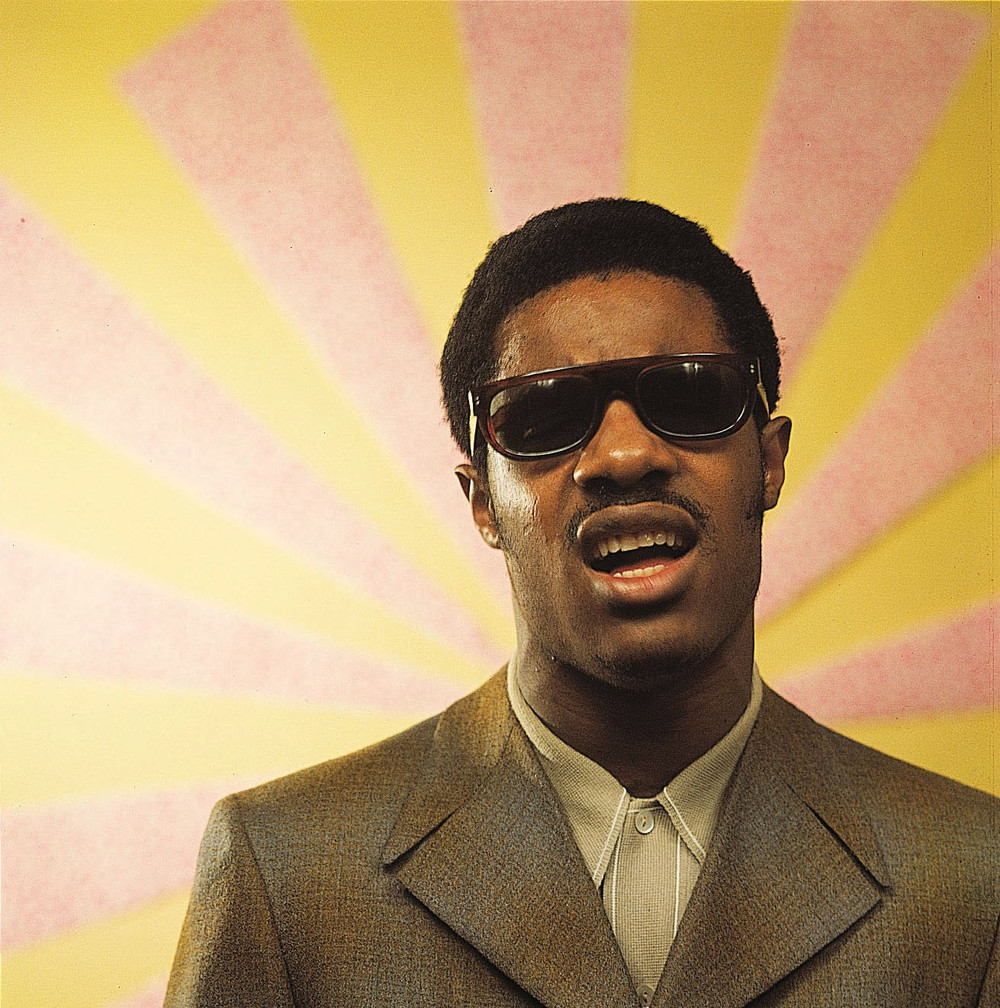
Stevie Wonder
Soul
Funk
Motown
Download our mobile app
Get the Melodigging app and start digging for new genres on the go
Download on the App Store
Get it on Google Play
© 2026 Melodigging
Give feedback
Legal
Melodding was created as a tribute to
Every Noise at Once
, which inspired us to help curious minds keep digging into music's ever-evolving genres.