Genres
Artists
Albums
Make Music
Sign in
Sign in
Artists
Furry
Artists
Furry
STOMACH BOOK
2021–2025
·
11 albums
Listen
4
/5
Genres
5th Wave Emo
5th wave emo is a 2020s, internet-native evolution of emo that fuses midwest emo’s twinkly guitars and confessional lyricism with hyperpop/digicore production tricks, glitchy sound design, and DIY bedroom aesthetics. It tends to juxtapose emotive guitars, punk-derived vocal intensity, and mathy accents with digital drums, breakcore fills, Auto-Tune, bitcrushed synths, and loud/soft jump cuts. The result feels both nostalgic and forward-looking—anxious, diaristic music that speaks to online adolescence, depersonalization, and identity in the algorithmic era.
Discover
Listen
Scenecore
Scenecore is a net-native microgenre that revives mid‑2000s “scene kid” aesthetics—neon hair, slasher/gore imagery, and MySpace-era melodrama—inside a 2020s hyperpop/digicore production framework. Sonically it blends sped‑up, pitch‑shifted “kawaii” vocals with harsh, clipping drums and distorted 808s, breakcore-like edits, trancey supersaws, and nintendocore/Video‑game timbres. Hooks are chantable and meme-ready, lyrics swing between confessional emo and tongue‑in‑cheek horror, and the entire presentation is designed for short‑form virality on TikTok, SoundCloud, and Discord-driven micro‑communities. The result is an aggressive, glossy, and maximal style that feels simultaneously nostalgic and ultra‑online: part nightcore rush, part screamo‑rap catharsis, part cyber‑club euphoria.
Discover
Listen
Digital Horror
Digital horror is a contemporary horror aesthetic that focuses on dread emerging from networked technologies, software, and always‑on media. Narratives and sound worlds revolve around screens, social platforms, livestreams, malware, deepfakes, and the uncanny presence of algorithmic systems. In music and sound design, the style translates this fear of the digital into glitching textures, corrupted audio artifacts, synthetic drones, and the weaponization of familiar interface sounds (alerts, keyboards, notification pings). It often blends dark ambient, industrial noise, and hauntological sampling to suggest threats that live inside code, clouds, and data centers—consistent with the wider definition that emphasizes anxiety and supernatural menace arising from the Internet and modern media.
Discover
Listen
Gamecore
Gamecore is an internet-native electronic microgenre that fuses the timbres, melodies, and narrative tropes of classic and modern video game music with contemporary EDM songcraft. Its palette leans heavily on chiptune waveforms (square, triangle, noise), retro console/arcade sound effects, and leitmotif-style hooks, but frames them within club-forward rhythms and sound design drawn from electro house, future bass, glitch hop, dubstep, and drum & bass. The result is a bright, kinetic, and often nostalgic sound that feels like a “boss battle” drop or a euphoric level clear. Scenes and labels tied to VGM remix culture, doujin circles, and demoscene aesthetics helped codify the style, while streamers, esports content, and indie game culture amplified its reach.
Discover
Listen
Diy Emo
DIY emo is a grassroots, home-recorded and community-driven branch of contemporary emo that blends twinkly Midwest-emo guitar work, confessional lyricism, and pop-punk urgency with a distinctly lo‑fi, self-produced aesthetic. It foregrounds the ethics of the do‑it‑yourself underground: basement shows, tape or Bandcamp releases, collective touring, and a preference for intimacy over polish. Sonically, it leans on clean, chiming guitars, melodic basslines, dynamic drumming, and unvarnished vocals that veer from soft-spoken to cathartic sing-alongs. Rather than chasing radio gloss, DIY emo embraces rawness and vulnerability—often capturing the feel of a crowded living room show—while channeling themes of friendship, mental health, hometowns, and the bittersweet transitions of early adulthood.
Discover
Listen
Necrotrap
Necrotrap is a dark, morbid branch of trap that fuses the slow, sub‑heavy bounce of Southern trap with horrorcore’s macabre lyricism and witch house’s occult, lo‑fi haze. Producers sculpt bleak atmospheres with detuned bells, creaking pianos, church choirs, funeral organs, reversed pads, and sound‑design lifted from horror films or VHS hiss. Beats typically center on distorted 808s, clipped saturation, and rattling hi‑hat grids full of triplets and burst rolls. Vocals range from deep, ominous deliveries and whispers to harsh growls and screamed ad‑libs, with themes of death, nihilism, occultism, isolation, and urban decay. The palette is intentionally abrasive and cinematic—equal parts trap banger and sonic horror short.
Discover
Listen
Otacore
Otacore is a fan-driven, internet-native umbrella for music centered on anime, manga, gaming, and broader otaku culture. Rather than a single strict musical style, it describes a cluster of scenes where pop, electronic, rock, and rap intersect with anime aesthetics, story tropes, and character/fandom references. Typical otacore repertoires include Vocaloid productions, anisong-style pop/rock, high-energy EDM with kawaii sound design, nightcore-style edits, game-inspired chiptune flourishes, and cover cultures (English/Japanese) tied to anime and game franchises. Distribution and discovery are powered by platforms such as Nico Nico Douga, YouTube, SoundCloud, streaming playlists, and later TikTok, where memeability, fan videos (AMVs), and vtuber performances help songs spread globally.
Discover
Listen
Britpop Revival
Britpop revival is a 21st‑century resurgence of the bright, catchy guitar‑based British pop/rock associated with 1990s Britpop. Bands in this style channel the melodic immediacy, sing‑along choruses and wry, everyday storytelling of classic Britpop, itself rooted in 1960s British pop and mod. The sound typically features chiming or crunchy guitars, prominent hooks, mid‑to‑up‑tempo backbeats and anthemic refrains that celebrate local identity and ordinary life. Culturally, Britpop revival leans on nostalgia for the "Cool Britannia" moment while updating production sheen and festival‑ready dynamics, often positioning itself as a lively, communal alternative to darker indie trends.
Discover
Listen
Weirdcore
Weirdcore is an internet-native microgenre and aesthetic of experimental electronic music that leans into liminal nostalgia, eerie memory, and uncanny ambience. Its sound palette often combines misty pads, degraded samples, tape hiss, and bitcrushed percussion with disembodied voices, classroom and mall PA announcements, retro operating system chimes, and field recordings of empty or transitional spaces. Harmonically, weirdcore favors drones, slowly shifting modal clusters, and ambiguous, memory-warping intervals that feel familiar yet distorted. Rhythm ranges from beatless, foggy soundscapes to brittle, broken 2-step and slow, stumbling downtempo pulses. Heavy time-stretching, granular manipulation, wow-and-flutter, convolution reverbs, and spectral or cassette-style degradation are central to its texture. Although closely tied to a visual aesthetic (liminal spaces, late-night analog glow, low-resolution signage), weirdcore as a musical style is defined by its uncanny collage sensibility: sampling and warping everyday audio detritus until it becomes emotionally charged, melancholic, and faintly unsettling.
Discover
Listen
Furry
Furry is a fandom-driven meta-genre defined less by a single sound and more by the community that makes it. Artists are united by an affinity for anthropomorphic animal aesthetics (fursonas), convention culture, and online DIY distribution, rather than by strict stylistic rules. Sonically it spans EDM and house for dance events, drum and bass and hyperpop for internet-native energy, chiptune and electropop for retro/nerd-adjacent color, and singer‑songwriter and comedy rock for storytelling sets. Lyrical themes often explore identity, belonging, playful self‑expression, and in‑jokes about the fandom, conventions, and online life. Furry music thrives on Bandcamp, SoundCloud, YouTube, and at con stages where DJs and live acts perform under fursona branding, blending music, visual art, and character performance into a cohesive subcultural experience.
Discover
Listen
Furry Music
Furry music is a community-driven umbrella for songs and productions made by, for, and about the furry fandom. Rather than a single sound, it is defined by its audience, themes, and artist personas (fursonas), with releases circulating through Bandcamp, SoundCloud, YouTube, and performances at furry conventions. Sonically it spans upbeat pop and electropop, EDM and dubstep, chiptune and breakcore, pop‑punk/indie rock, and pockets of hip hop and singer‑songwriter. Lyrics often center on anthropomorphism, identity and belonging, queer‑friendly storytelling, convention culture, and playful or comedic memes. Visual presentation—mascot masks, fursuits, illustrated avatars—forms part of the aesthetic, helping tie disparate styles into a coherent scene.
Discover
Listen
Indietronica
Indietronica is a hybrid of indie rock/pop songwriting and electronic music production. It blends guitars, bass, and live vocals with drum machines, samplers, soft-synths, and laptop-based sequencing, often favoring intimate, breathy vocal deliveries and hooky melodic lines. The sound typically features crisp programmed beats, warm analog-style synths, glitchy micro-edits, and dreamy pads, with arrangements that move between reflective verses and euphoric, danceable choruses. Lyrics lean toward introspection and romance, while production aesthetics range from lo‑fi bedroom textures to polished, club‑ready gloss.
Discover
Listen
Emo
Emo is a rock subgenre that emerged from the mid-1980s Washington, D.C. hardcore punk scene as “emotional hardcore” (often shortened to emocore). It retains punk’s urgency but foregrounds confessional, vulnerable lyrics and dramatic dynamic shifts. Across its eras, emo has encompassed several distinct sounds: the intense, cathartic D.C. style; the melodic, guitar‑intricate “Midwest emo” of the 1990s; and the 2000s mainstream wave that blended emo’s lyrical candor with pop‑punk hooks (often called “emo pop”). Common musical traits include intertwining clean and overdriven guitars, intricate arpeggios and counter‑melodies, elastic song structures, and vocals that range from intimate murmurs to raw, impassioned shouts.
Discover
Listen
Noise Pop
Noise pop blends the tunefulness and hook-centric structures of pop with abrasive textures such as feedback, distortion, and tape hiss. It typically features bright, simple melodies buried beneath a dense, overdriven "wall of sound," with vocals often mixed low or coated in reverb. The aesthetic draws on 1960s girl-group and power-pop songwriting but delivers it through punk-informed energy and noise-rock sonics, creating music that is simultaneously sweet and scuffed.
Discover
Listen
Indie Rock
Indie rock is a subgenre of rock and a branch of alternative rock that coalesced in the early–mid 1980s around independent labels and DIY practices in the United Kingdom, the United States, and New Zealand. Defined less by a single sound than by an ethos, indie rock favors non‑mainstream approaches, self‑recording and small‑label distribution, and an interest in pop‑informed melody and eclectic experimentation. Hallmarks include jangly or fuzzed guitars, intimate or deadpan vocals, off‑kilter song structures, and production that often preserves a raw, “authentic” feel rather than glossy studio polish.
Discover
Listen
Experimental Rock
Experimental rock is a broad, exploratory branch of rock music that prioritizes innovation over convention. It stretches rock’s core instrumentation and song forms through unusual timbres, extended techniques, nonstandard tunings, chance procedures, and studio-as-instrument production. Drawing on avant-garde composition, free jazz, minimalism, and electronic/tape music, experimental rock often rejects verse–chorus structures in favor of drones, suites, collage, and improvisation. It embraces dissonance and noise as expressive tools, employs odd or fluid meters, and incorporates non-rock instruments, found sounds, and unconventional recording methods. The result is a lineage of music that treats rock not as a fixed style but as a laboratory for new sound worlds.
Discover
Listen
Avant-Garde
Avant-garde music is an umbrella term for boundary-pushing practices that challenge prevailing norms of harmony, rhythm, timbre, form, and performance. It privileges experimentation, conceptual rigor, and a willingness to reframe what counts as music at all. Historically tied to early 20th‑century artistic modernism, avant-garde music introduced atonality, the emancipation of noise, and new forms of notation and process. It embraces indeterminacy, extended techniques, electronics, spatialization, and multimedia performance, treating sound as material to be sculpted, questioned, and reinvented.
Discover
Listen
Show all 17 genres
Albums
2025
3
/5
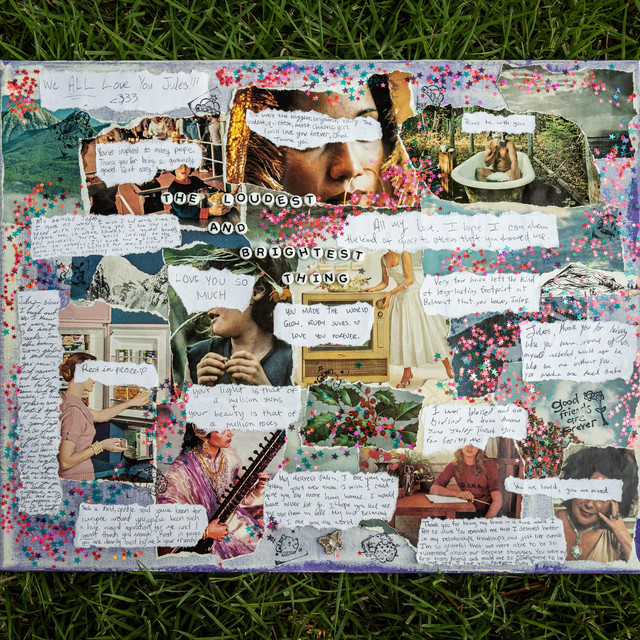
the loudest and brightest thing
STOMACH BOOK
Furry
2025
4
/5
GOODNIGHT HYPNOPOMP
STOMACH BOOK
Furry
Furry Music
Emo
2025
3
/5
FUKOUNA GIRL (REMIX)
STOMACH BOOK
Furry
2025
3
/5
Paper Dolls
STOMACH BOOK
Furry
2024
1
/5
Circuit Bent
STOMACH BOOK
Furry
2024
3
/5
Circuit Bent
STOMACH BOOK
Furry
2024
3
/5
FUKOUNA GIRL
STOMACH BOOK
Furry
2024
4
/5
SOPHOMORE SLUMP CALLITHUMP
STOMACH BOOK
Furry
Emo
Experimental Rock
2022
1
/5
anarchy!!!
STOMACH BOOK
Furry
2021
4
/5
STOMACH BOOK
STOMACH BOOK
Furry
2021
1
/5
STOMACH BOOK
STOMACH BOOK
Furry Music
Noise Pop
Similar artists
3
/5
WillyRodriguezWasTaken
5th Wave Emo
Windmill Scene
Chamber Pop
4
/5
Car Seat Headrest
Indie Rock
Slacker Rock
Furry
3
/5
Parannoul
Korean Shoegaze
Shoegaze
Dream Pop
1
/5
Various Artists
Afro-Funk
Alternative Rock
Ambient
3
/5
Neutral Milk Hotel
Elephant 6
Indie Rock
Rock
3
/5
Yo La Tengo
Indie Rock
Rock
Noise Pop
3
/5
Animal Collective
Freak Folk
Neo-Psychedelia
Experimental
3
/5
The Get Up Kids
Emo
Pop Punk
Indie Rock
2
/5
Joan Of Arc
Emo
Post-Rock
Indie Rock
4
/5
Brand New
Emo
Alternative Rock
Rock
Download our mobile app
Get the Melodigging app and start digging for new genres on the go
Download on the App Store
Get it on Google Play
© 2026 Melodigging
Give feedback
Legal
Melodding was created as a tribute to
Every Noise at Once
, which inspired us to help curious minds keep digging into music's ever-evolving genres.