Genres
Artists
Albums
Make Music
Sign in
Sign in
Artists
Wolof Music
Artists
Wolof Music
Orchestra Baobab
1981–2017
·
6 albums
Listen
3
/5
Genres
Latin Afrobeat
Latin Afrobeat is a contemporary fusion style that welds the polyrhythmic engine of West African Afrobeat with Latin American and Caribbean grooves. It often marries Afrobeat’s interlocking drum kit, shekere, and highlife‑style guitars with salsa/cumbia percussion sections, montuno piano figures, and bold horn arrangements. The result is a dance‑forward, big‑ensemble sound: long vamps, call‑and‑response vocals (frequently in Spanish or Portuguese), syncopated bass ostinati, and brass stabs—recorded with a warm, live, analog aesthetic. While it honors Fela Kuti’s Afrobeat blueprint, it colors that framework with Afro‑Cuban jazz harmony, salsa horn voicings, and coastal Colombia/Brazilian percussion idioms.
Discover
Listen
Uk Americana
UK Americana is the British take on Americana’s blend of country, folk, blues, and roots rock, filtered through a distinctly UK songwriting sensibility. It keeps the genre’s hallmarks—acoustic-forward arrangements, road-worn storytelling, and organic, live-in-the-room production—while drawing on the British folk tradition’s modal colors, fingerstyle guitar, and understated vocal delivery. In practice, UK Americana favors close vocal harmonies, pedal steel or fiddle ornamentation, and rhythm sections that swing gently between train beats, shuffles, and waltzes. Lyrically it often exchanges American place-names and frontier mythos for British imagery—motorways, coastlines, terraced streets, and pub corners—creating songs that feel rooted, reflective, and quietly anthemic.
Discover
Listen
Deep Indie Pop
Deep indie pop is a moody, finely textured branch of indie pop that favors introspective songwriting, soft-focus production, and intimate vocal delivery. It sits between bedroom pop and dream pop, borrowing lo‑fi warmth and hazy ambience while maintaining the hook sensibility of pop. Compared with mainstream indie pop, the "deep" variant leans toward slower to mid‑tempo grooves, lush synth pads, chorus‑soaked guitars, and subdued drum programming. Lyrics often explore memory, late‑night reflection, and bittersweet romance, presented with close‑miked, breathy vocals and understated arrangements.
Discover
Listen
Souldies
Souldies is a modern revival of classic lowrider “oldies” soul—slow, tender ballads rooted in 1960s and early-’70s sweet soul and doo‑wop aesthetics, reimagined by a new generation of largely Chicano/Latinx artists in Southern California. Characterized by warm, analog-leaning production, mellow backbeats, honeyed vocal harmonies, and heart‑on‑sleeve lyricism, the style favors mid‑slow tempos, tape‑like saturation, spring/plate reverb, and minimalist yet expressive arrangements. English and Spanish (or Spanglish) lyrics often explore love, longing, devotion, and cruising/lowrider culture. Souldies sits at the intersection of classic soul, rhythm & blues, northern soul selections, and Latin soul, offering a contemporary, community‑centered sound that feels both timeless and newly personal.
Discover
Listen
Afropop
Afropop is a modern, pan‑African pop style that blends West and Central African rhythmic traditions with global pop, R&B, hip hop, dancehall, and electronic production. It favors catchy toplines, call‑and‑response hooks, bright guitar licks inspired by highlife and soukous, and mid‑tempo grooves designed for dancing. Songs are often multilingual, moving fluidly between English or French and local languages or pidgins, while lyrics center on romance, joy, aspiration, and celebration. Production commonly uses syncopated percussion, warm sub‑bass, plucky synths or marimbas, and clean, melodic vocals (often with tasteful Auto‑Tune), resulting in an upbeat, accessible sound with unmistakably African groove and feel.
Discover
Listen
World
World music is a broad, industry-coined umbrella for traditional, folk, and contemporary popular styles from around the globe that fall outside the Anglo-American pop mainstream. The label emerged in the 1980s as a retail and marketing category to group diverse regional musics for international distribution. Musically, it spans acoustic and electric instrumentation; modal, pentatonic, and microtonal pitch systems; and rhythms ranging from cyclical grooves and polyrhythms to asymmetrical meters. While the term can obscure local specificity, it also facilitated cross-cultural collaboration, festivals, and recordings that brought regional genres to wider audiences.
Discover
Listen
Afro-Cuban Jazz
Afro-Cuban jazz (often historically called Cubop) is a fusion of Afro-Cuban rhythmic traditions and North American jazz harmony, melody, and improvisation. It sets jazz writing and soloing inside the matrix of the clave, combining straight-eighth Afro-Cuban grooves (mambo, rumba, son montuno, danzón) with big-band and bebop vocabulary. Hallmarks include piano montunos (guajeos), tumbao bass lines, horn mambos and moñas (syncopated riffs), and a percussion section of congas, bongos, timbales, cowbell, and claves. The result is music that is harmonically sophisticated yet dance-driven, balancing arranged horn passages with open sections for improvisation, and emphasizing call-and-response and layered polyrhythms.
Discover
Listen
Latin
Latin (as a genre label) is a broad umbrella used by the recording industry to categorize popular music rooted in Latin America, the Caribbean, and the Iberian world, often characterized by syncopated Afro-diasporic rhythms, dance-forward grooves, and lyrics primarily in Spanish or Portuguese. As a marketplace category that took shape in the mid-20th century United States, it gathers diverse traditions—Afro-Cuban, Brazilian, Mexican, and Caribbean styles—into a shared space. In practice, "Latin" spans everything from big-band mambo and bolero ballads to contemporary pop, rock, hip hop, and dance fusions produced by artists of Latin American heritage.
Discover
Listen
Latin Jazz
Latin jazz is a fusion of jazz harmony and improvisation with Afro–Latin American rhythms, song forms, and percussion. It combines the swing, bebop, and big-band traditions with clave-based grooves such as son, rumba, danzón, and mambo, and later integrates Brazilian feels like samba and bossa nova. Typical features include the use of the clave (2–3 or 3–2), piano montunos (guajeos), bass tumbao patterns, timbales cáscara, conga marcha, and call-and-response horn "mambo" figures. While the rhythm section locks into cyclical patterns, soloists improvise using the vocabulary of jazz, creating music that is both danceable and harmonically rich.
Discover
Listen
Jazz
Jazz is an improvisation-centered music tradition that emerged from African American communities in the early 20th century. It blends blues feeling, ragtime syncopation, European harmonic practice, and brass band instrumentation into a flexible, conversational art. Defining features include swing rhythm (a triplet-based pulse), call-and-response phrasing, blue notes, and extended harmonies built on 7ths, 9ths, 11ths, and 13ths. Jazz is as much a way of making music—spontaneous interaction, variation, and personal sound—as it is a set of forms and tunes. Across its history, jazz has continually hybridized, from New Orleans ensembles and big-band swing to bebop, cool and hard bop, modal and free jazz, fusion, and contemporary cross-genre experiments. Its influence permeates global popular and art music.
Discover
Listen
Wolof Music
Wolof music refers to the traditional and contemporary musical practices of the Wolof people of Senegal (and in parts of The Gambia and Mauritania). It centers on richly layered percussion, call-and-response vocals, praise-singing by hereditary griots (gewel), and dance-driven forms. Core timbres come from the sabar drum family (played with one stick and one hand), the tama (talking drum), and the xalam (a skin-stringed lute). Vocals often alternate between solo griot lines, antiphonal choruses, and spoken-sung poetic declamation (taasu), all delivered in Wolof language. Melodically, pieces gravitate around modal centers rather than extended harmonic progressions, while rhythmically they employ polyrhythms, off-beat accents, and dramatic breaks to cue dance and movement. In the late 20th century, these Wolof foundations powered the rise of mbalax, which fused sabar patterns with Afro-Cuban, pop, and jazz elements. Today, Wolof aesthetics remain audible across Senegalese popular styles and in global worldbeat collaborations.
Discover
Listen
West African Music
West African music is a broad regional tradition centered on cyclical grooves, polyrhythms, and call-and-response, carried by griot (jeli) storytellers and community ensembles. Its core sound is driven by interlocking percussion patterns—often in 12/8 or 4/4—anchored by bell timelines and hand drums, over which praise-singing, chant, and melodic ostinatos unfold. Typical instruments include the kora (21‑string harp-lute), balafon (wooden xylophone), ngoni/xalam (lute), bolon (bass harp), talking drum, djembe and dunun, sabar, and shekere. Melodies tend to be modal and pentatonic, relying on repetition, variation, and improvisation. Islamic recitation and Sahelian court traditions contribute melismatic vocal styles and poetic structures, while coastal guitar idioms (palm‑wine, dance bands) shaped modern urban genres. From Mande jeliya to Wolof sabar and Yoruba bata/talking-drum ensembles, West African music is both ceremonial and social—used for praise, weddings, initiations, communal work, and dance. Its rhythmic logic, timbral layering, and participatory performance practice profoundly shaped global popular music.
Discover
Listen
Show all 12 genres
Albums
2017
1
/5
Tribute to Ndiouga Dieng
Orchestra Baobab
Wolof Music
2007
1
/5
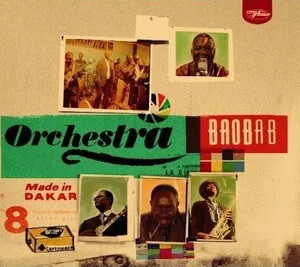
Made in Dakar
Orchestra Baobab
Wolof Music
2002
1
/5
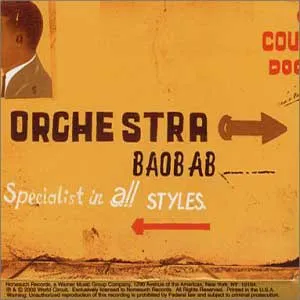
Specialist in All Styles
Orchestra Baobab
Wolof Music
Afro-Cuban Jazz
West African Music
1993
2
/5
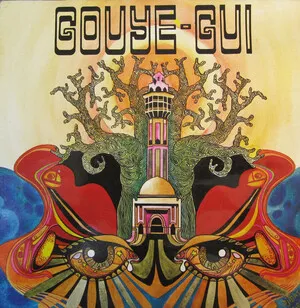
Mouhamadou Bamba
Baobab-Gouye-Gui de Dakar
Wolof Music
West African Music
Latin
1981
1
/5
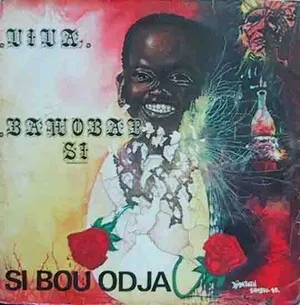
Viva Bawobab S1 / Si bou odja
Baobab Gouye-Gui de Dakar
Wolof Music
Specialist in All Styles
Orchestra Baobab
Wolof Music
Similar artists
3
/5
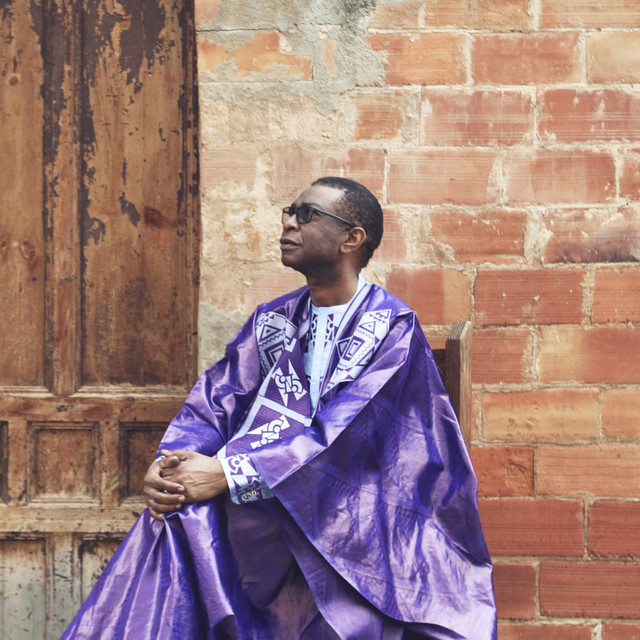
Youssou N'Dour
Mbalax
Wolof Music
Afropop
3
/5
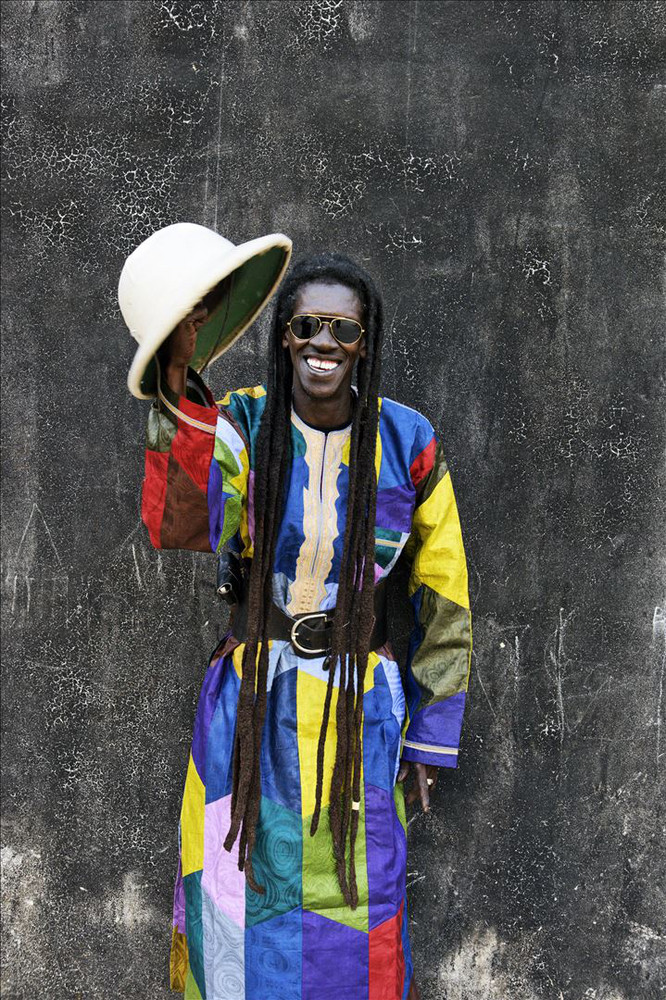
Cheikh Lô
Mbalax
Wolof Music
Afropop
3
/5
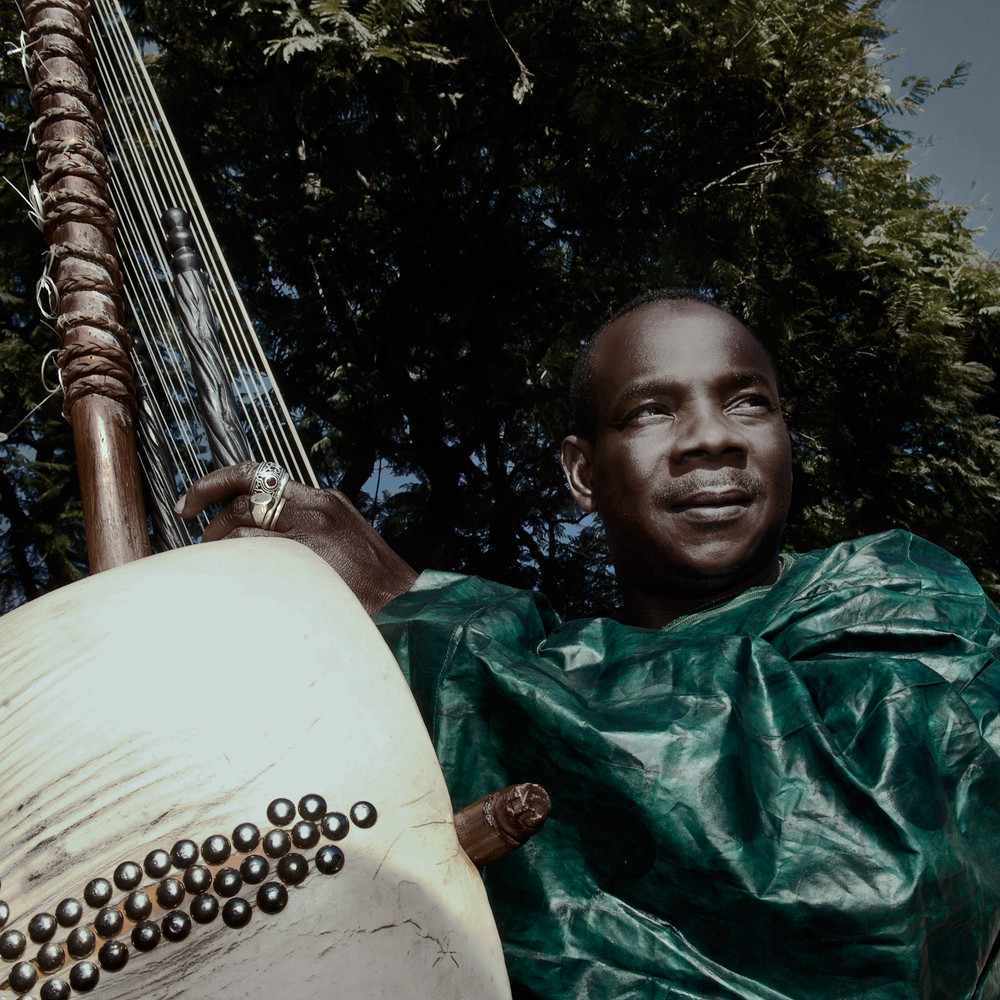
Toumani Diabaté
Griot
Mande Music
World
3
/5
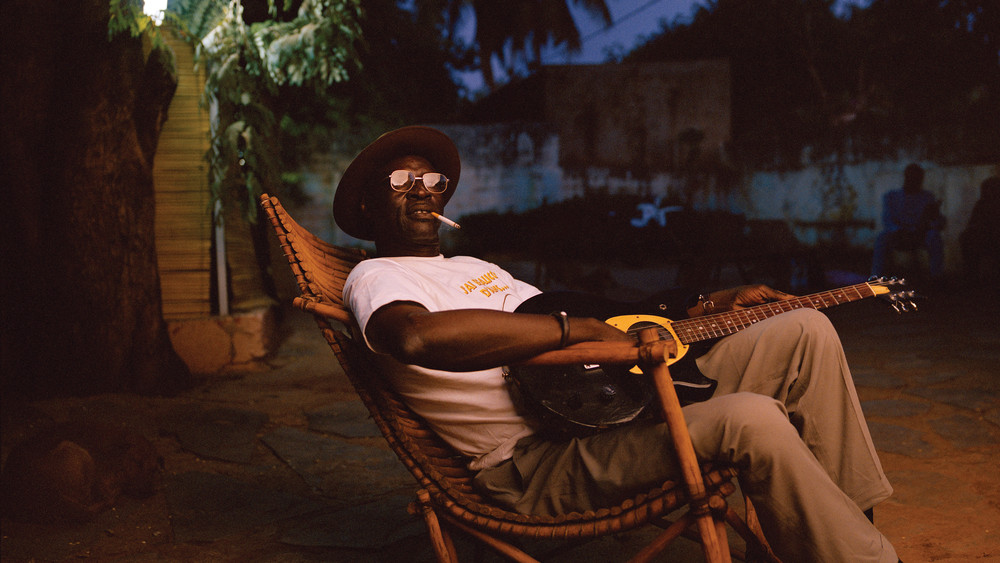
Ali Farka Touré
Songhai Music
Blues
Desert Blues
3
/5
Oumou Sangaré
Wassoulou
Country
Folk
1
/5
Various Artists
Afro-Funk
Alternative Rock
Ambient
4
/5
Salif Keita
Mande Music
Afro House
Afropop
3
/5
Fela Kuti
Afrobeat
African Music
Jazz
3
/5
Miriam Makeba
Marabi
Folk
Pop
3
/5
Ballaké Sissoko
World
Mande Music
Classical
Download our mobile app
Get the Melodigging app and start digging for new genres on the go
Download on the App Store
Get it on Google Play
© 2026 Melodigging
Give feedback
Legal
Melodding was created as a tribute to
Every Noise at Once
, which inspired us to help curious minds keep digging into music's ever-evolving genres.