Genres
Make Music
Artists
Albums
Challenges
Sign in
Sign in
Albums
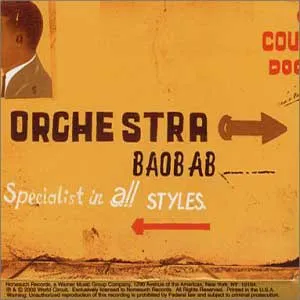
By Orchestra Baobab
Albums
By Orchestra Baobab
Specialist in All Styles
September 2, 2002
Listen
1
/5
Genres
World
World music is a broad, industry-coined umbrella for traditional, folk, and contemporary popular styles from around the globe that fall outside the Anglo-American pop mainstream. The label emerged in the 1980s as a retail and marketing category to group diverse regional musics for international distribution. Musically, it spans acoustic and electric instrumentation; modal, pentatonic, and microtonal pitch systems; and rhythms ranging from cyclical grooves and polyrhythms to asymmetrical meters. While the term can obscure local specificity, it also facilitated cross-cultural collaboration, festivals, and recordings that brought regional genres to wider audiences.
Discover
Listen
Afro-Cuban Jazz
Afro-Cuban jazz (often historically called Cubop) is a fusion of Afro-Cuban rhythmic traditions and North American jazz harmony, melody, and improvisation. It sets jazz writing and soloing inside the matrix of the clave, combining straight-eighth Afro-Cuban grooves (mambo, rumba, son montuno, danzón) with big-band and bebop vocabulary. Hallmarks include piano montunos (guajeos), tumbao bass lines, horn mambos and moñas (syncopated riffs), and a percussion section of congas, bongos, timbales, cowbell, and claves. The result is music that is harmonically sophisticated yet dance-driven, balancing arranged horn passages with open sections for improvisation, and emphasizing call-and-response and layered polyrhythms.
Discover
Listen
Latin Jazz
Latin jazz is a fusion of jazz harmony and improvisation with Afro–Latin American rhythms, song forms, and percussion. It combines the swing, bebop, and big-band traditions with clave-based grooves such as son, rumba, danzón, and mambo, and later integrates Brazilian feels like samba and bossa nova. Typical features include the use of the clave (2–3 or 3–2), piano montunos (guajeos), bass tumbao patterns, timbales cáscara, conga marcha, and call-and-response horn "mambo" figures. While the rhythm section locks into cyclical patterns, soloists improvise using the vocabulary of jazz, creating music that is both danceable and harmonically rich.
Discover
Listen
Jazz
Jazz is an improvisation-centered music tradition that emerged from African American communities in the early 20th century. It blends blues feeling, ragtime syncopation, European harmonic practice, and brass band instrumentation into a flexible, conversational art. Defining features include swing rhythm (a triplet-based pulse), call-and-response phrasing, blue notes, and extended harmonies built on 7ths, 9ths, 11ths, and 13ths. Jazz is as much a way of making music—spontaneous interaction, variation, and personal sound—as it is a set of forms and tunes. Across its history, jazz has continually hybridized, from New Orleans ensembles and big-band swing to bebop, cool and hard bop, modal and free jazz, fusion, and contemporary cross-genre experiments. Its influence permeates global popular and art music.
Discover
Listen
Wolof Music
Wolof music refers to the traditional and contemporary musical practices of the Wolof people of Senegal (and in parts of The Gambia and Mauritania). It centers on richly layered percussion, call-and-response vocals, praise-singing by hereditary griots (gewel), and dance-driven forms. Core timbres come from the sabar drum family (played with one stick and one hand), the tama (talking drum), and the xalam (a skin-stringed lute). Vocals often alternate between solo griot lines, antiphonal choruses, and spoken-sung poetic declamation (taasu), all delivered in Wolof language. Melodically, pieces gravitate around modal centers rather than extended harmonic progressions, while rhythmically they employ polyrhythms, off-beat accents, and dramatic breaks to cue dance and movement. In the late 20th century, these Wolof foundations powered the rise of mbalax, which fused sabar patterns with Afro-Cuban, pop, and jazz elements. Today, Wolof aesthetics remain audible across Senegalese popular styles and in global worldbeat collaborations.
Discover
Listen
West African Music
West African music is a broad regional tradition centered on cyclical grooves, polyrhythms, and call-and-response, carried by griot (jeli) storytellers and community ensembles. Its core sound is driven by interlocking percussion patterns—often in 12/8 or 4/4—anchored by bell timelines and hand drums, over which praise-singing, chant, and melodic ostinatos unfold. Typical instruments include the kora (21‑string harp-lute), balafon (wooden xylophone), ngoni/xalam (lute), bolon (bass harp), talking drum, djembe and dunun, sabar, and shekere. Melodies tend to be modal and pentatonic, relying on repetition, variation, and improvisation. Islamic recitation and Sahelian court traditions contribute melismatic vocal styles and poetic structures, while coastal guitar idioms (palm‑wine, dance bands) shaped modern urban genres. From Mande jeliya to Wolof sabar and Yoruba bata/talking-drum ensembles, West African music is both ceremonial and social—used for praise, weddings, initiations, communal work, and dance. Its rhythmic logic, timbral layering, and participatory performance practice profoundly shaped global popular music.
Discover
Listen
Similar albums
1997
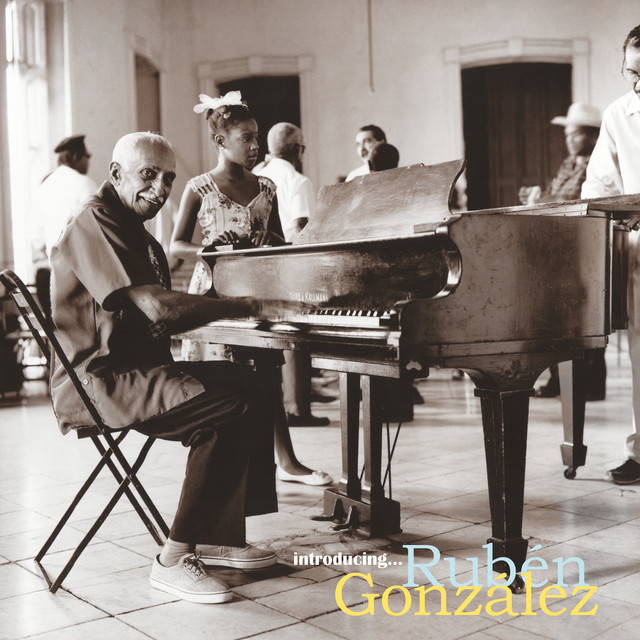
Introducing
Ruben Gonzalez
1976
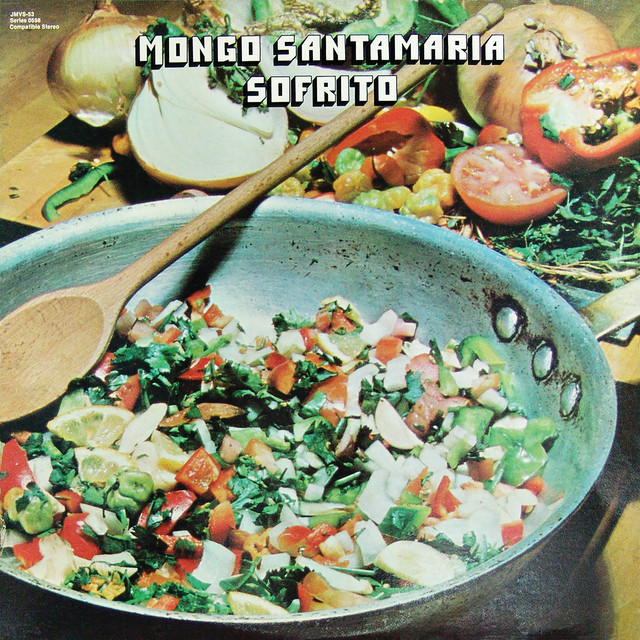
Sofrito
Mongo Santamaría
2011
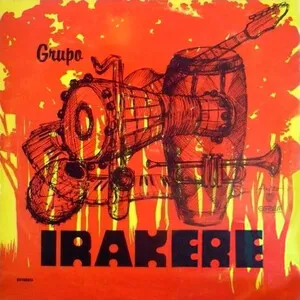
Grupo Irakere
Irakere
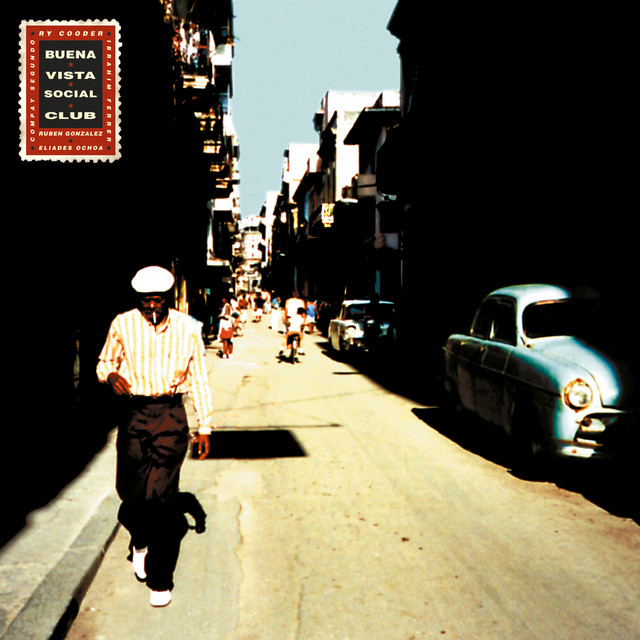
1997
Buena Vista Social Club
Buena Vista Social Club
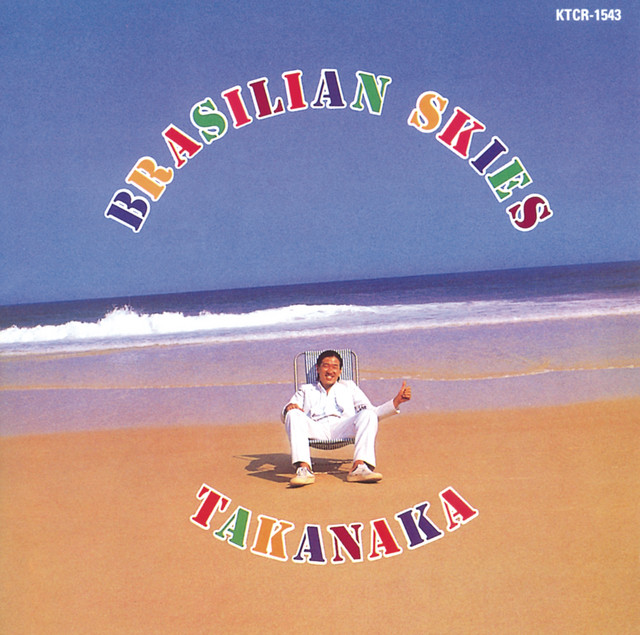
1978
Brasilian Skies
Masayoshi Takanaka 高中正義
2025
The Universe Smiles Upon You ii
Khruangbin
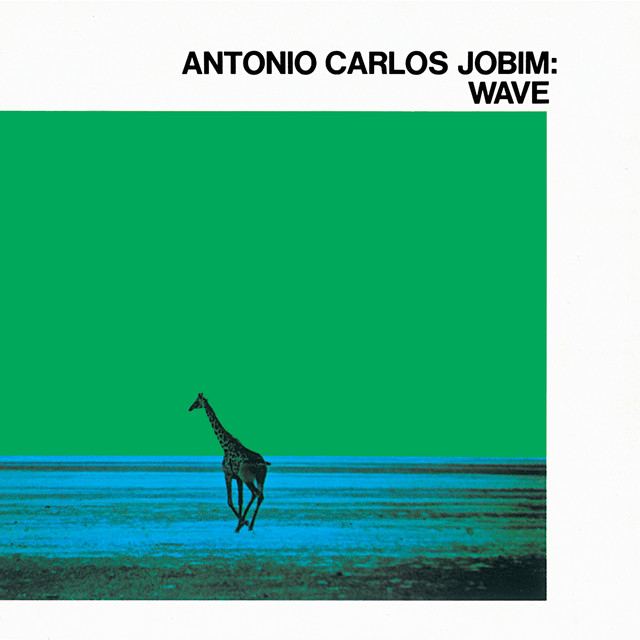
1967
Wave
Antônio Carlos Jobim
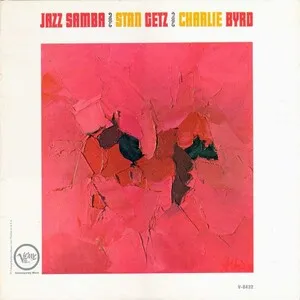
1962
Jazz Samba
Stan Getz & Charlie Byrd
1962
Bossa Nova Soul Samba (Rudy Van Gelder Edition)
Ike Quebec
1969
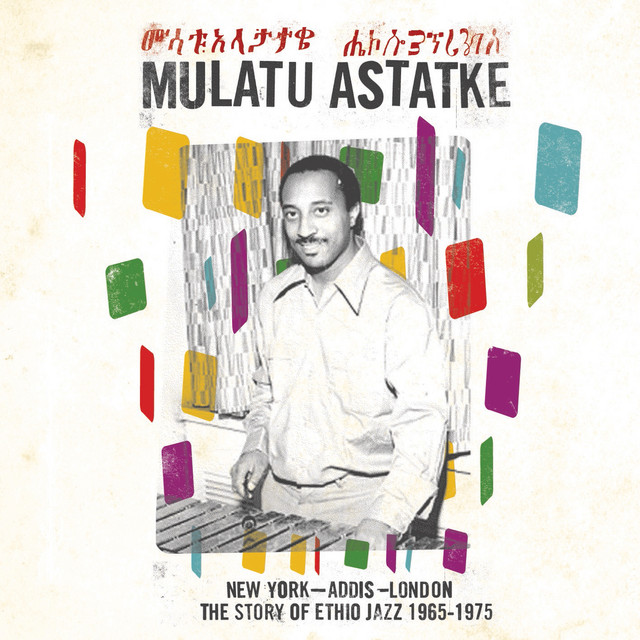
New York - Addis - London: The Story of Ethio Jazz 1965-1975
Mulatu Astatke
Download our mobile app
Get the Melodigging app and start digging for new genres on the go
Download on the App Store
Get it on Google Play
© 2026 Melodigging
Give feedback
Legal
Melodding was created as a tribute to
Every Noise at Once
, which inspired us to help curious minds keep digging into music's ever-evolving genres.