Genres
Artists
Albums
Make Music
Sign in
Sign in
Artists
Folk
Artists
Folk
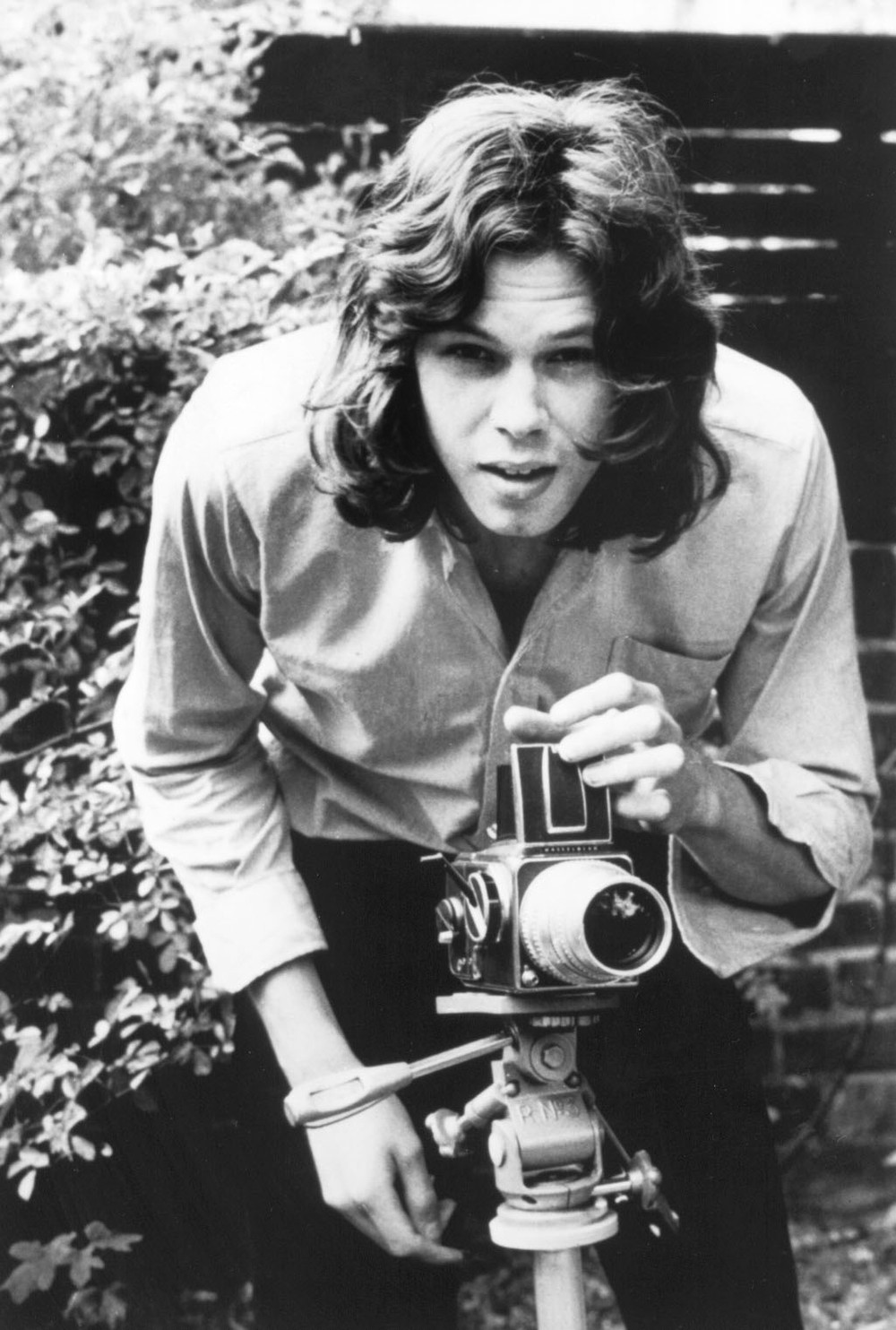
Nick Drake
1969–2025
·
9 albums
Listen
4
/5
Genres
Melancholia
Melancholia is an internet-era microgenre centered on soft-focus, sorrow-tinged pop and indie songs that foreground intimacy, space, and emotional candor. Tracks are typically slow to mid‑tempo, sung in a close, almost confessional register, and framed by sparse, reverb‑soaked textures. Sonically it lives between dream pop, bedroom pop, and slowcore: shimmering guitars or wistful synth pads drift over understated beats; piano, acoustic guitar, and low‑key electronic drums carry muted, pulsing grooves. Harmonies often favor minor keys, suspended chords, and gentle extensions (7ths/9ths) that heighten a bittersweet glow. Lyrically, melancholia lingers on solitude, late‑night self‑reflection, breakups, and fragile hope. The genre coalesced through streaming playlists and social media, where its hush, negative space, and diaristic tone translate into a cohesive, instantly recognizable mood.
Discover
Listen
Modern Indie Folk
Modern indie folk is a 2010s-era evolution of indie folk that blends intimate, acoustic songwriting with contemporary production aesthetics. It keeps the core of folk—storytelling, fingerpicked guitars, and close-miked vocals—but expands the palette with ambient textures, chamber-style strings, subtle electronics, cinematic reverb, and spacious, headphone-first mixes. The result is a sound that feels both handcrafted and atmospheric: confessional lyrics carried by hushed deliveries, layered harmonies, and warm analog or tape-like saturation, often moving between 4/4 and swaying 6/8/12/8 meters. At its center are themes of memory, nature, relationships, and quiet self-reckoning, expressed through vivid imagery and minimalist arrangements that bloom into emotive crescendos.
Discover
Listen
Tech-Noir
Tech-noir is a musical subgenre and aesthetic within the synthwave and darksynth scenes, characterized by a dark, cinematic, and dystopian atmosphere. It draws heavy inspiration from 1980s science fiction and neo-noir films, blending retro-futuristic synthesizer melodies with driving basslines and industrial elements. The music often incorporates narrative storytelling, spoken word samples, and soundscapes that evoke a sense of urban decay, high-tech menace, and cynical romance.
Discover
Listen
Deep Indie Singer-Songwriter
Deep indie singer-songwriter is a micro-genre that spotlights intimate, hushed, and highly personal songwriting crafted outside the mainstream. It blends the confessional lyricism and acoustic focus of the classic singer-songwriter tradition with the understated aesthetics of indie and bedroom production. Arrangements are typically sparse—fingerpicked acoustic guitars, soft pianos, light strings, and subtle electronic atmospheres—so that breathy, close-miked vocals and storytelling take center stage. The overall feel is introspective and reflective, often leaning toward melancholy or tender warmth. Songs prize texture and space over flash, favoring gentle dynamics, slow-to-mid tempos, and an “up-close” emotional delivery that suits late-night listening, film/TV syncs, and reflective playlists.
Discover
Listen
Connecticut Indie
Connecticut indie is a regional strain of U.S. indie rock that blends the heartfelt directness of emo-revival with the fuzzy guitars, DIY ethics, and adventurous textures of New England’s underground. Rooted in college-town and small-city scenes (Middletown, New Haven, Willimantic, Hartford), the sound swings between twinkly, lyrically confessional indie and louder, shoegaze- or noise-tinged guitar rock. You’ll hear gang-vocal catharsis, transparent production that favors live-room energy, and occasional orchestral or synth flourishes that reflect the area’s art-school and experimental leanings. While it is geographically defined, the micro-scene’s bands networked nationally through house shows, small labels, and online communities, making Connecticut indie both locally grounded and widely connected.
Discover
Listen
Countrygaze
Countrygaze blends the twang, storytelling, and chord language of alt‑country/Americana with the hazy, textural walls of sound associated with shoegaze and dream pop. Expect pedal steel or slide guitar swimming in reverb and delay, saturated or blown‑out rhythm guitars, and soft, breathy vocals mixed as another texture rather than a dominant lead. The tempos often sit in a mid‑slow sway, while lyrics lean on small‑town imagery, highways, weather, memory, and bittersweet relationships. The result is music that feels both dust‑covered and cloud‑drifted: intimate, earthy narratives wrapped in a dreamy, saturated envelope.
Discover
Listen
Pov: Indie
"pov: indie" is a social-media-native microstyle built around short, cinematic indie-pop/indie-rock snippets designed to accompany a first-person (POV) narrative. Instead of being defined by a single new musical technique, it is defined by context: the music is chosen or written to feel like the soundtrack to a specific moment (a crush, a late-night walk, moving to a new city, seasonal nostalgia). Sonically it typically uses bright but soft guitars or synths, intimate vocals, simple memorable hooks, and production that reads clearly on phone speakers. The emotional tone is often wistful, tender, and “coming-of-age,” with lyrics that can be understood quickly in a 10–30 second clip.
Discover
Listen
Chamber Folk
Chamber folk blends singer‑songwriter and traditional folk songwriting with the textures and arranging techniques of chamber music. Acoustic guitar, harp, or piano typically carry the song, while small ensembles of strings and woodwinds provide counter‑melodies, pedal drones, and delicate harmonic color. The style favors intimate vocals, close‑miked acoustic timbres, and nuanced dynamics over percussive drive. Arrangements often develop patiently, using techniques like pizzicato, harmonics, and gentle swells to underline narrative, pastoral, or reflective lyrics. The overall mood is warm, detailed, and quietly expansive.
Discover
Listen
Animutation
Animutation is a surreal, collage-style form of short-form animation that emerged in the early 2000s on the web. Pieces typically juxtapose cut‑out photos of celebrities, public figures, and random objects with frenetic lip‑syncing and rapid, non‑sequitur edits. Most classics were authored in Adobe Flash (now Animate), embracing a deliberately crude, low‑resolution aesthetic: jagged edges, mismatched tweening, garish color clashes, and pop‑up gags layered over hyperactive foreign pop, dance, or novelty tracks. The result is a proto‑meme audio‑visual collage—equal parts absurdist humor, culture‑jamming, and internet folk art.
Discover
Listen
Singer-Songwriter
Singer-songwriter is a song-focused style in which the same person writes, composes, and performs their own material, often accompanying themselves on acoustic guitar or piano. It emphasizes personal voice, lyrical intimacy, and storytelling over elaborate production. Arrangements are typically sparse, allowing the melody, words, and performance nuance to carry the song’s emotional weight. While rooted in folk and blues traditions, singer-songwriter embraces pop and rock songcraft, producing works that can range from quiet confessional ballads to subtly orchestrated, radio-ready pieces.
Discover
Listen
Contemporary Folk
Contemporary folk is a modern evolution of traditional folk aesthetics centered on intimate storytelling, clear melodies, and largely acoustic instrumentation. It favors voice-forward production, fingerpicked or gently strummed guitars, and arrangements that leave space for lyrics to resonate. While rooted in older folk ballad traditions, contemporary folk embraces current themes, production values, and song forms. Artists often blend guitar, banjo, mandolin, fiddle, upright or electric bass, light percussion, and close vocal harmonies, creating a warm, organic sound. The genre frequently addresses personal reflection, social issues, place, memory, and identity, balancing timeless simplicity with contemporary sensibilities.
Discover
Listen
Baroque Pop
Baroque pop is a mid‑1960s fusion of contemporary pop/rock songwriting with the timbres, textures, and contrapuntal techniques of Baroque and broader European classical music. It is marked by harpsichord and piano doubling, string quartets or small orchestras, woodwinds (oboe, recorder, bassoon), French horn and piccolo trumpet colors, and melody‑forward arrangements that favor counter‑melodies and suspensions over riff‑based accompaniment. Harmonies tend to be richer than standard rock, with chromatic voice‑leading, circle‑of‑fifths motion, deceptive cadences, and occasional modulations. Production is usually lush and reverberant, supporting reflective, often nostalgic or romantic lyrics. Although it overlaps with orchestral pop and psychedelic pop, baroque pop is distinguished by its chamber‑scale instrumentation, Baroque idioms (basso continuo feel, ornamented lines), and the way classical elements are woven into compact pop song forms.
Discover
Listen
Halloween Music
Halloween music is a cross-genre repertoire defined less by a single stylistic syntax and more by its association with the secular holiday of Halloween and its themes of horror, the uncanny, and the supernatural. It spans novelty hit singles, haunted-house sound‑effects albums, spooky children’s songs, horror-film cues, and goth/industrial and dark electronic tracks that surge in popularity every October. Common sonic markers include minor keys, tritones and diminished harmony, pipe or theater organs, eerie strings, theremin- or synth-like glides, creaks, howls, and thunderclaps. Lyrically and iconographically it references monsters, ghosts, witches, vampires, skeletons, and trick‑or‑treat imagery. Because it is tied to a season and a cultural ritual, Halloween music functions as a flexible umbrella that can encompass vintage novelty rock (e.g., Monster Mash), cinematic horror scores, and danceable pop suitable for parties, provided it evokes a spooky, playful, or theatrically macabre mood.
Discover
Listen
Sadistic Horror
Sadistic horror is a horror film subgenre whose narratives and imagery center on captivity, cruelty, and the spectacle of bodily threat. In music terms, it favors cues that amplify dread and pain through abrasive textures, infrasonic pressure, and sudden shock stingers. Prominently featuring scenes of torture and degradation, its scoring language leans on extended techniques for strings and winds, metallic percussion and foley, granular and spectral processing, and atonal or microtonal harmonies. The result is a claustrophobic, oppressive sound world designed to make the audience feel trapped alongside the on‑screen victims.
Discover
Listen
Scenes & Movements
“Scenes & movements” is not a single musical style but a meta‑category used by historians, critics, and discographers to group releases and artists that cohere around a place, community, manifesto, press‑coined wave, or shared infrastructure (venues, labels, fanzines, studios, aesthetics). Examples include geographically rooted clusters (Merseybeat in Liverpool, CBGB punk in New York, Madchester in Manchester), ideational collectives (Rock in Opposition across the UK/Europe), press‑named waves (No Wave, C86), and label‑centric families (Elephant 6 in the U.S.). These scenes frequently develop recognizable sonic traits, visual codes, and production practices—yet what binds them first is social ecology and self‑identification rather than a strict set of musical parameters.
Discover
Listen
British Folk Rock
British folk rock fuses the melodies, modes, and narratives of traditional music from the British Isles with the amplified rhythm section and songcraft of rock. Characterized by electric arrangements of ballads, jigs, and reels, the style preserves modal folk melodies (often Dorian and Mixolydian) while introducing drum kit backbeats, bass guitar foundations, and electric/steel-string guitar textures. Fiddle, mandolin, concertina, whistle, and later the octave mandolin/bouzouki sit alongside rock instrumentation, creating a sound that is earthy yet powerful. The genre came into focus at the turn of the 1970s, most famously with Fairport Convention’s Liege & Lief, which set a template for electrified versions of Child Ballads and tune sets. British folk rock balances storytelling steeped in history and myth with rock dynamics, delivering music that can be both dance-driven and contemplative.
Discover
Listen
Second British Folk Revival
The Second British Folk Revival was a mid-20th-century resurgence of interest in traditional song and dance music of the British Isles. Emerging in the years after World War II, it drew on field-collecting, scholarship, and a growing network of folk clubs to bring ballads, sea songs, and dance tunes back into contemporary performance. By the late 1960s and early 1970s, the movement broadened from unaccompanied singing and acoustic ensembles to "electric folk" (or British folk rock), as bands adapted traditional repertoire with drum kits and amplified instruments. Its peak arrived in the early-to-mid 1970s, after which its mainstream visibility faded, though the repertoire, techniques, and community structures it fostered have remained foundational for later folk, singer-songwriter, and indie-folk scenes.
Discover
Listen
Parody Music
Parody music is a humorous or satirical approach to music in which an existing song, composer’s voice, or recognizable style is deliberately imitated, altered, or lyrically re-written to make its traits appear exaggerated, ridiculous, or newly meaningful. Unlike simple covers, parody pieces transform musical and/or lyrical content to comment on the original work, current events, or pop culture. Parody can target specific songs, an artist’s broader stylistic fingerprints, or an entire genre’s conventions—often walking a line between affectionate homage and pointed satire.
Discover
Listen
Folk
Folk is a song-centered acoustic tradition rooted in community storytelling, everyday life, and social history. It emphasizes clear melodies, simple harmonies, and lyrics that foreground narrative, protest, and personal testimony. As a modern recorded genre, folk coalesced in the early-to-mid 20th century in the United States out of older ballad, work song, and rural dance traditions. It typically features acoustic instruments (guitar, banjo, fiddle, mandolin, harmonica), strophic song forms, and participatory singing (choruses, call-and-response).
Discover
Listen
Supernatural Horror
Supernatural horror (as a musical style) is the sound-world crafted to evoke the occult, ghosts, possession, mythic beasts, and uncanny entities from folklore. It blends orchestral tension, choral ritualism, experimental timbres, and sound design to suggest forces beyond human comprehension. Expect atonal clusters, whispering choirs, pipe organ or harmonium, bowed metals, infrasound, eerie drones, and sudden dynamic shocks. The goal is to conjure dread and numinous awe—sonically staging hauntings, curses, exorcisms, and encounters with the Other.
Discover
Listen
Claymation
Claymation (clay animation) is a form of stop-motion animation in which characters, props, and environments are sculpted from clay or similarly pliable materials such as Plasticine, then photographed frame by frame to create the illusion of movement. Each frame captures a tiny repositioning of the clay model; when the frames are played in sequence, the figures appear to come alive. Claymation covers several sub-techniques, from fully articulated puppets built around wire or metal armatures, to clay painting (moving, smearing, and reshaping clay on a flat surface), and replacement animation (swapping pre-sculpted mouth shapes or entire heads). Beyond film and television, claymation became a signature look in commercials and music videos thanks to its tactile charm, squash-and-stretch expressiveness, and hand-made imperfections that audiences find personable and nostalgic.
Discover
Listen
Show all 21 genres
Albums
2025
1
/5
Fruit Tree (Take 4, 12th November 1968)
Nick Drake
Melancholia
1972
1
/5
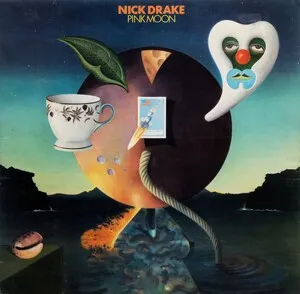
Pink Moon
Nick Drake
Animutation
Halloween Music
Parody Music
1972
4
/5
Pink Moon
Nick Drake
Singer-Songwriter
Contemporary Folk
Folk
1971
4
/5
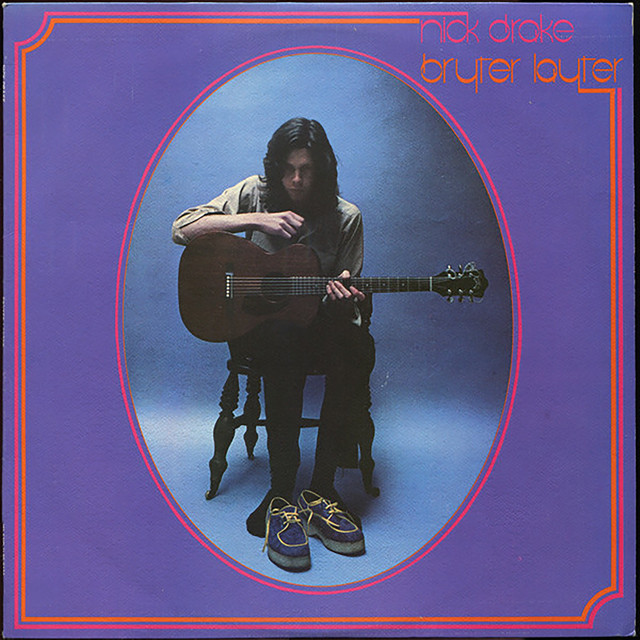
Bryter Layter
Nick Drake
Melancholia
Baroque Pop
Folk
1970
1
/5
Bryter Layter
Nick Drake
Second British Folk Revival
Chamber Folk
Contemporary Folk
1969
4
/5
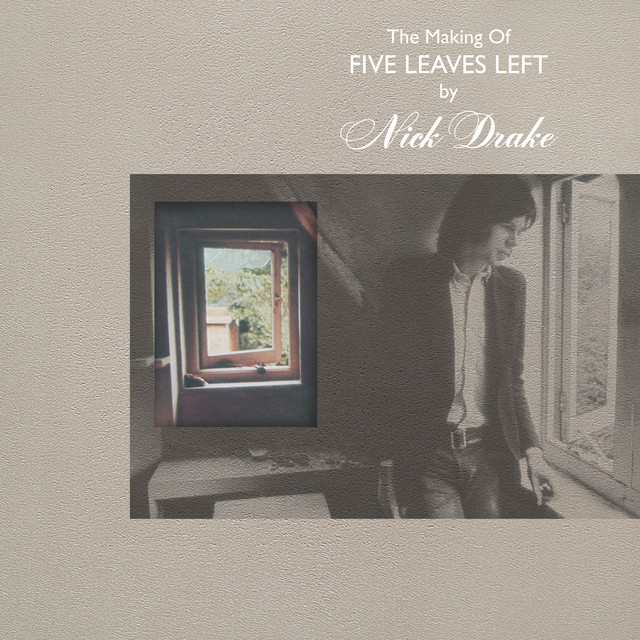
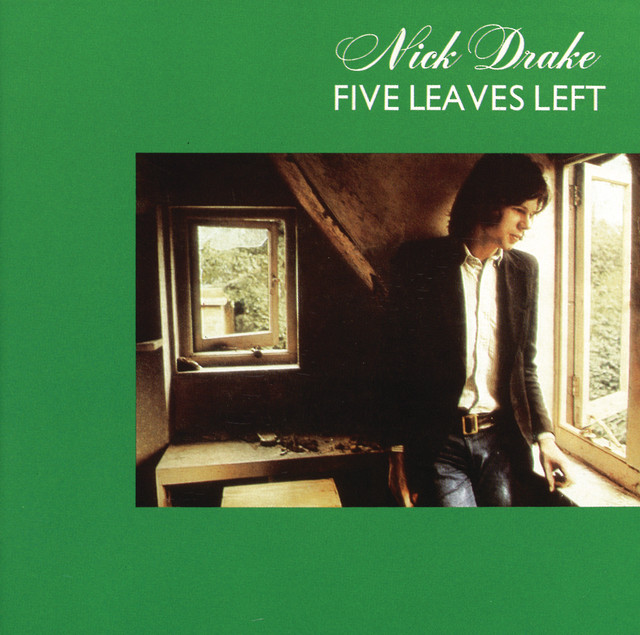
Five Leaves Left
Nick Drake
Chamber Folk
Second British Folk Revival
Contemporary Folk
Pink Moon
Nick Drake
Claymation
Pink Moon
Nick Drake
Sadistic Horror
Pink Moon
Nick Drake
Second British Folk Revival
Similar artists
4
/5
Sufjan Stevens
Singer-Songwriter
Chamber Pop
Indie Rock
4
/5
Leonard Cohen
Singer-Songwriter
Rock
Contemporary Folk
4
/5
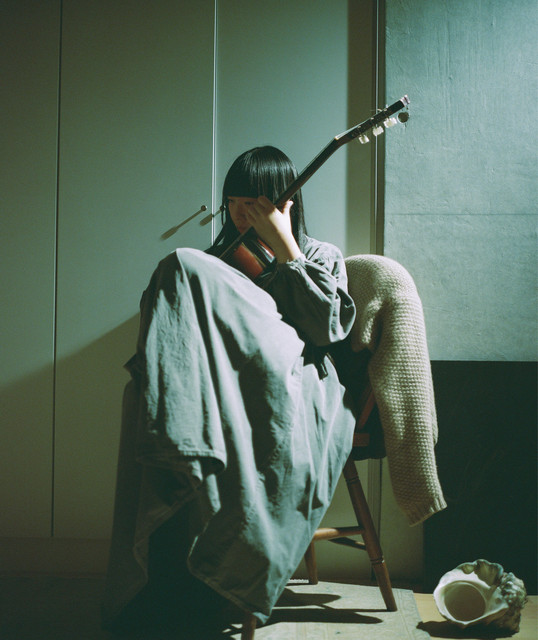
Ichiko Aoba
Shibuya-Kei
Singer-Songwriter
Japanese Indie
4
/5
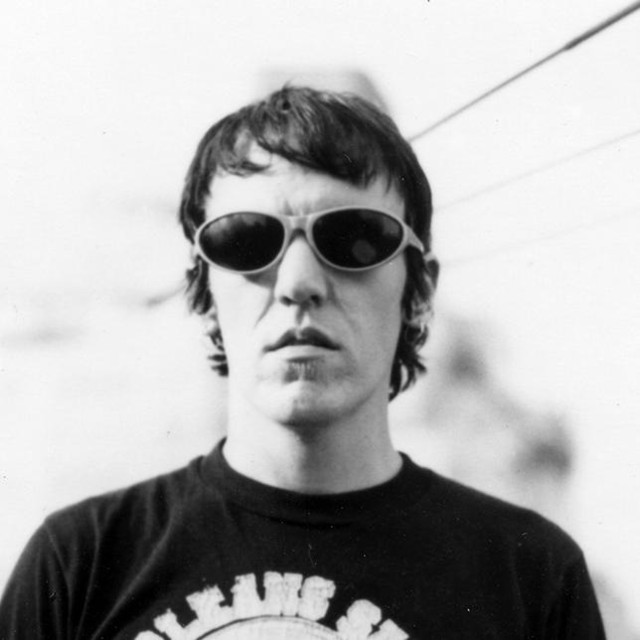
Elliott Smith
Indie Rock
Singer-Songwriter
Melancholia
1
/5
Various Artists
Afro-Funk
Alternative Rock
Ambient
4
/5
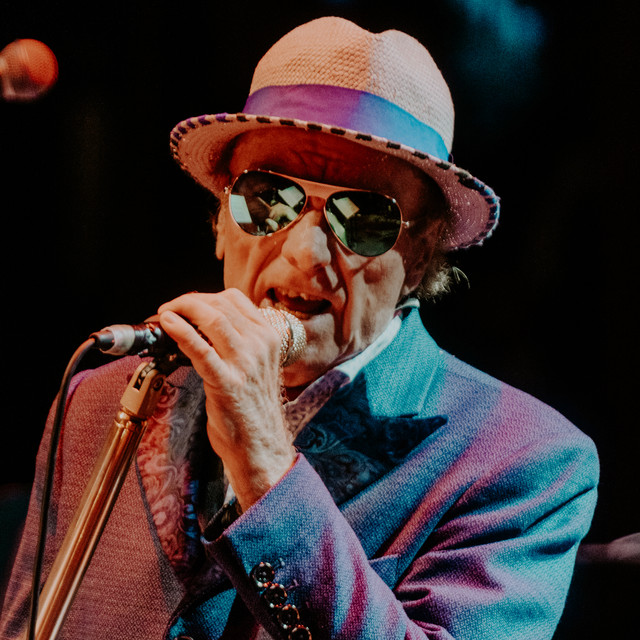
Van Morrison
Folk Rock
Folk
Rock
4
/5
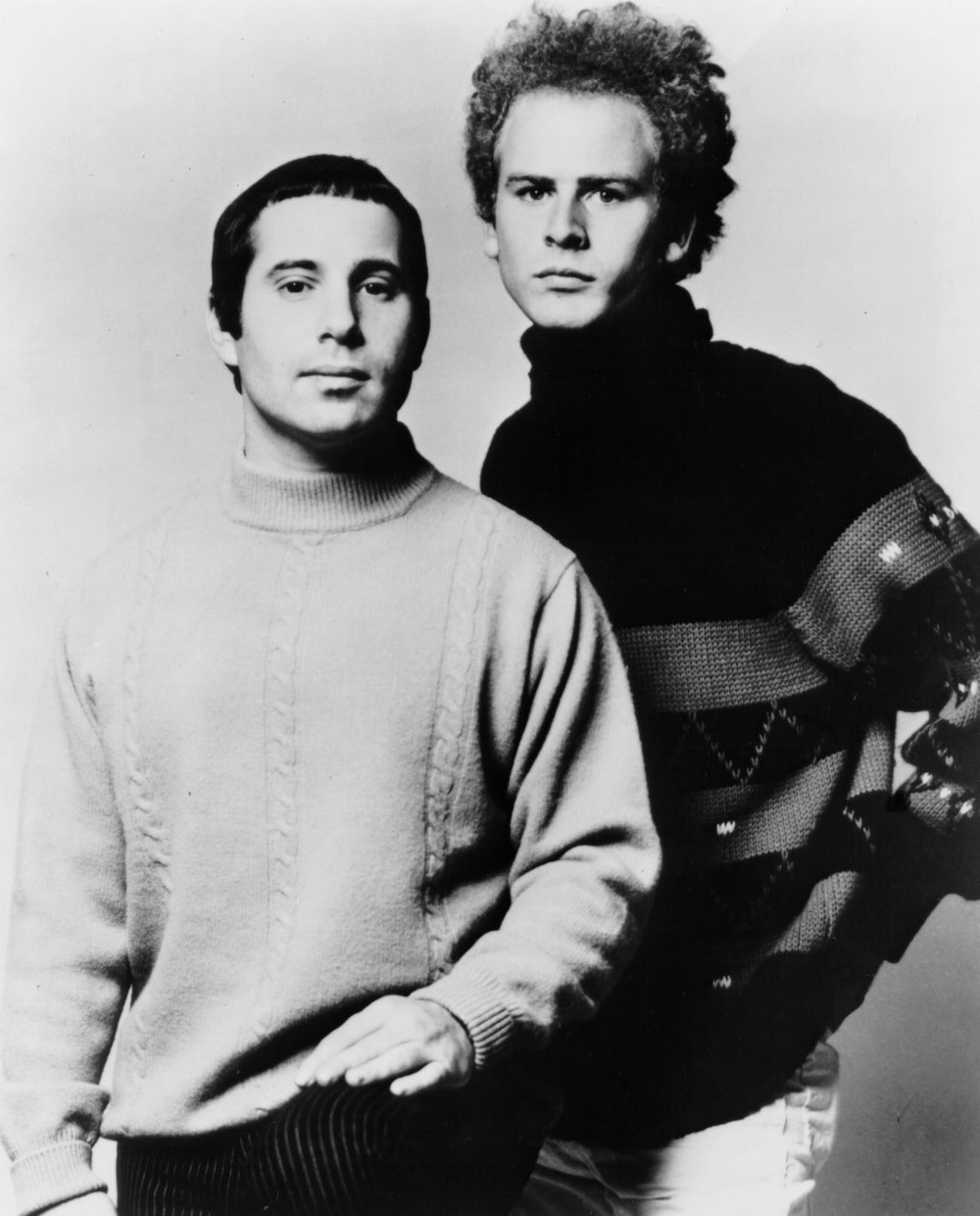
Simon & Garfunkel
Folk
Folk Rock
Melancholia
3
/5
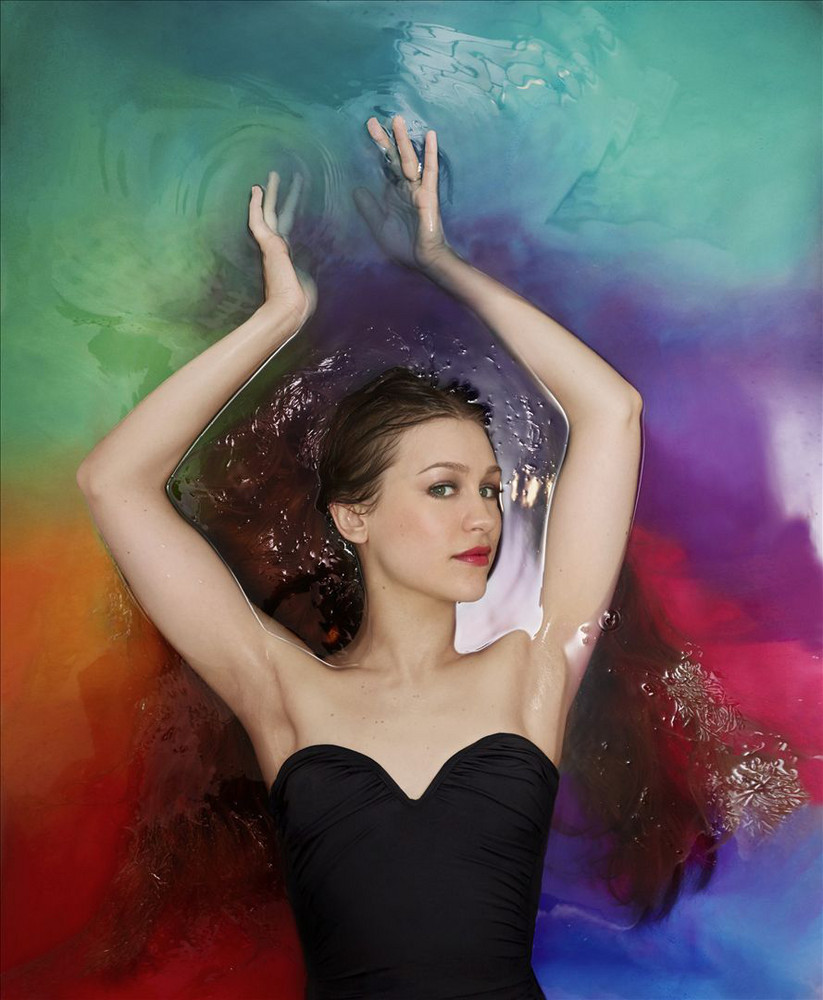
Joanna Newsom
Chamber Folk
New Weird America
Contemporary Folk
3
/5
Mount Eerie
Indie Folk
Anti-Folk
Rock
4
/5
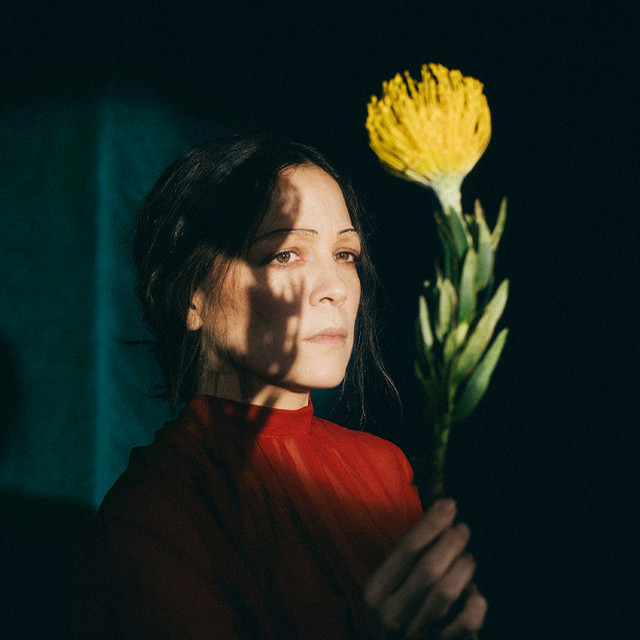
Natalia Lafourcade
Bolero
Latin Folk
Latin
Download our mobile app
Get the Melodigging app and start digging for new genres on the go
Download on the App Store
Get it on Google Play
© 2026 Melodigging
Give feedback
Legal
Melodding was created as a tribute to
Every Noise at Once
, which inspired us to help curious minds keep digging into music's ever-evolving genres.