Genres
Artists
Albums
Make Music
Sign in
Sign in
Artists
Chamber Folk
Artists
Chamber Folk
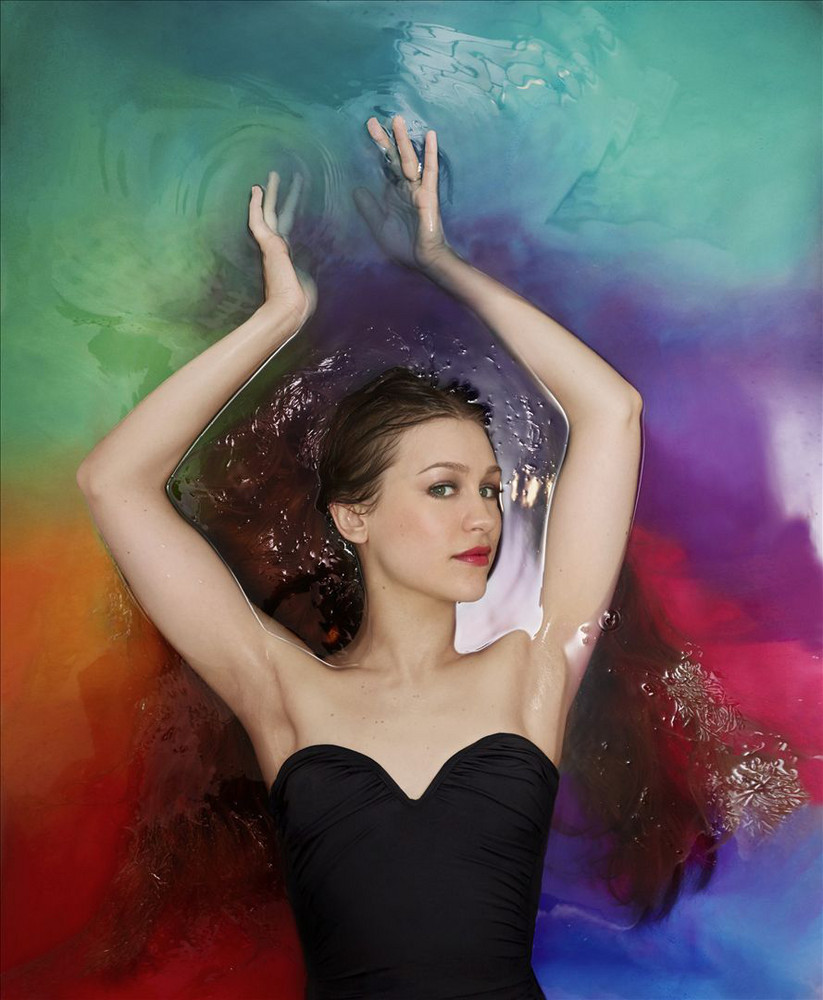
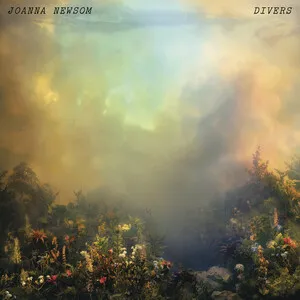
Joanna Newsom
16 albums
Listen
3
/5
Genres
Flint Sound
Flint sound is a contemporary Michigan rap style centered in Flint, United States. It is characterized by fast, minimal, piano- or organ-led beats, dry and upfront vocals, and bar-by-bar “punch‑in” delivery that often rides slightly ahead of or behind the grid for a conversational, off‑kilter feel. The production typically favors bright piano loops, staccato 808 slides, crisp claps or rimshots, and sparse percussion, leaving plenty of space for relentless punchlines, gritty street reportage, and mischievous humor. While hard-edged and streetwise, the style frequently leans into charismatic personality and wit, making it both aggressive and infectious for dancing.
Discover
Listen
Chamber Folk
Chamber folk blends singer‑songwriter and traditional folk songwriting with the textures and arranging techniques of chamber music. Acoustic guitar, harp, or piano typically carry the song, while small ensembles of strings and woodwinds provide counter‑melodies, pedal drones, and delicate harmonic color. The style favors intimate vocals, close‑miked acoustic timbres, and nuanced dynamics over percussive drive. Arrangements often develop patiently, using techniques like pizzicato, harmonics, and gentle swells to underline narrative, pastoral, or reflective lyrics. The overall mood is warm, detailed, and quietly expansive.
Discover
Listen
New Weird America
New Weird America (NWA) is a loosely defined early‑2000s U.S. movement that revived and mutated psychedelic and folk traditions through a DIY, experimental lens. It blends psych folk, free folk, drone, and outsider Americana with lo‑fi recording aesthetics, extended improvisation, and a surreal, pastoral sensibility. Rather than a strict genre, NWA describes a network of artists, collectives, and small labels who favored open tunings and acoustic timbres alongside noise, field recordings, tape hiss, and communal performance practices. The results range from intimate, childlike songs to sprawling trance‑drone ritual, all united by a fascination with the “old, weird” folk imaginary filtered through contemporary indie and experimental cultures.
Discover
Listen
Freak Folk
Freak folk is a 2000s revival and mutation of psychedelic and traditional folk that embraces eccentric vocals, surreal lyrics, and homespun, experimental arrangements. It blends fingerpicked acoustics and hand percussion with harps, harmoniums, toy instruments, and found sounds, often recorded in lo‑fi, intimate settings. Aesthetically, it is earthy yet otherworldly: pastoral melodies, drones, and modal harmonies coexist with whimsical, childlike timbres and mystical imagery. The scene is closely associated with the New Weird America movement, valuing communal creativity, DIY production, and a porous boundary between folk tradition and avant‑garde exploration.
Discover
Listen
Harp
Harp is a style centered on the timbre and techniques of the plucked concert harp and lever (Celtic) harp, often foregrounding arpeggios, rolling chords, glissandi, harmonics, and shimmering ostinatos. It draws on classical pedal‑harp idioms, Celtic and Irish folk traditions, new age ambience, and jazz harmony. In recordings labeled as “harp,” the instrument typically carries the melody and texture, ranging from intimate solo pieces to chamber and ensemble settings. The music tends to emphasize modal color (e.g., Dorian and Mixolydian), gentle dynamics, and reverberant space, yielding a contemplative, lyrical sound that can move from folk dance lilts to impressionistic tone‑poems and spiritual jazz.
Discover
Listen
Contemporary Folk
Contemporary folk is a modern evolution of traditional folk aesthetics centered on intimate storytelling, clear melodies, and largely acoustic instrumentation. It favors voice-forward production, fingerpicked or gently strummed guitars, and arrangements that leave space for lyrics to resonate. While rooted in older folk ballad traditions, contemporary folk embraces current themes, production values, and song forms. Artists often blend guitar, banjo, mandolin, fiddle, upright or electric bass, light percussion, and close vocal harmonies, creating a warm, organic sound. The genre frequently addresses personal reflection, social issues, place, memory, and identity, balancing timeless simplicity with contemporary sensibilities.
Discover
Listen
Singer-Songwriter
Singer-songwriter is a song-focused style in which the same person writes, composes, and performs their own material, often accompanying themselves on acoustic guitar or piano. It emphasizes personal voice, lyrical intimacy, and storytelling over elaborate production. Arrangements are typically sparse, allowing the melody, words, and performance nuance to carry the song’s emotional weight. While rooted in folk and blues traditions, singer-songwriter embraces pop and rock songcraft, producing works that can range from quiet confessional ballads to subtly orchestrated, radio-ready pieces.
Discover
Listen
Progressive Folk
Progressive folk is a strand of folk music that adopts the exploratory spirit, extended forms, and harmonic richness of progressive rock and jazz while remaining rooted in traditional songcraft and acoustic timbres. It favors modal melodies, intricate fingerpicking, and unusual time signatures, often weaving together British and Celtic folk idioms with classical and jazz-informed arrangements. Compared with straight folk or folk rock, progressive folk is more ambitious in structure: suites, long-form ballads, and thematic albums are common. Lyrically it ranges from pastoral and mythical to philosophical and introspective, and it frequently experiments with instrumentation (e.g., dulcimer, sitar, harp, early music winds) and layered vocal counterpoint. The result is music that feels both ancient and modern—earthy yet expansive.
Discover
Listen
Psychedelic Folk
Psychedelic folk (often called acid folk or psych folk) blends the acoustic intimacy and modal harmony of traditional folk with the exploratory textures, surreal lyricism, and studio experimentation of psychedelic music. It typically favors acoustic guitars, hand percussion, flutes, drones (e.g., tambura or harmonium), and small acoustic instruments, while embracing effects such as reverb, delay, tape manipulation, field recordings, and unconventional song structures. Lyrics tend toward the pastoral, mystical, and dreamlike—drawing on folklore, nature, and visionary or inward-looking themes. Musically, it often uses modal melodies (Dorian, Mixolydian), drones, fingerstyle guitar in open tunings, and hypnotic ostinatos, creating a hazy, otherworldly atmosphere that sits between singer‑songwriter intimacy and psychedelic exploration.
Discover
Listen
Scenes & Movements
“Scenes & movements” is not a single musical style but a meta‑category used by historians, critics, and discographers to group releases and artists that cohere around a place, community, manifesto, press‑coined wave, or shared infrastructure (venues, labels, fanzines, studios, aesthetics). Examples include geographically rooted clusters (Merseybeat in Liverpool, CBGB punk in New York, Madchester in Manchester), ideational collectives (Rock in Opposition across the UK/Europe), press‑named waves (No Wave, C86), and label‑centric families (Elephant 6 in the U.S.). These scenes frequently develop recognizable sonic traits, visual codes, and production practices—yet what binds them first is social ecology and self‑identification rather than a strict set of musical parameters.
Discover
Listen
Folk
Folk is a song-centered acoustic tradition rooted in community storytelling, everyday life, and social history. It emphasizes clear melodies, simple harmonies, and lyrics that foreground narrative, protest, and personal testimony. As a modern recorded genre, folk coalesced in the early-to-mid 20th century in the United States out of older ballad, work song, and rural dance traditions. It typically features acoustic instruments (guitar, banjo, fiddle, mandolin, harmonica), strophic song forms, and participatory singing (choruses, call-and-response).
Discover
Listen
Show all 11 genres
Albums
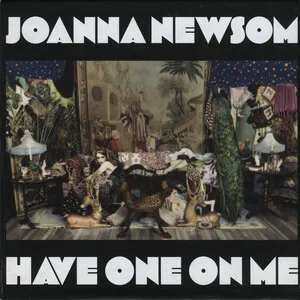
Have One on Me
Joanna Newsom
Folk
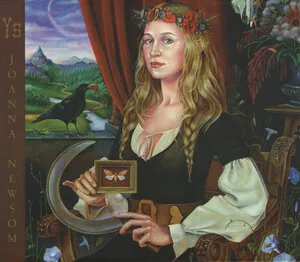
Ys
Joanna Newsom
Folk
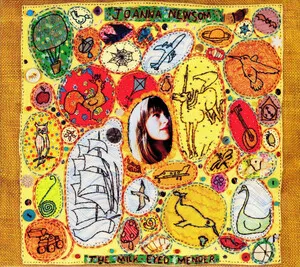
The Milk-Eyed Mender
Joanna Newsom
Psychedelic Folk
Have One on Me
Joanna Newsom
Singer-Songwriter
Ys
Joanna Newsom
Singer-Songwriter
The Milk-Eyed Mender
Joanna Newsom
Freak Folk
Divers
Joanna Newsom
Chamber Folk
Have One on Me
Joanna Newsom
Chamber Folk
Ys
Joanna Newsom
Chamber Folk
Have One on Me
Joanna Newsom
Progressive Folk
Ys
Joanna Newsom
Progressive Folk
Have One on Me
Joanna Newsom
Contemporary Folk
Ys
Joanna Newsom
Contemporary Folk
Ys
Joanna Newsom
Scenes & Movements
The Milk-Eyed Mender
Joanna Newsom
New Weird America
Ys
Joanna Newsom
New Weird America
Similar artists
4
/5
Ichiko Aoba
Shibuya-Kei
Singer-Songwriter
Japanese Indie
4
/5
Nick Drake
Folk
Melancholia
Singer-Songwriter
4
/5
Sufjan Stevens
Singer-Songwriter
Chamber Pop
Indie Rock
4
/5
Van Morrison
Folk Rock
Folk
Rock
1
/5
Various Artists
Afro-Funk
Alternative Rock
Ambient
4
/5
Leonard Cohen
Singer-Songwriter
Rock
Contemporary Folk
4
/5
Natalia Lafourcade
Bolero
Latin Folk
Latin
4
/5
Cameron Winter
Indie Shoegaze
Windmill Scene
Chamber Folk
3
/5
Karen Dalton
Drone Folk
Folk
New Weird America
3
/5
Vashti Bunyan
Psychedelic Folk
New Weird America
Folk
Download our mobile app
Get the Melodigging app and start digging for new genres on the go
Download on the App Store
Get it on Google Play
© 2026 Melodigging
Give feedback
Legal
Melodding was created as a tribute to
Every Noise at Once
, which inspired us to help curious minds keep digging into music's ever-evolving genres.