Your digging level
Description
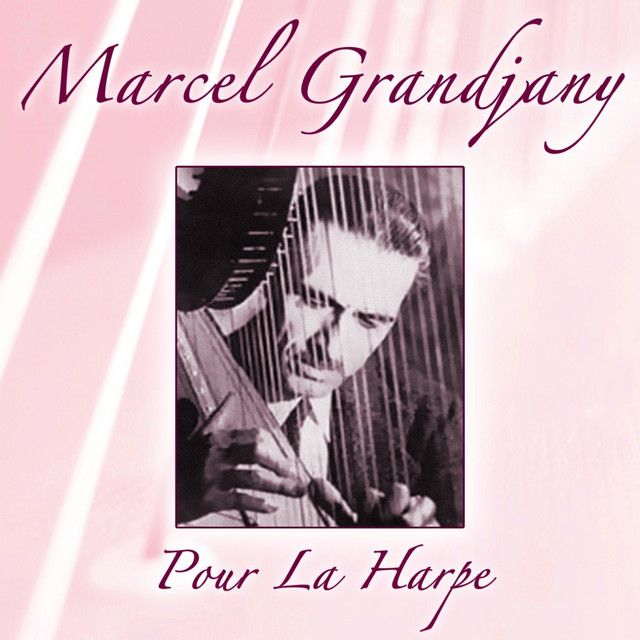
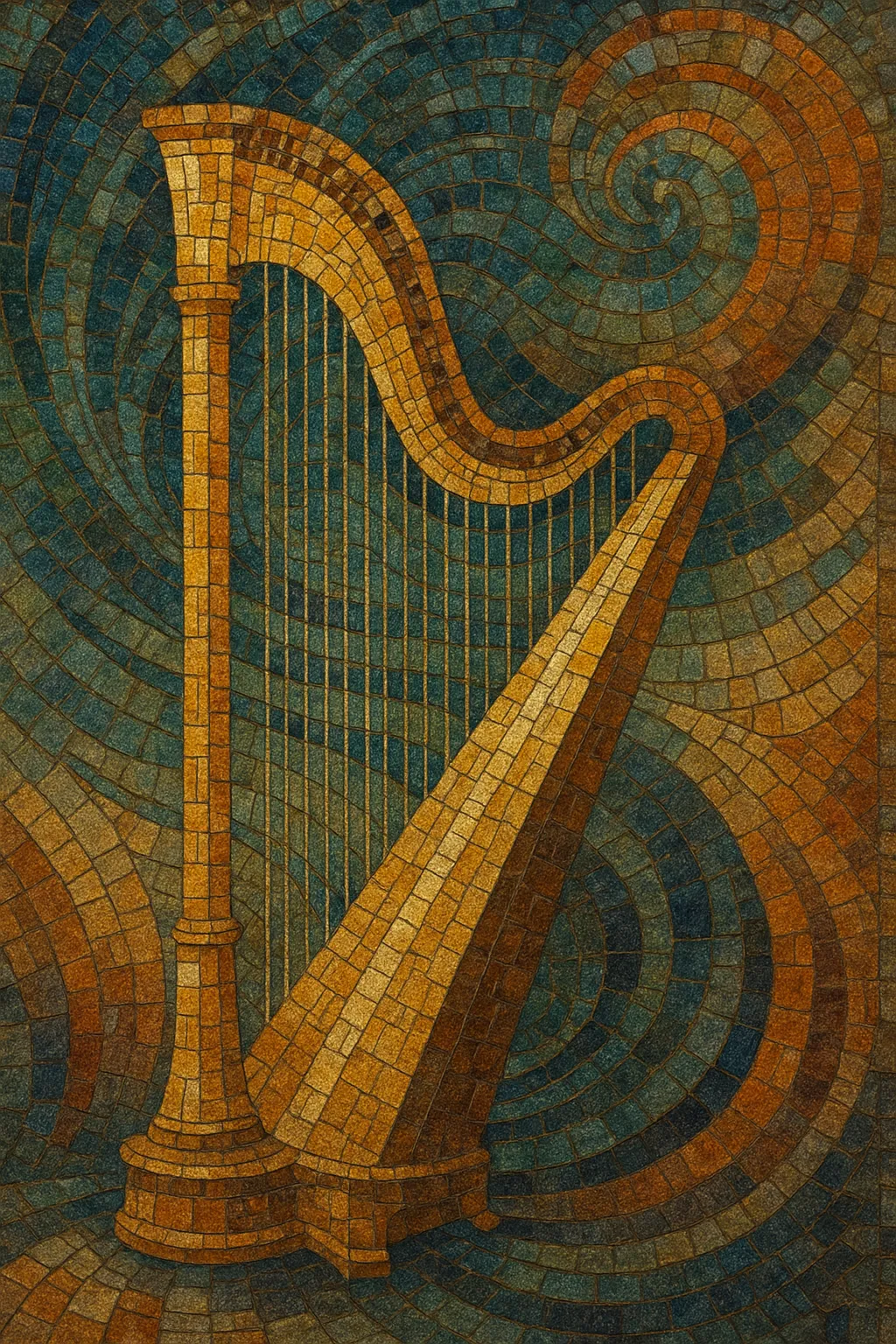
Harp is a style centered on the timbre and techniques of the plucked concert harp and lever (Celtic) harp, often foregrounding arpeggios, rolling chords, glissandi, harmonics, and shimmering ostinatos. It draws on classical pedal‑harp idioms, Celtic and Irish folk traditions, new age ambience, and jazz harmony.
In recordings labeled as “harp,” the instrument typically carries the melody and texture, ranging from intimate solo pieces to chamber and ensemble settings. The music tends to emphasize modal color (e.g., Dorian and Mixolydian), gentle dynamics, and reverberant space, yielding a contemplative, lyrical sound that can move from folk dance lilts to impressionistic tone‑poems and spiritual jazz.


History
Arched and angular harps appear in Mesopotamian and Ancient Egyptian art millennia BCE, and the instrument family spread across Eurasia and Africa (with relatives such as the West African kora and East African begena). Medieval Europe cultivated wire‑ and gut‑strung harps, especially in Gaelic regions.
By the 19th century, Sébastien Érard’s double‑action pedal mechanism standardized the modern concert harp and expanded chromatic possibilities. Composers from Berlioz and Tchaikovsky to Debussy and Ravel wrote signature harp parts; in the 20th century, virtuosi such as Carlos Salzedo and Nicanor Zabaleta codified techniques and concert repertoire.
The 1950s–70s folk revivals in Ireland, Scotland, Brittany, and Wales reignited interest in the lever (Celtic) harp, with artists like Mary O’Hara and Alan Stivell popularizing traditional and modern repertoire. In parallel, jazz harp blossomed via Dorothy Ashby and Alice Coltrane, integrating bebop harmony and spiritual jazz modalities.
From the late 1970s and 1980s, harp took a leading role in new age and ambient recordings (e.g., Andreas Vollenweider), while classical and jazz players explored electric and amplified harps (e.g., Deborah Henson‑Conant, Park Stickney). In the 2000s, indie and chamber‑folk artists (notably Joanna Newsom) normalized harp in singer‑songwriter and art‑pop contexts.
Contemporary “harp” spans classical recitals, Celtic and global folk fusions, spiritual and modal jazz, and atmospheric/new age productions, often recorded with lush room acoustics or subtle electronics to emphasize resonance and overtones.