Genres
Artists
Albums
Make Music
Sign in
Sign in
Artists
Psychedelic Folk
Artists
Psychedelic Folk
Vashti Bunyan
1970–2015
·
5 albums
Listen
3
/5
Genres
Bardcore
Bardcore is an internet-born microgenre in which contemporary pop, hip hop, and rock songs are reimagined as if performed by medieval or early Renaissance minstrels. Arrangements typically substitute modern instrumentation with lutes, harps, recorders, hurdy-gurdies, rebecs, shawms, hand drums, and choir-like vocals, while adapting melodies and harmonies to modal idioms (Dorian, Aeolian, Mixolydian). Lyrics are often translated into faux Middle English or archaic diction, and mixes are treated with intimate, stone-room reverbs to evoke a historical ambience. The result is a playful blend of historical pastiche and modern earworms that embraces both meme culture and early-music aesthetics.
Discover
Listen
Analog Horror
Analog horror is an internet-born horror style that foregrounds the texture and limits of obsolete media. It is characterized by lo‑fi, band‑limited sound, tape hiss, wow and flutter, and the sonic vocabulary of public‑access TV, VHS cassettes, emergency broadcast signals, and numbers stations. In narrative terms, it tends toward cryptic, surreal plots presented as faux archival broadcasts, training films, or interrupted transmissions. Musically, the idiom leans on drones, minimal motifs, degraded samples, and detuned analog synths, using period‑authentic processing to evoke dread, nostalgia, and the uncanny.
Discover
Listen
Reading Indie
Reading indie refers to the contemporary indie-rock and indie-pop scene centered on Reading, Berkshire (UK). It blends jangly and driving guitar textures with anthemic choruses and a distinctly British melodic sensibility. The sound often sits between post-punk revival bite, festival-ready alternative rock, and (via local history) shoegaze shimmer. Songs balance energetic, danceable rhythms with bittersweet, small‑town storytelling and youthful urgency, making the style travel well from clubs to big outdoor stages.
Discover
Listen
New Weird America
New Weird America (NWA) is a loosely defined early‑2000s U.S. movement that revived and mutated psychedelic and folk traditions through a DIY, experimental lens. It blends psych folk, free folk, drone, and outsider Americana with lo‑fi recording aesthetics, extended improvisation, and a surreal, pastoral sensibility. Rather than a strict genre, NWA describes a network of artists, collectives, and small labels who favored open tunings and acoustic timbres alongside noise, field recordings, tape hiss, and communal performance practices. The results range from intimate, childlike songs to sprawling trance‑drone ritual, all united by a fascination with the “old, weird” folk imaginary filtered through contemporary indie and experimental cultures.
Discover
Listen
Chamber Folk
Chamber folk blends singer‑songwriter and traditional folk songwriting with the textures and arranging techniques of chamber music. Acoustic guitar, harp, or piano typically carry the song, while small ensembles of strings and woodwinds provide counter‑melodies, pedal drones, and delicate harmonic color. The style favors intimate vocals, close‑miked acoustic timbres, and nuanced dynamics over percussive drive. Arrangements often develop patiently, using techniques like pizzicato, harmonics, and gentle swells to underline narrative, pastoral, or reflective lyrics. The overall mood is warm, detailed, and quietly expansive.
Discover
Listen
Freak Folk
Freak folk is a 2000s revival and mutation of psychedelic and traditional folk that embraces eccentric vocals, surreal lyrics, and homespun, experimental arrangements. It blends fingerpicked acoustics and hand percussion with harps, harmoniums, toy instruments, and found sounds, often recorded in lo‑fi, intimate settings. Aesthetically, it is earthy yet otherworldly: pastoral melodies, drones, and modal harmonies coexist with whimsical, childlike timbres and mystical imagery. The scene is closely associated with the New Weird America movement, valuing communal creativity, DIY production, and a porous boundary between folk tradition and avant‑garde exploration.
Discover
Listen
Psychedelic Folk
Psychedelic folk (often called acid folk or psych folk) blends the acoustic intimacy and modal harmony of traditional folk with the exploratory textures, surreal lyricism, and studio experimentation of psychedelic music. It typically favors acoustic guitars, hand percussion, flutes, drones (e.g., tambura or harmonium), and small acoustic instruments, while embracing effects such as reverb, delay, tape manipulation, field recordings, and unconventional song structures. Lyrics tend toward the pastoral, mystical, and dreamlike—drawing on folklore, nature, and visionary or inward-looking themes. Musically, it often uses modal melodies (Dorian, Mixolydian), drones, fingerstyle guitar in open tunings, and hypnotic ostinatos, creating a hazy, otherworldly atmosphere that sits between singer‑songwriter intimacy and psychedelic exploration.
Discover
Listen
Folk Rock
Folk rock is a fusion genre that blends the narrative lyricism, modal melodies, and acoustic timbres of traditional folk with the backbeat, amplification, and song structures of rock. It typically pairs acoustic or traditional instruments (acoustic guitar, mandolin, fiddle) with a rock rhythm section (electric guitar, bass, drums), often featuring chiming 12‑string guitar textures, close vocal harmonies, and socially conscious or storytelling lyrics. The result ranges from intimate, reflective ballads with a steady backbeat to more anthemic, roots‑driven rock. Emerging in the mid‑1960s through artists such as Bob Dylan and The Byrds, folk rock became a gateway for traditional and roots materials to enter mainstream popular music, and it seeded later movements from country rock and Americana to jangle pop and modern indie folk.
Discover
Listen
Contemporary Folk
Contemporary folk is a modern evolution of traditional folk aesthetics centered on intimate storytelling, clear melodies, and largely acoustic instrumentation. It favors voice-forward production, fingerpicked or gently strummed guitars, and arrangements that leave space for lyrics to resonate. While rooted in older folk ballad traditions, contemporary folk embraces current themes, production values, and song forms. Artists often blend guitar, banjo, mandolin, fiddle, upright or electric bass, light percussion, and close vocal harmonies, creating a warm, organic sound. The genre frequently addresses personal reflection, social issues, place, memory, and identity, balancing timeless simplicity with contemporary sensibilities.
Discover
Listen
Folk Pop
Folk pop is a commercially friendly blend of traditional folk sensibilities and modern pop songwriting. It preserves the acoustic instrumentation, close harmonies, and storytelling of folk while adopting pop structures, memorable hooks, and radio-ready production. The genre is marked by clear vocals, singalong choruses, and warm, organic textures built around acoustic guitar, light percussion, and sometimes banjo, mandolin, or strings. Lyrically it is personal and narrative-driven, often touching on love, memory, place, and everyday life in a direct and relatable way.
Discover
Listen
Singer-Songwriter
Singer-songwriter is a song-focused style in which the same person writes, composes, and performs their own material, often accompanying themselves on acoustic guitar or piano. It emphasizes personal voice, lyrical intimacy, and storytelling over elaborate production. Arrangements are typically sparse, allowing the melody, words, and performance nuance to carry the song’s emotional weight. While rooted in folk and blues traditions, singer-songwriter embraces pop and rock songcraft, producing works that can range from quiet confessional ballads to subtly orchestrated, radio-ready pieces.
Discover
Listen
Rock
Rock is a broad family of popular music centered on amplified instruments, a strong backbeat, and song forms that foreground riffs, choruses, and anthemic hooks. Emerging from mid‑20th‑century American styles like rhythm & blues, country, and gospel-inflected rock and roll, rock quickly expanded in scope—absorbing folk, blues, and psychedelic ideas—while shaping global youth culture. Core sonic markers include electric guitar (often overdriven), electric bass, drum kit emphasizing beats 2 and 4, and emotive lead vocals. Rock songs commonly use verse–chorus structures, blues-derived harmony, and memorable melodic motifs, ranging from intimate ballads to high‑energy, stadium‑sized performances.
Discover
Listen
Pop
Pop is a broad, hook-driven style of popular music designed for wide appeal. It emphasizes memorable melodies, concise song structures, polished vocals, and production intended for radio, charts, and mass media. While pop continually absorbs elements from other styles, its core remains singable choruses, accessible harmonies, and rhythmic clarity. Typical forms include verse–pre-chorus–chorus, frequent use of bridges and middle-eights, and ear-catching intros and outros. Pop is not defined by a single instrumentation. It flexibly incorporates acoustic and electric instruments, drum machines, synthesizers, and increasingly digital production techniques, always in service of the song and the hook.
Discover
Listen
Second British Folk Revival
The Second British Folk Revival was a mid-20th-century resurgence of interest in traditional song and dance music of the British Isles. Emerging in the years after World War II, it drew on field-collecting, scholarship, and a growing network of folk clubs to bring ballads, sea songs, and dance tunes back into contemporary performance. By the late 1960s and early 1970s, the movement broadened from unaccompanied singing and acoustic ensembles to "electric folk" (or British folk rock), as bands adapted traditional repertoire with drum kits and amplified instruments. Its peak arrived in the early-to-mid 1970s, after which its mainstream visibility faded, though the repertoire, techniques, and community structures it fostered have remained foundational for later folk, singer-songwriter, and indie-folk scenes.
Discover
Listen
Folk
Folk is a song-centered acoustic tradition rooted in community storytelling, everyday life, and social history. It emphasizes clear melodies, simple harmonies, and lyrics that foreground narrative, protest, and personal testimony. As a modern recorded genre, folk coalesced in the early-to-mid 20th century in the United States out of older ballad, work song, and rural dance traditions. It typically features acoustic instruments (guitar, banjo, fiddle, mandolin, harmonica), strophic song forms, and participatory singing (choruses, call-and-response).
Discover
Listen
Show all 15 genres
Albums
2015
3
/5
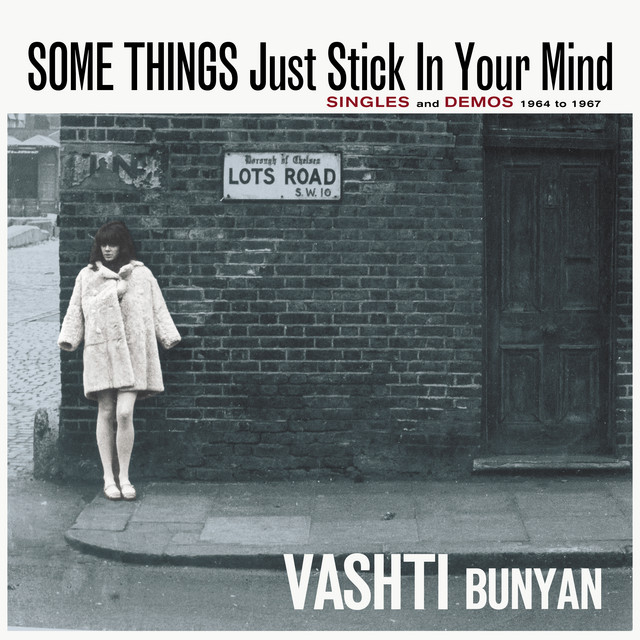
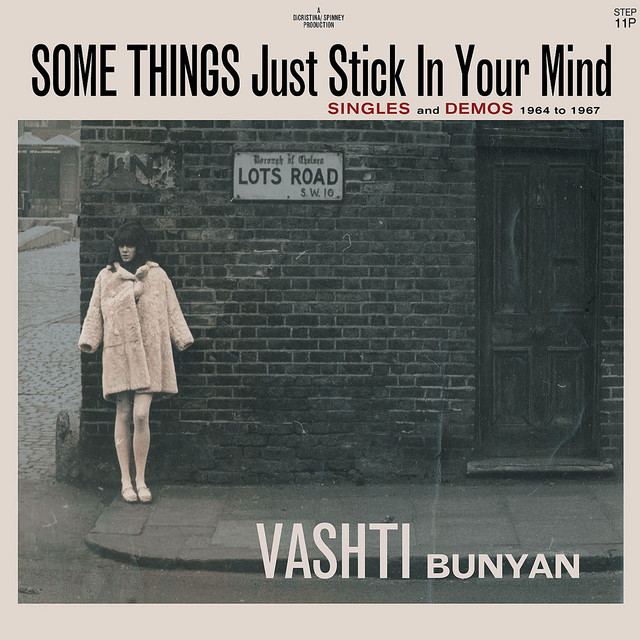
Some Things Just Stick In Your Mind
Vashti Bunyan
Psychedelic Folk
New Weird America
2007
3
/5
Some Things Just Stick In Your Mind (Singles And Demos 1964 To 1967)
Vashti Bunyan
Psychedelic Folk
2005
2
/5
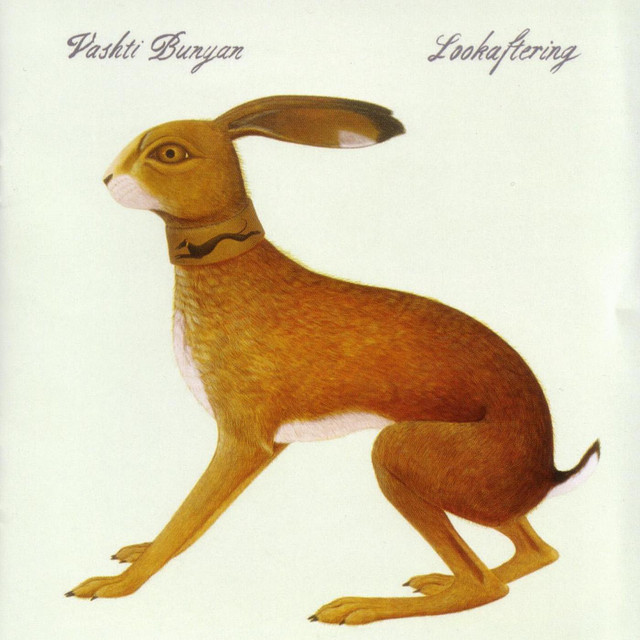
Lookaftering
Vashti Bunyan
Psychedelic Folk
Folk
Folk Rock
1970
3
/5
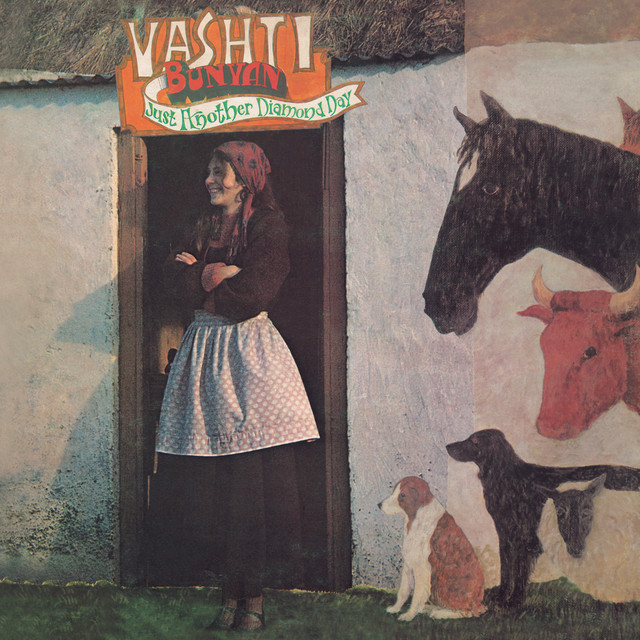
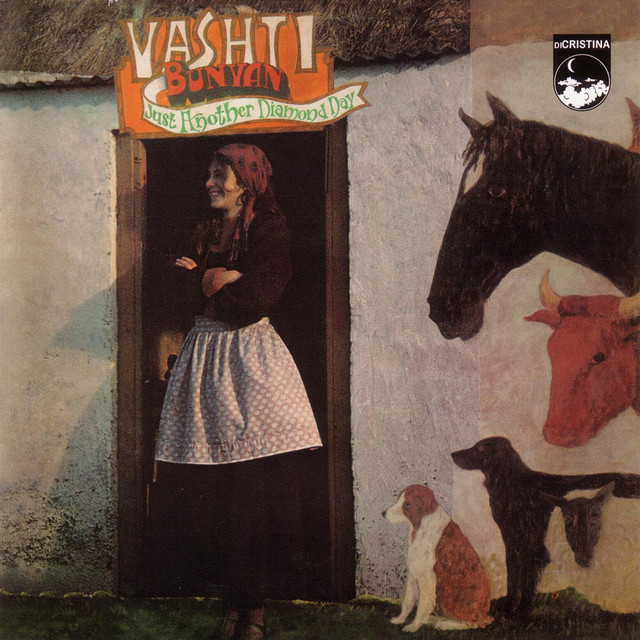
Just Another Diamond Day
Vashti Bunyan
Psychedelic Folk
New Weird America
1970
3
/5
Just Another Diamond Day
Vashti Bunyan
Second British Folk Revival
Psychedelic Folk
Chamber Folk
Similar artists
1
/5
Various Artists
Afro-Funk
Alternative Rock
Ambient
3
/5
Animal Collective
Freak Folk
Neo-Psychedelia
Experimental
3
/5
John Martyn
Psychedelic Folk
Folk
Folk Rock
3
/5
Tim Buckley
Psychedelic Folk
Folk
Folk Rock
3
/5
Donovan
Psychedelic Folk
Folk Rock
Folk
3
/5
Devendra Banhart
Freak Folk
New Weird America
Chamber Pop
1
/5
Espers
Folk
Folk Rock
New Weird America
3
/5
Joanna Newsom
Chamber Folk
New Weird America
Contemporary Folk
2
/5
Roy Harper
Psychedelic Folk
Acid Rock
Folk
2
/5
Natural Snow Buildings
Drone
Experimental
Free Folk
Download our mobile app
Get the Melodigging app and start digging for new genres on the go
Download on the App Store
Get it on Google Play
© 2026 Melodigging
Give feedback
Legal
Melodding was created as a tribute to
Every Noise at Once
, which inspired us to help curious minds keep digging into music's ever-evolving genres.