Genres
Artists
Albums
Make Music
Sign in
Sign in
Artists
Folk
Artists
Folk
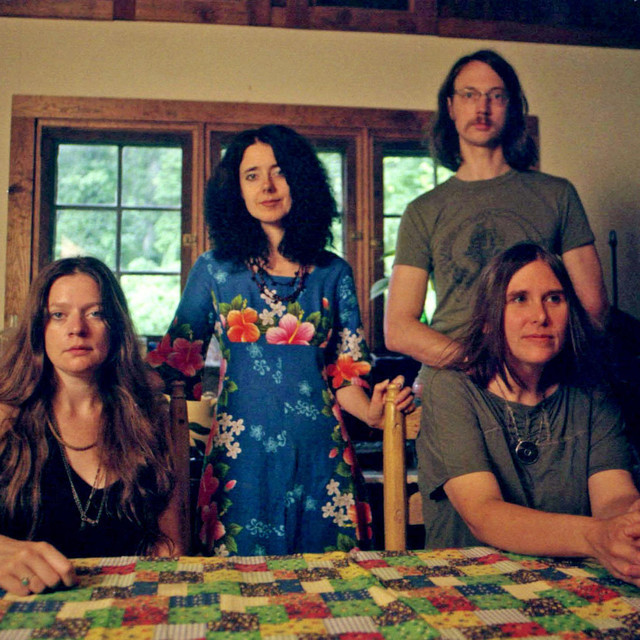
Espers
2006–2020
·
3 albums
Listen
1
/5
Genres
New Weird America
New Weird America (NWA) is a loosely defined early‑2000s U.S. movement that revived and mutated psychedelic and folk traditions through a DIY, experimental lens. It blends psych folk, free folk, drone, and outsider Americana with lo‑fi recording aesthetics, extended improvisation, and a surreal, pastoral sensibility. Rather than a strict genre, NWA describes a network of artists, collectives, and small labels who favored open tunings and acoustic timbres alongside noise, field recordings, tape hiss, and communal performance practices. The results range from intimate, childlike songs to sprawling trance‑drone ritual, all united by a fascination with the “old, weird” folk imaginary filtered through contemporary indie and experimental cultures.
Discover
Listen
Wyrd Folk
Wyrd folk is a contemporary, experimental strain of folk that blends traditional balladry and acoustic instrumentation with psychedelia, ritualistic drones, and a subtly uncanny, pastoral mood. It often sounds intimate and handmade—fingerpicked guitars, harmoniums, fiddles, flutes, and dulcimers are common—yet it introduces tape hiss, room ambience, drones, and spectral harmonies to tilt the sound toward the otherworldly. The style draws on British and Celtic folk idioms, the 1960s/70s acid-folk lineage, and the early-2000s “new weird” movement. Lyrics tend to reference folklore, landscape, esoterica, and myth; forms may be circular or chant-like, encouraging a trancey, contemplative state rather than a conventional verse–chorus release. The result is music that feels both ancient and modern: rustic in timbre, but unafraid of collage, ambience, and experimental arrangement.
Discover
Listen
Indie Rock
Indie rock is a subgenre of rock and a branch of alternative rock that coalesced in the early–mid 1980s around independent labels and DIY practices in the United Kingdom, the United States, and New Zealand. Defined less by a single sound than by an ethos, indie rock favors non‑mainstream approaches, self‑recording and small‑label distribution, and an interest in pop‑informed melody and eclectic experimentation. Hallmarks include jangly or fuzzed guitars, intimate or deadpan vocals, off‑kilter song structures, and production that often preserves a raw, “authentic” feel rather than glossy studio polish.
Discover
Listen
Dark Folk
Dark folk is a somber, acoustic-centered branch of folk that blends minor-key songwriting with post-industrial atmospheres and gothic aesthetics. It often favors intimate, close-mic’d vocals; fingerpicked classical or steel‑string guitars; and sparse, martial or ritual percussion. Arrangements tend to be minimalist yet textural: drones, harmonium or accordion beds, bowed strings (violin, cello), and occasional field recordings or analog hiss deepen the mood. Lyrics explore themes of memory, decay, paganism, esotericism, romanticism, and the natural world, presented in a reflective or incantatory tone. The result is music that feels both archaic and modern—rural in timbre yet post-industrial in spirit.
Discover
Listen
Folk Rock
Folk rock is a fusion genre that blends the narrative lyricism, modal melodies, and acoustic timbres of traditional folk with the backbeat, amplification, and song structures of rock. It typically pairs acoustic or traditional instruments (acoustic guitar, mandolin, fiddle) with a rock rhythm section (electric guitar, bass, drums), often featuring chiming 12‑string guitar textures, close vocal harmonies, and socially conscious or storytelling lyrics. The result ranges from intimate, reflective ballads with a steady backbeat to more anthemic, roots‑driven rock. Emerging in the mid‑1960s through artists such as Bob Dylan and The Byrds, folk rock became a gateway for traditional and roots materials to enter mainstream popular music, and it seeded later movements from country rock and Americana to jangle pop and modern indie folk.
Discover
Listen
Baroque Pop
Baroque pop is a mid‑1960s fusion of contemporary pop/rock songwriting with the timbres, textures, and contrapuntal techniques of Baroque and broader European classical music. It is marked by harpsichord and piano doubling, string quartets or small orchestras, woodwinds (oboe, recorder, bassoon), French horn and piccolo trumpet colors, and melody‑forward arrangements that favor counter‑melodies and suspensions over riff‑based accompaniment. Harmonies tend to be richer than standard rock, with chromatic voice‑leading, circle‑of‑fifths motion, deceptive cadences, and occasional modulations. Production is usually lush and reverberant, supporting reflective, often nostalgic or romantic lyrics. Although it overlaps with orchestral pop and psychedelic pop, baroque pop is distinguished by its chamber‑scale instrumentation, Baroque idioms (basso continuo feel, ornamented lines), and the way classical elements are woven into compact pop song forms.
Discover
Listen
Psychedelic Rock
Psychedelic rock is a style of rock music that seeks to evoke, simulate, and expand altered states of consciousness through sound. It typically features timbral experimentation (fuzz, wah, tape delay, phasing), drones, modal or raga-influenced harmony, extended improvisation, studio-as-instrument production, and surreal, mystical, or mind-expanding lyrics. Emerging from mid-1960s counterculture, it fused garage-band energy with folk, blues, and non-Western musical ideas—especially Indian classical ragas—while embracing new studio technologies and concert light shows. Both a live and a studio art, psychedelic rock ranges from jangly, kaleidoscopic pop to heavy, hypnotic jams and cosmic soundscapes.
Discover
Listen
Rock
Rock is a broad family of popular music centered on amplified instruments, a strong backbeat, and song forms that foreground riffs, choruses, and anthemic hooks. Emerging from mid‑20th‑century American styles like rhythm & blues, country, and gospel-inflected rock and roll, rock quickly expanded in scope—absorbing folk, blues, and psychedelic ideas—while shaping global youth culture. Core sonic markers include electric guitar (often overdriven), electric bass, drum kit emphasizing beats 2 and 4, and emotive lead vocals. Rock songs commonly use verse–chorus structures, blues-derived harmony, and memorable melodic motifs, ranging from intimate ballads to high‑energy, stadium‑sized performances.
Discover
Listen
Folk
Folk is a song-centered acoustic tradition rooted in community storytelling, everyday life, and social history. It emphasizes clear melodies, simple harmonies, and lyrics that foreground narrative, protest, and personal testimony. As a modern recorded genre, folk coalesced in the early-to-mid 20th century in the United States out of older ballad, work song, and rural dance traditions. It typically features acoustic instruments (guitar, banjo, fiddle, mandolin, harmonica), strophic song forms, and participatory singing (choruses, call-and-response).
Discover
Listen
Show all 9 genres
Albums
2020
1
/5
Espers
Espers
Wyrd Folk
New Weird America
Folk
2020
1
/5
The Weed Tree
Espers
Wyrd Folk
New Weird America
Folk Rock
2006
2
/5
II
Espers
Wyrd Folk
New Weird America
Folk Rock
Similar artists
1
/5
Various Artists
Afro-Funk
Alternative Rock
Ambient
3
/5
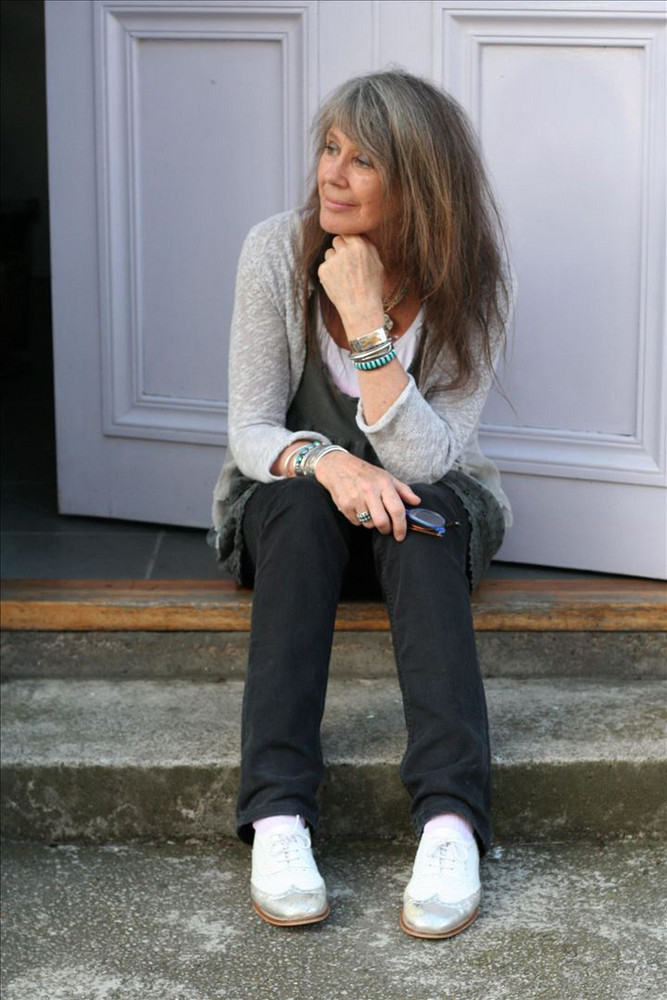
Vashti Bunyan
Psychedelic Folk
New Weird America
Folk
3
/5
Devendra Banhart
Freak Folk
New Weird America
Chamber Pop
2
/5
Hexvessel
New Weird Finland
Folk Rock
Psychedelic Rock
2
/5
The Incredible String Band
Folk Rock
Acid Rock
Folk
4
/5
Mumford & Sons
Folk
Folk Rock
Modern Folk Rock
4
/5
Bob Dylan
Folk Rock
Roots Rock
Rock
4
/5
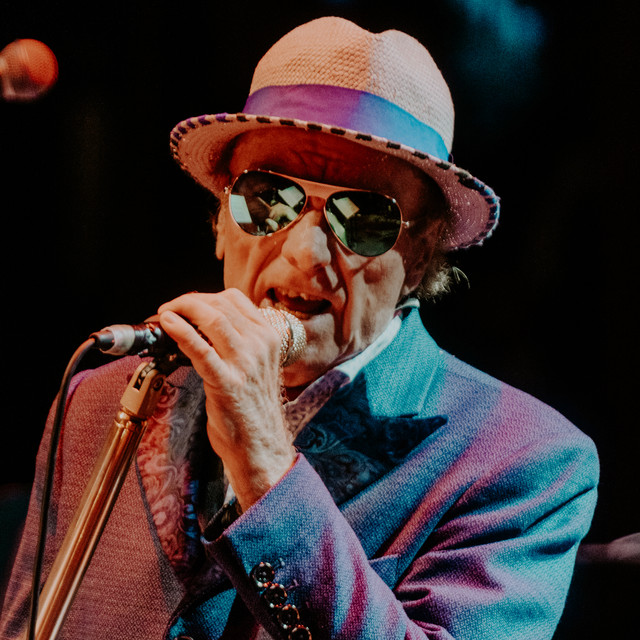
Van Morrison
Folk Rock
Folk
Rock
4
/5
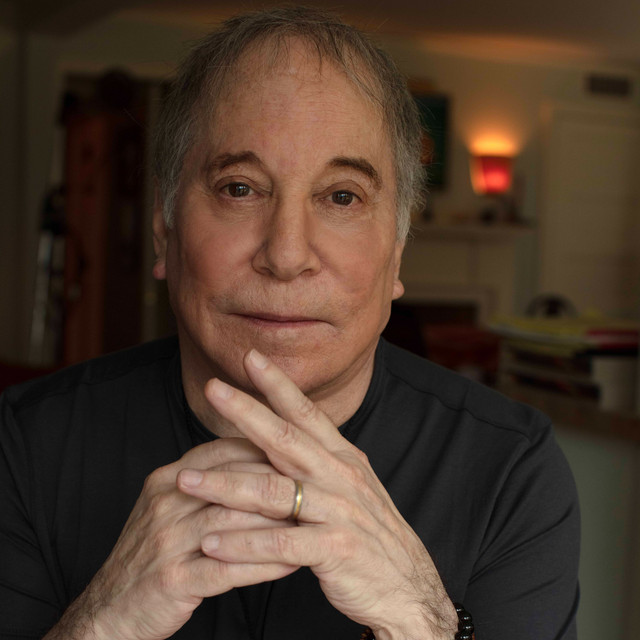
Paul Simon
Folk
Rock
Pop
4
/5
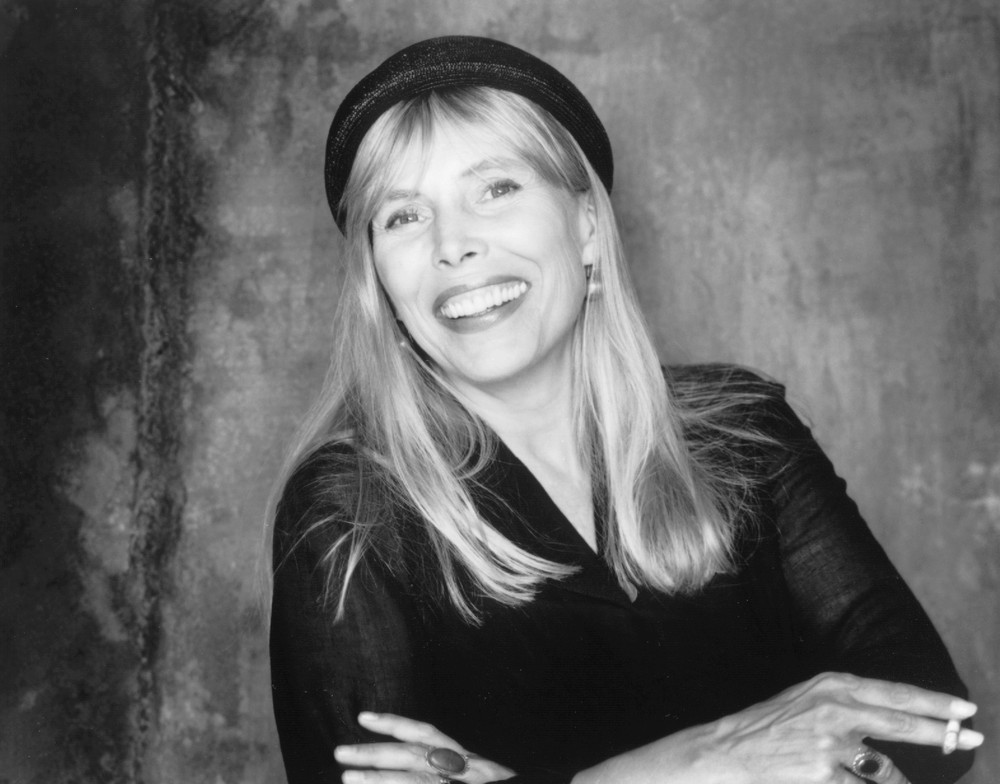
Joni Mitchell
Folk
Folk Rock
Laurel Canyon Scene
Download our mobile app
Get the Melodigging app and start digging for new genres on the go
Download on the App Store
Get it on Google Play
© 2026 Melodigging
Give feedback
Legal
Melodding was created as a tribute to
Every Noise at Once
, which inspired us to help curious minds keep digging into music's ever-evolving genres.