Genres
Artists
Albums
Make Music
Sign in
Sign in
Artists
Indie Folk
Artists
Indie Folk
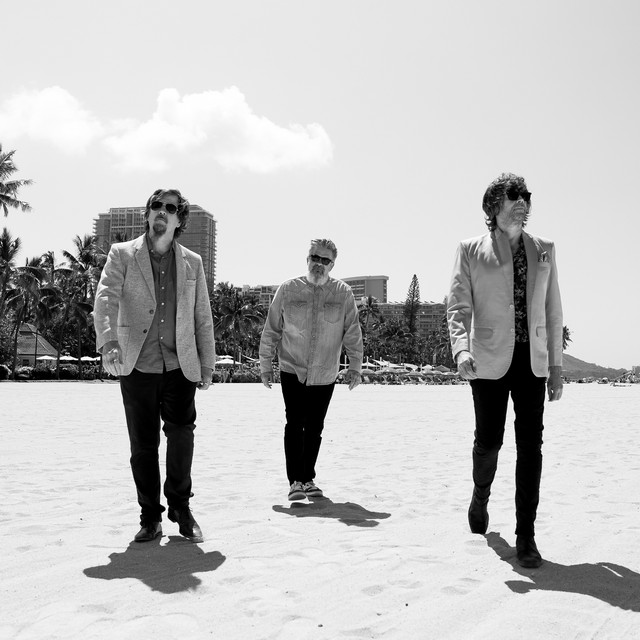
Mount Eerie
2008–2024
·
6 albums
Listen
3
/5
Genres
Melancholia
Melancholia is an internet-era microgenre centered on soft-focus, sorrow-tinged pop and indie songs that foreground intimacy, space, and emotional candor. Tracks are typically slow to mid‑tempo, sung in a close, almost confessional register, and framed by sparse, reverb‑soaked textures. Sonically it lives between dream pop, bedroom pop, and slowcore: shimmering guitars or wistful synth pads drift over understated beats; piano, acoustic guitar, and low‑key electronic drums carry muted, pulsing grooves. Harmonies often favor minor keys, suspended chords, and gentle extensions (7ths/9ths) that heighten a bittersweet glow. Lyrically, melancholia lingers on solitude, late‑night self‑reflection, breakups, and fragile hope. The genre coalesced through streaming playlists and social media, where its hush, negative space, and diaristic tone translate into a cohesive, instantly recognizable mood.
Discover
Listen
Countrygaze
Countrygaze blends the twang, storytelling, and chord language of alt‑country/Americana with the hazy, textural walls of sound associated with shoegaze and dream pop. Expect pedal steel or slide guitar swimming in reverb and delay, saturated or blown‑out rhythm guitars, and soft, breathy vocals mixed as another texture rather than a dominant lead. The tempos often sit in a mid‑slow sway, while lyrics lean on small‑town imagery, highways, weather, memory, and bittersweet relationships. The result is music that feels both dust‑covered and cloud‑drifted: intimate, earthy narratives wrapped in a dreamy, saturated envelope.
Discover
Listen
Indie Folk
Indie folk blends the DIY ethos and sonic aesthetics of independent rock with the acoustic instrumentation, intimate storytelling, and melodic simplicity of traditional folk. Timbres are typically warm and organic—fingerpicked acoustic guitars, close-mic’d vocals, subtle percussion, and spare ornamentation from banjo, mandolin, harmonium, or strings. Production often favors natural room ambiance, tape hiss, and gentle compression over glossy polish, creating a sense of proximity and emotional candor. Lyrically, the style is reflective and poetic, focusing on personal narratives, place, nature, spirituality, and memory. Harmony tends to be diatonic and modal, with drones, open tunings, and layered vocal harmonies adding depth. While understated, arrangements can scale into lush, choir-like textures and chamber-folk swells, balancing fragility with grandeur.
Discover
Listen
Slacker Rock
Slacker rock is a laid‑back, guitar‑driven strain of indie/alternative rock defined by unpolished production, loose performances, and wry, deadpan lyric delivery. It foregrounds everyday details, irony, and self‑deprecating humor, often embracing tape hiss, off‑kilter timing, and a casually jangly guitar sound rather than polish or virtuosity. The style emerged from U.S. indie scenes in the early 1990s, fusing the melodicism of jangle pop and power pop with a DIY lo‑fi ethos and the shrugging, anti‑careerist stance of underground rock.
Discover
Listen
Slowcore
Slowcore is a minimalist strain of indie rock defined by extremely slow tempos, hushed dynamics, and sparse arrangements. It emphasizes space, sustain, and emotional restraint over volume or virtuosity, often using clean guitars, soft drumming, and intimate vocals to create a glacial, contemplative atmosphere. Lyrically, it gravitates toward introspection, memory, and everyday melancholy, with melodies that unfold patiently and harmonies that remain simple and diatonic. The result is music that feels heavy with quiet, where silence and decay are as expressive as the notes themselves.
Discover
Listen
Post-Rock
Post-rock is a style that uses traditional rock instrumentation—guitars, bass, drums, and often piano or strings—to create expansive textures, evolving soundscapes, and dynamic arcs rather than conventional verse–chorus songs. It emphasizes timbre, atmosphere, and gradual development: clean or lightly overdriven guitars drenched in delay and reverb, cyclical ostinatos, layered crescendos, and pronounced quiet–loud dynamics. Vocals, if present, are often sparse, wordless, or treated as another textural layer. The genre draws heavily from ambient, minimalism, krautrock, progressive and space rock, shoegaze, noise rock, and experimental practices, yielding music that can feel cinematic, contemplative, and emotionally cathartic.
Discover
Listen
Anti-Folk
Anti-folk is a subversive, DIY-minded offshoot of folk that blends the confessional songwriting of the 1960s coffeehouse scene with the irreverence, speed, and attitude of punk. It favors raw, often lo-fi production, simple chord progressions, direct melodies, and sardonic, self-aware lyrics that skewer both mainstream pop and earnest folk orthodoxy. Performances typically feel intimate and unvarnished, privileging personality, humor, and immediacy over polish. The scene coalesced around New York City’s Lower East Side/East Village in the 1980s and 1990s, later inspiring companion scenes in the UK and Europe. Anti-folk’s tone ranges from playful and comedic to biting and political, but it consistently celebrates individuality, candor, and a hand-made aesthetic.
Discover
Listen
Indie Rock
Indie rock is a subgenre of rock and a branch of alternative rock that coalesced in the early–mid 1980s around independent labels and DIY practices in the United Kingdom, the United States, and New Zealand. Defined less by a single sound than by an ethos, indie rock favors non‑mainstream approaches, self‑recording and small‑label distribution, and an interest in pop‑informed melody and eclectic experimentation. Hallmarks include jangly or fuzzed guitars, intimate or deadpan vocals, off‑kilter song structures, and production that often preserves a raw, “authentic” feel rather than glossy studio polish.
Discover
Listen
Noise Pop
Noise pop blends the tunefulness and hook-centric structures of pop with abrasive textures such as feedback, distortion, and tape hiss. It typically features bright, simple melodies buried beneath a dense, overdriven "wall of sound," with vocals often mixed low or coated in reverb. The aesthetic draws on 1960s girl-group and power-pop songwriting but delivers it through punk-informed energy and noise-rock sonics, creating music that is simultaneously sweet and scuffed.
Discover
Listen
Singer-Songwriter
Singer-songwriter is a song-focused style in which the same person writes, composes, and performs their own material, often accompanying themselves on acoustic guitar or piano. It emphasizes personal voice, lyrical intimacy, and storytelling over elaborate production. Arrangements are typically sparse, allowing the melody, words, and performance nuance to carry the song’s emotional weight. While rooted in folk and blues traditions, singer-songwriter embraces pop and rock songcraft, producing works that can range from quiet confessional ballads to subtly orchestrated, radio-ready pieces.
Discover
Listen
Avant-Folk
Avant-folk is a strand of folk music that applies avant-garde, experimental, and modernist techniques to traditional song forms, instrumental vocabularies, and storytelling. It retains acoustic timbres and folk modalities while embracing unusual tunings, extended techniques, drones, free improvisation, tape collage, and nonstandard song structures. The result is music that sounds rooted and ancient yet exploratory and boundary-pushing, often intimate in texture but radical in form.
Discover
Listen
Contemporary Folk
Contemporary folk is a modern evolution of traditional folk aesthetics centered on intimate storytelling, clear melodies, and largely acoustic instrumentation. It favors voice-forward production, fingerpicked or gently strummed guitars, and arrangements that leave space for lyrics to resonate. While rooted in older folk ballad traditions, contemporary folk embraces current themes, production values, and song forms. Artists often blend guitar, banjo, mandolin, fiddle, upright or electric bass, light percussion, and close vocal harmonies, creating a warm, organic sound. The genre frequently addresses personal reflection, social issues, place, memory, and identity, balancing timeless simplicity with contemporary sensibilities.
Discover
Listen
Rock
Rock is a broad family of popular music centered on amplified instruments, a strong backbeat, and song forms that foreground riffs, choruses, and anthemic hooks. Emerging from mid‑20th‑century American styles like rhythm & blues, country, and gospel-inflected rock and roll, rock quickly expanded in scope—absorbing folk, blues, and psychedelic ideas—while shaping global youth culture. Core sonic markers include electric guitar (often overdriven), electric bass, drum kit emphasizing beats 2 and 4, and emotive lead vocals. Rock songs commonly use verse–chorus structures, blues-derived harmony, and memorable melodic motifs, ranging from intimate ballads to high‑energy, stadium‑sized performances.
Discover
Listen
Experimental
Experimental music is an umbrella term for practices that prioritize exploration, process, and discovery over adherence to established genre norms. It embraces new sound sources, nonstandard tuning systems, indeterminacy and chance operations, graphic and open-form scores, extended techniques, and technology-led sound design (tape, electronics, computers, and live processing). Rather than a single style, it is a methodology and ethos: testing hypotheses about sound, structure, and performance, often blurring boundaries between composition, improvisation, sound art, and performance art. Listeners can expect unfamiliar timbres, unusual forms, and an emphasis on how music is made as much as the resulting sound.
Discover
Listen
Folk
Folk is a song-centered acoustic tradition rooted in community storytelling, everyday life, and social history. It emphasizes clear melodies, simple harmonies, and lyrics that foreground narrative, protest, and personal testimony. As a modern recorded genre, folk coalesced in the early-to-mid 20th century in the United States out of older ballad, work song, and rural dance traditions. It typically features acoustic instruments (guitar, banjo, fiddle, mandolin, harmonica), strophic song forms, and participatory singing (choruses, call-and-response).
Discover
Listen
Show all 15 genres
Albums
2024
2
/5
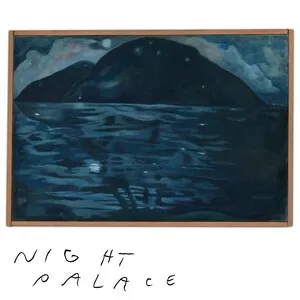
Night Palace
Mount Eerie
Avant-Folk
Slacker Rock
Post-Rock
2024
1
/5
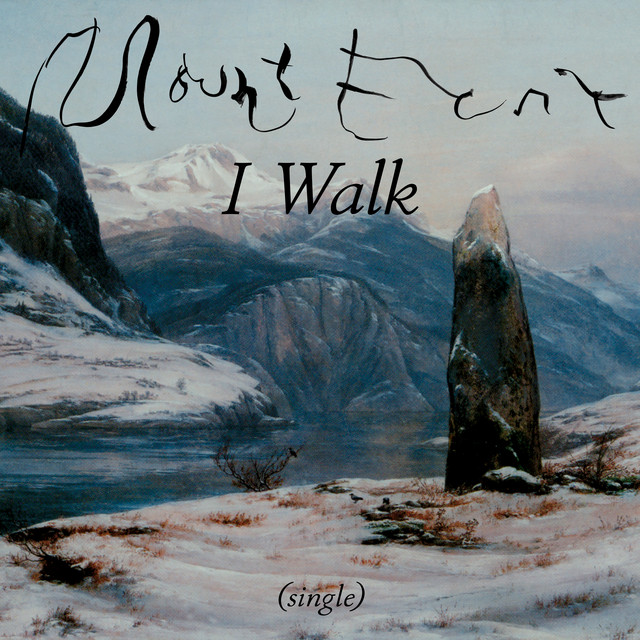
I Walk
Mount Eerie
Anti-Folk
Noise Pop
2017
3
/5
A Crow Looked at Me
Mount Eerie
Indie Folk
Contemporary Folk
Folk
2009
2
/5
Wind's Poem
Mount Eerie
Avant-Folk
2008
3
/5
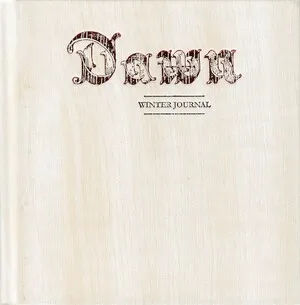
Dawn: Winter Journal
Mount Eerie
Indie Folk
Rock
Singer-Songwriter
2008
2
/5
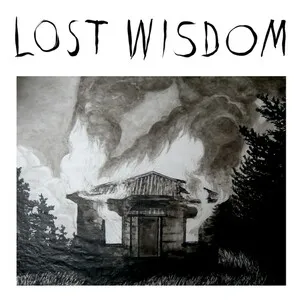
Lost Wisdom
Mount Eerie, Julie Doiron & Fred Squire
Indie Folk
Indie Rock
Rock
Similar artists
3
/5
The Mountain Goats
New Weird America
Indie Folk
Rock
3
/5
The Microphones
Indie Folk
Anti-Folk
Avant-Folk
3
/5
Neutral Milk Hotel
Elephant 6
Indie Rock
Rock
4
/5
Sufjan Stevens
Singer-Songwriter
Chamber Pop
Indie Rock
4
/5
Patrick Watson
Indie Québécois
Indie Folk
Indie Rock
3
/5
Ani DiFranco
Anti-Folk
Folk Rock
Rock
5
/5
Mac DeMarco
Lo-Fi Indie
Indie Rock
Slacker Rock
5
/5
Phoebe Bridgers
Indie Pop
Folk
Indie Folk
4
/5
Elliott Smith
Indie Rock
Singer-Songwriter
Melancholia
3
/5
Songs: Ohia
Slowcore
Rock
Indie Rock
Download our mobile app
Get the Melodigging app and start digging for new genres on the go
Download on the App Store
Get it on Google Play
© 2026 Melodigging
Give feedback
Legal
Melodding was created as a tribute to
Every Noise at Once
, which inspired us to help curious minds keep digging into music's ever-evolving genres.