Genres
Artists
Albums
Make Music
Sign in
Sign in
Artists
Progressive Groove Metal
Artists
Progressive Groove Metal
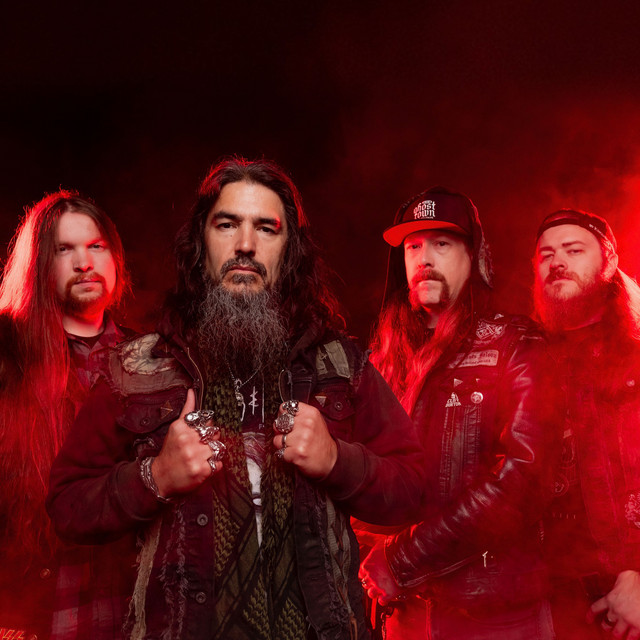
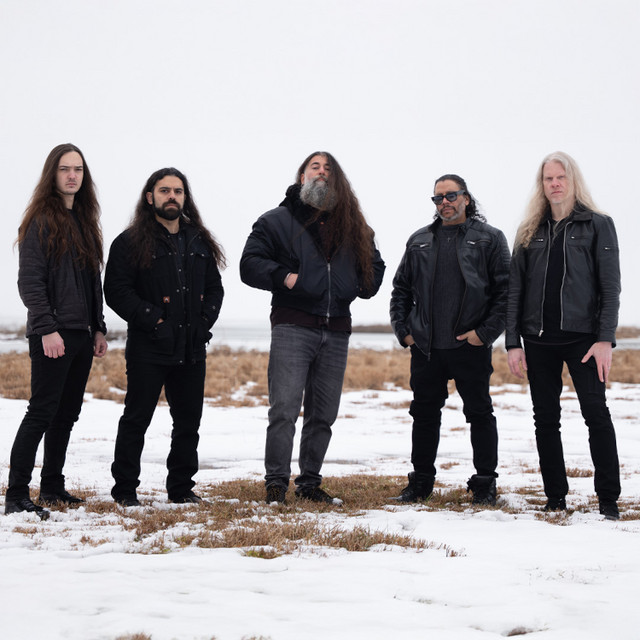
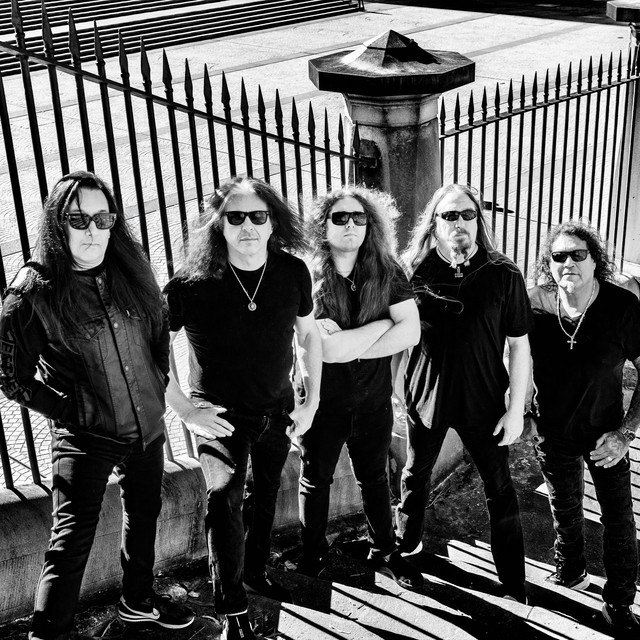
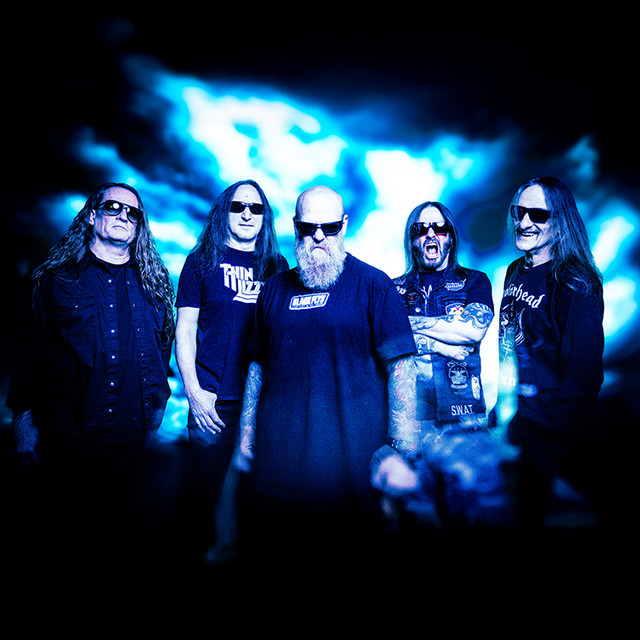
Machine Head
1994–2025
·
14 albums
Listen
4
/5
Genres
Emo Revival
Emo revival is a 2010s resurgence of the melodic, introspective strain of 1990s and early-2000s emo, updated with indie-rock and math-rock sensibilities. It emphasizes twinkly, interlocking clean guitars, confessional and diaristic lyrics, dynamic quiet‑loud arrangements, and a DIY ethos rooted in house shows, small labels, and online communities. Compared with 2000s mainstream emo-pop, the revival leans closer to Midwest emo and indie aesthetics—often cleaner in tone, more rhythmically intricate, and less polished, while remaining hooky and emotionally direct.
Discover
Listen
Neo Metal
Neo metal is a contemporary, hybrid branch of heavy music that fuses modern metal riffing and breakdown power with glossy, pop-aware songwriting and electronic production. It borrows the bounce and hip‑hop sensibility of late‑1990s/early‑2000s nu metal, the precision of metalcore and djent, and the synthetic textures of EDM, trap, and industrial. Hallmarks include down‑tuned 7–8‑string guitars, half‑time, groove‑led drums, sub‑heavy 808s, and an emotive vocal palette that shifts between screams, rap‑cadenced phrasing, and soaring pop choruses. Studio craft is central: sound design, side‑chained synths, layered vocals, and punchy, wide masters aim for festival‑scale impact while remaining radio/playlist friendly.
Discover
Listen
Nu-Metalcore
Nu‑metalcore (often nicknamed "nu‑core") blends the bounce, hip‑hop inflections, and downtuned groove of late‑1990s nu metal with the breakdown‑heavy aggression and precise syncopation of 2000s metalcore. Expect sharply gated, low‑tuned riffs, halftime drops, and elastic grooves that swing between punchy chugs and percussive, djent‑like accents. Vocals typically jump from harsh screams and pitched‑down growls to rap‑leaning cadences and hooky, melodic choruses. Electronic textures—turntable cuts, glitch edits, sub‑drops, and 808 layers—are common, supporting a glossy yet crushing modern production aesthetic. Lyrically, the style carries nu metal’s confessional angst and social frustration while adopting metalcore’s cathartic intensity and mosh‑centric energy. The result is a contemporary, club‑ready heaviness that feels both nostalgic and forward‑looking.
Discover
Listen
Rap Metalcore
Rap metalcore is a hybrid style that fuses the rhythmic, lyrical flow of hip hop with the high-gain guitars, breakdowns, and screamed/sung hooks of metalcore. Compared to 1990s rap metal and nu metal, it keeps metalcore’s tighter, modern low-tuned riffing, double-time drumming, and cathartic breakdown structures, while foregrounding MC-style verses, rhyme schemes, and hip‑hop cadences. Production often blends live drums with programmed elements (808 subs, trap hats) and layers percussive, djent-leaning guitar chugs under rapped verses, then explodes into screamed or anthemic sung choruses. Lyrical themes span personal struggle, social commentary, resilience, and identity, delivered with a mix of rap’s directness and metalcore’s emotive intensity.
Discover
Listen
Soundclown
Soundclown is an internet-born remix and mashup style that thrives on comedic juxtaposition, bait‑and‑switch reveals, and hyper-referential sample collage. It blends pop hits, game and cartoon music, ad jingles, meme sounds, and viral speech into quick-cut audio gags. The genre developed across YouTube and SoundCloud, favoring shock humor, nostalgia, and absurdity over traditional song form. Hallmarks include sudden key/tempo whiplash, exaggerated pitch-shifts, ear‑rending “earrape” peaks, and punchline drops that transform a familiar source into something hilariously incongruent. Because it is fundamentally platform-native, soundclown is as much a memetic editing culture as a musical style. Its tracks often function like sonic shitposts: fast, punchy, and built for instant recognition and shareability.
Discover
Listen
Cavernous Death Metal
Cavernous death metal is a murky, reverb-drenched strain of old-school death metal that foregrounds claustrophobic atmosphere over clinical precision. Hallmarks include extremely downtuned guitars, tremolo-picked and chromatic riffing, lurching doom-laden passages, and very deep, often indecipherable guttural vocals. Production aesthetics are central: drums are thunderous yet blurred, guitars and bass form a monolithic wall of low-end, and large-room or plate reverbs smear the mix to evoke the feeling of sound emanating from a subterranean chamber. Rather than bright, high-fidelity tones, the style prefers darkness, distance, and density—suggesting sinister space, decay, and ancient dread. Compositionally it draws on early 1990s death and death-doom blueprints, but the 2010s revival codified the "cavernous" sound as a distinct aesthetic, emphasizing mood, negative space, and oppressive resonance as much as riffcraft.
Discover
Listen
Progressive Groove Metal
Progressive groove metal fuses the weighty, syncopated riffing of groove metal with the ambitious song forms, odd meters, and thematic depth of progressive metal. It typically features down‑tuned 6–8‑string guitars, palm‑muted chugs interlocking with polyrhythmic drum patterns, and bass lines that emphasize grit and articulation over sheer speed. Compared with straight groove metal, the progressive strain favors shifting time signatures, polymeter (e.g., 3:2, 5:4 overlays), dynamic contrasts, and longer arrangements that build narratives. Vocals range from harsh growls and barks to clean, soaring passages, while lyrics often address big‑picture topics—environmentalism, philosophy, psychology, and social critique—alongside personal struggle.
Discover
Listen
Groove Metal
Groove metal is a heavy metal subgenre defined by mid‑tempo, syncopated, and riff‑centric songwriting that prioritizes head‑nodding "groove" over sheer speed. Guitars are typically down‑tuned and palm‑muted, locking tightly to a punchy, backbeat‑driven drum feel and muscular bass lines. Vocals are usually aggressive shouts or barks with occasional melodic or anthemic passages, while lead guitars favor pinched harmonics, blues‑tinged bends, and compact, percussive phrases rather than long neo‑classical runs. Production tends to be tight and weighty, emphasizing a thick, modern rhythm‑guitar tone and precise drum transients. Stylistically, groove metal grew out of late‑’80s thrash and hardcore but slowed and widened the rhythms, borrowing the feel of funk metal’s syncopation and, in some cases, southern rock’s swagger.
Discover
Listen
Nu Metal
Nu metal is a hybrid style that fuses the weight and riff-centric attack of heavy metal with hip‑hop rhythms, turntablism, funk bounce, and the angst‑laden melodicism of alternative rock. It favors down‑tuned, percussive guitar work, punchy bass lines, and groove‑heavy drum patterns over extended solos. Vocals often switch rapidly between rapped verses, shouted/screamed passages, and soaring melodic choruses. Production tends to be glossy yet bass‑forward, frequently incorporating DJ scratches, samples, electronic textures, and syncopated, hip‑hop‑influenced beats. Lyrical themes commonly explore alienation, trauma, social pressure, and catharsis. The result is an accessible but aggressive sound that emphasizes groove, dynamics, and hook‑writing as much as heaviness.
Discover
Listen
Thrash Metal
Thrash metal is an extreme subgenre of heavy metal defined by blistering tempos, tightly palm‑muted low‑register riffs, and sharp, aggressive execution. Songs commonly drive at 180–240 BPM, pairing chugging, down‑picked rhythms with shredding leads and rapid alternate‑picked lines. Drumming emphasizes double‑kick work, skank/D‑beat patterns, and abrupt, syncopated accents that lock tightly with the guitars. Vocals range from rough, shouted delivery to snarling barks and occasionally cleaner, declamatory phrasing. Lyrically, thrash favors social critique, anti‑authoritarian themes, war and dystopia, and street‑level realism, matching the music’s urgency. The overall aesthetic is lean, fast, and technical—channeling the speed and directness of hardcore punk through the tonal weight and precision of heavy metal.
Discover
Listen
Industrial Metal
Industrial metal is a fusion of the mechanized, abrasive textures of industrial music with the weight, riff-driven power, and aggression of heavy metal. It emphasizes machine-like rhythms, down-tuned guitars, harsh or processed vocals, and extensive use of sequencers, drum machines, and sampling. The sound often evokes dystopian, anti-authoritarian, and techno-skeptical themes, with a tight, repetitive groove that feels both robotic and visceral. Hallmarks include palm-muted chug riffs synchronized to quantized beats, distorted bass and synth layers, and production that foregrounds hard-edged, metallic timbres and found sounds (e.g., factory noise, machinery, alarms).
Discover
Listen
Heavy Metal
Heavy metal is a loud, guitar-driven style of rock defined by heavily distorted riffs, thunderous drums, and powerful vocals. Its musical language emphasizes minor modes, modal (Aeolian, Phrygian) riffing, and energy over groove, often featuring virtuosic guitar solos and dramatic dynamic contrasts. Emerging from late-1960s blues rock and psychedelic experimentation, heavy metal codified a darker, heavier sound with bands like Black Sabbath, Deep Purple, and Led Zeppelin. The genre values weight, intensity, and grandeur—whether through plodding, doom-laden tempos or galloping, high-energy rhythms—paired with themes that range from personal struggle and social critique to fantasy, mythology, and the occult.
Discover
Listen
Metal
Metal (often used to mean heavy metal in its broad, umbrella sense) is a loud, guitar-driven style of rock defined by high-gain distortion, emphatic and often martial rhythms, and a dense, powerful low end. It foregrounds riff-based songwriting, dramatic dynamics, virtuosic guitar solos, and commanding vocals that range from melodic wails to aggressive snarls and growls. Harmonically, metal favors minor modes, modal color (Aeolian, Phrygian), chromaticism, and tritone-inflected tension, while thematically it explores power, mythology, the occult, social critique, fantasy, and existential subjects. While adjacent to hard rock, metal typically pushes amplification, distortion, precision, and thematic intensity further, forming a foundation for many specialized subgenres.
Discover
Listen
Hard Rock
Hard rock is a loud, riff-driven style of rock music built around heavily amplified electric guitars, a powerful rhythm section, and assertive vocals. Songs typically center on memorable, blues-based guitar riffs, strong backbeats, and energetic, often shouted or belted choruses. The genre emphasizes power, groove, and visceral impact over intricate harmony or extended improvisation. Distortion, power chords, pentatonic melodies, and call‑and‑response between vocals and guitar are core traits, while lyrical themes often explore rebellion, lust, swagger, escape, and cathartic release.
Discover
Listen
Rock
Rock is a broad family of popular music centered on amplified instruments, a strong backbeat, and song forms that foreground riffs, choruses, and anthemic hooks. Emerging from mid‑20th‑century American styles like rhythm & blues, country, and gospel-inflected rock and roll, rock quickly expanded in scope—absorbing folk, blues, and psychedelic ideas—while shaping global youth culture. Core sonic markers include electric guitar (often overdriven), electric bass, drum kit emphasizing beats 2 and 4, and emotive lead vocals. Rock songs commonly use verse–chorus structures, blues-derived harmony, and memorable melodic motifs, ranging from intimate ballads to high‑energy, stadium‑sized performances.
Discover
Listen
Show all 15 genres
Albums
2025
3
/5
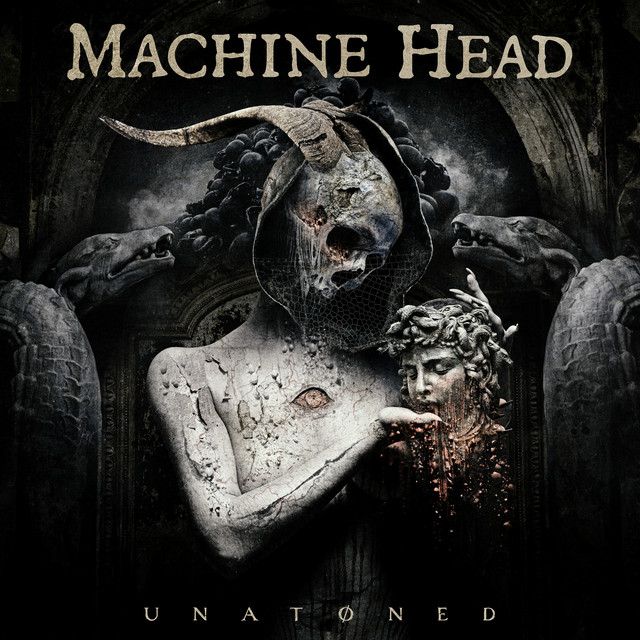
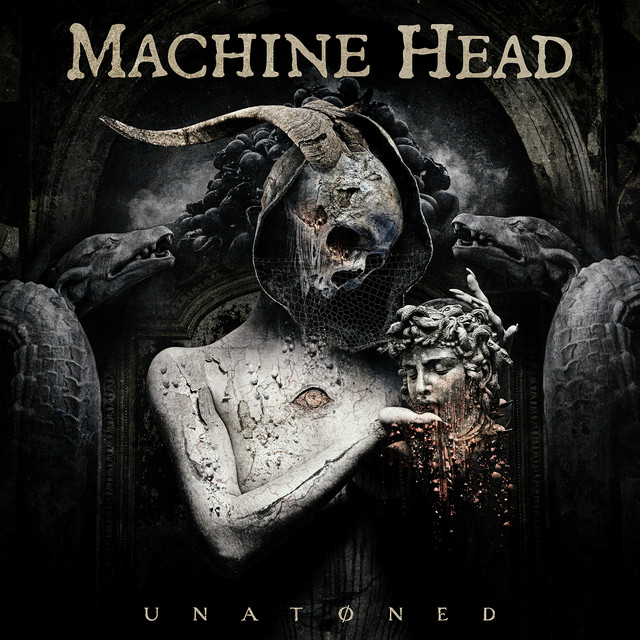
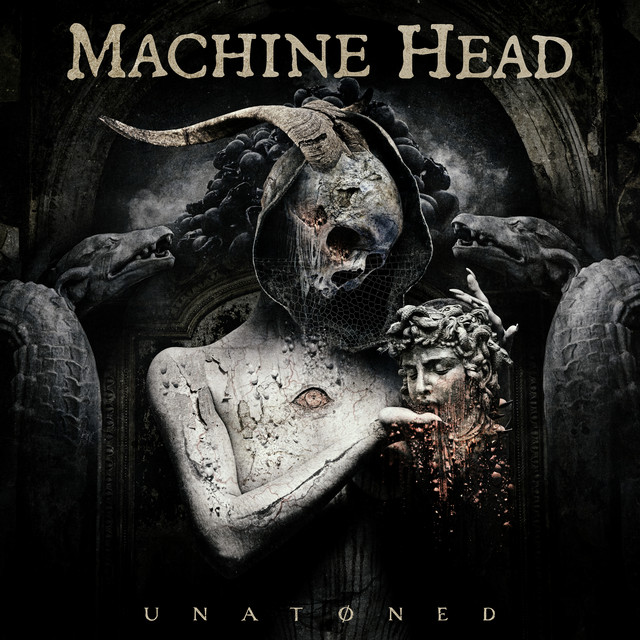
UNATØNED
Machine Head
Progressive Groove Metal
Groove Metal
Metal
2025
2
/5
BØNESCRAPER
Machine Head
Progressive Groove Metal
2025
2
/5
UNBØUND
Machine Head
Progressive Groove Metal
2022
3
/5
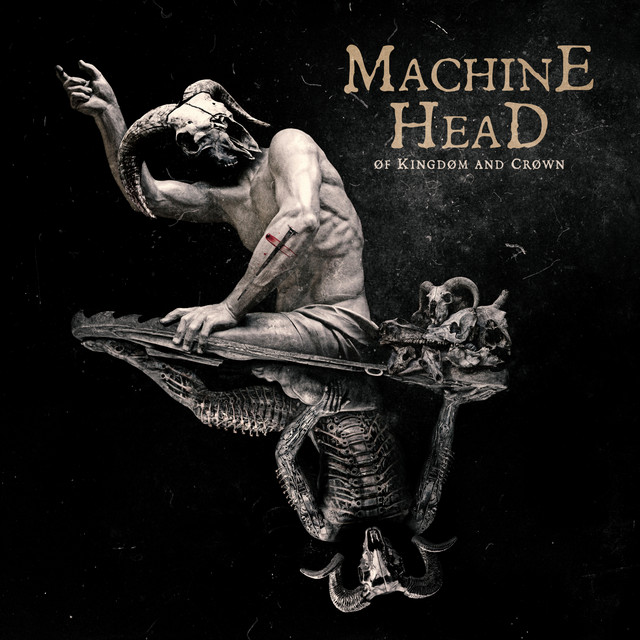
ØF KINGDØM AND CRØWN
Machine Head
Progressive Groove Metal
Heavy Metal
Metal
2020
3
/5
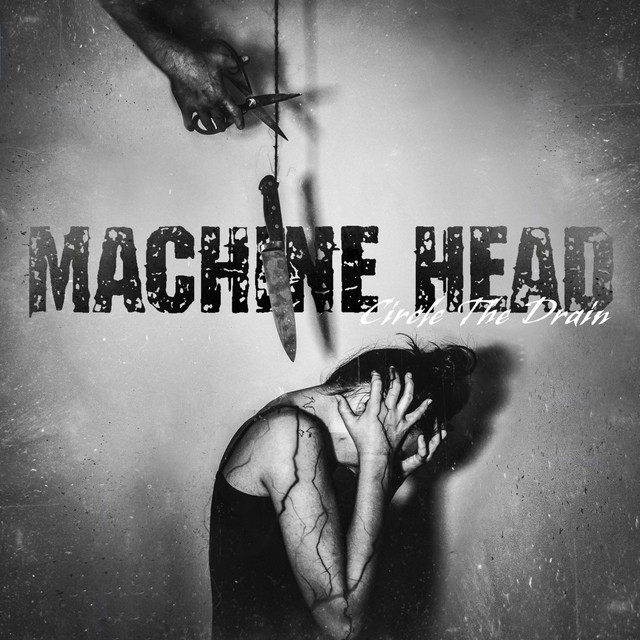
Circle The Drain
Machine Head
Progressive Groove Metal
Groove Metal
Thrash Metal
2019
2
/5
Die Young (Acoustic)
Machine Head
Progressive Groove Metal
Rock
2016
3
/5
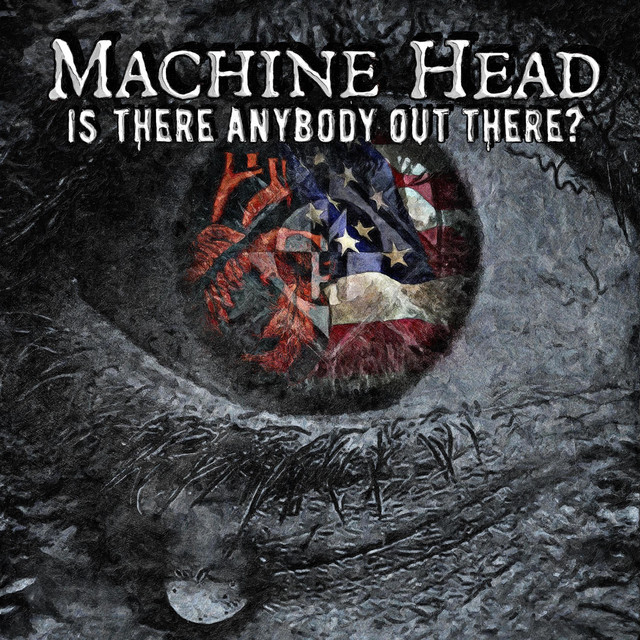
Is There Anybody Out There?
Machine Head
Progressive Groove Metal
Groove Metal
Industrial Metal
2014
3
/5
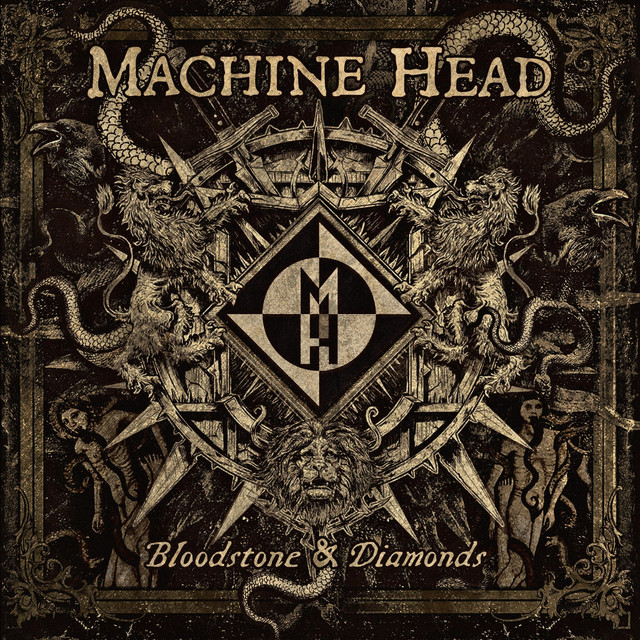
Bloodstone & Diamonds
Machine Head
Progressive Groove Metal
Heavy Metal
Metal
2011
3
/5
Unto the Locust (Special Edition)
Machine Head
Progressive Groove Metal
Heavy Metal
Metal
2011
2
/5
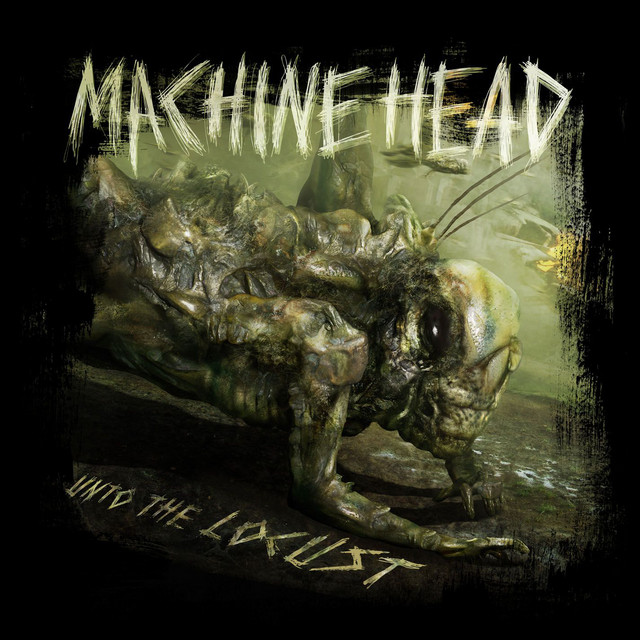
Unto the Locust
Machine Head
Groove Metal
Progressive Groove Metal
Heavy Metal
2007
3
/5
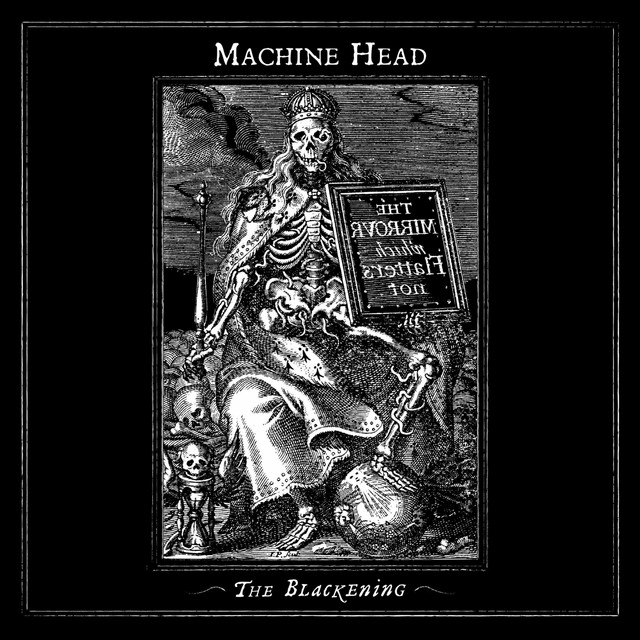
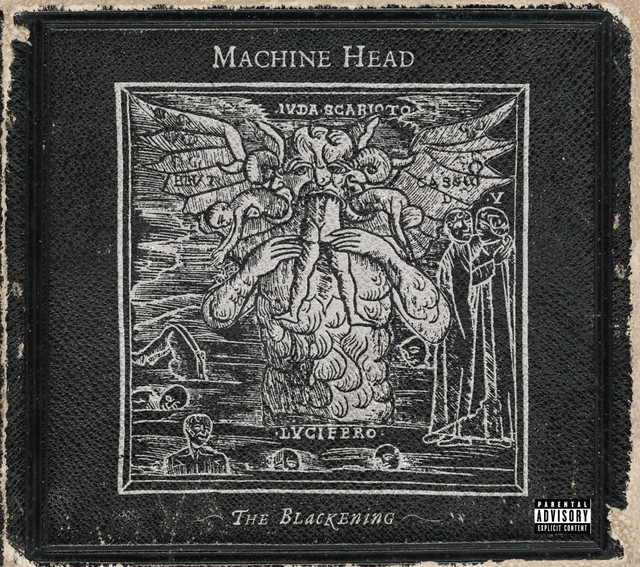
The Blackening
Machine Head
Groove Metal
Progressive Groove Metal
Heavy Metal
2007
3
/5
The Blackening
Machine Head
Progressive Groove Metal
1999
3
/5
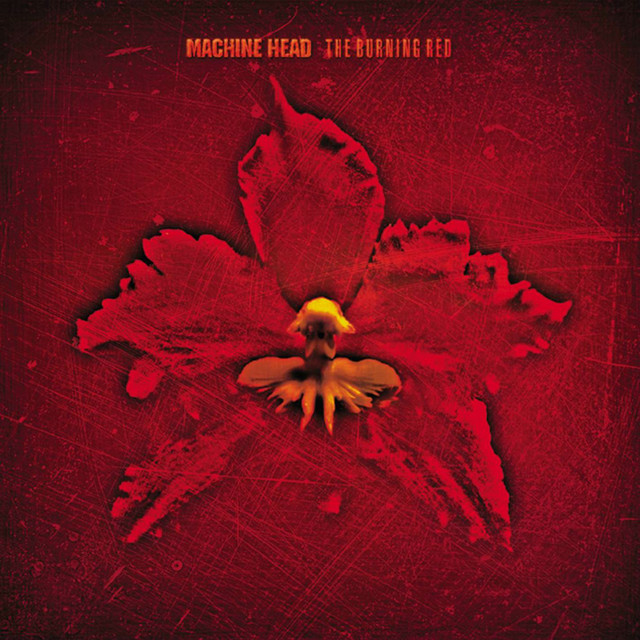
The Burning Red
Machine Head
Progressive Groove Metal
Heavy Metal
Rock
1994
4
/5
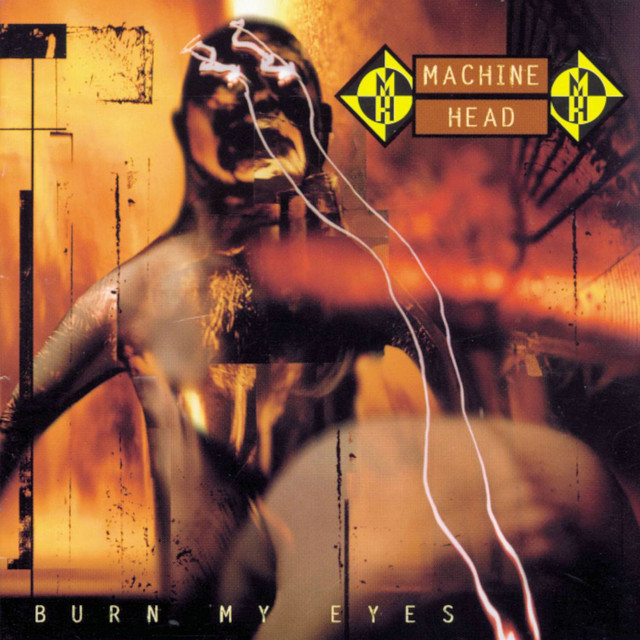
Burn My Eyes
Machine Head
Groove Metal
Progressive Groove Metal
Heavy Metal
Similar artists
3
/5
Meshuggah
Djent
Progressive Groove Metal
Technical Groove Metal
3
/5
Nevermore
Groove Metal
Heavy Metal
Progressive Groove Metal
4
/5
Lamb of God
Groove Metal
Heavy Metal
Thrash Metal
4
/5
Pantera
Groove Metal
Thrash Metal
Heavy Metal
4
/5
Gojira
French Death Metal
Progressive Groove Metal
Progressive Metal
4
/5
Slayer
Thrash Metal
Metal
Speed Metal
3
/5
Kreator
Melodic Thrash
Thrash Metal
Heavy Metal
3
/5
Testament
Groove Metal
Thrash Metal
Speed Metal
4
/5
Sepultura
Metal
Death Metal
Thrash Metal
3
/5
Exodus
Thrash Metal
Heavy Metal
Speed Metal
Download our mobile app
Get the Melodigging app and start digging for new genres on the go
Download on the App Store
Get it on Google Play
© 2026 Melodigging
Give feedback
Legal
Melodding was created as a tribute to
Every Noise at Once
, which inspired us to help curious minds keep digging into music's ever-evolving genres.