Genres
Artists
Albums
Make Music
Sign in
Sign in
Artists
Melodic Thrash
Artists
Melodic Thrash
Kreator
1985–2026
·
23 albums
Listen
3
/5
Genres
Neo Metal
Neo metal is a contemporary, hybrid branch of heavy music that fuses modern metal riffing and breakdown power with glossy, pop-aware songwriting and electronic production. It borrows the bounce and hip‑hop sensibility of late‑1990s/early‑2000s nu metal, the precision of metalcore and djent, and the synthetic textures of EDM, trap, and industrial. Hallmarks include down‑tuned 7–8‑string guitars, half‑time, groove‑led drums, sub‑heavy 808s, and an emotive vocal palette that shifts between screams, rap‑cadenced phrasing, and soaring pop choruses. Studio craft is central: sound design, side‑chained synths, layered vocals, and punchy, wide masters aim for festival‑scale impact while remaining radio/playlist friendly.
Discover
Listen
Nu-Metalcore
Nu‑metalcore (often nicknamed "nu‑core") blends the bounce, hip‑hop inflections, and downtuned groove of late‑1990s nu metal with the breakdown‑heavy aggression and precise syncopation of 2000s metalcore. Expect sharply gated, low‑tuned riffs, halftime drops, and elastic grooves that swing between punchy chugs and percussive, djent‑like accents. Vocals typically jump from harsh screams and pitched‑down growls to rap‑leaning cadences and hooky, melodic choruses. Electronic textures—turntable cuts, glitch edits, sub‑drops, and 808 layers—are common, supporting a glossy yet crushing modern production aesthetic. Lyrically, the style carries nu metal’s confessional angst and social frustration while adopting metalcore’s cathartic intensity and mosh‑centric energy. The result is a contemporary, club‑ready heaviness that feels both nostalgic and forward‑looking.
Discover
Listen
Rap Metalcore
Rap metalcore is a hybrid style that fuses the rhythmic, lyrical flow of hip hop with the high-gain guitars, breakdowns, and screamed/sung hooks of metalcore. Compared to 1990s rap metal and nu metal, it keeps metalcore’s tighter, modern low-tuned riffing, double-time drumming, and cathartic breakdown structures, while foregrounding MC-style verses, rhyme schemes, and hip‑hop cadences. Production often blends live drums with programmed elements (808 subs, trap hats) and layers percussive, djent-leaning guitar chugs under rapped verses, then explodes into screamed or anthemic sung choruses. Lyrical themes span personal struggle, social commentary, resilience, and identity, delivered with a mix of rap’s directness and metalcore’s emotive intensity.
Discover
Listen
Groove Metal
Groove metal is a heavy metal subgenre defined by mid‑tempo, syncopated, and riff‑centric songwriting that prioritizes head‑nodding "groove" over sheer speed. Guitars are typically down‑tuned and palm‑muted, locking tightly to a punchy, backbeat‑driven drum feel and muscular bass lines. Vocals are usually aggressive shouts or barks with occasional melodic or anthemic passages, while lead guitars favor pinched harmonics, blues‑tinged bends, and compact, percussive phrases rather than long neo‑classical runs. Production tends to be tight and weighty, emphasizing a thick, modern rhythm‑guitar tone and precise drum transients. Stylistically, groove metal grew out of late‑’80s thrash and hardcore but slowed and widened the rhythms, borrowing the feel of funk metal’s syncopation and, in some cases, southern rock’s swagger.
Discover
Listen
Melodic Death Metal
Melodic death metal (often shortened to melodeath) blends the speed, aggression, and harsh vocals of death metal with the harmonized guitar leads, memorable melodies, and songcraft of traditional heavy metal and thrash. It is characterized by twin‑guitar harmonies, fast tremolo riffs, punchy palm‑muted rhythms, and growled or screamed vocals, often contrasted with catchy, clearly articulated lead lines. Compared to traditional death metal, the genre favors stronger tonal centers, consonant interval harmonies (thirds and sixths), and more accessible structures, while retaining double‑kick intensity and occasional blast beats. Production tends to be tighter and clearer than early death metal, and many bands incorporate keyboards for texture. The style is strongly associated with the early–mid 1990s Gothenburg scene in Sweden, though parallel strains also emerged in the UK and Finland.
Discover
Listen
Melodic Thrash
Melodic thrash is a branch of thrash metal that retains the speed, precision, and palm‑muted aggression of classic thrash while emphasizing tuneful guitar work, harmonized leads, and memorable choruses. It typically features cleaner, more melodic vocal lines (or at least clearly pitched shouts) and song structures that balance riff intensity with hooks. The style borrows the tight riff architecture and rhythmic drive of Bay Area thrash, then folds in the melodicism of NWOBHM and power metal—think dual‑guitar harmonies, occasional neoclassical flavors, and chorus lines designed to stick. Lyrically, it ranges from social critique and political themes to introspective or sci‑fi narratives.
Discover
Listen
Thrash Metal
Thrash metal is an extreme subgenre of heavy metal defined by blistering tempos, tightly palm‑muted low‑register riffs, and sharp, aggressive execution. Songs commonly drive at 180–240 BPM, pairing chugging, down‑picked rhythms with shredding leads and rapid alternate‑picked lines. Drumming emphasizes double‑kick work, skank/D‑beat patterns, and abrupt, syncopated accents that lock tightly with the guitars. Vocals range from rough, shouted delivery to snarling barks and occasionally cleaner, declamatory phrasing. Lyrically, thrash favors social critique, anti‑authoritarian themes, war and dystopia, and street‑level realism, matching the music’s urgency. The overall aesthetic is lean, fast, and technical—channeling the speed and directness of hardcore punk through the tonal weight and precision of heavy metal.
Discover
Listen
Teutonic Thrash Metal
Teutonic thrash metal is the German branch of 1980s thrash known for its raw aggression, grim atmosphere, and razor‑edged precision. Compared to the Bay Area’s more technical or melodic variants, it favors harsher vocal deliveries, darker harmonies, and a relentless, martial drive. Hallmarks include down‑picked, palm‑muted riffs at high tempos; skank beats and double‑kick drumming; biting, mid‑forward guitar tones; and venomous, barked or rasped vocals. Riffing leans on minor, Phrygian, and chromatic motion with frequent tritone color, while solos range from chaotic, whammy‑driven flurries to shrieking modal runs. Lyrically it often tackles war’s horrors, apocalypse, social decay, and anti‑authoritarian themes, reflecting a bleak, uncompromising outlook.
Discover
Listen
Speed Metal
Speed metal is a fast, precision-driven branch of heavy metal that crystallized at the turn of the 1980s. It emphasizes aggressive tempos, tightly synchronized riffing, and virtuosic lead guitar work, while generally retaining melodic, often clean or strident vocals. Compared with thrash metal, speed metal tends to be less percussive and more melodic, favoring galloping rhythms, twin-guitar harmonies, and classic verse–chorus structures. Drums often employ rapid double-time feels and double-bass patterns, while bass frequently mirrors the rhythm guitar to reinforce propulsion. Lyrical themes range from rebellion and street realism to fantasy, warfare, and sci‑fi.
Discover
Listen
Death Metal
Death metal is an extreme subgenre of heavy metal defined by heavily distorted, low‑tuned guitars, rapid and complex riffing, blast beat drumming, and harsh guttural vocals. Its harmonic language favors chromaticism, dissonance, and tremolo-picked lines that create an ominous, abrasive atmosphere. Lyrically, death metal often explores dark or transgressive themes—mortality, mythology, anti-religion, psychological horror, and the macabre—sometimes with philosophical or social commentary. Production ranges from raw and cavernous to hyper-precise and technical, reflecting the genre’s many regional scenes and substyles. From the mid‑1980s Florida scene (Tampa) and parallel developments in the US, UK, and Sweden, death metal evolved into numerous branches including brutal death metal, technical death metal, melodic death metal, and death‑doom, each emphasizing different aspects of speed, complexity, melody, or heaviness.
Discover
Listen
Old School Thrash
Old school thrash is the first-wave style of thrash metal that emerged in the early to mid-1980s. It is defined by very fast tempos, tightly downpicked guitar riffs, palm-muted chugging, rapid-fire alternate picking, and aggressive, shouted or barked vocals. Drumming is built around the "thrash beat" (a fast 2/4 skank beat), brisk double-kick work, and sharp, accented snare hits. Harmonically, old school thrash stays close to minor modes (especially natural minor/Aeolian and Phrygian) with frequent chromatic runs and tritone-inflected riffs. Songs emphasize riff development, abrupt transitions, and high-energy guitar solos that combine pentatonic/blues vocabulary with modal and chromatic speed picking. Lyrically, it often confronts social and political issues, war, dystopia, and corruption, delivered with a confrontational, no-frills attitude. The production aesthetic is raw, punchy, and live-sounding: guitars are dry and immediate, bass is pick-driven and percussive, and drums are natural and forward, prioritizing impact over polish. The result is a lean, relentless sound designed for headbanging, circle pits, and mosh-driven intensity.
Discover
Listen
Alternative Rock
Alternative rock is a broad umbrella for guitar-based rock that emerged from the independent and college-radio scenes as a counterpoint to mainstream, commercial rock. It blends the energy and ethos of punk with the textural and songwriting experiments of post-punk, new wave, jangle pop, and noise rock, often foregrounding introspective or socially aware lyrics. Across its many strains—from the melodic minimalism of college rock to the loud-quiet-loud dynamics of grunge and the artful experimentation of Radiohead-era modernism—alternative rock prioritizes authenticity, sonic individuality, and a do-it-yourself approach. Its sound ranges from chiming, chorus-laden clean guitars to abrasive distortion and feedback, supported by straightforward rock rhythms or off-kilter grooves, and production that can be either raw and live-sounding or polished yet unconventional.
Discover
Listen
Avant-Garde Metal
Avant-garde metal is a branch of metal that embraces experimentation as a core principle. It extends the genre’s sonic vocabulary through unusual song forms, dissonant harmony, non-standard instrumentation, and an eagerness to fuse styles that traditionally sit outside heavy music. Where conventional metal often relies on riff-driven structures, avant-garde metal frequently employs through-composed forms, asymmetrical rhythms, and abrupt dynamic shifts. Its palette can include strings, woodwinds, brass, electronics, prepared instruments, and extended vocal techniques alongside distorted guitars and aggressive drums. Lyrically and conceptually, the style leans toward the surreal, the philosophical, and the theatrical. The result is a deliberately challenging, exploratory music that values atmosphere, texture, and surprise as much as impact and heaviness.
Discover
Listen
Metal
Metal (often used to mean heavy metal in its broad, umbrella sense) is a loud, guitar-driven style of rock defined by high-gain distortion, emphatic and often martial rhythms, and a dense, powerful low end. It foregrounds riff-based songwriting, dramatic dynamics, virtuosic guitar solos, and commanding vocals that range from melodic wails to aggressive snarls and growls. Harmonically, metal favors minor modes, modal color (Aeolian, Phrygian), chromaticism, and tritone-inflected tension, while thematically it explores power, mythology, the occult, social critique, fantasy, and existential subjects. While adjacent to hard rock, metal typically pushes amplification, distortion, precision, and thematic intensity further, forming a foundation for many specialized subgenres.
Discover
Listen
Heavy Metal
Heavy metal is a loud, guitar-driven style of rock defined by heavily distorted riffs, thunderous drums, and powerful vocals. Its musical language emphasizes minor modes, modal (Aeolian, Phrygian) riffing, and energy over groove, often featuring virtuosic guitar solos and dramatic dynamic contrasts. Emerging from late-1960s blues rock and psychedelic experimentation, heavy metal codified a darker, heavier sound with bands like Black Sabbath, Deep Purple, and Led Zeppelin. The genre values weight, intensity, and grandeur—whether through plodding, doom-laden tempos or galloping, high-energy rhythms—paired with themes that range from personal struggle and social critique to fantasy, mythology, and the occult.
Discover
Listen
Industrial
Industrial is an experimental electronic music tradition that uses abrasive timbres, mechanical rhythms, and transgressive aesthetics. Its sound palette often includes distorted drum machines, tape loops, metallic percussion, feedback, and found-object recordings alongside synthesizers and samplers. Emerging from late-1970s UK underground art and performance scenes, industrial foregrounds themes of dehumanization, technology, surveillance, and power. Releases frequently embrace anti-commercial presentation, stark graphic design, and confrontational performance art, treating the studio as a laboratory for sonic manipulation rather than a vehicle for conventional songcraft. While early industrial emphasized noise, tape processing, and avant-garde collage, later waves fused the style with dancefloor precision (EBM), rock and metal heft, and club-oriented production, giving rise to a broad post-industrial family that remains influential in experimental, electronic, and popular music.
Discover
Listen
Rock
Rock is a broad family of popular music centered on amplified instruments, a strong backbeat, and song forms that foreground riffs, choruses, and anthemic hooks. Emerging from mid‑20th‑century American styles like rhythm & blues, country, and gospel-inflected rock and roll, rock quickly expanded in scope—absorbing folk, blues, and psychedelic ideas—while shaping global youth culture. Core sonic markers include electric guitar (often overdriven), electric bass, drum kit emphasizing beats 2 and 4, and emotive lead vocals. Rock songs commonly use verse–chorus structures, blues-derived harmony, and memorable melodic motifs, ranging from intimate ballads to high‑energy, stadium‑sized performances.
Discover
Listen
Show all 17 genres
Albums
2026
3
/5
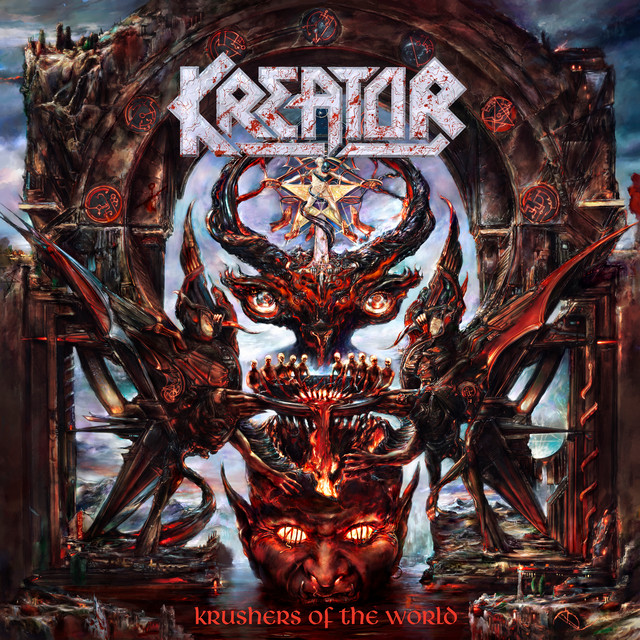
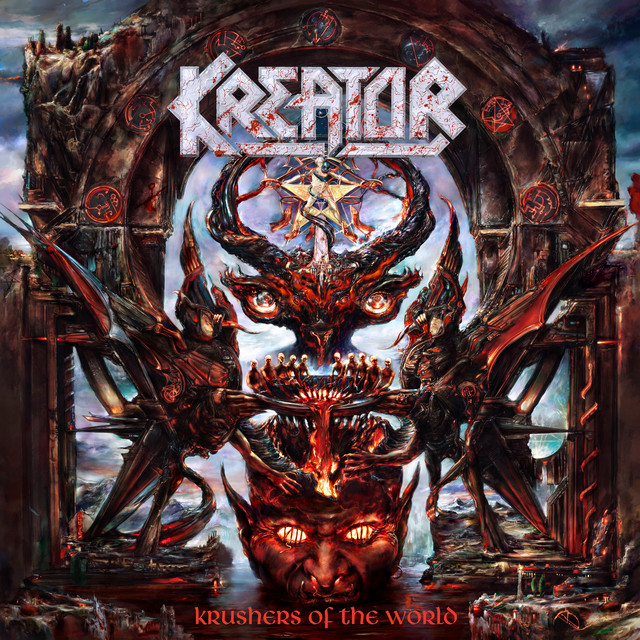
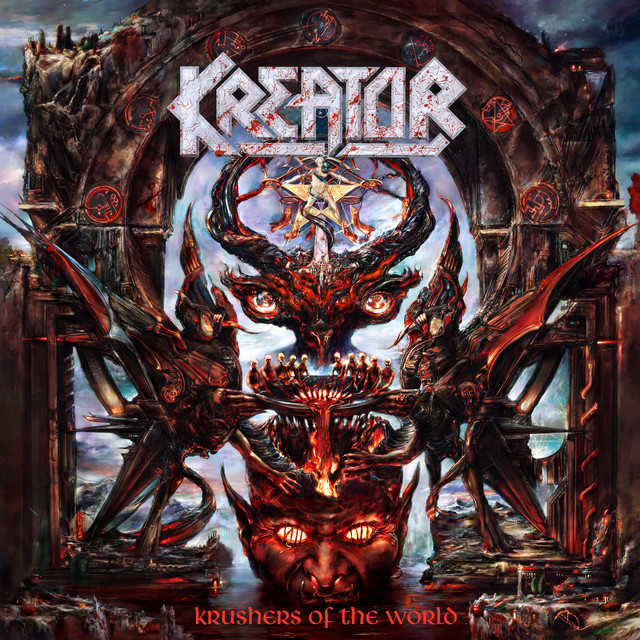
Krushers Of The World
Kreator
Melodic Thrash
Speed Metal
Death Metal
2025
1
/5
Satanic Anarchy
Kreator
Melodic Thrash
Speed Metal
Old School Thrash
2025
1
/5
Seven Serpents
Kreator
Melodic Thrash
Speed Metal
Old School Thrash
2022
3
/5
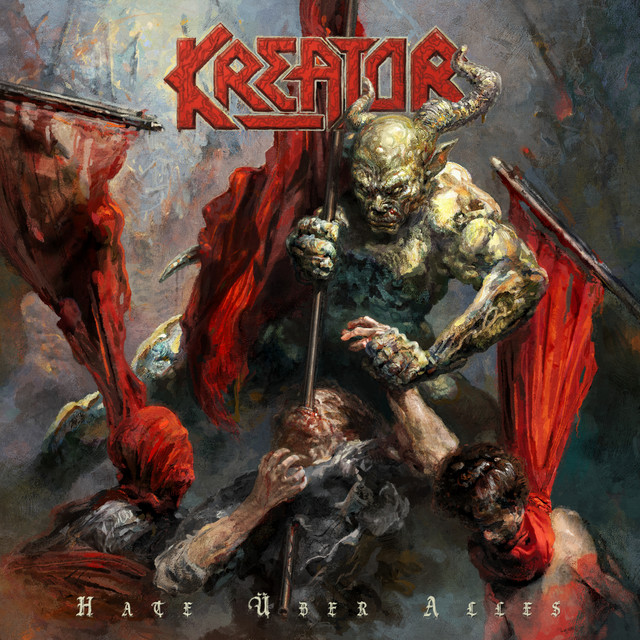
Hate Über Alles
Kreator
Melodic Thrash
Heavy Metal
Rock
2022
1
/5
Hate Über Alles
Kreator
Melodic Thrash
Thrash Metal
2020
3
/5
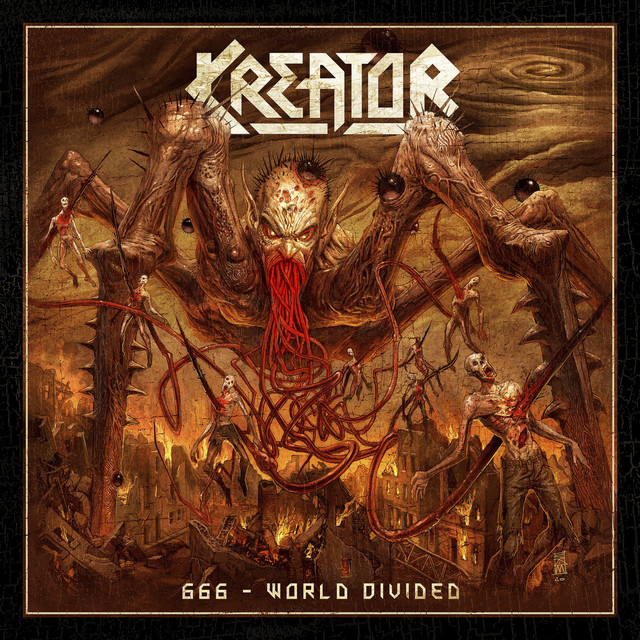
666 - World Divided
Kreator
Melodic Thrash
Metal
2017
2
/5
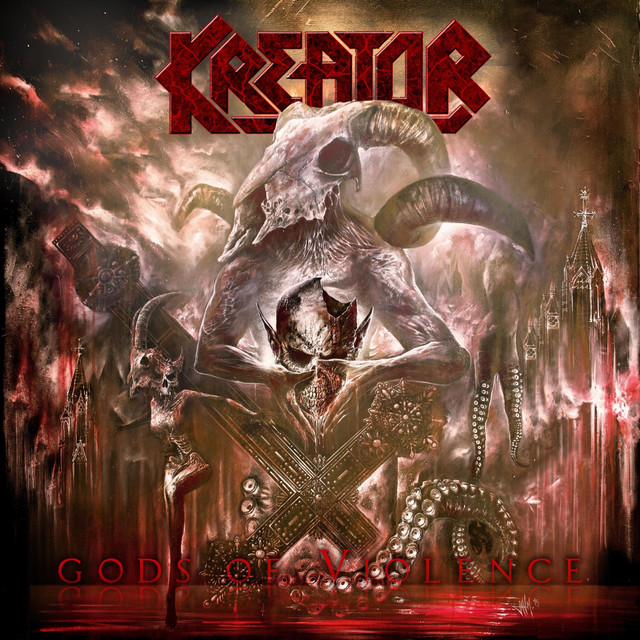
Gods of Violence
Kreator
Melodic Thrash
Rock
Thrash Metal
2017
3
/5
Gods of Violence
Kreator
Melodic Thrash
Rock
Thrash Metal
2012
3
/5
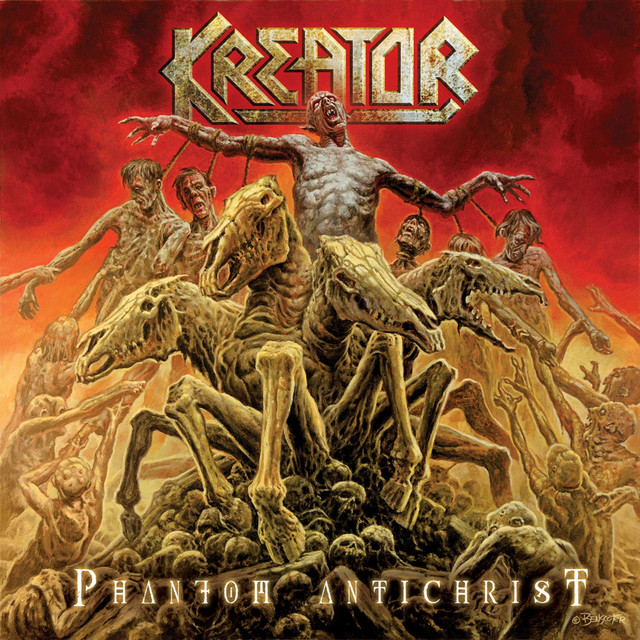
Phantom Antichrist
Kreator
Teutonic Thrash Metal
Melodic Thrash
Heavy Metal
2009
Hordes of Chaos
Kreator
Rock
Thrash Metal
2005
3
/5
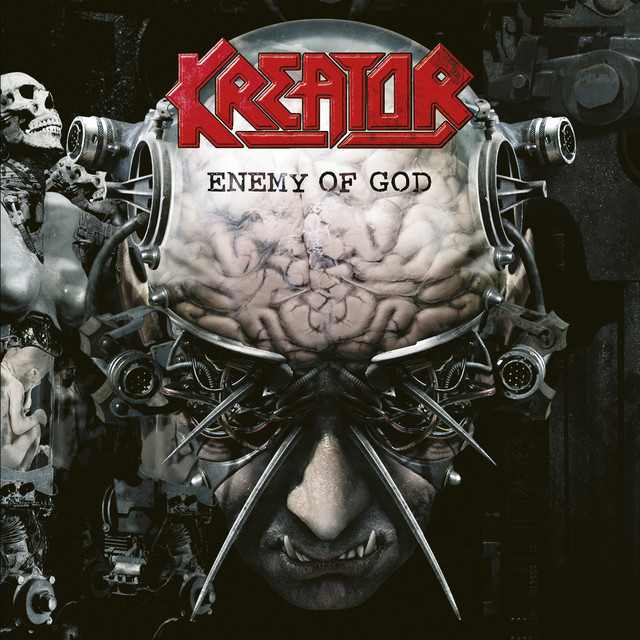
Enemy of God
Kreator
Teutonic Thrash Metal
Melodic Thrash
Rock
2001
3
/5
Violent Revolution
Kreator
Teutonic Thrash Metal
Metal
Rock
1999
Endorama
Kreator
Alternative Rock
Metal
Thrash Metal
1997
2
/5
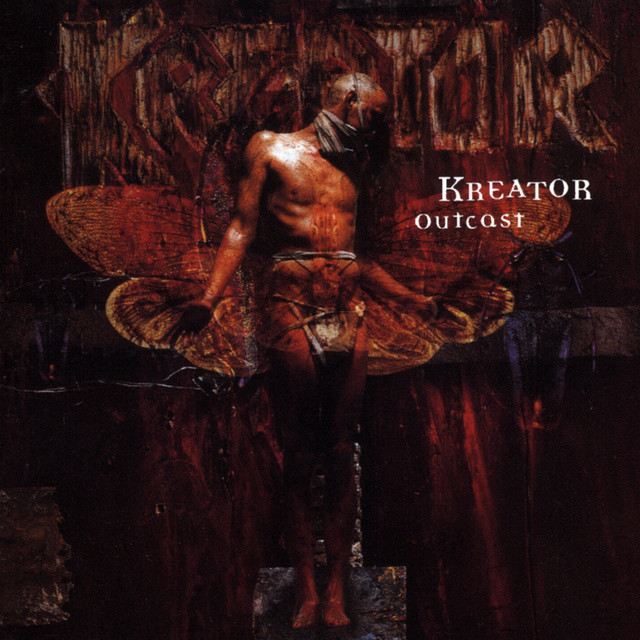
Outcast
Kreator
Melodic Thrash
Metal
Thrash Metal
1995
Cause for Conflict
Kreator
Avant-Garde Metal
Groove Metal
Thrash Metal
1992
Renewal
Kreator
Industrial
Rock
Thrash Metal
1990
1
/5
Coma of Souls
Kreator
Teutonic Thrash Metal
Thrash Metal
Rock
1989
3
/5
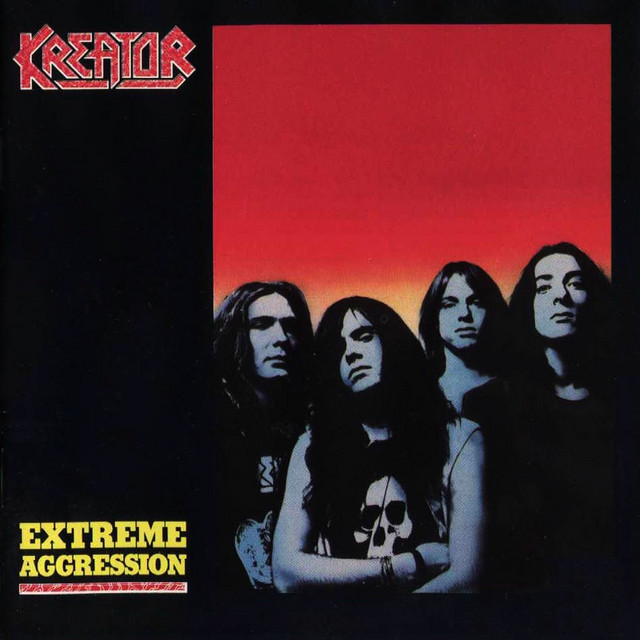
Extreme Aggression
Kreator
Melodic Thrash
Metal
Rock
1989
2
/5
Extreme Aggression
Kreator
Teutonic Thrash Metal
Thrash Metal
1987
1
/5
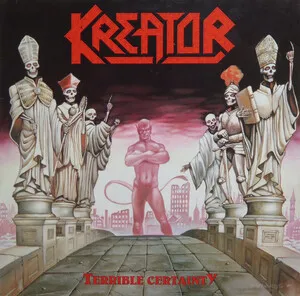
Terrible Certainty
Kreator
Teutonic Thrash Metal
Thrash Metal
1986
3
/5
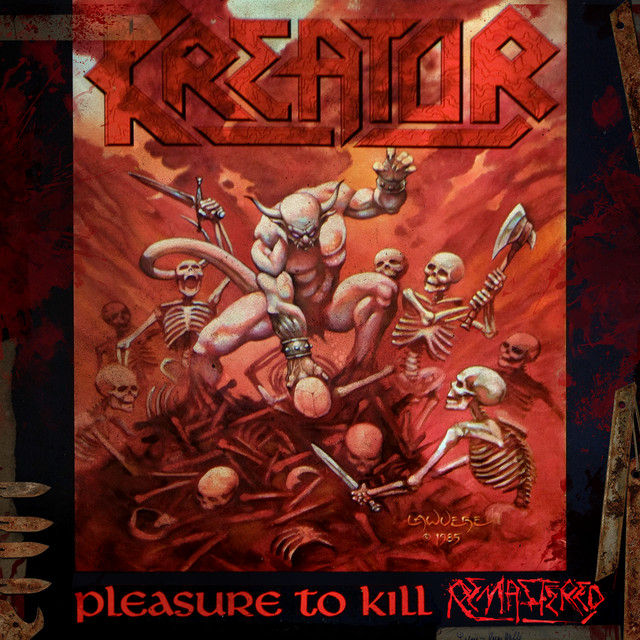
Pleasure to Kill
Kreator
Thrash Metal
Melodic Thrash
Heavy Metal
1985
1
/5
Endless Pain
Kreator
Teutonic Thrash Metal
Metal
Rock
Pleasure to Kill
Kreator
Teutonic Thrash Metal
Similar artists
2
/5
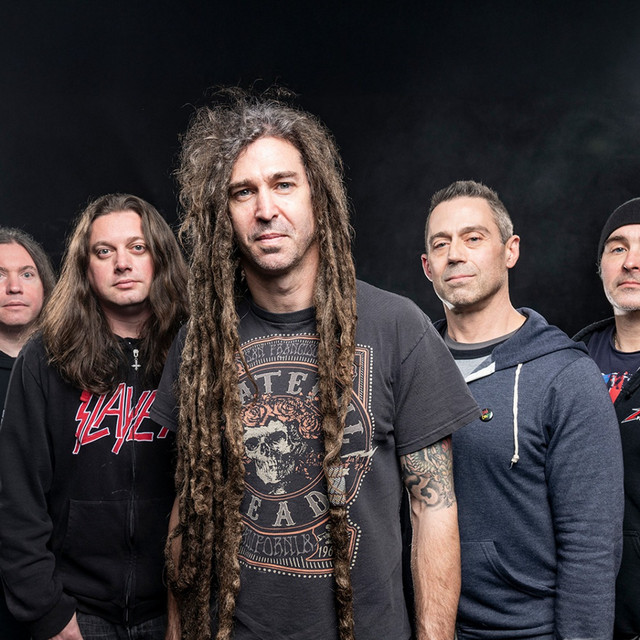
Shadows Fall
New England Metal
Metal
Melodic Thrash
4
/5
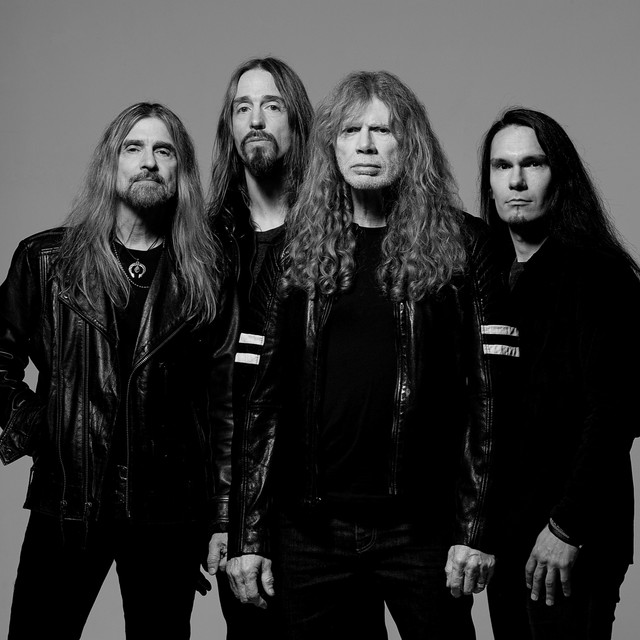
Megadeth
Heavy Metal
Melodic Thrash
Metal
4
/5
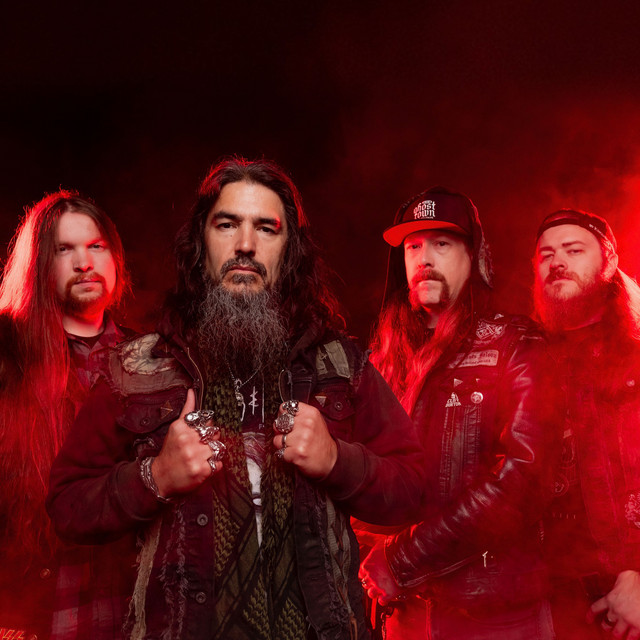
Machine Head
Progressive Groove Metal
Heavy Metal
Metal
4
/5
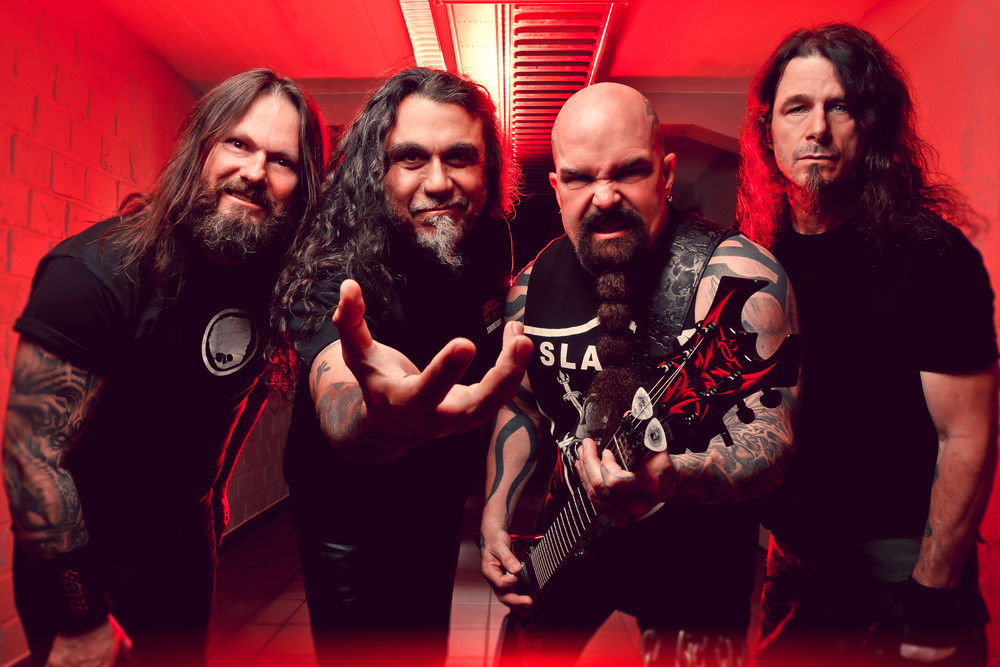
Slayer
Thrash Metal
Metal
Speed Metal
3
/5
Testament
Groove Metal
Thrash Metal
Speed Metal
3
/5
Meshuggah
Djent
Progressive Groove Metal
Technical Groove Metal
3
/5
Exodus
Thrash Metal
Heavy Metal
Speed Metal
1
/5
Various Artists
Afro-Funk
Alternative Rock
Ambient
3
/5
Annihilator
Metal
Thrash Metal
Groove Metal
3
/5
Death Angel
Thrash Metal
Heavy Metal
Metal
Download our mobile app
Get the Melodigging app and start digging for new genres on the go
Download on the App Store
Get it on Google Play
© 2026 Melodigging
Give feedback
Legal
Melodding was created as a tribute to
Every Noise at Once
, which inspired us to help curious minds keep digging into music's ever-evolving genres.