Genres
Make Music
Artists
Albums
Challenges
Sign in
Sign in
Albums
By Kreator
Albums
By Kreator
Satanic Anarchy
December 5, 2025
Listen
1
/5
Genres
Groove Metal
Groove metal is a heavy metal subgenre defined by mid‑tempo, syncopated, and riff‑centric songwriting that prioritizes head‑nodding "groove" over sheer speed. Guitars are typically down‑tuned and palm‑muted, locking tightly to a punchy, backbeat‑driven drum feel and muscular bass lines. Vocals are usually aggressive shouts or barks with occasional melodic or anthemic passages, while lead guitars favor pinched harmonics, blues‑tinged bends, and compact, percussive phrases rather than long neo‑classical runs. Production tends to be tight and weighty, emphasizing a thick, modern rhythm‑guitar tone and precise drum transients. Stylistically, groove metal grew out of late‑’80s thrash and hardcore but slowed and widened the rhythms, borrowing the feel of funk metal’s syncopation and, in some cases, southern rock’s swagger.
Discover
Listen
Melodic Death Metal
Melodic death metal (often shortened to melodeath) blends the speed, aggression, and harsh vocals of death metal with the harmonized guitar leads, memorable melodies, and songcraft of traditional heavy metal and thrash. It is characterized by twin‑guitar harmonies, fast tremolo riffs, punchy palm‑muted rhythms, and growled or screamed vocals, often contrasted with catchy, clearly articulated lead lines. Compared to traditional death metal, the genre favors stronger tonal centers, consonant interval harmonies (thirds and sixths), and more accessible structures, while retaining double‑kick intensity and occasional blast beats. Production tends to be tighter and clearer than early death metal, and many bands incorporate keyboards for texture. The style is strongly associated with the early–mid 1990s Gothenburg scene in Sweden, though parallel strains also emerged in the UK and Finland.
Discover
Listen
Melodic Thrash
Melodic thrash is a branch of thrash metal that retains the speed, precision, and palm‑muted aggression of classic thrash while emphasizing tuneful guitar work, harmonized leads, and memorable choruses. It typically features cleaner, more melodic vocal lines (or at least clearly pitched shouts) and song structures that balance riff intensity with hooks. The style borrows the tight riff architecture and rhythmic drive of Bay Area thrash, then folds in the melodicism of NWOBHM and power metal—think dual‑guitar harmonies, occasional neoclassical flavors, and chorus lines designed to stick. Lyrically, it ranges from social critique and political themes to introspective or sci‑fi narratives.
Discover
Listen
Speed Metal
Speed metal is a fast, precision-driven branch of heavy metal that crystallized at the turn of the 1980s. It emphasizes aggressive tempos, tightly synchronized riffing, and virtuosic lead guitar work, while generally retaining melodic, often clean or strident vocals. Compared with thrash metal, speed metal tends to be less percussive and more melodic, favoring galloping rhythms, twin-guitar harmonies, and classic verse–chorus structures. Drums often employ rapid double-time feels and double-bass patterns, while bass frequently mirrors the rhythm guitar to reinforce propulsion. Lyrical themes range from rebellion and street realism to fantasy, warfare, and sci‑fi.
Discover
Listen
Old School Thrash
Old school thrash is the first-wave style of thrash metal that emerged in the early to mid-1980s. It is defined by very fast tempos, tightly downpicked guitar riffs, palm-muted chugging, rapid-fire alternate picking, and aggressive, shouted or barked vocals. Drumming is built around the "thrash beat" (a fast 2/4 skank beat), brisk double-kick work, and sharp, accented snare hits. Harmonically, old school thrash stays close to minor modes (especially natural minor/Aeolian and Phrygian) with frequent chromatic runs and tritone-inflected riffs. Songs emphasize riff development, abrupt transitions, and high-energy guitar solos that combine pentatonic/blues vocabulary with modal and chromatic speed picking. Lyrically, it often confronts social and political issues, war, dystopia, and corruption, delivered with a confrontational, no-frills attitude. The production aesthetic is raw, punchy, and live-sounding: guitars are dry and immediate, bass is pick-driven and percussive, and drums are natural and forward, prioritizing impact over polish. The result is a lean, relentless sound designed for headbanging, circle pits, and mosh-driven intensity.
Discover
Listen
Thrash Metal
Thrash metal is an extreme subgenre of heavy metal defined by blistering tempos, tightly palm‑muted low‑register riffs, and sharp, aggressive execution. Songs commonly drive at 180–240 BPM, pairing chugging, down‑picked rhythms with shredding leads and rapid alternate‑picked lines. Drumming emphasizes double‑kick work, skank/D‑beat patterns, and abrupt, syncopated accents that lock tightly with the guitars. Vocals range from rough, shouted delivery to snarling barks and occasionally cleaner, declamatory phrasing. Lyrically, thrash favors social critique, anti‑authoritarian themes, war and dystopia, and street‑level realism, matching the music’s urgency. The overall aesthetic is lean, fast, and technical—channeling the speed and directness of hardcore punk through the tonal weight and precision of heavy metal.
Discover
Listen
Death Metal
Death metal is an extreme subgenre of heavy metal defined by heavily distorted, low‑tuned guitars, rapid and complex riffing, blast beat drumming, and harsh guttural vocals. Its harmonic language favors chromaticism, dissonance, and tremolo-picked lines that create an ominous, abrasive atmosphere. Lyrically, death metal often explores dark or transgressive themes—mortality, mythology, anti-religion, psychological horror, and the macabre—sometimes with philosophical or social commentary. Production ranges from raw and cavernous to hyper-precise and technical, reflecting the genre’s many regional scenes and substyles. From the mid‑1980s Florida scene (Tampa) and parallel developments in the US, UK, and Sweden, death metal evolved into numerous branches including brutal death metal, technical death metal, melodic death metal, and death‑doom, each emphasizing different aspects of speed, complexity, melody, or heaviness.
Discover
Listen
Similar albums
2026
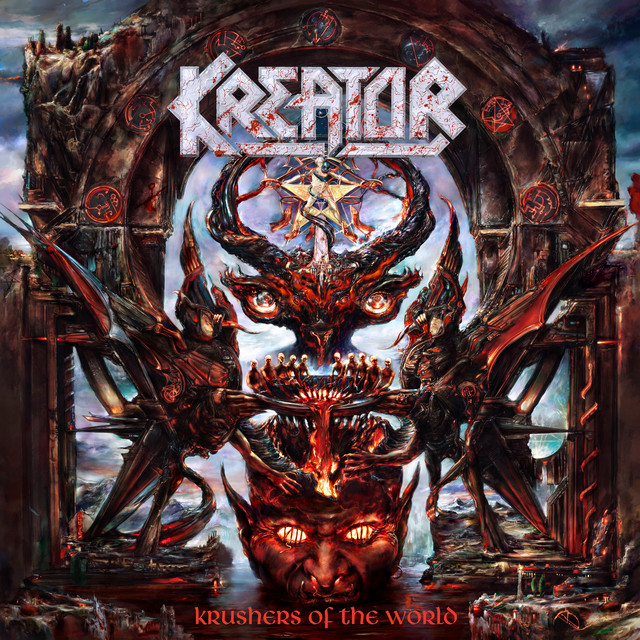
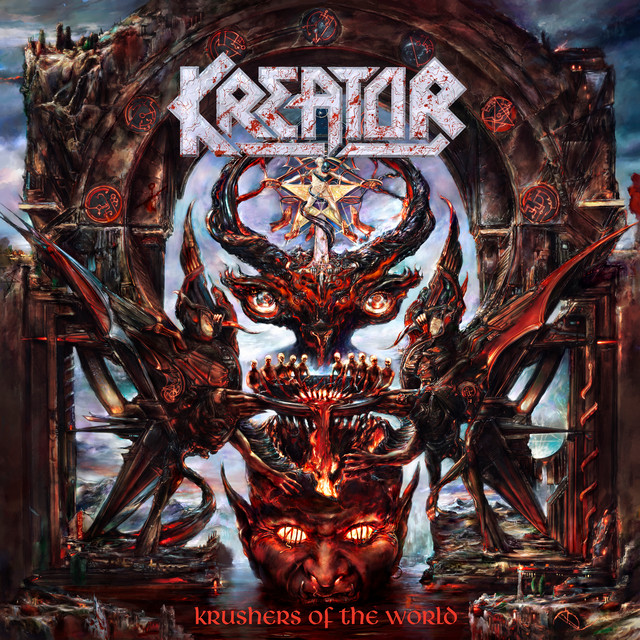
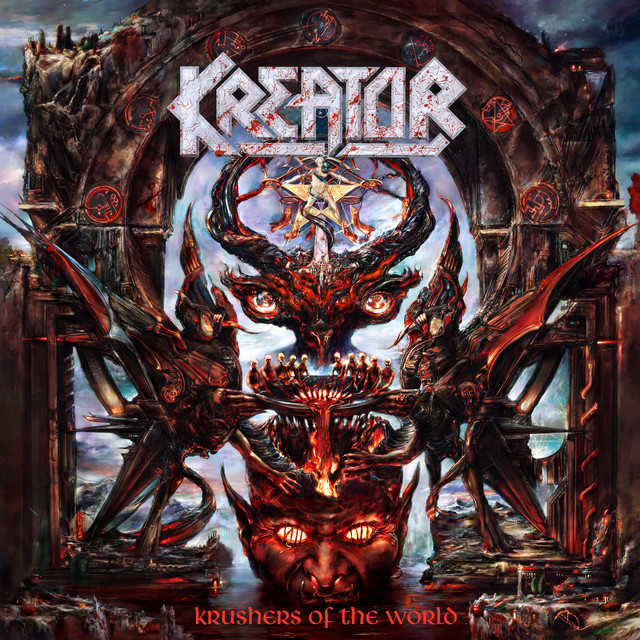
Krushers Of The World
Kreator
2026
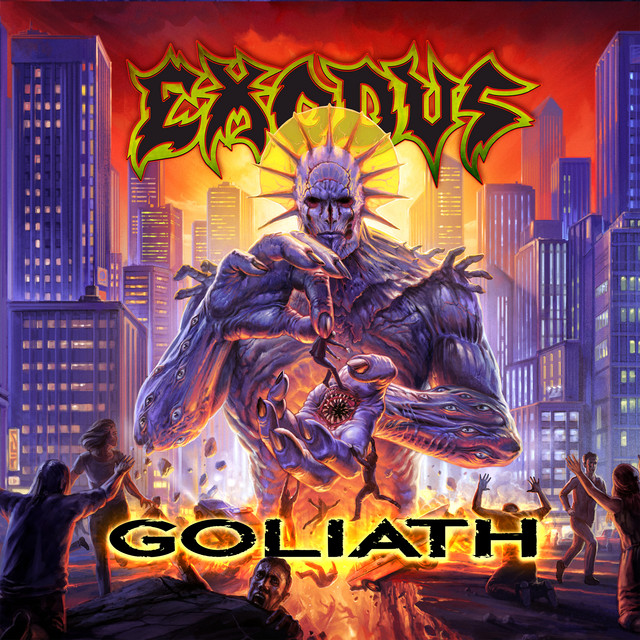
3111
Exodus
2025
Seven Serpents
Kreator
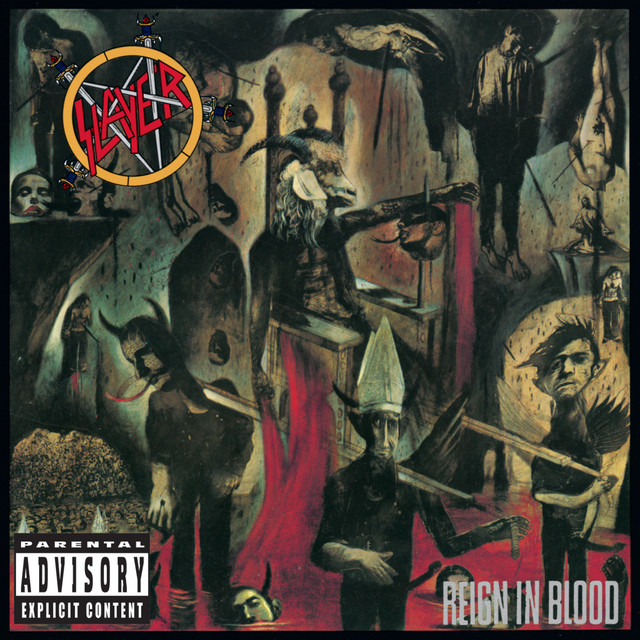
1986
Reign in Blood
Slayer
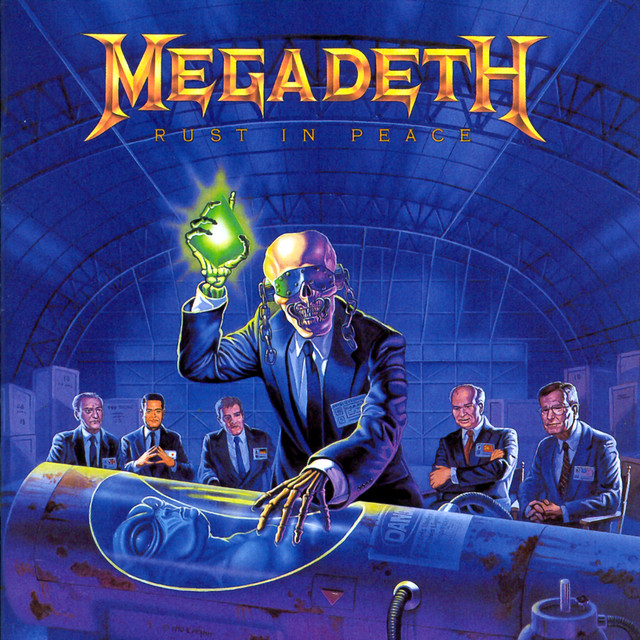
1990
Rust In Peace (Expanded Edition)
Megadeth
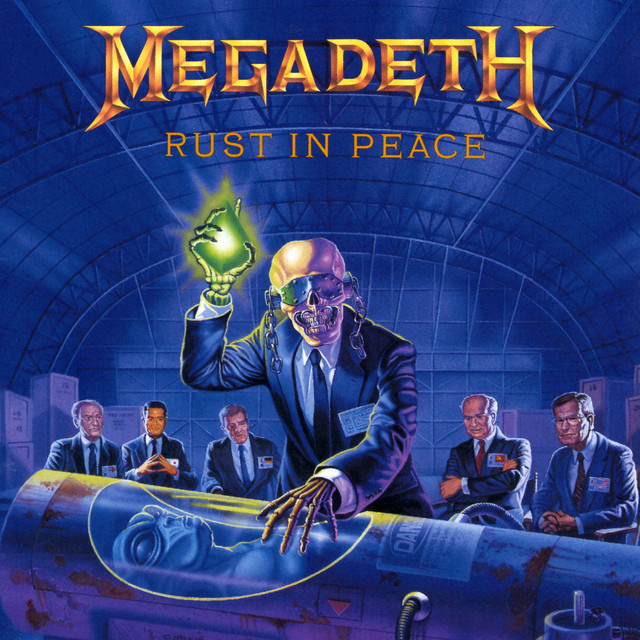
1990
Rust in Peace
Megadeth
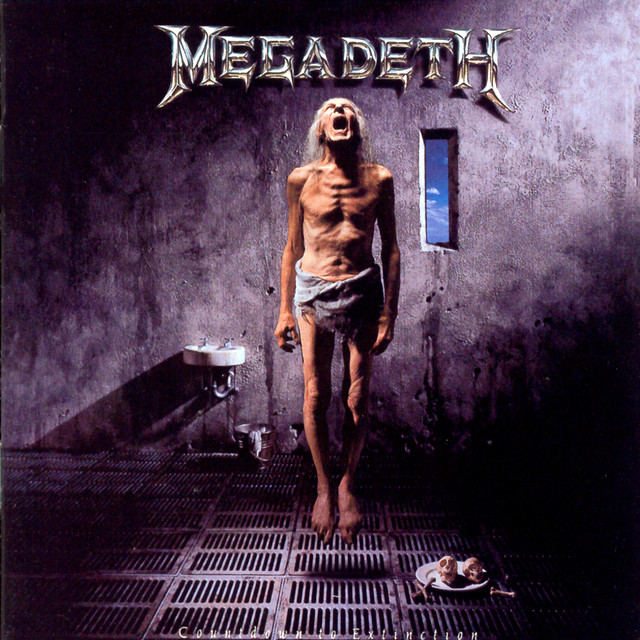
1992
Countdown To Extinction (Expanded Edition - Remastered)
Megadeth
2026
Megadeth
Megadeth, Megadeth, Megadeth, Megadeth, Biohazard, Megadeth, ODC, Megadeth, Meg…
2022
Put Your Back Into The Oar
Amon Amarth
2025
We Rule the Waves
Amon Amarth
Download our mobile app
Get the Melodigging app and start digging for new genres on the go
Download on the App Store
Get it on Google Play
© 2026 Melodigging
Give feedback
Legal
Melodding was created as a tribute to
Every Noise at Once
, which inspired us to help curious minds keep digging into music's ever-evolving genres.