Genres
Artists
Albums
Make Music
Sign in
Sign in
Artists
Afro House
Artists
Afro House
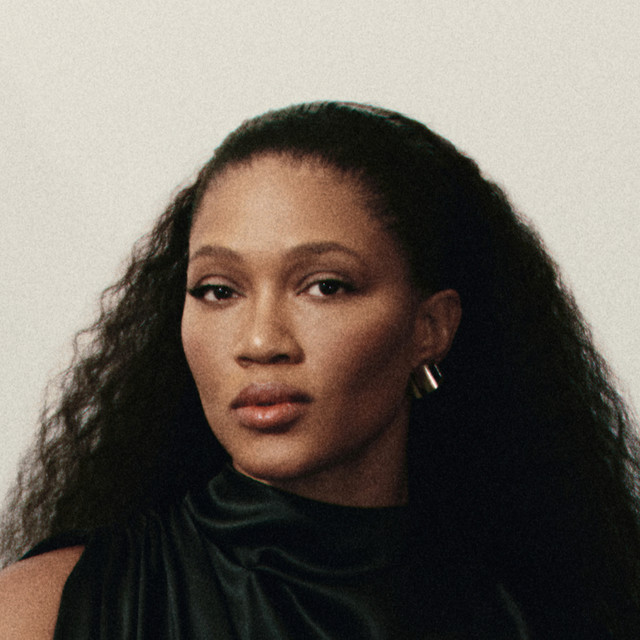
Luedji Luna
2017
·
1 album
Listen
3
/5
Genres
Latin Afrobeat
Latin Afrobeat is a contemporary fusion style that welds the polyrhythmic engine of West African Afrobeat with Latin American and Caribbean grooves. It often marries Afrobeat’s interlocking drum kit, shekere, and highlife‑style guitars with salsa/cumbia percussion sections, montuno piano figures, and bold horn arrangements. The result is a dance‑forward, big‑ensemble sound: long vamps, call‑and‑response vocals (frequently in Spanish or Portuguese), syncopated bass ostinati, and brass stabs—recorded with a warm, live, analog aesthetic. While it honors Fela Kuti’s Afrobeat blueprint, it colors that framework with Afro‑Cuban jazz harmony, salsa horn voicings, and coastal Colombia/Brazilian percussion idioms.
Discover
Listen
Melancholia
Melancholia is an internet-era microgenre centered on soft-focus, sorrow-tinged pop and indie songs that foreground intimacy, space, and emotional candor. Tracks are typically slow to mid‑tempo, sung in a close, almost confessional register, and framed by sparse, reverb‑soaked textures. Sonically it lives between dream pop, bedroom pop, and slowcore: shimmering guitars or wistful synth pads drift over understated beats; piano, acoustic guitar, and low‑key electronic drums carry muted, pulsing grooves. Harmonies often favor minor keys, suspended chords, and gentle extensions (7ths/9ths) that heighten a bittersweet glow. Lyrically, melancholia lingers on solitude, late‑night self‑reflection, breakups, and fragile hope. The genre coalesced through streaming playlists and social media, where its hush, negative space, and diaristic tone translate into a cohesive, instantly recognizable mood.
Discover
Listen
Nova Musica Paulista
Nova Música Paulista (literally "new Paulista music") is a contemporary wave from São Paulo that renews MPB’s songwriter tradition by blending it with samba’s rhythmic DNA, indie/alternative rock timbres, jazz harmonies, and Afro‑Brazilian percussion and spirituality. Rather than a single fixed style, it is a porous scene of composers, singers, bands, and producer‑collectives that prize experimentation, crate‑digging, and collaboration. Gently overdriven guitars, woodwinds and brass, atabaques and drum kits, electronics, and dense vocal arrangements coexist with sophisticated songwriting. The result feels unmistakably paulistano: urban, hybrid, and cosmopolitan, but grounded in Brazilian rhythmic memory and social realities.
Discover
Listen
Tulum
Tulum is a contemporary electronic dance music sound that crystallized around the boutique party scene in Tulum, Mexico, during the 2010s. It blends deep, organic house grooves with downtempo sensibilities, hand-played percussion, and "world"-leaning timbres such as oud, bansuri, handpan, and Latin guitar. The style favors warm, analog textures; modal, minor-key harmonies (often Dorian or Phrygian); long, reverb-washed atmospheres; and subtle, mantra-like vocals or chants. Tempos usually sit between 112–120 BPM, with earthy polyrhythms and shuffling, Afro- and Latin-influenced percussion propelling a hypnotic four-on-the-floor. Aesthetically, the Tulum sound is associated with sunrise/sunset beach settings, bohemian design, and a wellness-forward, festival-adjacent culture. Musically it overlaps with the broader “organic house/downtempo” movement while retaining a distinctly tropical, ritualistic character.
Discover
Listen
New Mpb
New MPB (Nova Música Popular Brasileira in English usage) is a 2010s–2020s wave that refreshes classic MPB’s songwriting craft with indie, R&B, hip‑hop, and electronic production. It keeps the genre’s hallmark: sophisticated harmony, intimate vocals, and poetry‑forward lyrics in Portuguese. Sonically, you’ll hear nylon‑string guitars and Rhodes pianos beside drum machines, 808s, and warm synths. Rhythms nod to samba, bossa nova, baião, and funk carioca while embracing modern pop swing and hip‑hop backbeats. The result is stylish, urban, and contemporary—romantic and reflective, yet danceable and groove‑savvy.
Discover
Listen
Nova Mpb
Nova MPB ("new Música Popular Brasileira") is a contemporary wave of Brazilian popular music that renews the classic MPB ethos with indie, electronic, neo‑soul, and modern pop production. Artists in this scene preserve the melodic richness, poetic lyricism, and rhythmic DNA of bossa nova and samba while embracing lo‑fi textures, synth pads, and intimate, close‑mic vocals. Compared to classic MPB, nova MPB tends to be more minimalist and bedroom‑studio friendly, favoring warm, analog‑leaning timbres and restrained grooves. Lyrics often blend romantic and introspective themes with snapshots of urban life, identity, and the everyday, delivered in Portuguese with a natural, conversational flow.
Discover
Listen
Deep Euro House
Deep Euro House is a European-bred, melodically rich branch of deep house that blends club-ready four‑on‑the‑floor grooves with warm, emotive sound design and pop-aware songcraft. It favors lush pads, silky basslines, soft piano or guitar stabs, and subtly processed vocals, often in minor keys with bittersweet chord changes. Compared with classic Chicago deep house, Deep Euro House leans more cinematic and refined: filtered synth swells, sidechained textures, airy reverbs, and clean, modern low end. Tempos typically sit around 118–124 BPM, with grooves that feel unhurried yet propulsive—equally at home on late-night dancefloors and in headphone listening. The "Euro" aspect reflects not only its geography (Germany, Switzerland, France, the Netherlands, Austria, Belgium) but also a melodic sensibility shaped by European club culture, indie electronica, and Balearic moods: wistful, romantic, and polished without losing house’s foundational swing.
Discover
Listen
Nova Musica Carioca
Nova Música Carioca (literally “new Carioca music”) is a 2010s wave from Rio de Janeiro that refreshes MPB and bossa/samba songcraft with indie-pop attitude, jazz-informed harmony, experimental textures, and 21st‑century production. Songwriters favor intimate vocals and narrative, often reflecting Rio’s coastal/urban imagery, social nuances, and everyday poetry. Arrangements mix nylon‑string guitars and percussion with synths, drum machines, tape/lo‑fi color, and studio-as-instrument techniques. Rhythms can pivot from a relaxed samba swing to funk‑carioca pulse or soft-rock grooves, while harmony stays lush—extended chords, chromatic color, and surprising modulations—anchoring the style in the MPB lineage even when it gets arty or electronic.
Discover
Listen
Rap Feminino Nacional
Rap feminino nacional is the Brazilian movement of women MCs who rap primarily in Portuguese, centering female perspectives, Black identity, and everyday life in Brazil. It spans classic boom‑bap and modern trap aesthetics while freely borrowing from baile funk, samba, MPB, and contemporary R&B. The sound is marked by confident flows, pointed social commentary, and hook‑forward choruses that often blur rapped and sung delivery. Production ranges from raw, sample‑driven beats to glossy, club‑ready tracks, with frequent use of Afro‑Brazilian percussion, 808 bass, and syncopated, danceable rhythms.
Discover
Listen
Vapor Twitch
Vapor twitch is a glossy, internet-born strain of indie electronic that fuses the dreamy nostalgia of vaporwave and chillwave with the punchy, "twitchy" rhythms of trap-leaning future bass. Expect airy pads, pastel synth palettes, chopped-and-pitched vocal bits, and sidechained chords that "breathe" against half-time 808 drums. Where vaporwave leans into looped détournement, vapor twitch favors original songwriting and drop-centric arrangements, keeping the vapor-era wistfulness but aiming for a more kinetic, festival-ready glow.
Discover
Listen
Deep Indie Pop
Deep indie pop is a moody, finely textured branch of indie pop that favors introspective songwriting, soft-focus production, and intimate vocal delivery. It sits between bedroom pop and dream pop, borrowing lo‑fi warmth and hazy ambience while maintaining the hook sensibility of pop. Compared with mainstream indie pop, the "deep" variant leans toward slower to mid‑tempo grooves, lush synth pads, chorus‑soaked guitars, and subdued drum programming. Lyrics often explore memory, late‑night reflection, and bittersweet romance, presented with close‑miked, breathy vocals and understated arrangements.
Discover
Listen
Gqom
Gqom is a minimalist, hard-edged club music from Durban, South Africa, built around pounding kicks, syncopated toms, and sparse, looped vocal chants. It favors tension and release over melodic development, using stark, percussive motifs and dramatic breakdowns to create a hypnotic, physically compelling groove. Typically sitting around 120–130 BPM, gqom departs from straight four-on-the-floor house patterns, embracing broken-beat structures, off-grid fills, and sudden dropouts. The sound palette leans dark and industrial—heavy sub-bass, metallic hits, claps, whistles, crowd shouts, and found sounds—while harmony is minimal or absent, keeping the focus on rhythm and texture.
Discover
Listen
Pop Lgbtq+ Brasileira
Pop lgbtq+ brasileira is contemporary Brazilian pop created by openly LGBTQIA+ artists and rooted in the country’s club culture, internet-native scenes, and mainstream pop industry. Sonically, it blends glossy electropop and dance-pop with distinctly Brazilian rhythms and textures—most notably funk carioca’s tamborzão, brega/tecno-brega melodrama, axé’s carnival exuberance, and MPB’s lyrical sensibility. Productions often pull from reggaeton, house, trap-funk, and ballroom-vogue percussion, yielding high-energy tracks designed for both radio and dance floors. The genre is as much about voice and visibility as it is about hooks: lyrics commonly foreground queer love, pride, self-fashioning, resilience, and nightlife. Vocals range from diva belting to rap/sung hybrids, with campy, theatrical performance aesthetics that translate strongly to video and stage. The scene’s rise is tightly linked to streaming-era dynamics, YouTube/Instagram/TikTok virality, and collaborations with DJs and funk producers.
Discover
Listen
Rasteirinha
Rasteirinha (often called “funk rasteirinha”) is a mid‑tempo branch of Brazilian funk that slows the classic baile funk groove to a warmer, more sensual pace. It blends the dembow swing of dancehall and reggaeton with samba and pagode percussion (pandeiro, cuíca, surdo, agogô, tamborim, and shakers), typically sitting around 90–105 BPM. Vocals tend to be chant‑like, playful, and street‑wise, with hooks built from call‑and‑response phrases and chopped vocal shots. Harmony is minimal—often one to three chords—so that the syncopated drums and round sub‑bass can drive the dancefloor. The overall feel is percussive, tropical, and intimate—made for block parties and clubs where groove and swing matter more than dense arrangements.
Discover
Listen
Afro House
Afro house is a subgenre of house music that took shape in South Africa in the 1990s. It blends classic house’s 4/4 pulse with African rhythmic sensibilities, emphasizing hand percussion such as congas, bongos, shakers and djembe alongside warm basslines and steadily dancing kick drums. Tracks often sit around 118–124 BPM and lean into hypnotic, polyrhythmic grooves, soulful harmonies, and an organic, spiritual atmosphere. Producers commonly use piano, saxophone, synthesizers, marimba/kalimba and rich pads, while vocals appear in a variety of African languages in call‑and‑response or chantlike phrases. The result is music that feels both deeply communal and club‑ready, equally at home on outdoor dance floors and late‑night sets.
Discover
Listen
Afoxê
Afoxê is an Afro‑Brazilian carnival music and performance tradition that emerged in Salvador da Bahia in the early 20th century. It is rooted in the Candomblé religion and centers on the ijexá (ijexá/ijexá) rhythm associated with the Ijexá nation of Yoruba origin. Beyond a musical style, afoxê denotes the cultural and religious blocos (processional groups) that present choreographed parades with call‑and‑response singing, ritual language, praise to orixás (deities), and an instrumentation led by atabaque drums, agogô bells, xequerê (shekere), and other hand percussion. While sacred in origin, afoxê became a visible, affirming expression of Afro‑Brazilian identity in Carnival, later informing popular Bahian music and the national soundscape.
Discover
Listen
Northeastern Brazilian Music
Northeastern Brazilian music is an umbrella for the rich, dance‑driven and song‑centered traditions from Brazil’s Nordeste, spanning rural sertão sounds and vibrant coastal carnival repertoires. It gathers matrix styles such as forró (and its substyles baião, xote, xaxado), coco and embolada (repente), maracatu, frevo, ciranda, and more. Characterized by propulsive percussion (zabumba, alfaia, pandeiro), bright timbres (triangle, brass), and the signature diatonic accordion (sanfona), the region’s music balances joyous, communal dance grooves with lyrical narratives about sertão life, migration, love, drought, and resilience. Its rhythmic DNA mixes Portuguese dance forms with Afro‑Brazilian and Indigenous elements, producing syncopated two‑step feels and carnival‑ready cadences. From the early 20th century radio era to contemporary pop and hip‑hop fusions, Northeastern styles have continually refreshed Brazilian music at large, informing MPB, axé, and the Recife‑born mangue beat while sustaining strong local dance and festival circuits.
Discover
Listen
Show all 17 genres
Albums
2017
1
/5
Um corpo no mundo
Luedji Luna
Afoxê
Northeastern Brazilian Music
Similar artists
4
/5
Naomi Sharon
Afro House
Chill R&b
Deep Smooth R&b
5
/5
Bad Bunny
Latin
Reggaeton
Trap Latino
5
/5
Chris Brown
R&b
Contemporary R&b
Hip Hop
5
/5
Kali Uchis
Contemporary R&b
Neo Soul
Colombian Pop
5
/5
HUGEL
Afro House
Latin House
Techengue
5
/5
ROSALÍA
Latin
Flamenco
Neoperreo
4
/5
Jorja Smith
Afrobeats
Basshall
Chill R&b
4
/5
Faul & Wad
Afro House
Covertronica
Deep Deep House
4
/5
Cumbiafrica
Afro House
Latin Afrobeats
Latin House
4
/5
Wakyin
Afro House
Latin Afrobeat
Latin Afrobeats
Download our mobile app
Get the Melodigging app and start digging for new genres on the go
Download on the App Store
Get it on Google Play
© 2026 Melodigging
Give feedback
Legal
Melodding was created as a tribute to
Every Noise at Once
, which inspired us to help curious minds keep digging into music's ever-evolving genres.